Friday, July 10th 2026 - 18:51 UTC
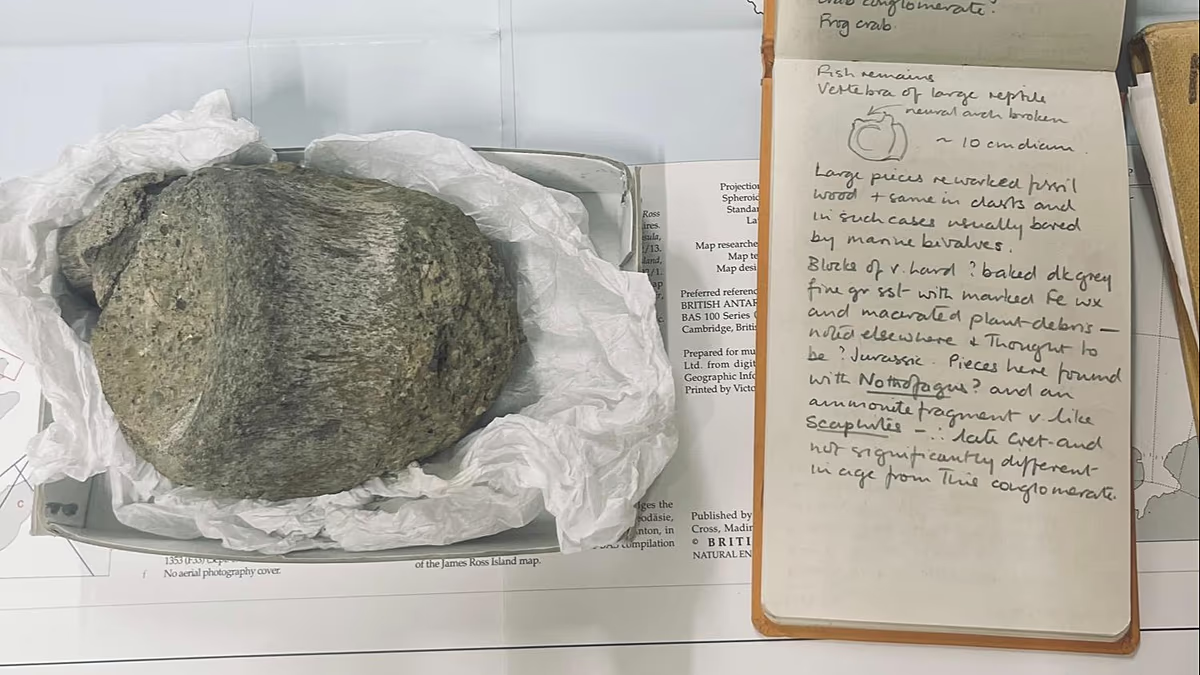
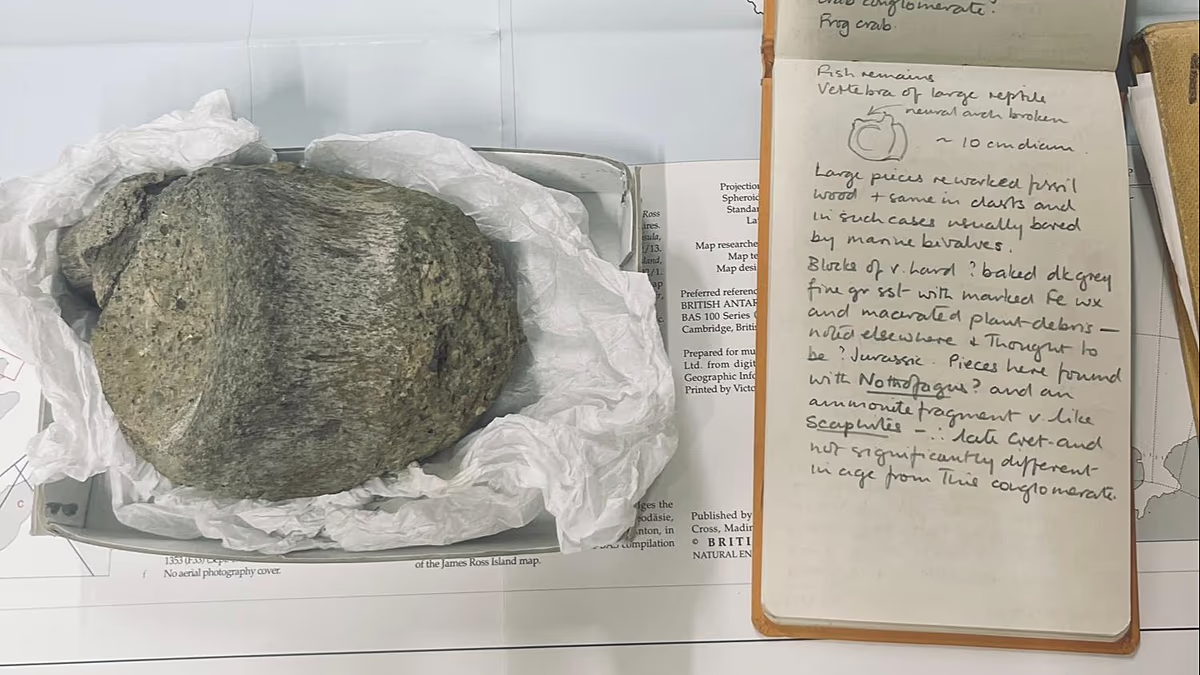
The fossil was collected in December 1985 by geologist Mike Thomson, of the British Antarctic Survey (BAS), during an expedition to James Ross Island, on the Antarctic Peninsula
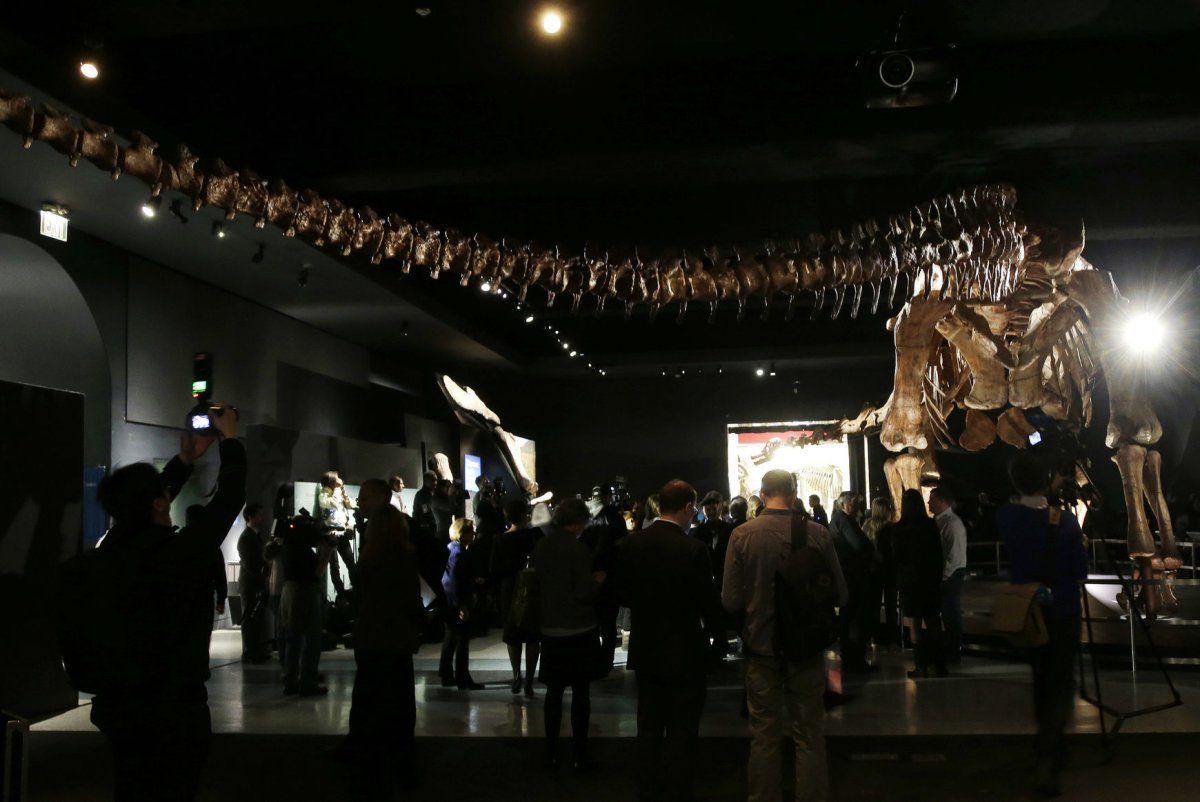
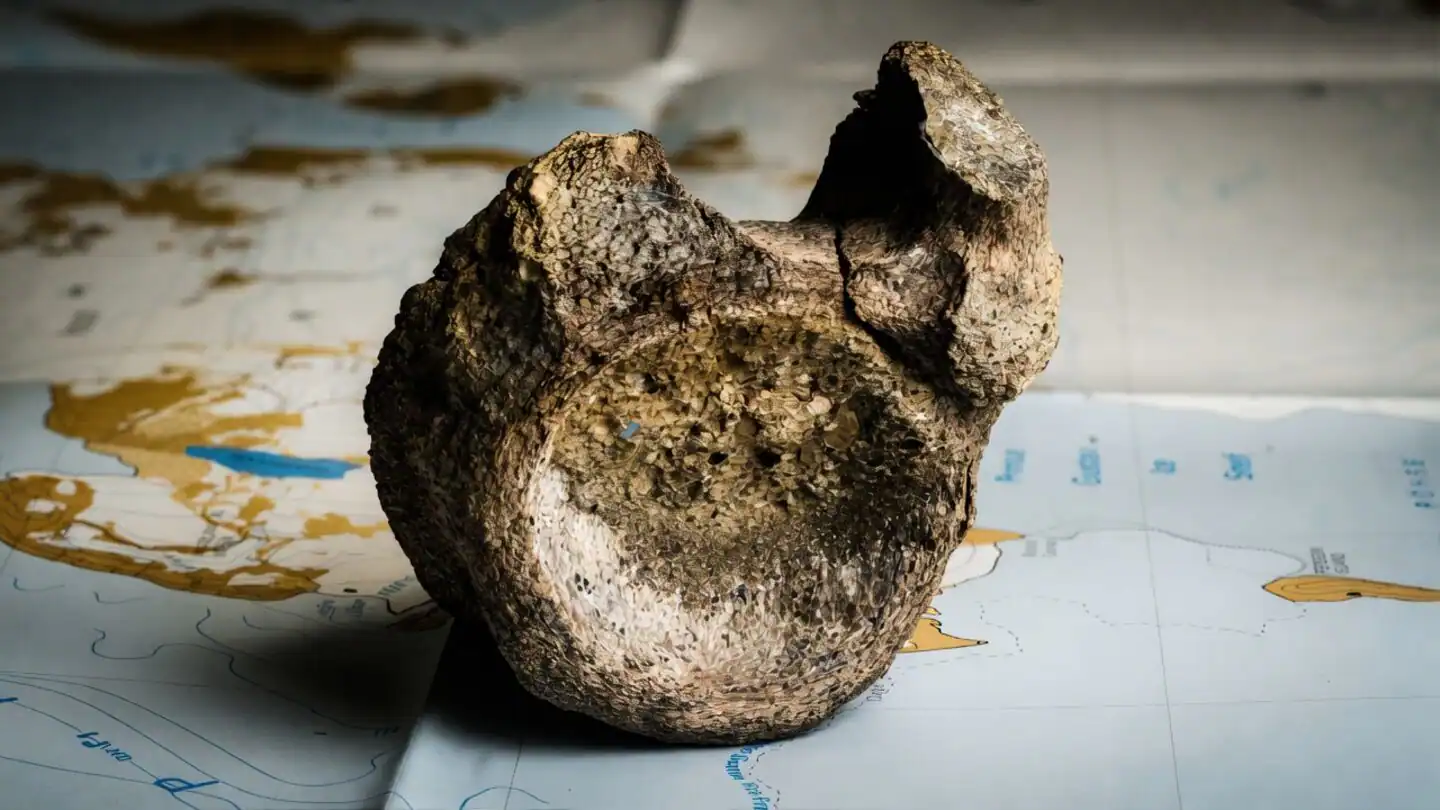
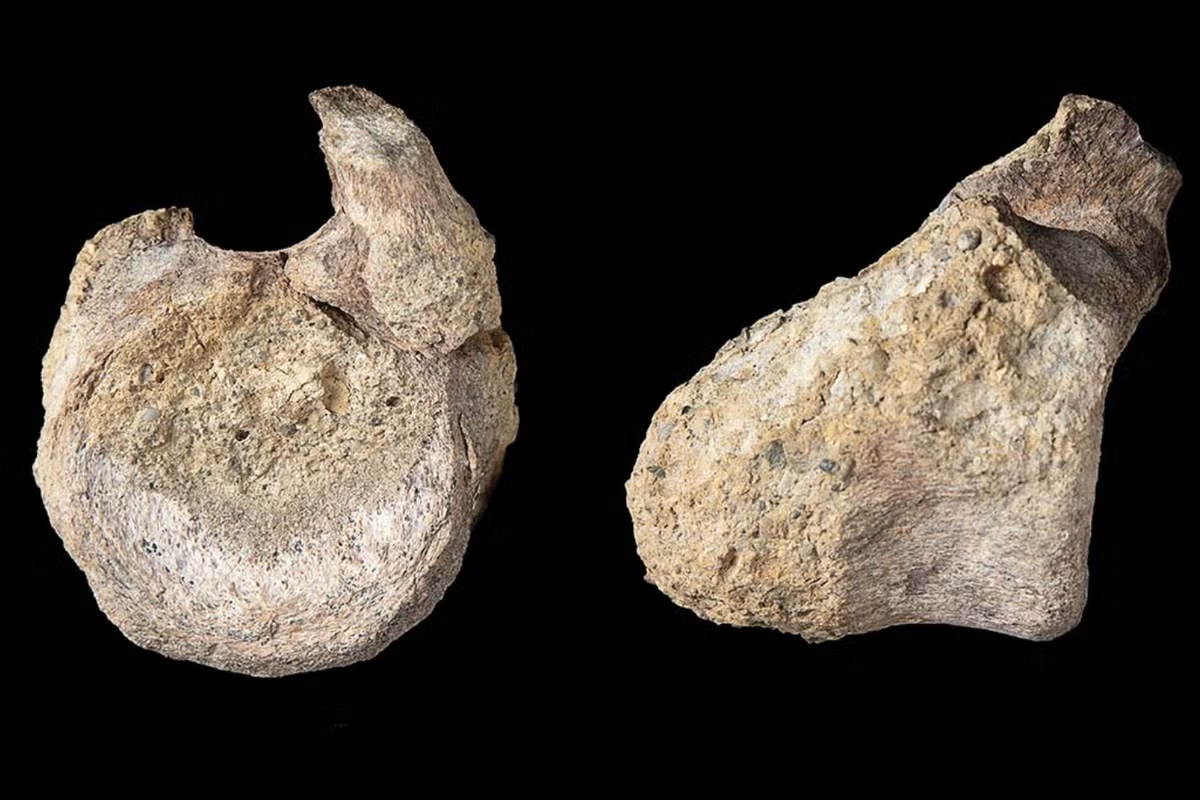
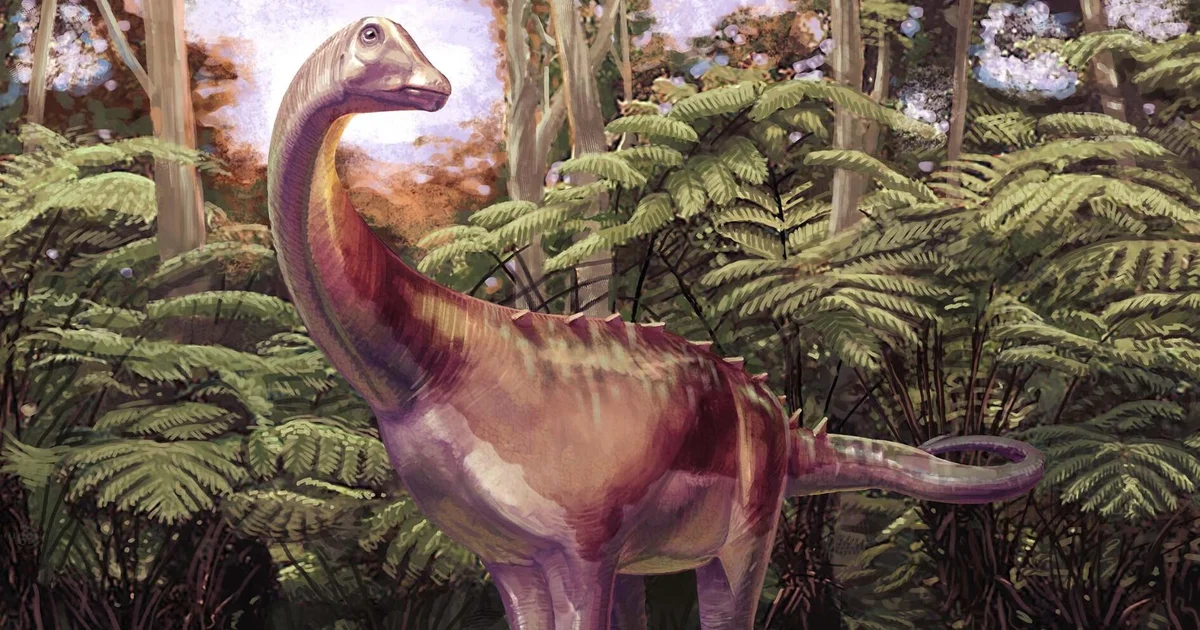
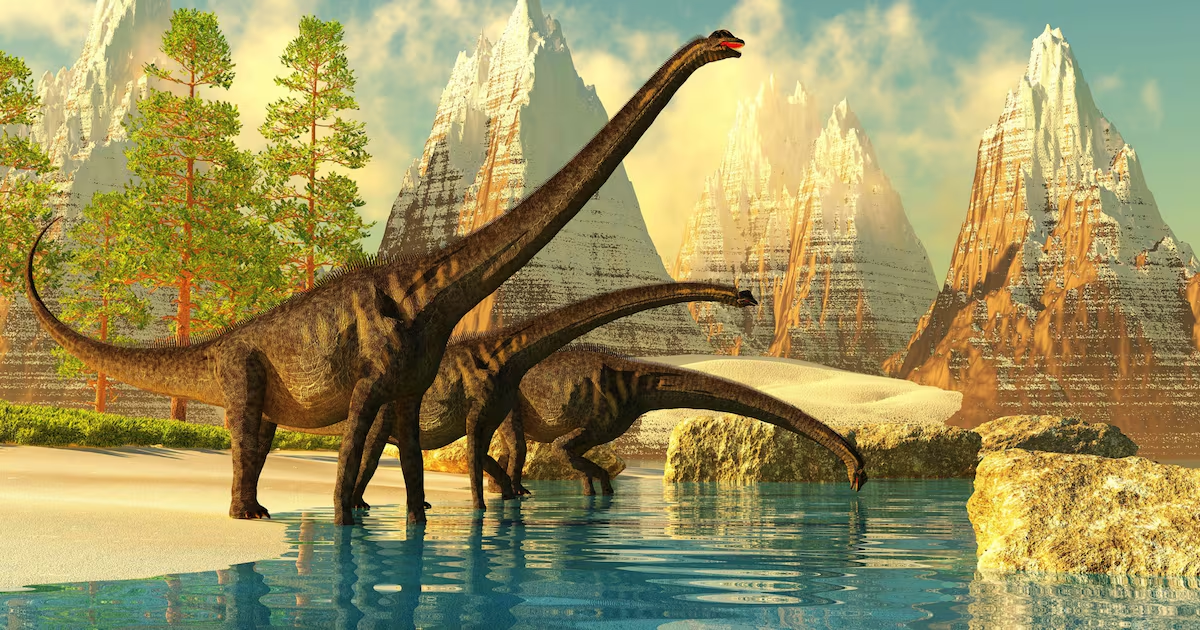
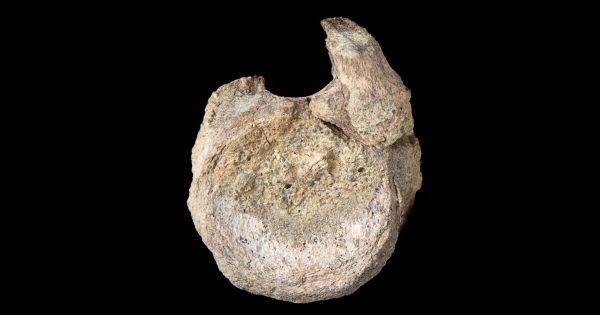
A bone collected in Antarctica four decades ago has been identified as the first dinosaur fossil found on the continent, according to a study published in the journal Acta Palaeontologica Polonica. It is a tail vertebra from a titanosaur, the group of long-necked sauropods that includes the largest land animals that ever lived.
The fossil was collected in December 1985 by geologist Mike Thomson, of the British Antarctic Survey (BAS), during an expedition to James Ross Island, on the Antarctic Peninsula. At the time, Thomson recorded it in his field notebook as belonging to a large marine reptile, a reasonable interpretation given that the rocks in the area contain abundant fossils of marine organisms, such as ammonites. The piece was stored for decades in the BAS collections in Cambridge.
The reexamination was carried out by paleontologist Mark Evans, manager of the BAS geological collections, who suspected the bone came from a land dinosaur. “Believe it or not, this is the first bit of dinosaur ever discovered in Antarctica,” said Professor Paul Barrett, of London's Natural History Museum, who led the analysis. Experts identified the vertebra as belonging to the titanosaurs by its distinctive structure, though the fragment does not allow the species to be determined.