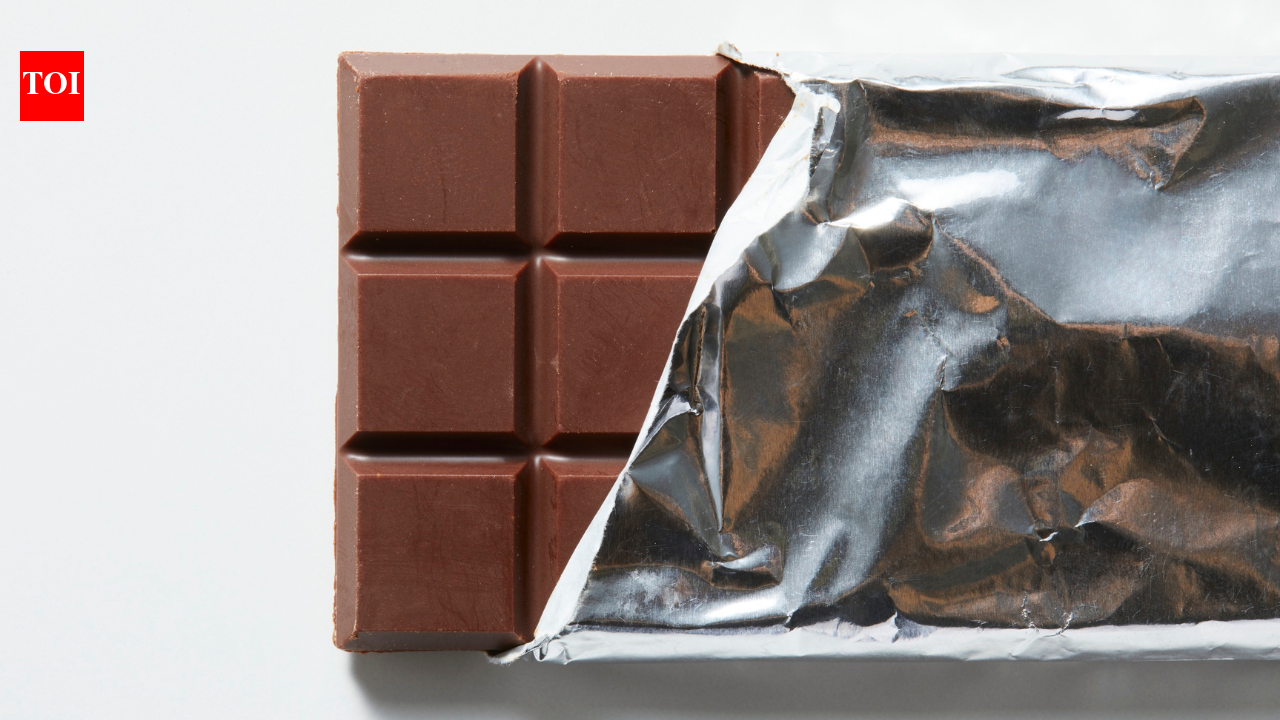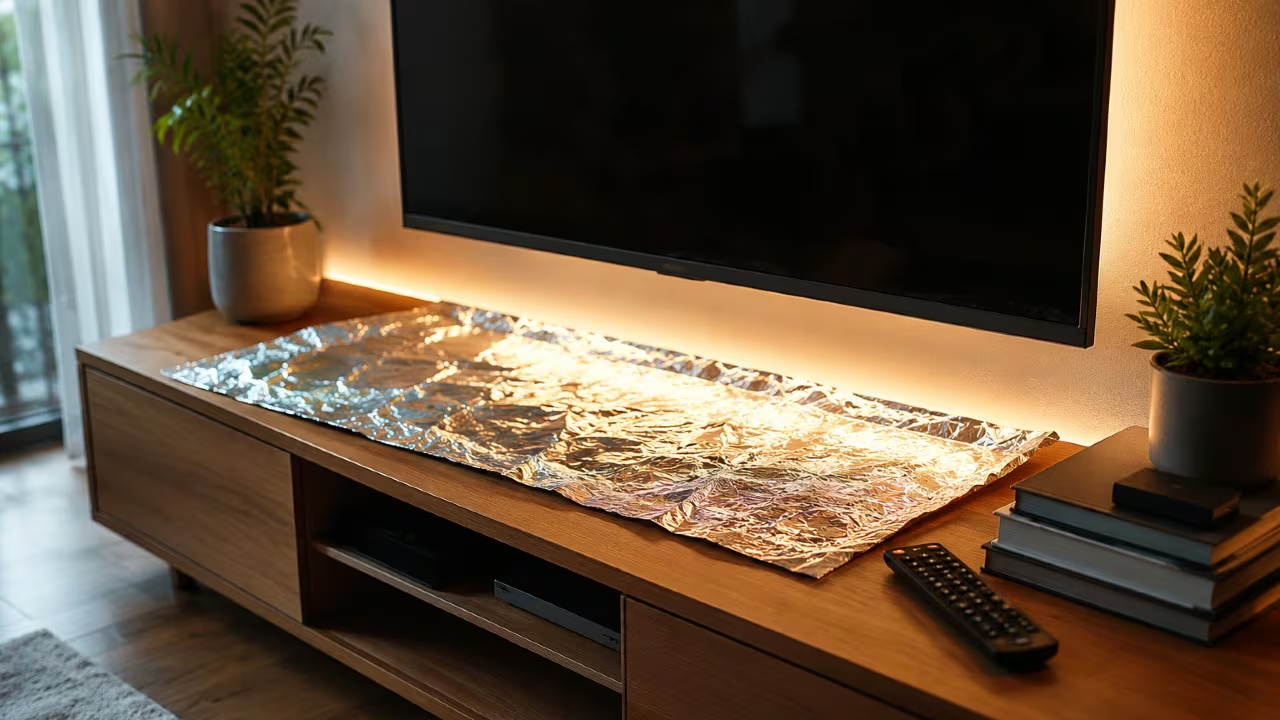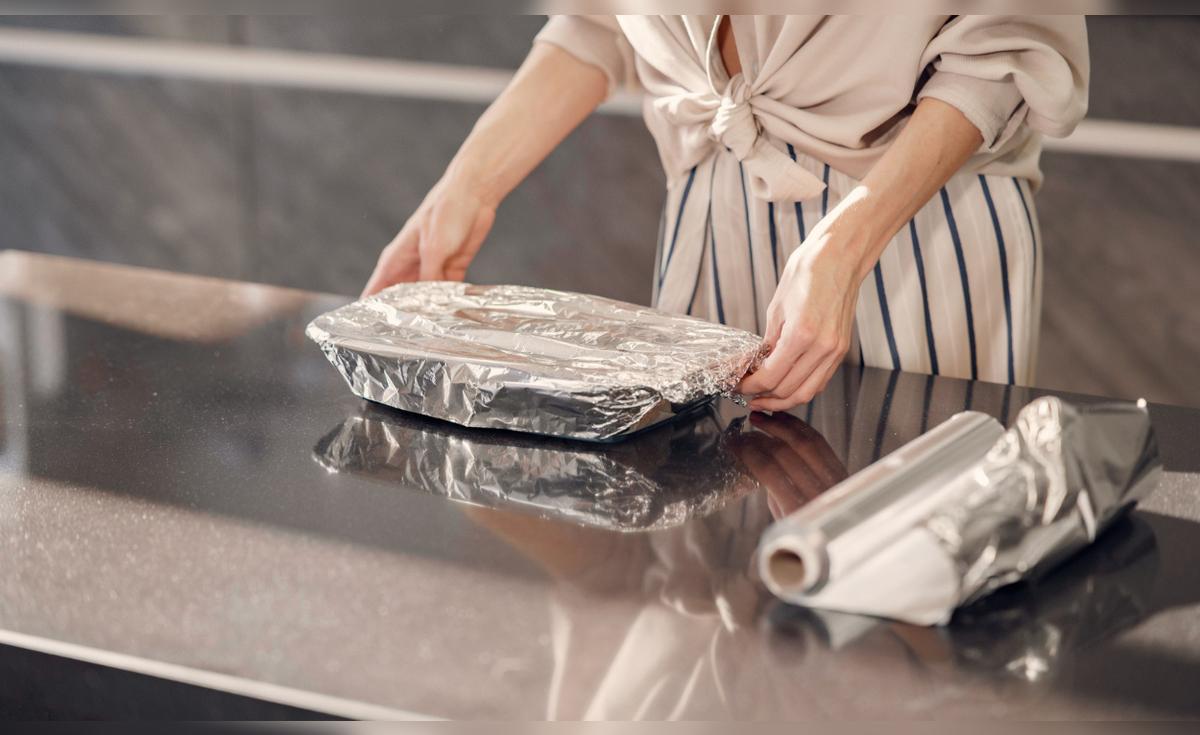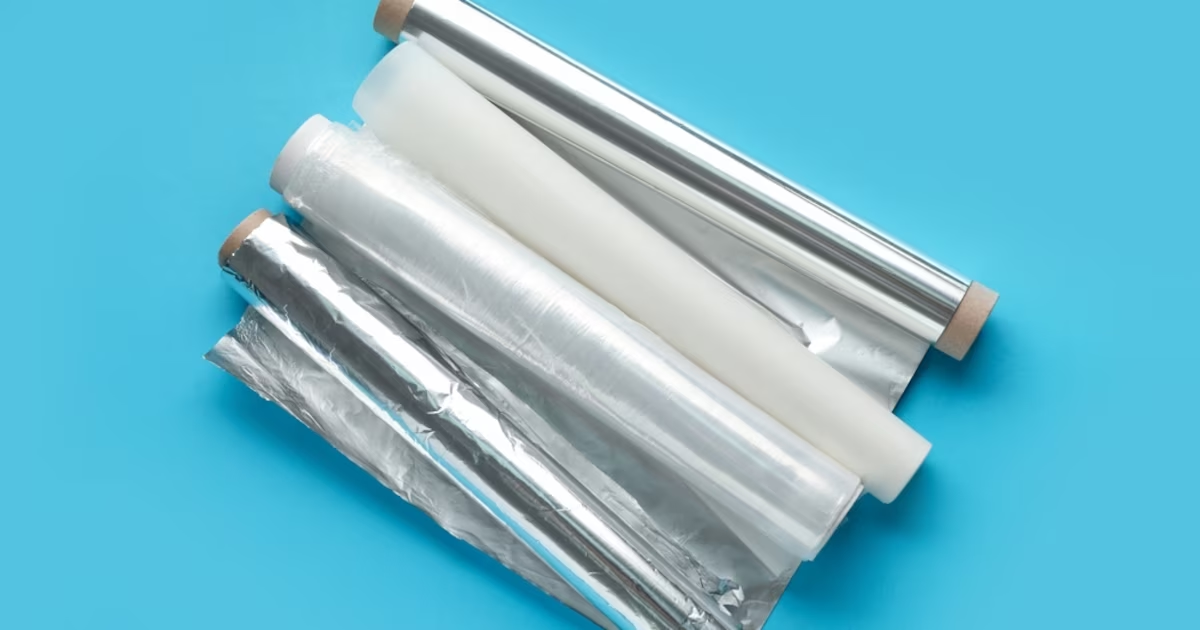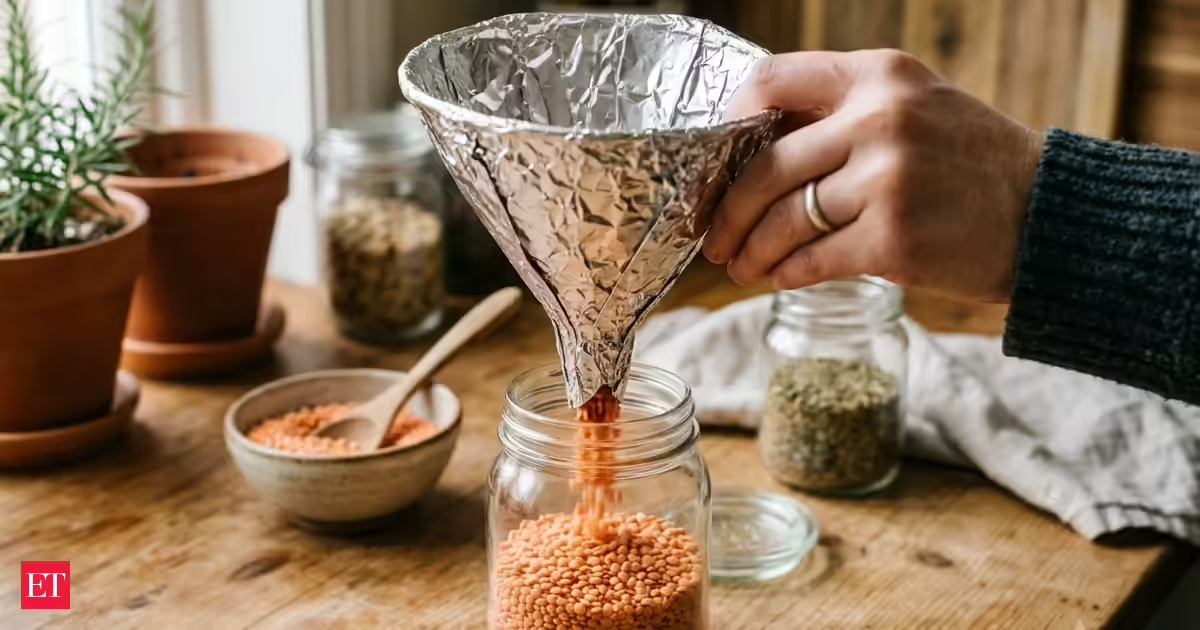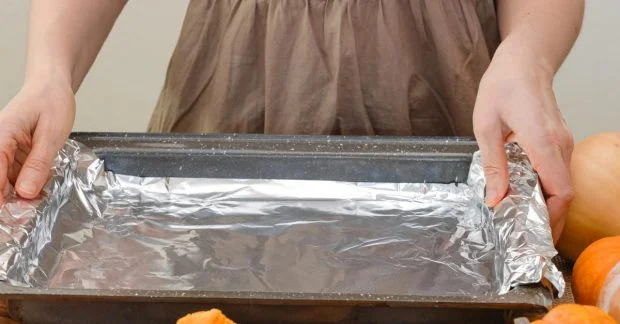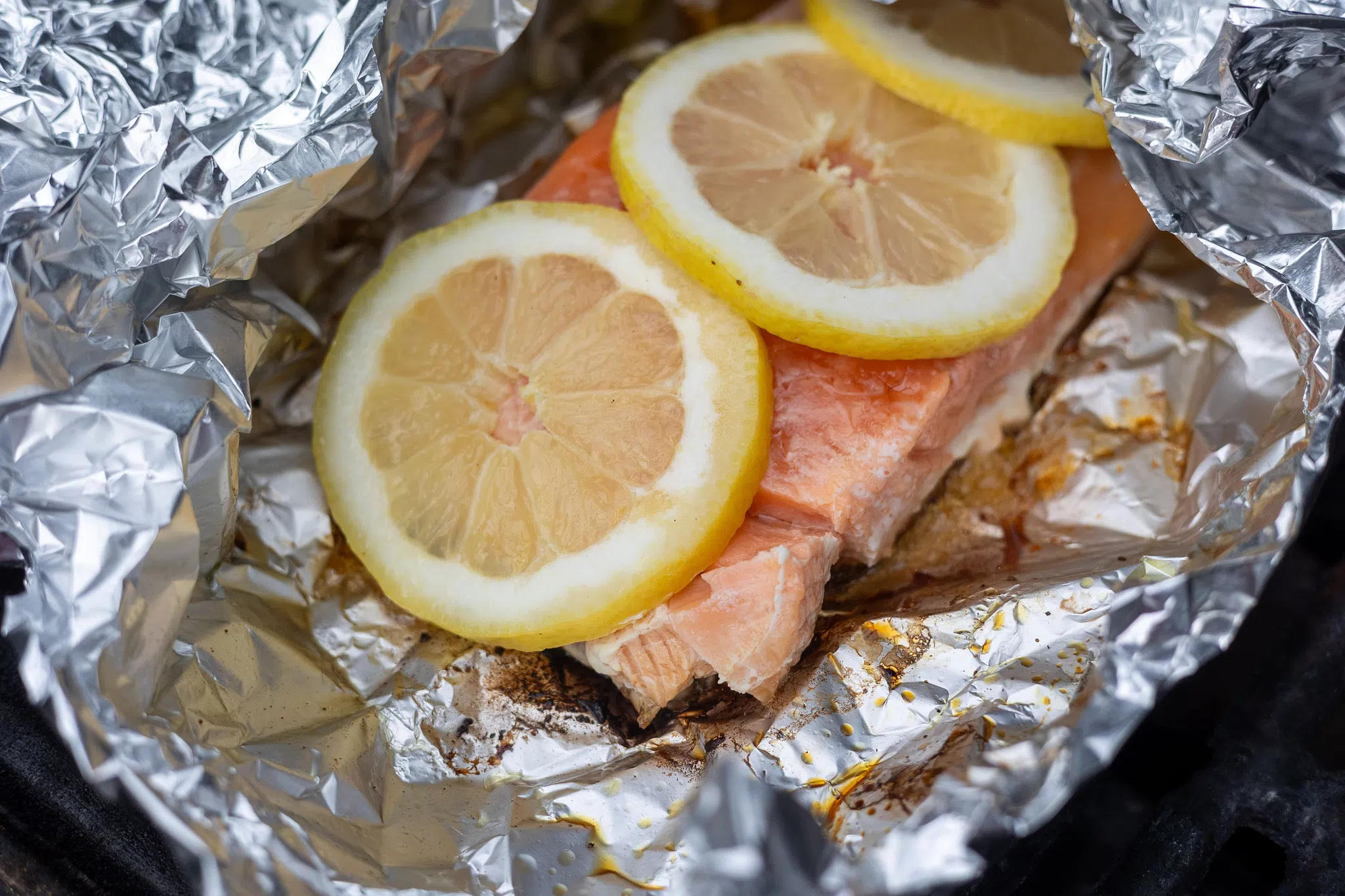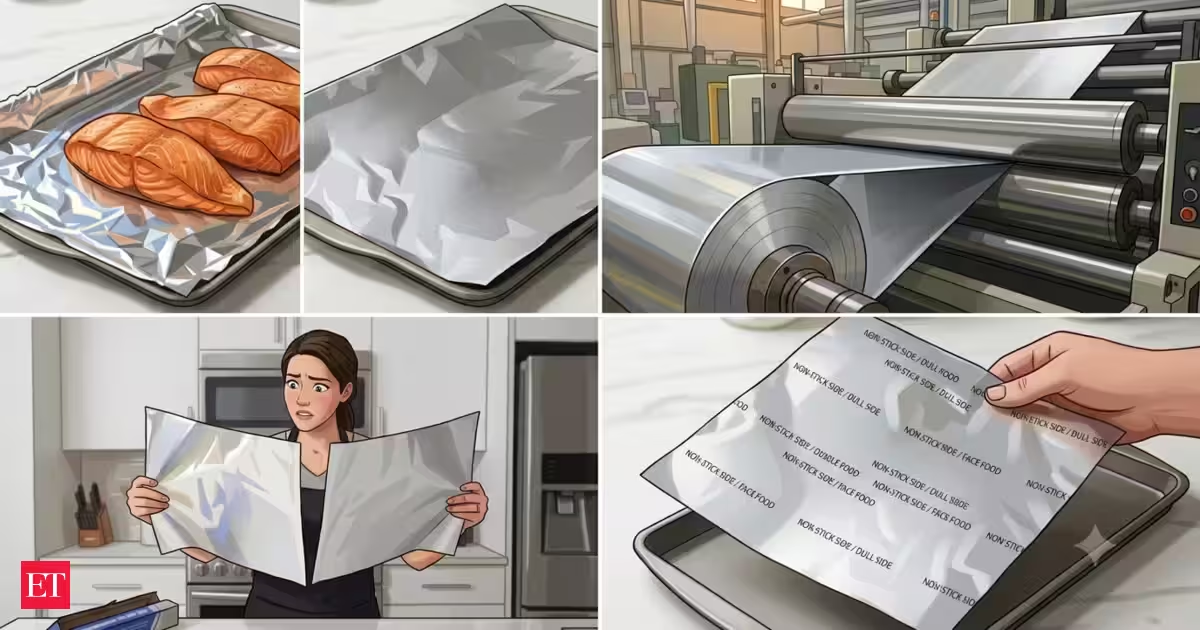
Aluminum foil shiny side vs dull side: Almost everyone has paused for a second before using aluminum foil and wondered the same thing: Should the shiny side face the food, or is it supposed to be the dull side?It's one of those kitchen debates that has been around for years, with plenty of people convinced that one side cooks food better than the other. But according to food experts, the answer is much simpler than most people think.For regular aluminum foil, it doesn't matter which side you use, as per reports.Aluminum foil cooking tips (Photo: AI/Gemini)The shiny side of aluminum isn't designed for cookingThe different appearance of aluminum foil isn't the result of one side being made to cook differently.You Might Also Like:Food scientist Abbey Thiel explains that the shiny and dull sides are simply created during manufacturing.Thiel explained that, “During the production process, aluminum is filled into thin sheets through a process called milling. To make the foil thin enough without tearing, two sheets of aluminum are rolled at the same time. The side of the foil that touches another sheet during milling ends up dull because it doesn’t get polished by the rollers. The other side, which is in direct contact with the rollers, becomes shiny,” as per an EatingWell report.The U.S. Department of Agriculture describes the same process, explaining that two layers of foil are flattened together before being separated for packaging and distribution, as per a Simplyrecipes report.Aluminum foil shiny side vs dull side cooking explained (Photo: AI/Gemini)You Might Also Like:Which side of the aluminum should face your foodIf you're using regular or heavy-duty aluminum foil, experts say you can use either side.Thiel pointed out that aluminum transfers heat through conduction, meaning heat passes directly through the foil into the food, as per the EatingWell report. Since both sides are made from the same aluminum, they conduct heat equally well.Although the shiny surface reflects a small amount of heat, Thiel highlighted the difference is so small that it doesn't noticeably change how food cooks.Reynolds, which has produced aluminum foil for more than 75 years, also says that with its standard and heavy-duty foil, food can be placed on either the shiny or dull side, as per the report.Does it matter which side of aluminum foil you use (Photo: AI/Gemini)Why the aluminum myth has stuck aroundSome cooks have long believed that the shiny side reflects heat while the dull side absorbs it, making one side better for baking or roasting.But according to the information provided by experts, any difference in heat reflection is extremely small and has little to no noticeable effect on the final result.The one time aluminum foil's side actually mattersThere is one exception to the rule: non-stick aluminum foil.Unlike regular foil, non-stick foil has a specially coated surface designed to prevent food from sticking.Reynolds says the dull side is the non-stick side and should always face the food. A simple way to check is by looking at the printed writing on the foil. If you can read it, you've positioned the non-stick side correctly, as per the EatingWell report.
Have you been using aluminum foil the wrong way? The shiny side vs dull side truth explained
Aluminum foil shiny side vs dull side: Wondering which side of aluminum foil to use for cooking? Learn the truth about the shiny and dull sides from food experts, including essential tips for regular and non-stick foil that could transform your cooking experience!
515 words~2 min read