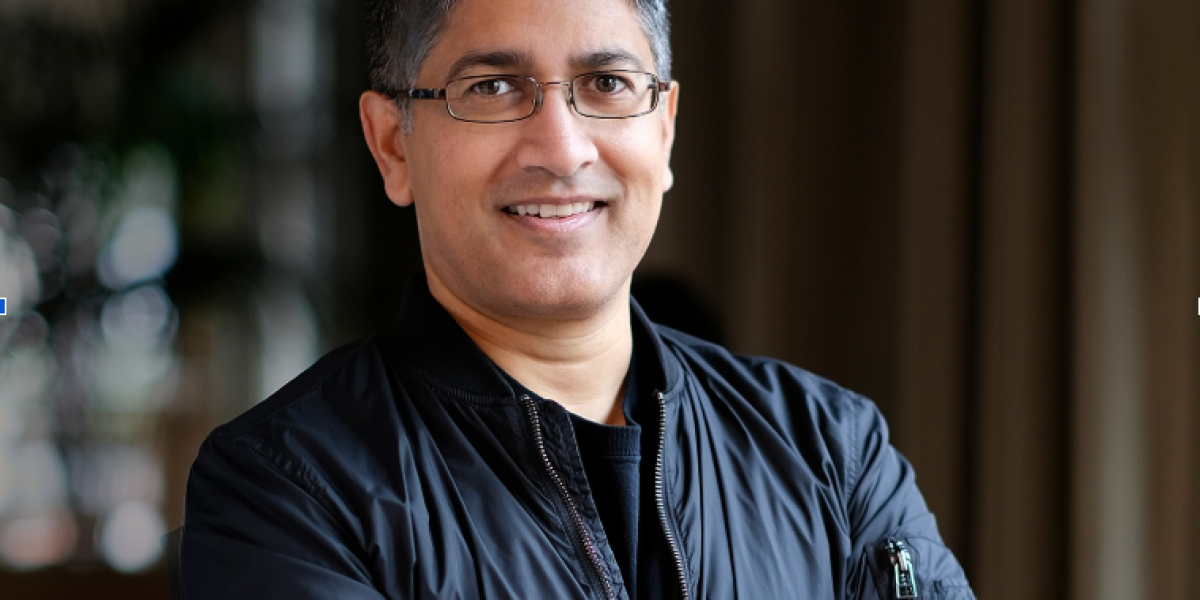
The recognition arrived before the company turned two. In the spring of 2026, the firm Aspire named Saarth Shah one of its 30 global founders to watch, a nod less to the size of his startup than to the problem he had chosen to tackle.
Shah, who was born in India and studied data science at the University of California, Berkeley after transferring from the University of California, San Diego, has spent most of his short career circling a single question. How do you make a computer’s answer about the real world trustworthy enough to act on?
He took it seriously as an undergraduate. At the San Diego Supercomputer Center, he built geospatial models that read abnormal 911 call patterns to alert authorities to mass-casualty events such as school shootings. The stakes taught him early what accuracy costs. “One wrong alert, and police and school authorities mobilise for something that turns out to be nothing,” he said. At Stanford’s Snyder Lab, the genetics group run by Michael Snyder, he helped build Wearipedia, an open-source toolkit that makes data from wearable health sensors usable for students and smaller labs. The two efforts shared little except the discipline underneath them, deciding how far a dataset can be trusted before someone relies on it.