Key Findings. Only 5–7 per cent of GCCs still operate primarily on a cost-arbitrage model, while the vast majority have evolved towards delivery excellence and platform-led innovation
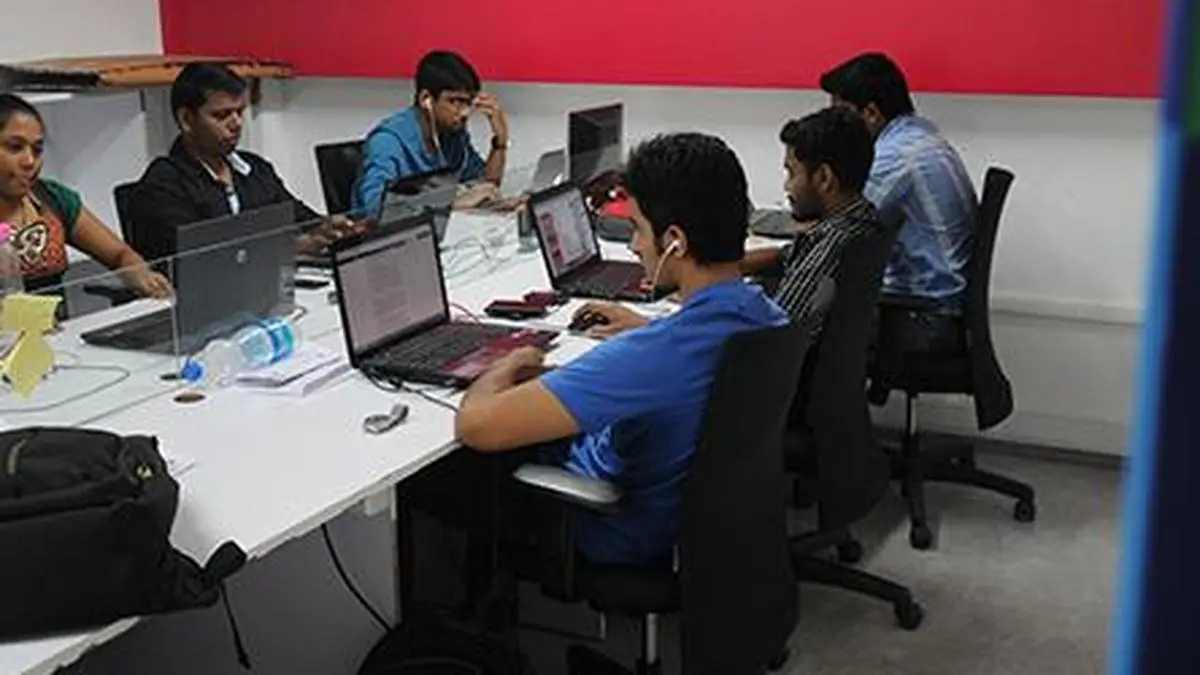
There is a sharp acceleration in the number of global capability centres being set up in India with some estimates even talking about an ecosystem of 5,000 GCCs by 2030. But even as an average of a GCC a day is being set up, here comes a report that argues that India’s GCC model has reached an inflection point, and nearly 500 centres are unable to realise their full potential.The report by UnearthIQ and Embark titled “The Great Plateau: Why GCCs are Unable to Reach their Full Potential” says that around 30 per cent of GCCs established after 2020 – numbering around 150 — have already plateaued. Add to that an estimated 360–370 GCCs established before 2020 that are facing similar challenges.“Most GCCs are built to scale delivery. Few are designed to sustain relevance. The difference lies in design strength and execution discipline. Historically, much focus has been on developing playbooks for setting up GCCs, while little investment has been made in identifying frameworks and interventions to realise their potential,” say Gaurav Vasu and Shail Maniar, Co-founders of UnearthIQ.Volume vs depthThe plateauing is driven by structural factors rather than operational performance alone. Execution-focused mandates, limited leadership autonomy, weak alignment with evolving enterprise priorities, underinvestment in AI and platform capabilities, and fragmented technology and data foundations are preventing some GCCs from moving to higher-value roles within the enterprise.India’s ambitions of hosting 5,000 GCCs may come to fruition as setting up centres is the easy part. However, as Vikram Jain, Director of Engineering, Blackhawk Network, points out the real risk is depth. “India’s ambition should not be measured only by how many GCCs it hosts, but by how many own products, make strategic calls, and carry real business accountability,” he added.Sachin Alug, CEO, NLB Services, observed that success for GCCs is being redefined. While some legacy centres continue to operate with delivery-first mandates, the next generation of GCCs is being built as AI-powered innovation and product hubs,“The transition to an innovation hub demands an operating model that gives GCCs strategic ownership, closer alignment with business leaders, and the freedom to build IP and drive innovation. GCCs that make this shift will become enterprise growth engines; those that don’t risk becoming transactional,” he said.However, Kapil Joshi, CEO of IT Staffing at Quess Corp, argued that India is witnessing a natural maturing of the market rather than a slowdown. “Only 5–7 per cent of GCCs still operate primarily on a cost-arbitrage model, while the vast majority have evolved towards delivery excellence, product ownership, and platform-led innovation. With nearly 50 per cent of new GCCs being AI-first, success will depend on platform engineering capability, AI deployment expertise, and the ability to create measurable business impact rather than just adding headcount,” Joshi shared.Published on July 10, 2026