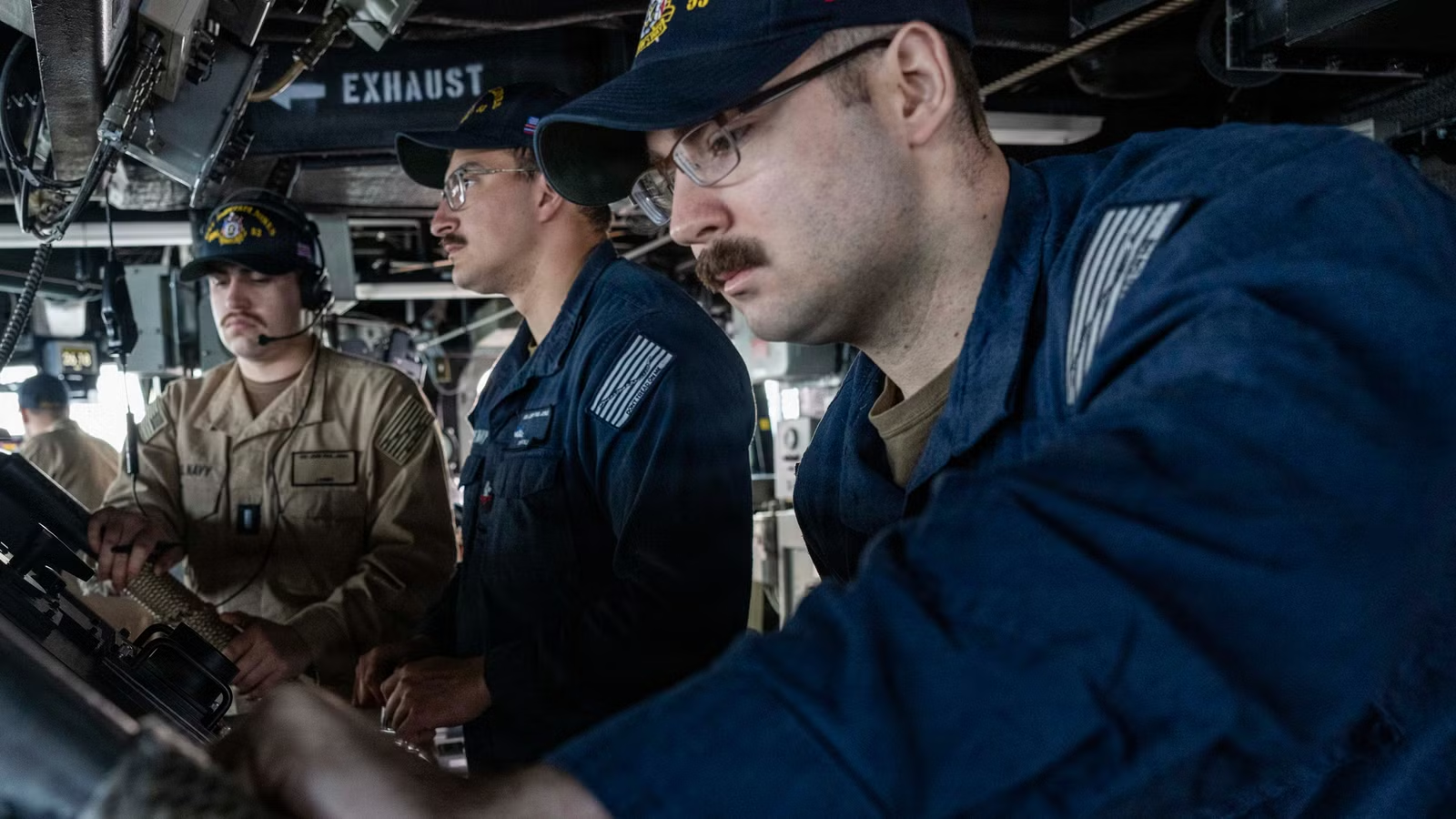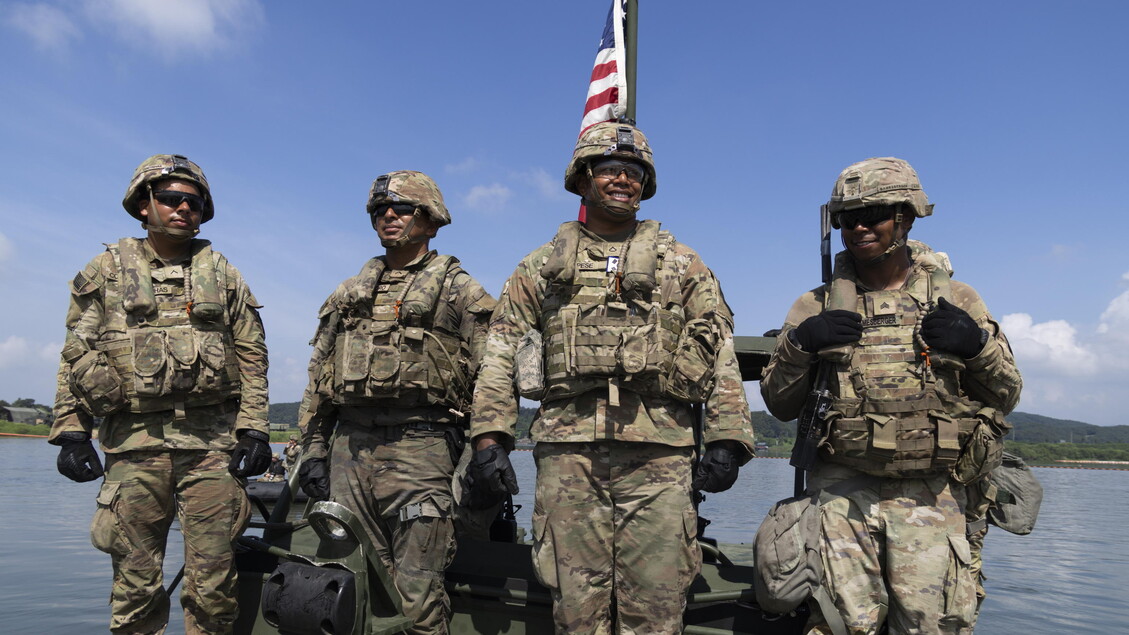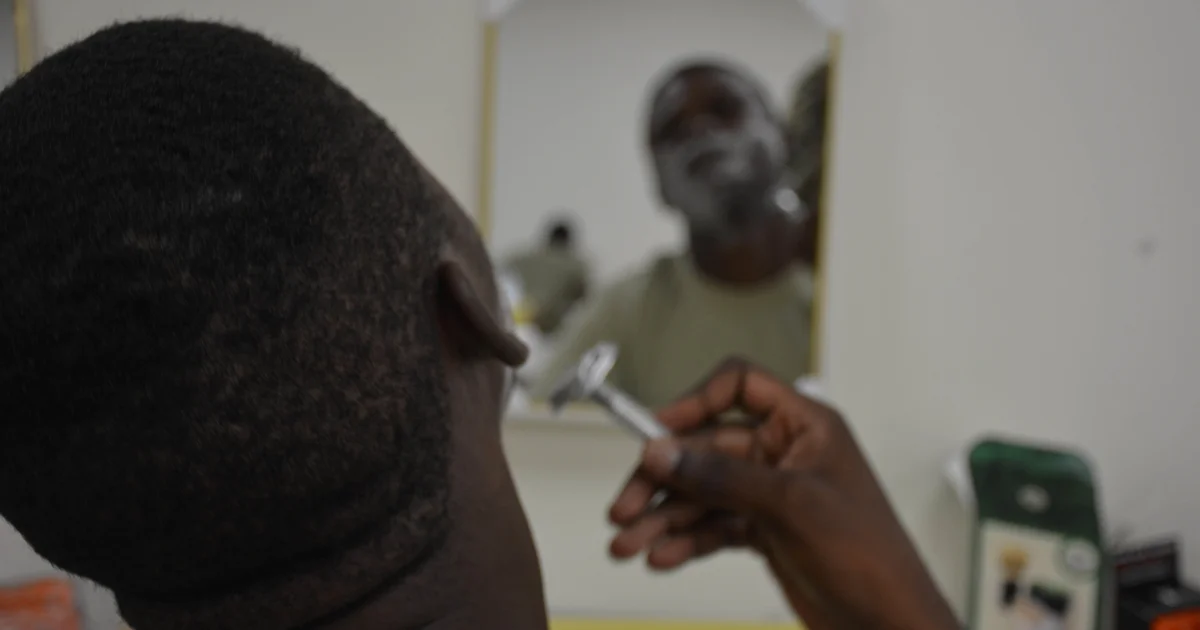
Sailors whose medical conditions prevent daily shaving now have up to 12 months of treatment options before the Navy evaluates them for continued service and, in some cases, administrative separation. A safety argument has ensued around facial hair, with the service saying it can break the seal on the masks that keep a crew breathing through fire or gas. Behind this argument sits a study the Navy has kept close to the vest. The order NAVADMIN 162/26, released July 7 under the signature of Vice Adm. Jeffrey J. Czerewko, reverses the Navy’s 2022 policy which prohibited separation solely because PFB treatment had failed. It ends what two retired officers who wrote in Proceedings described as a roughly four-decade practice of allowing renewable medical accommodations. In place of that open-ended allowance, the message sets a countdown for any sailor who now gets twelve months of medical treatment to reach a clean-shaven standard. Those who cannot get there are headed toward a separation board. Military.com asked the Navy how many sailors currently hold medical shaving waivers, as well as how many of them are likely to be affected by the new policy. "We cannot provide a specific estimate of the policy’s numerical impact at this time because the policy's impact will depend on multiple factors including individual medical circumstances, response to treatment, and operational requirements," a Navy spokesperson told Military.com. "Similarly, administrative separation will be determined on a case-by-case basis, depending on multiple factors, including individual medical circumstances, response to treatment, and operational requirements." Most of the men caught by the change carry the same diagnosis. Pseudofolliculitis barbae, the ingrown-hair condition better known as razor bumps, afflicts roughly 60% of Black men, according to the American Osteopathic College of Dermatology, and it worsens with the very act the policy now demands.
Navy Says Beards Are a Safety Risk, Gives Sailors 1 Year to Shave
The Navy told Military.com that it's unclear how many sailors may be affected within the next 12 months.
1,493 words~7 min read