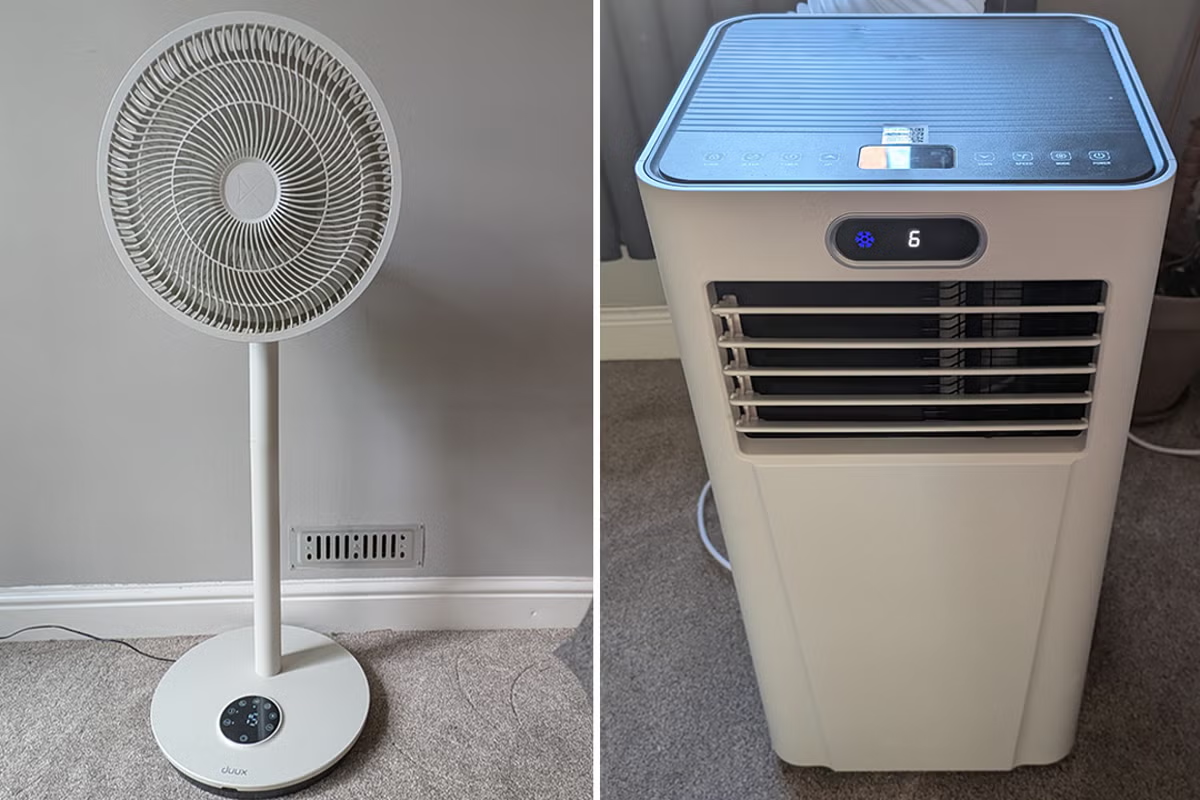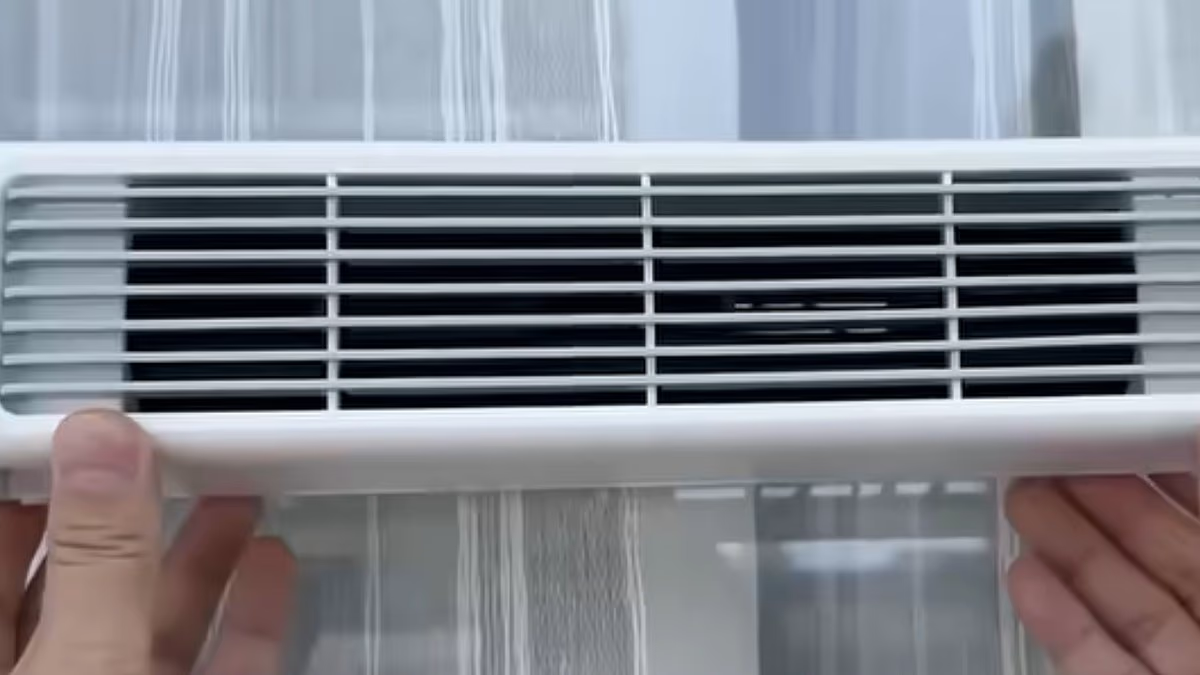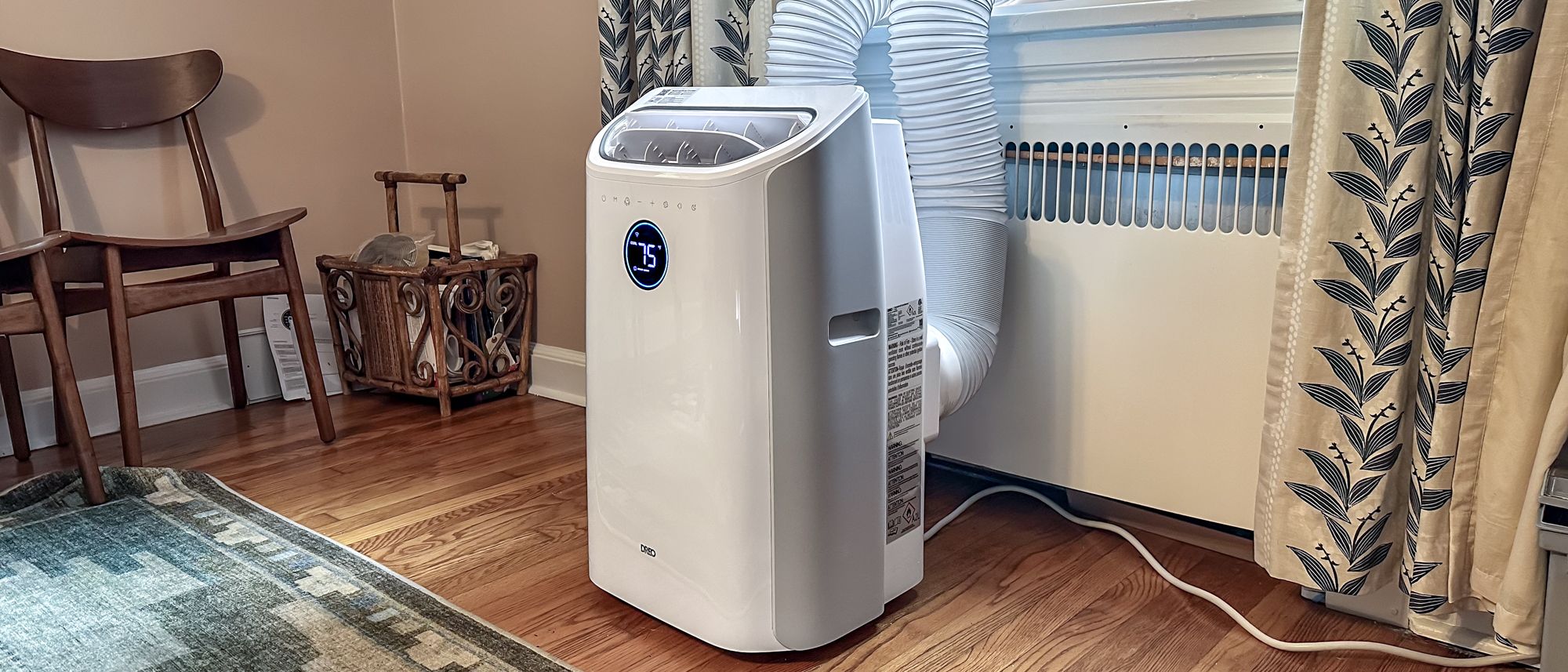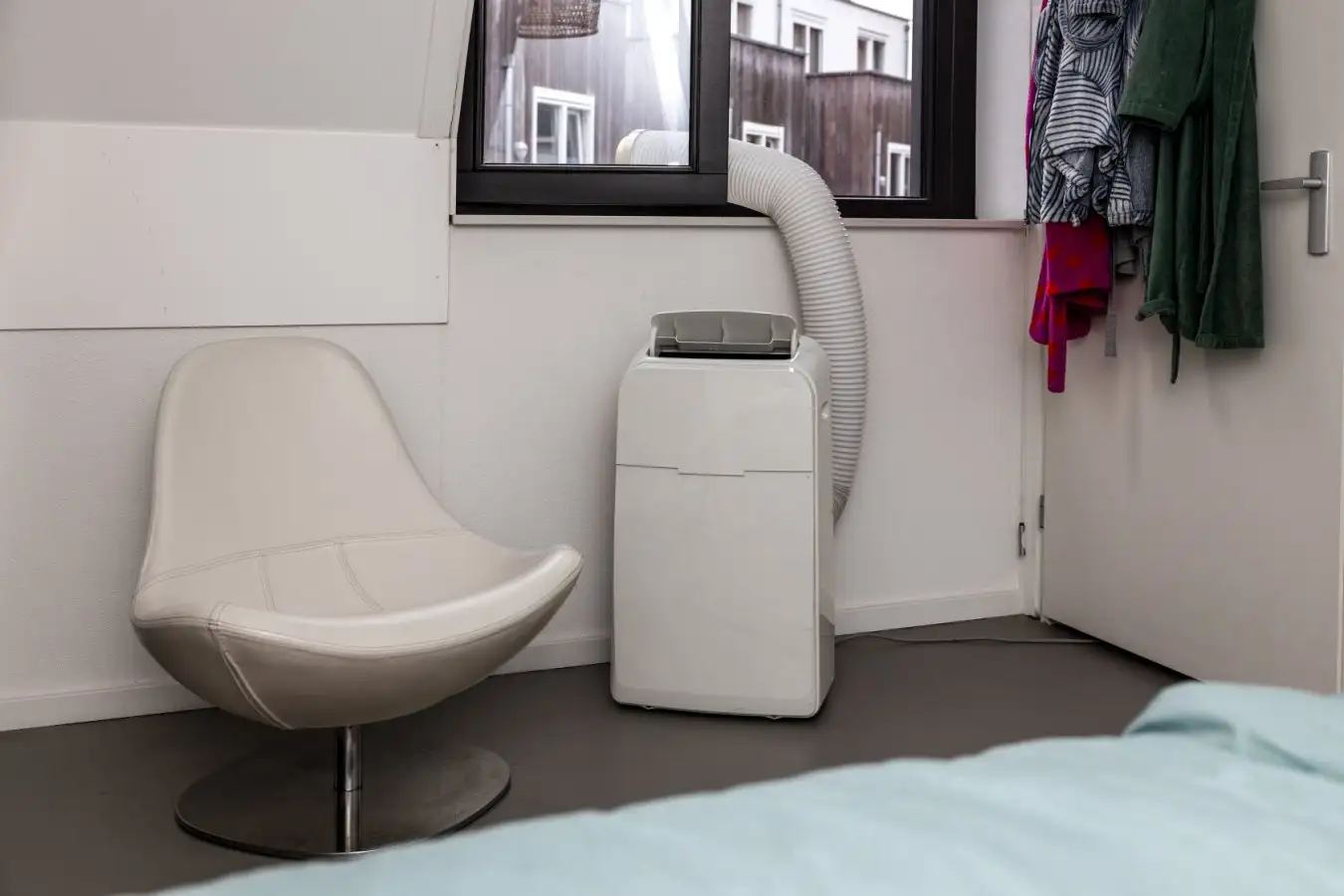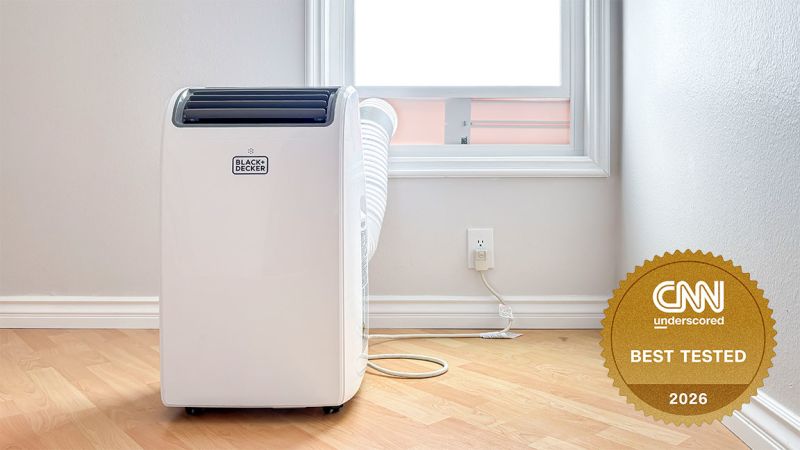
A science expert has said single-hose portable air conditioners have "a major design flaw", and demonstrated a simple DIY hack using cardboard that could transform your portable AC's efficiency17:23, 10 Jul 2026With scorching temperatures over recent weeks making it incredibly difficult to keep our homes cool, even after dark, countless people have bought portable air conditioners in a bid to combat the sweltering conditions. While they can be pricey, loud, and cumbersome, for many, their ability to drastically reduce room temperatures far outweighs any drawbacks.The devices function by drawing warm air from a room and expelling it outdoors through a hose directed through a window or vent, while replacing it with chilled air. However, one science expert has now revealed why they might not be performing as effectively as they could be - and offered a simple solution to vastly improve their effectiveness.Senior reporter at New Scientist, Michael Le Page, elaborated further in a video on TikTok, reports the Express. Gesturing towards a portable air conditioner positioned on a windowsill, he said: "There's a major design flaw with this type of air conditioner. If your house gets really hot during heatwaves, you might be thinking of getting a portable air conditioner."He continued: "But there are two problems with this type of design. So, if this is sitting on the floor with a single hose blasting hot air out of the window, the air conditioner is pulling in hot and humid air that it has to keep cooling all the time, and that wastes a lot of energy."It's like mixing mud into laundry detergent. The hotter and more humid it gets outside, the more inefficient the machine becomes."Content cannot be displayed without consentPointing to the hose sticking out of a window, he went on: "Second issue is this hose. You'll feel it gets really hot when the air conditioner is running. So, if that's inside your house, some of that heat is going straight back into the air in your room."Saying the machines "literally suck", Michael highlighted that they're also far from energy efficient, and current labelling regulations in the UK and Europe fail to make this apparent."The next best option is something called a dual-hose portable air conditioner," he said. "That's got an extra hose that sucks in the outside air before it takes the heat and gets blasted outside again."Some manufacturers actually sell conversion kits to turn single-hose into dual-hose. One of those manufacturers advertises its conversion kit as increasing the cooling power of the machine by three times."If there is no conversion kit available, you can do a DIY job as I've done here," he added, demonstrating how he'd used some cardboard to seal off the rear of the air conditioner, where the warm air is drawn in, from the bottom. Consequently, the air being pulled into the conditioner isn't from within the room itself, as it would typically be with a single-hose unit, but instead from outdoors."Because the hose is outside, it's not warming up my room at all," Michael said. "If you do have a hose like this inside your room, I'd recommend covering it with a towel or blanket to minimise that heat loss. This hack has dramatically increased the performance of this machine.Article continues below"Before, when it got really hot during heatwaves, it was struggling to keep a single room cool. Now it's effectively cooling the entire house. It's a huge difference."He concluded by urging the UK Government to overhaul regulations surrounding energy labelling, making it transparent how portable air conditioning units actually function, and to make dual hoses a mandatory requirement rather than a single one. He also noted that split-unit air conditioners - comprising one unit fitted externally and another indoors - are "much more efficient"."They do cost more, but they use less energy, and might save you money in the long run," he said.
Keep your home even cooler with adjustment to portable air conditioner
A science expert has said single-hose portable air conditioners have "a major design flaw", and demonstrated a simple DIY hack using cardboard that could transform your portable AC's efficiency
643 words~3 min read