Iran’s president and central bank chief told Supreme Leader Ayatollah Mojtaba Khamenei the economy was on the ropes due to the U.S. naval blockade, according to a report.
As the regime weighed whether to sign the memorandum of understanding to reopen the Strait of Hormuz and extend the ceasefire, officials were split among pragmatists favoring an agreement and hardliners who wanted to keep fighting. Meanwhile, the supreme leader was hesitating.
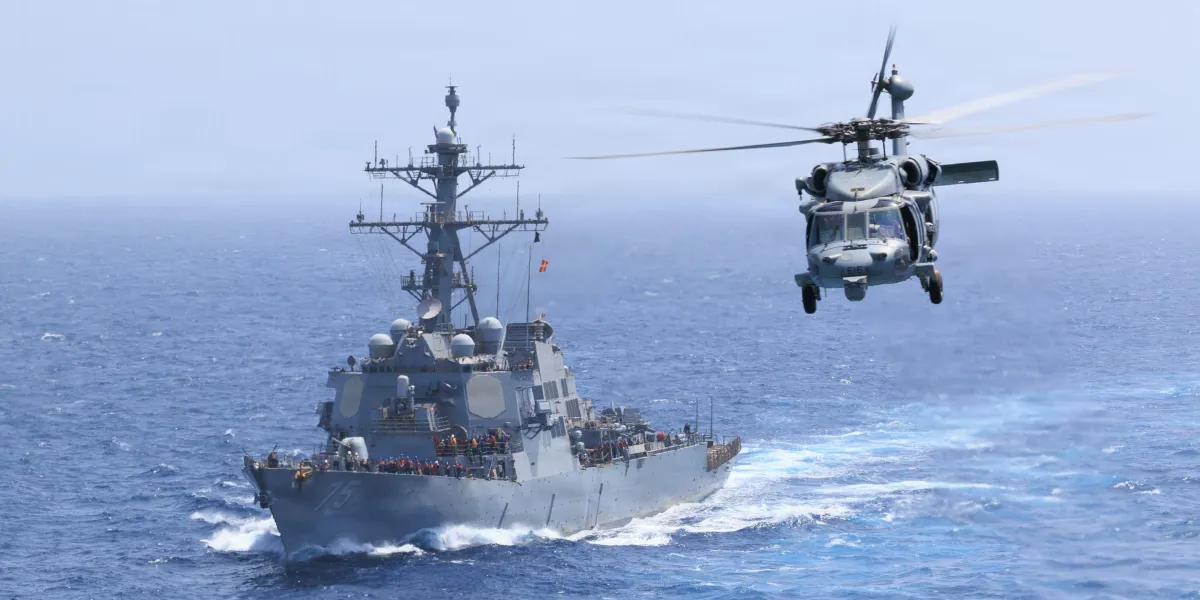
President Masoud Pezeshkian, who is among the pragmatists, approached Khamenei and told him economic conditions were dire, the U.S. naval blockade was crippling, and that he would resign if the deal wasn’t approved, senior Iranian officials told the New York Times.
At the same time, the head of Iran’s central bank sent a letter to Khamenei warning the country faced a severe budget crisis, was unable to sell oil via alternative trade routes at necessary volumes, and would run out of critical food and medical supplies by late August if the blockade wasn’t lifted, the report added.
The bleak assessments conveyed by the president and central bank helped convince Khamenei to give his blessing for the MOU, even though he said he opposed it “on principle,” sources told the Times.