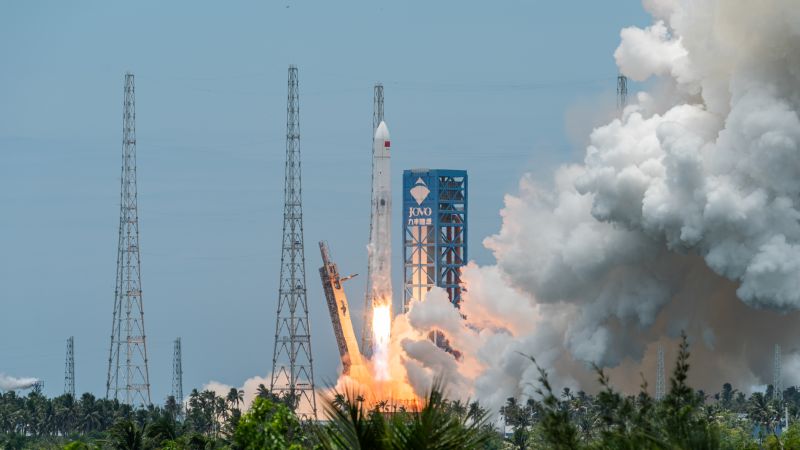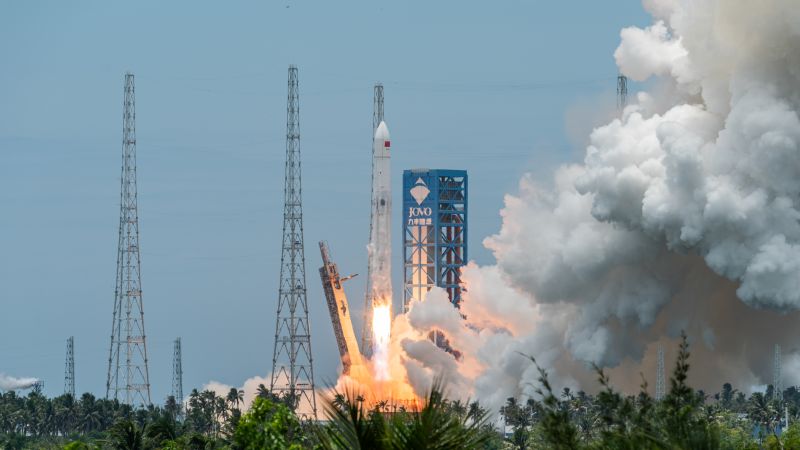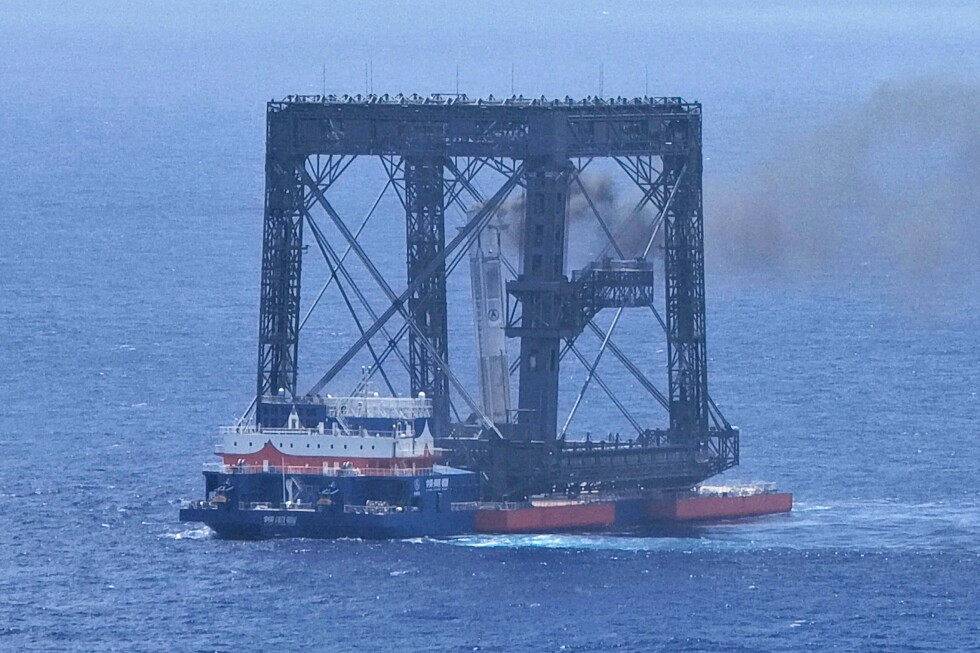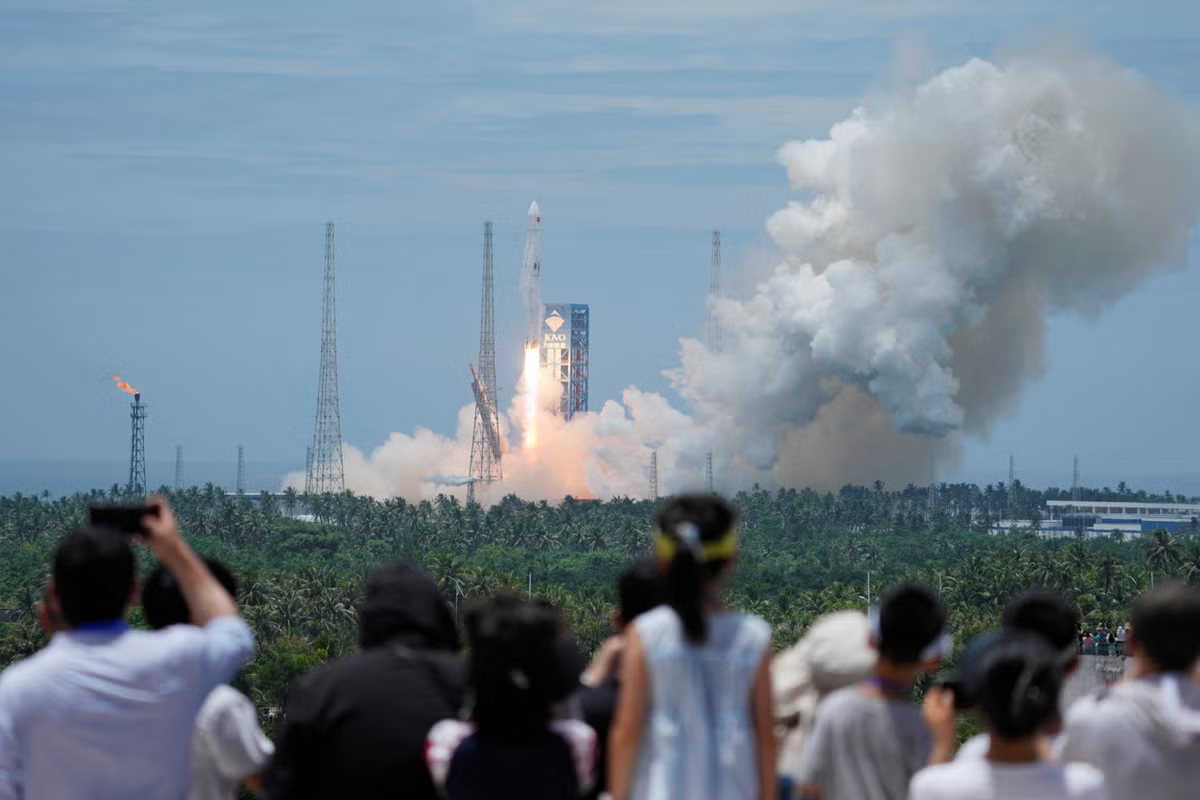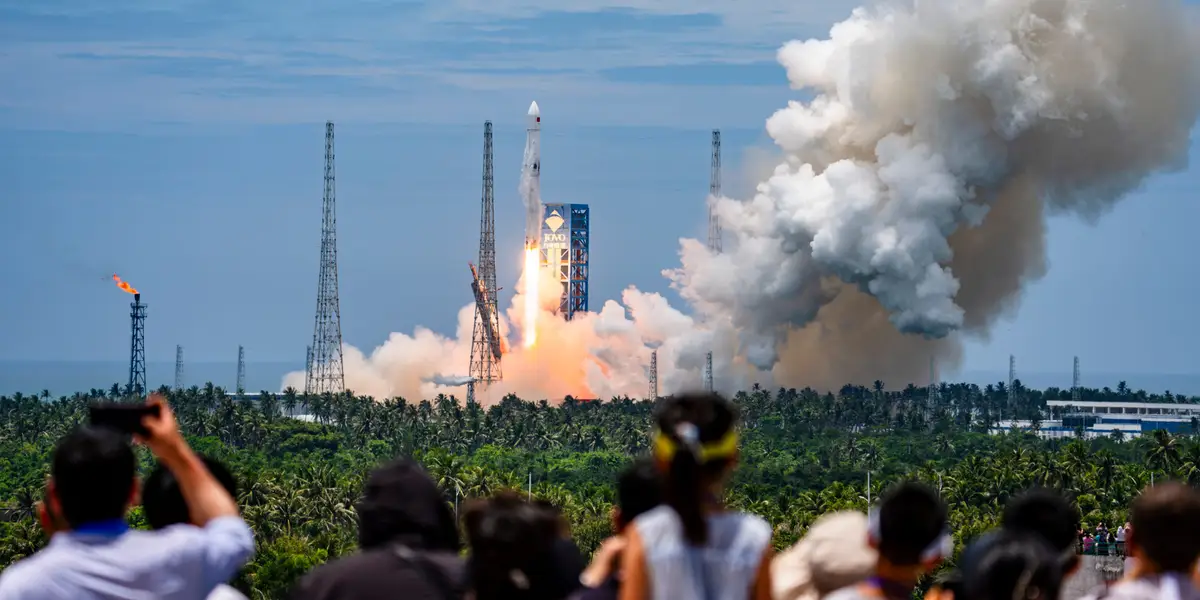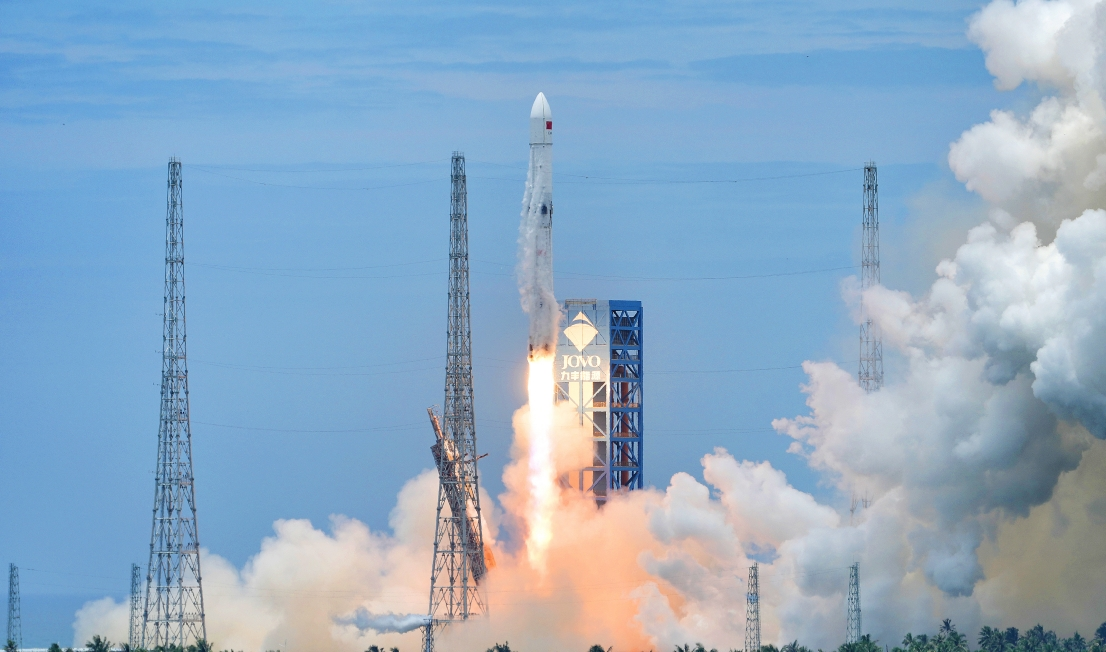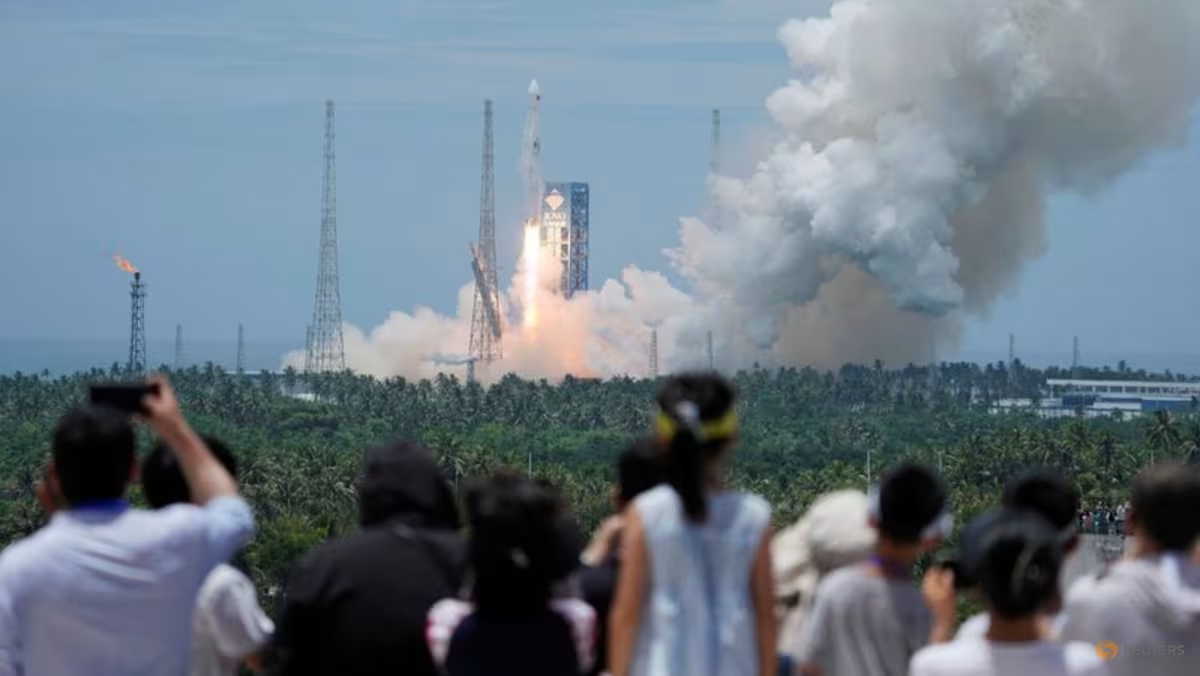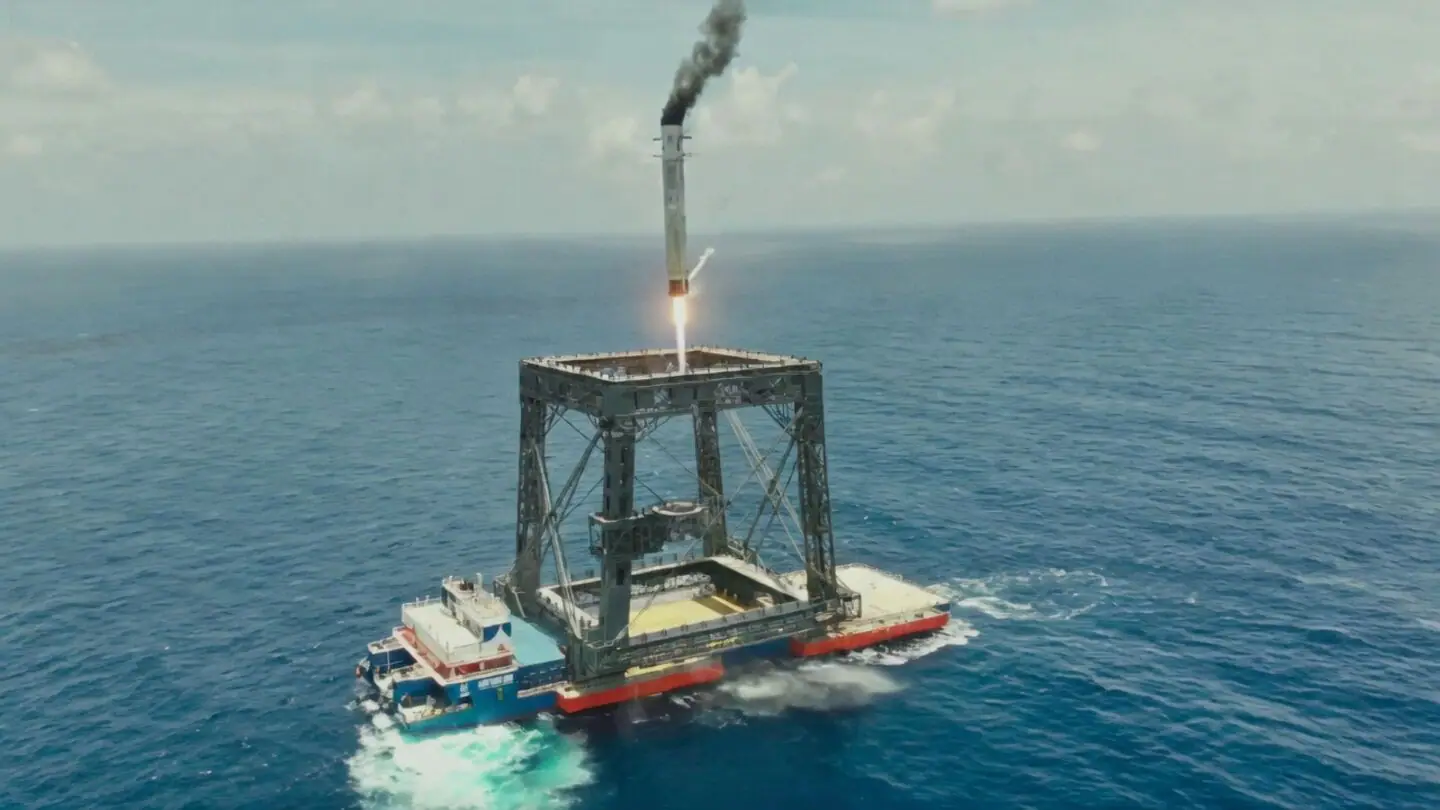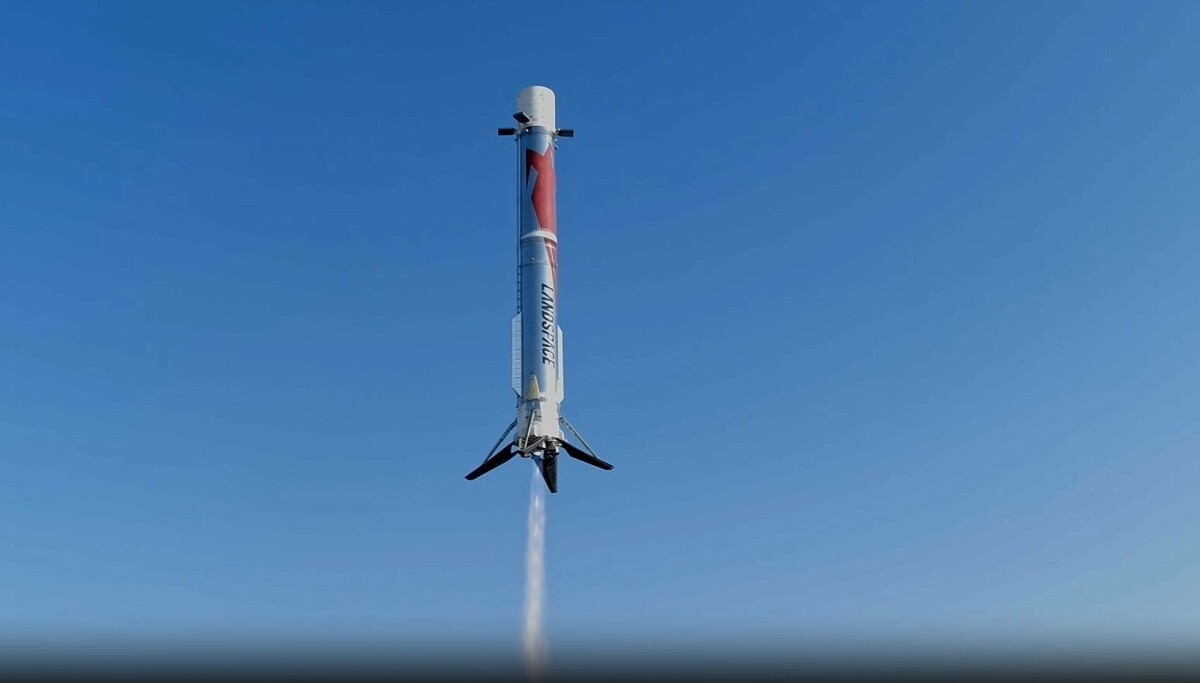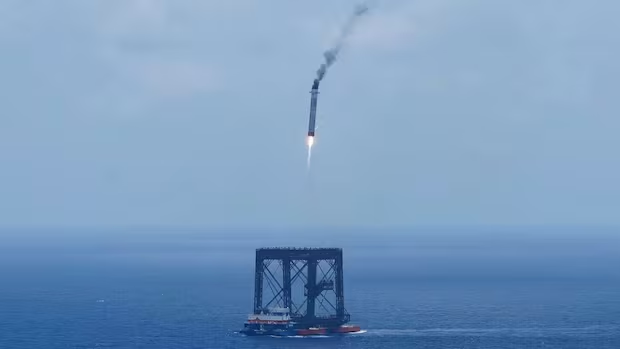
ScienceChina successfully landed the first stage of a rocket after a launch on Friday in a breakthrough for the country's space program, state media said.Only 3 other companies, beginning with SpaceX, have reached this milestoneThe Associated Press · Posted: Jul 10, 2026 12:06 PM EDT | Last Updated: 1 hour agoListen to this articleEstimated 3 minutesThe audio version of this article is generated by AI-based technology. Mispronunciations can occur. We are working with our partners to continually review and improve the results.A drone photo shows the landing of the returned first stage of Long March-10B carrier rocket on a seaborne platform via a net-capture system near Wenchang in southern China's Hainan province on Friday. (Xing Guangli/Xinhua via AP)China successfully landed the first stage of a rocket after a launch on Friday in a breakthrough for the country's space program, state media said.The first stage of a Long March-10B rocket separated from the second stage after liftoff and returned to a platform in the sea, the official Xinhua News Agency said.It was the first time China recovered the first stage of a rocket. SpaceX has been doing so for several years to drive down launch costs by reusing the booster that helps lift the satellites or whatever the rocket is carrying into space.Elon Musk's SpaceX and Jeff Bezos's Blue Origin have been recovering their rockets since 2015, saving vast amounts of money by recycling them rather than ditching them after liftoff. SpaceX leads the pack with more than 600 landings of its first-stage Falcon boosters, steering them to ocean barges as well as landing zones near the launch pads. Just this week, SpaceX launched a booster for the 36th time, a new record.For SpaceX's bigger and more powerful Starships making test flights out of Texas and soon to expand to Florida, the company is working to capture the returning rockets with giant mechanical arms at the launch pad.WATCH | Starship booster caught intact:SpaceX catches Starship rocket booster intactOctober 13, 2024|Duration 2:07SpaceX astounded engineers, scientists and space enthusiasts by returning its heaviest rocket booster back to its launch pad intact. Beyond the technical marvel of the Starship rocket, reusability is expected to dramatically cut back on mission costs.Blue Origin started out by landing its New Shepard boosters in Texas following short flights to the edge of space, and has since recovered its bigger New Glenn boosters on a floating platform off the Florida coast.Now that China has joined the rocket recycling boom, Japan is up next with a launch and landing attempt this weekend.The Long March rocket was launched from China's Hainan Island, a popular beach destination off the country's southern coast.The rocket's reusable configuration can launch a payload of up to 16,000 kilograms into low Earth (LEO) orbit, Xinhua said.The maximum payload of the SpaceX Falcon 9 is 22,800 kilograms. The Falcon rockets transport astronauts and supplies to the International Space Station. However, its Falcon Heavy can launch up to 63,800 kilograms to LEO.Meanwhile, Blue Origin's New Glenn can launch up to 45,000 kilograms.Rocket Lab USA, a small launch company, successfully captured its first stage rocket in 2022 with a helicopter, before dropping it in the ocean.—with files from CBC News
China successfully lands the first stage of a rocket in reusability demonstration | CBC News
China successfully landed the first stage of a rocket after a launch on Friday in a breakthrough for the country's space program, state media said.
530 words~2 min read