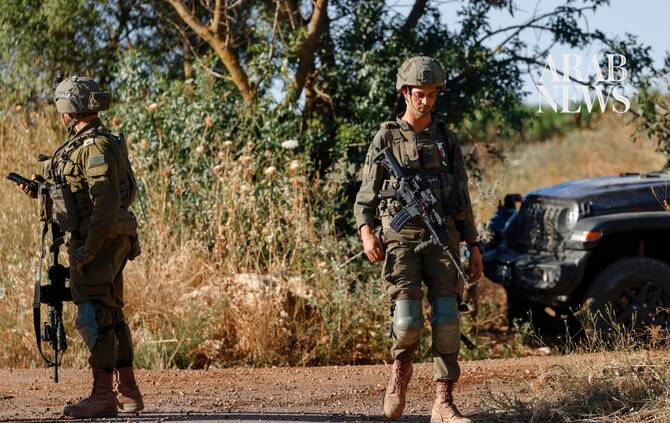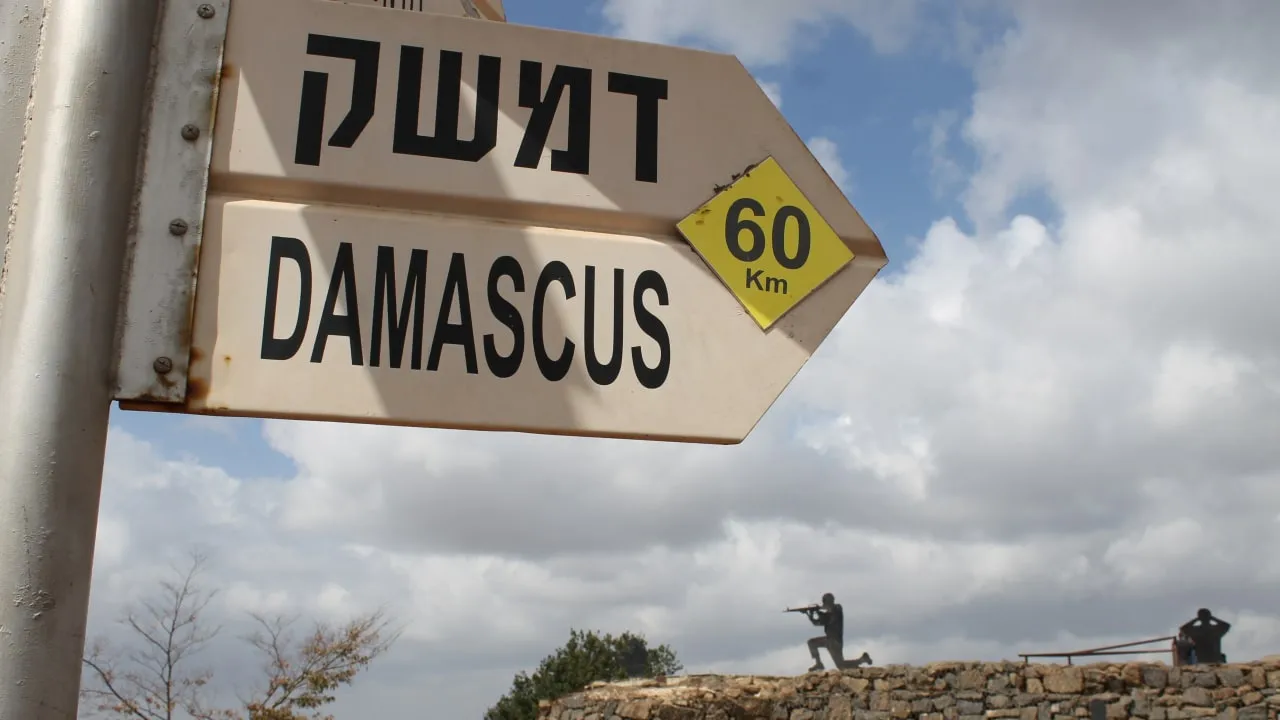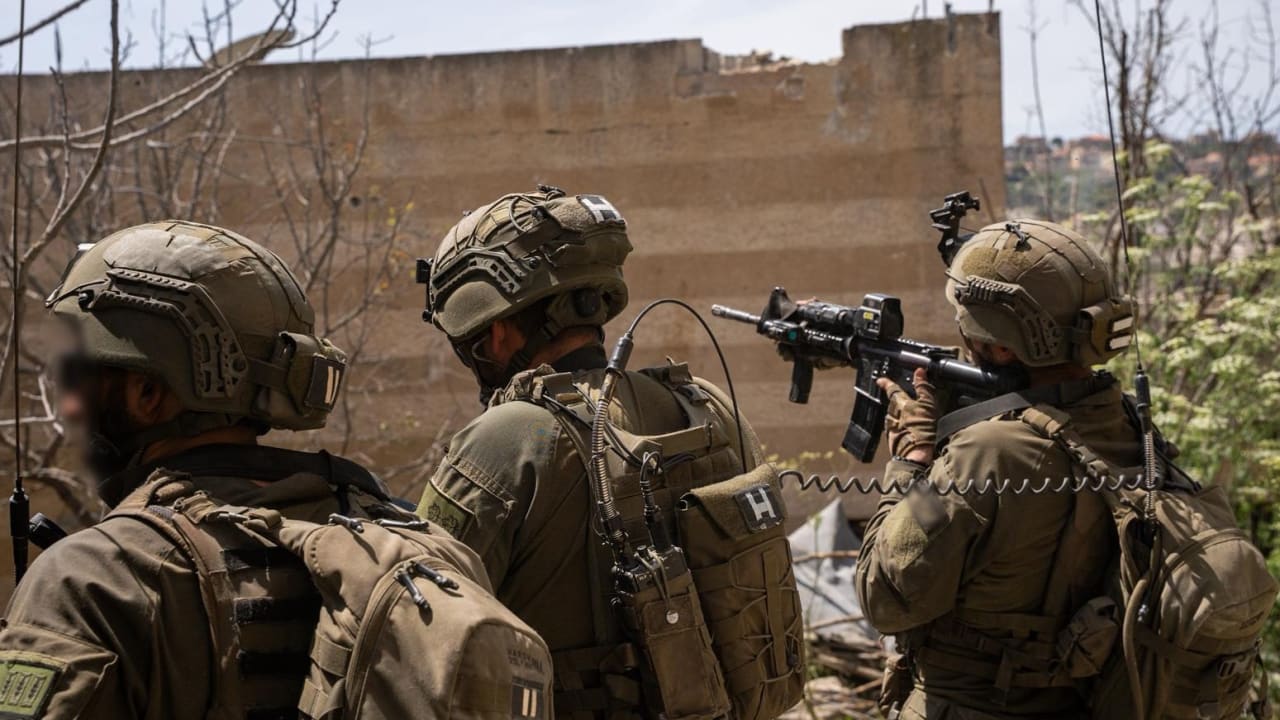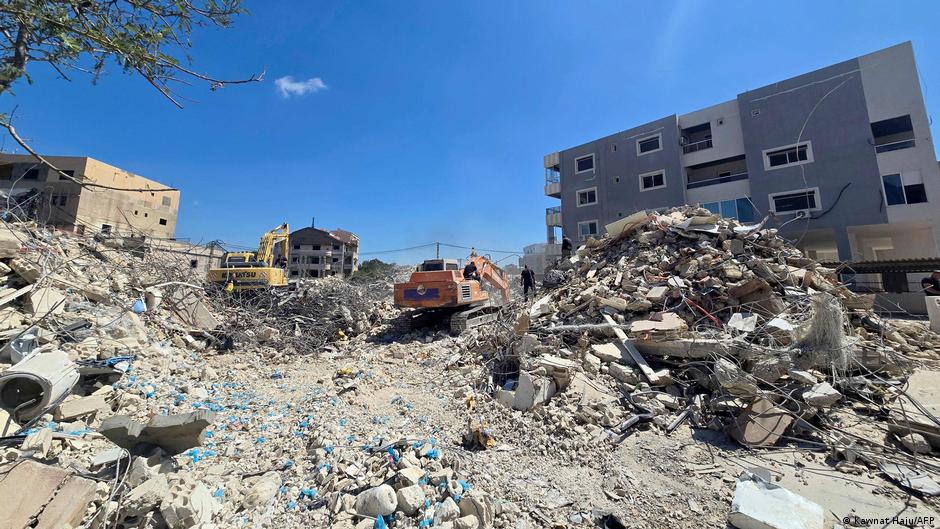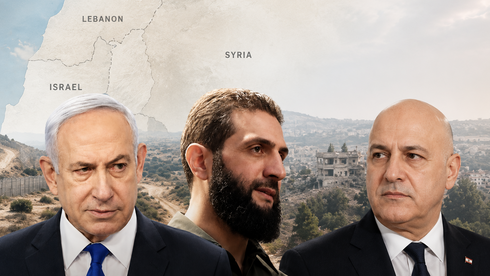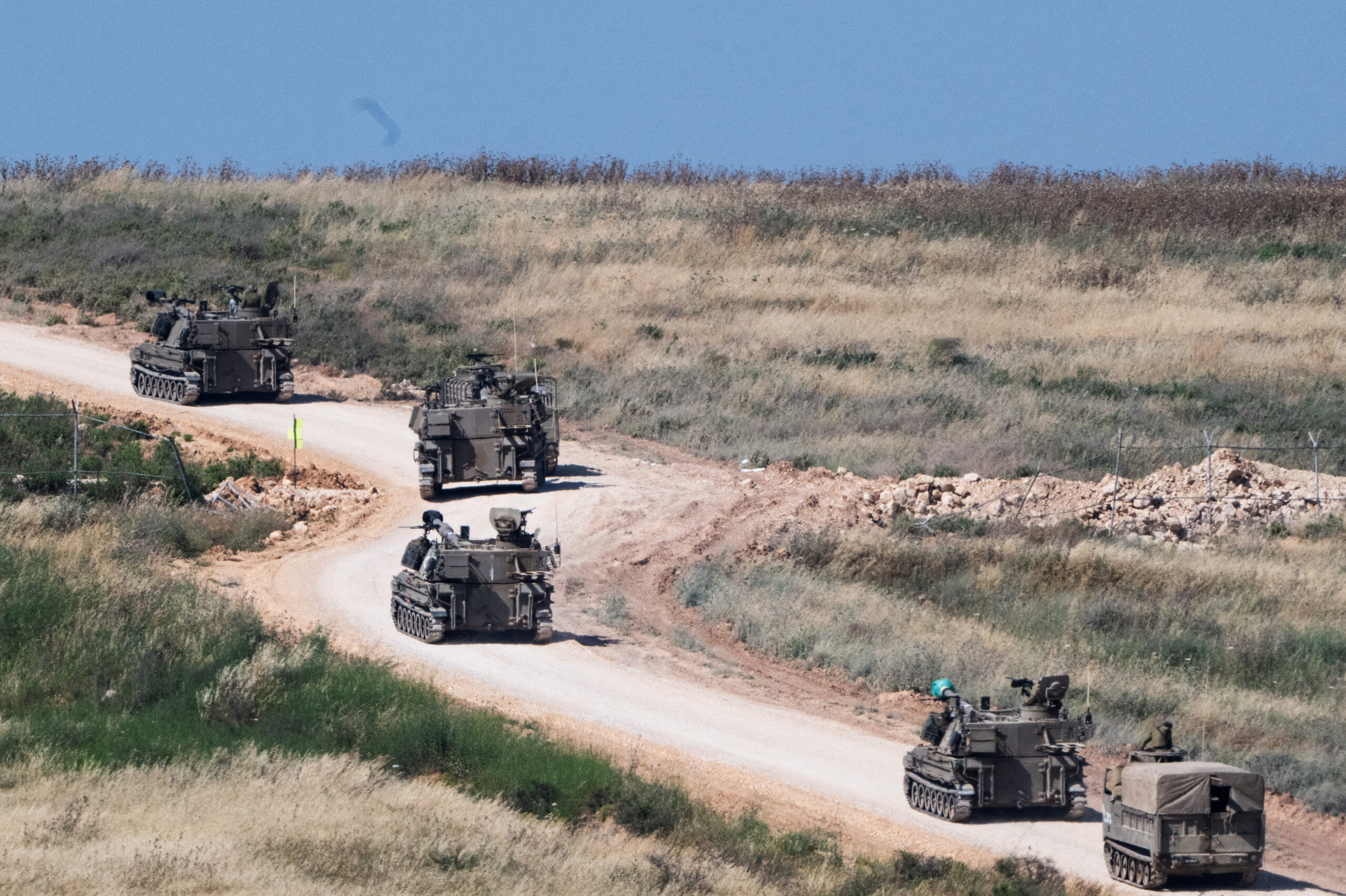
JERUSALEM—With the war against Iran ending, if not fully ended, and after years of intense conflicts against Iran’s allies Hamas and Hezbollah, Israel’s approach to its security is undergoing a significant transformation. What began as an emergency military response after the attacks on October 7, 2023, has increasingly hardened into a doctrine of forward defense: pushing the line of control outward, emptying or severely restricting the areas beyond Israel’s formal borders, and then treating those spaces as necessary security buffers. The logic is simple but far-reaching. Israel no longer appears willing to rely on international forces, ceasefire agreements, or neighboring governments to keep hostile actors away from its frontier communities. Instead, it seeks physical depth, direct operational freedom, and the ability to shape the terrain on the other side of the border before threats can be reconstituted.
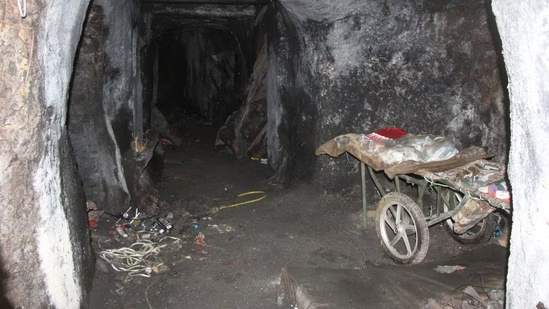
Behind the buffer-zone idea are three related conclusions. First, Israel believes that deterrence alone is no longer sufficient when non-state armed groups can embed near the border, dig tunnels, accumulate rockets, drones, and anti-tank capabilities, and launch surprise attacks at short range. Second, it assumes that weak or fragmented neighboring states cannot be trusted to police these zones effectively, even when they formally accept ceasefire obligations. Third, it concludes that ambiguity works in Israel’s favor: a line presented as temporary, tactical, or security-driven can gradually become a new political fact if it is marked, fortified, patrolled, and normalized over time.