Flashpoints | Diplomacy
Israel’s reliance on longstanding partnerships with the United States and a handful of European countries is no longer sufficient. But can it build durable relationships in Asia?
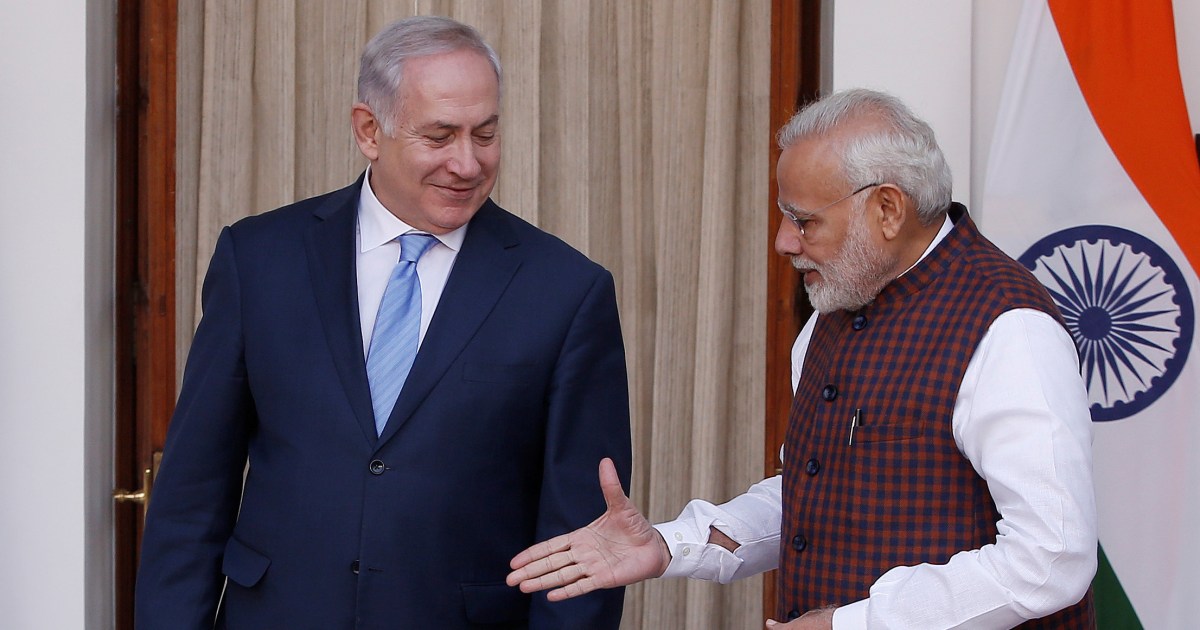
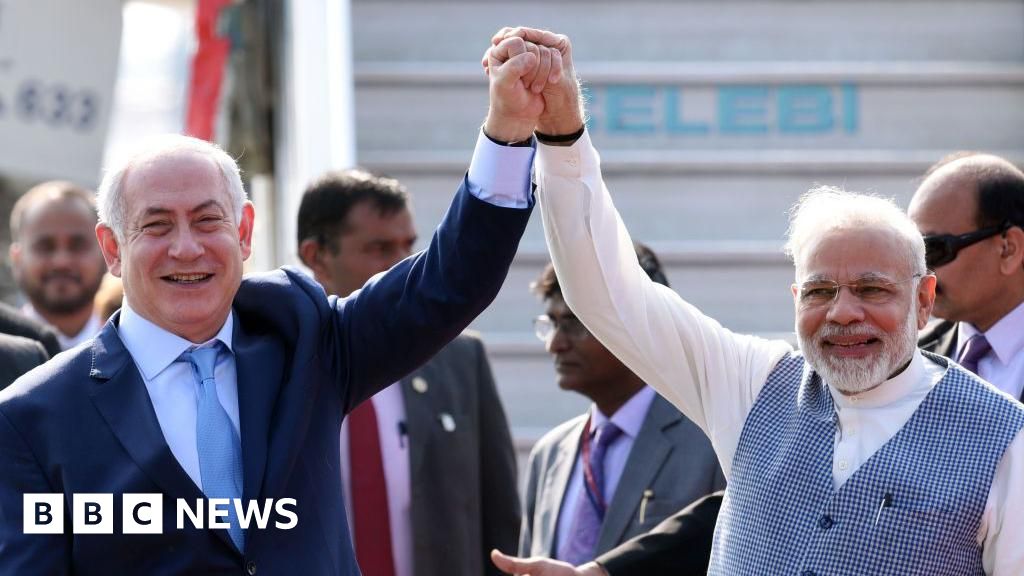
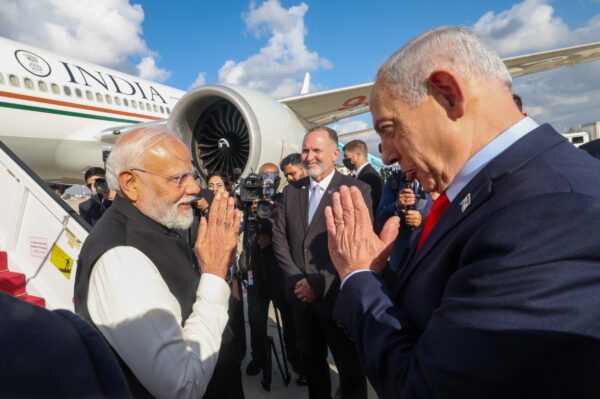
Israeli Prime Minister Benjamin Netanyahu greets Indian Prime Minister Narendra Modi on his arrival at Ben Gurion Airport in Israel, Feb. 26, 2026.
During a recent visit to Israel as part of an Indian delegation, I observed a convergence of thinking among Israeli stakeholders – diplomats, think-tank analysts, university academics, and officials in the security establishment – on how Israel should reorient its foreign policy amid the regional upheaval that followed the Hamas attacks of October 7, 2023. Regional dynamics – most recently, the Israel-U.S. conflict with Iran – have prompted Israel to diversify toward Asia, prioritizing cooperation in technology, defense, and civil innovation and moving beyond transactional dealings toward long-term, win-win collaborations.
Israel increasingly recognizes that reliance on longstanding partnerships with the United States and a handful of European countries is no longer sufficient. In the wake of the Gaza war of 2023 and the humanitarian catastrophe that followed, several long-time partners have grown sharply critical of Israel’s policies toward Gaza and the broader Palestinian question. For instance, the United Kingdom and France formally recognized a Palestinian state; Belgium offered conditional recognition; Italy decided not to renew its defense agreement with Israel; and Spain suspended arms sales. These developments show that some major European countries are increasingly conditioning cooperation with Israel on human rights concerns.