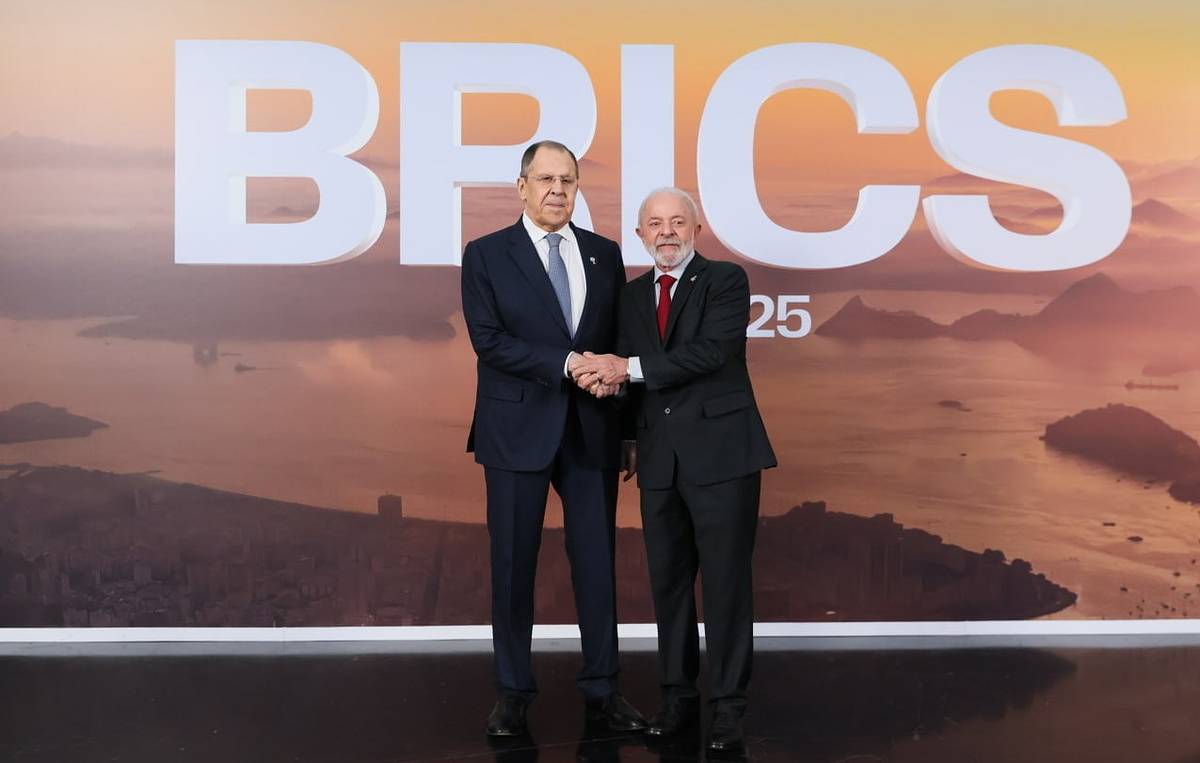
MOSCOW, July 10. /TASS/. After a string of global crises, BRICS is evolving into a unique platform where the key factors of global economic development converge, Marat Zembatov, Director of the Center of Interdisciplinary Research at the Institute for Public Administration and Governance at Russia’s Higher School of Economics, stated in an interview with the TASS Analytical Center.
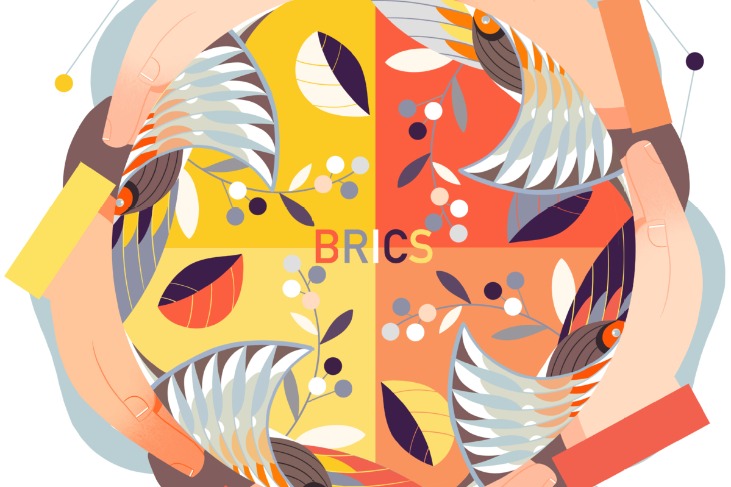
The expert stressed that the world must be based on multipolarity, and BRICS is the vehicle that can take it there.
At the same time, Zembatov believes that BRICS should function "not as a closed club and not as an ideological alternative to the world of previous global connectivity," but rather as "a unique platform where scale and resource base, industrial potential and political representation of the most promising of the world's growing sectors, the Global East and the Global South, intersect." He noted that BRICS's share of global GDP at purchasing power parity approached 40% in 2024, compared to just under 30% for the G7 countries.
Zembatov described the crisis around the Strait of Hormuz, which brought a series of financial, pandemic, and local military crises, as "the latest chord in the geo-economic symphony of severed traditional ties, demonstrating the vulnerability of the global market." Modeling a complete short-term shutdown of Hormuz, according to calculations by specialists at the Center for Interdisciplinary Research, predicts a global oil price increase of approximately 12%, energy prices by 5.4%, and food prices by 2.75%. Furthermore, the current crisis in the Persian Gulf "carries risks of famine due to a physical shortage of fertilizers, a collapse in the currency balances of exporting countries in the region due to lost revenues, and political instability among importers because of rising gasoline and food prices."