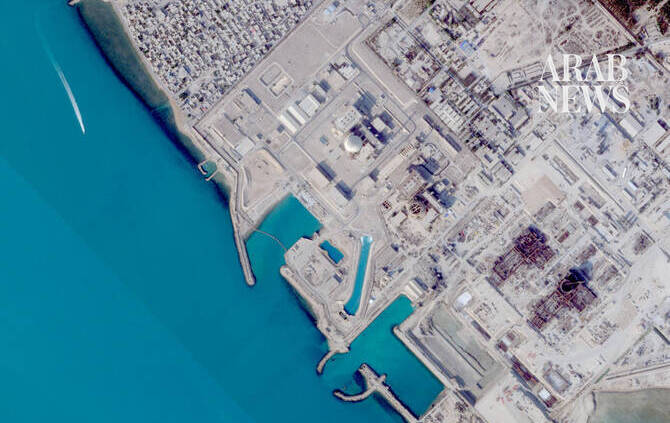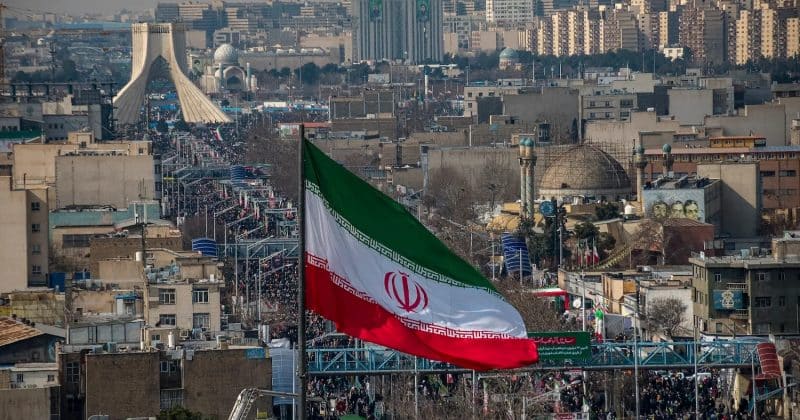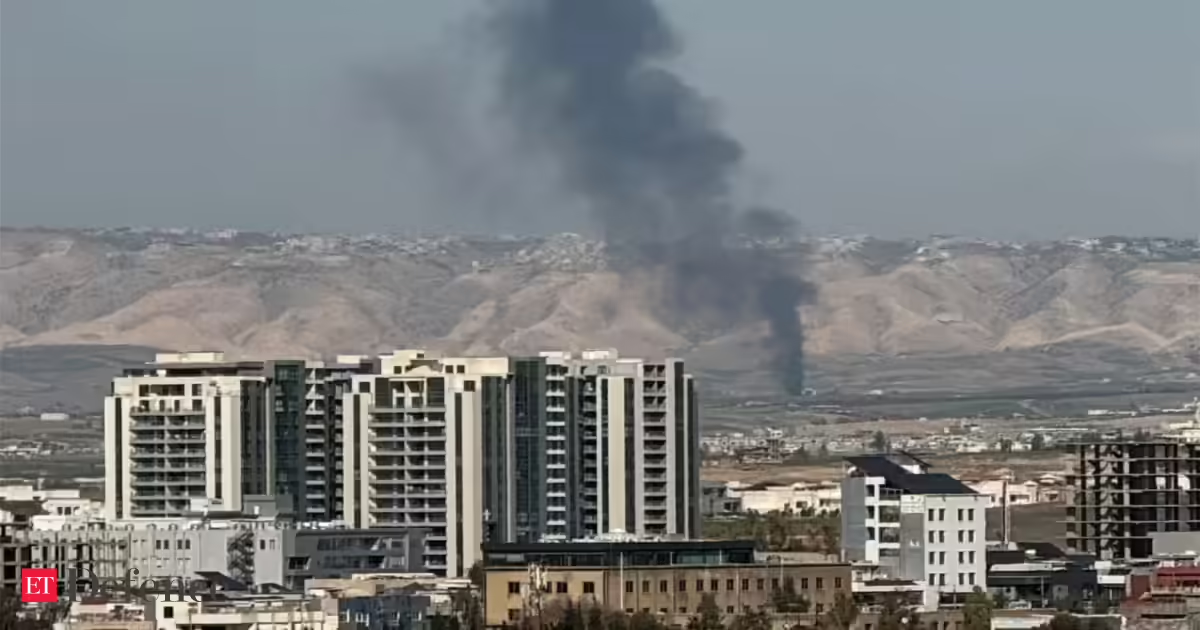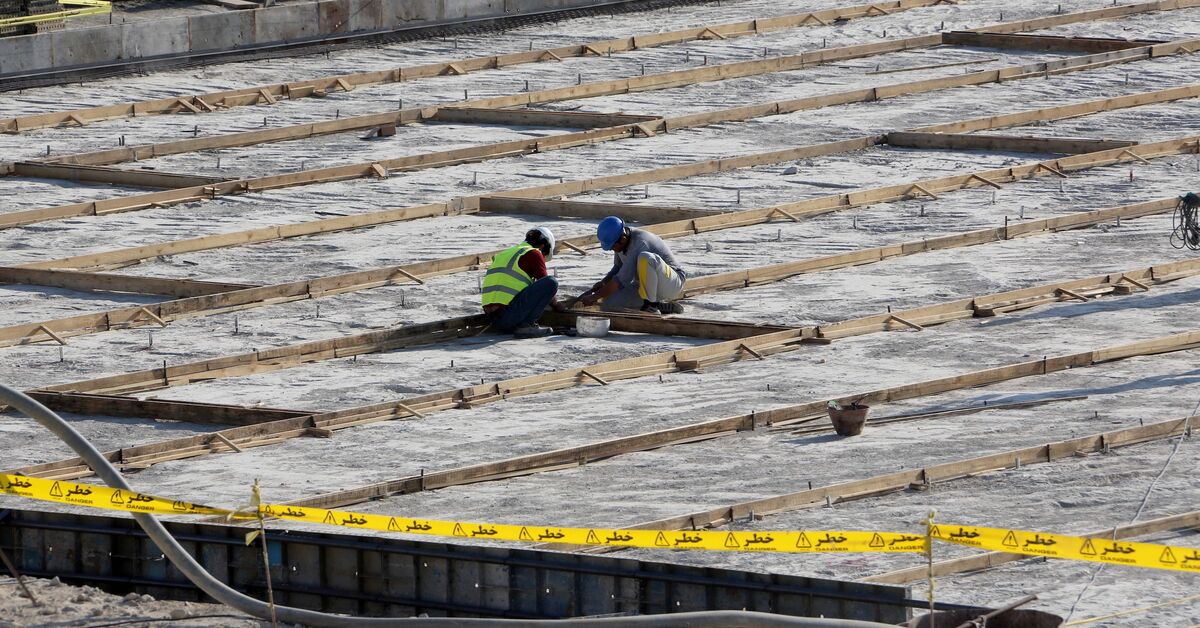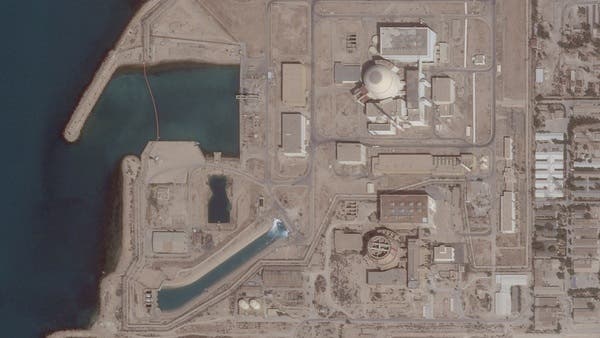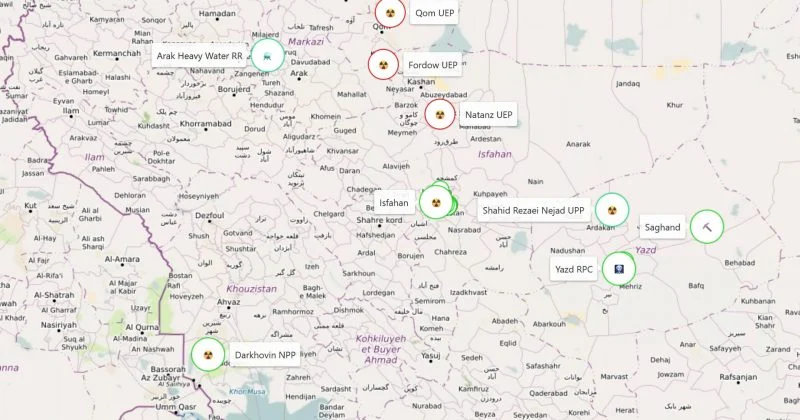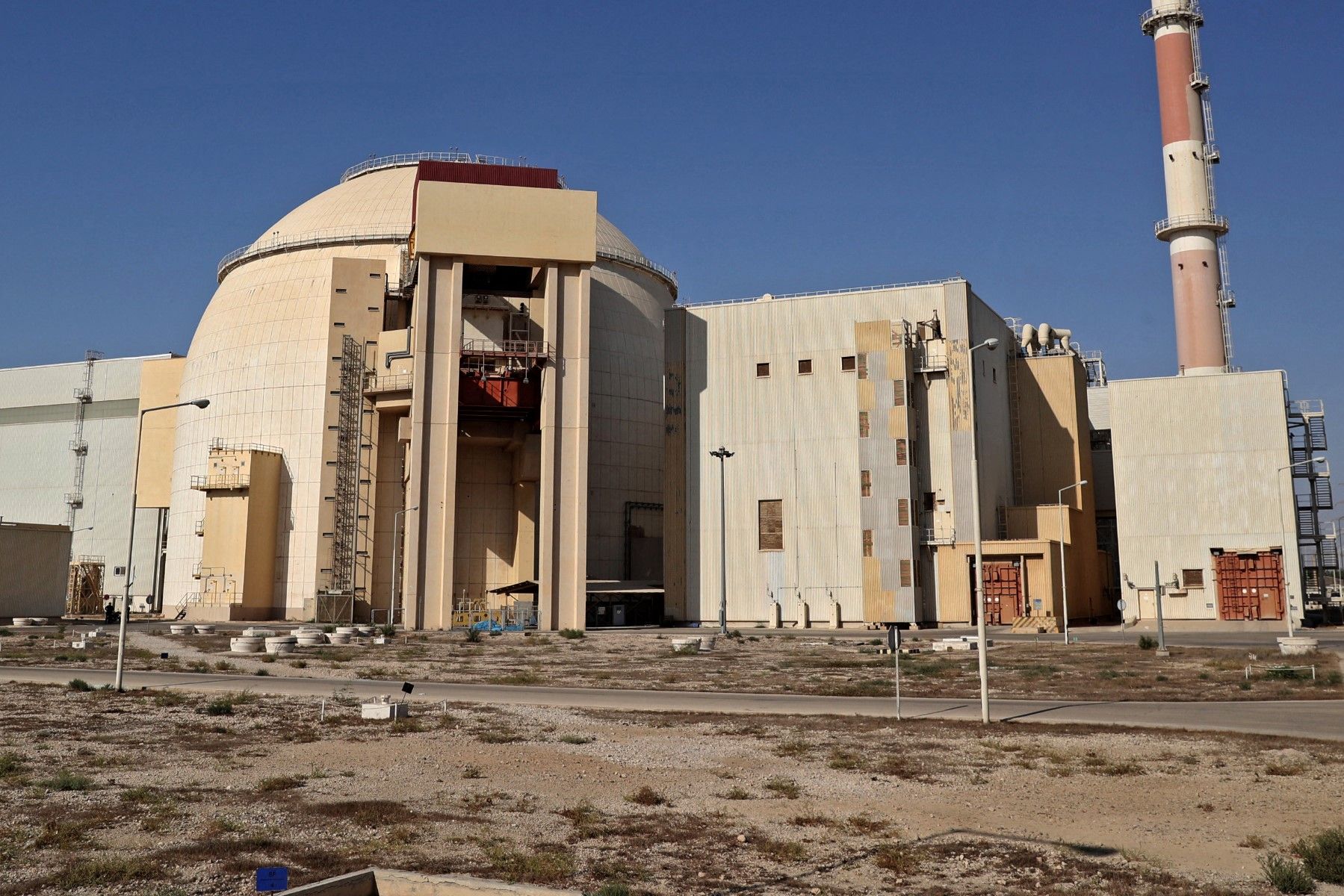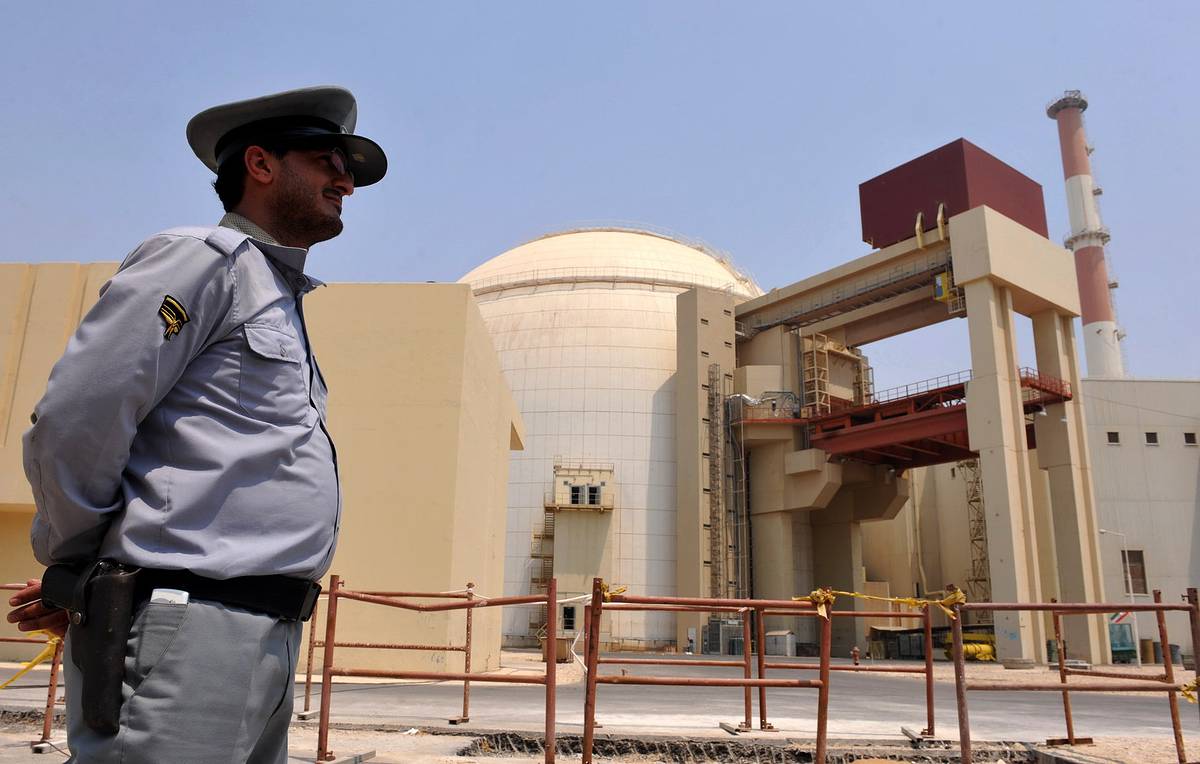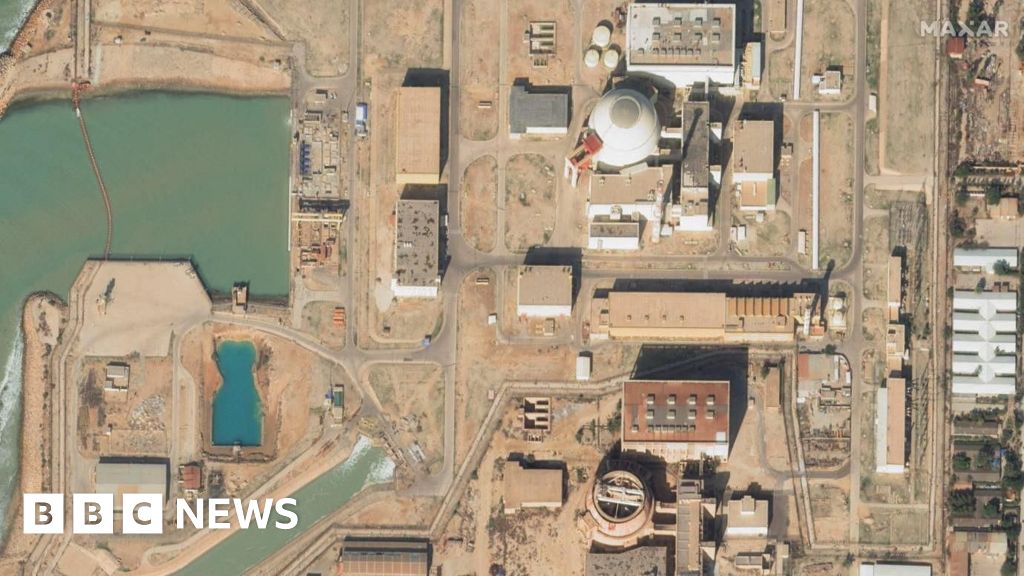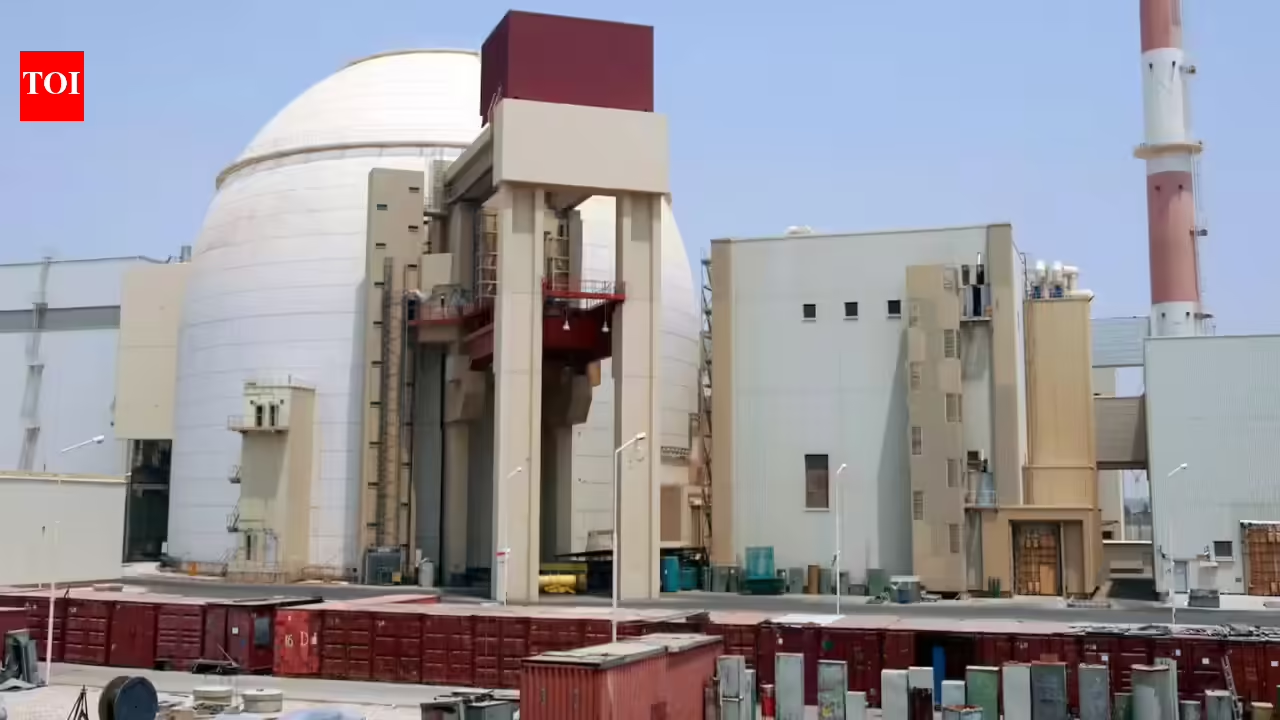
Staff return to Iran's Bushehr plantThe first six employees of Iran's Bushehr Nuclear Power Plant have begun returning to the facility, according to Russia's state news agency RIA, citing the head of Rosatom. The International Atomic Energy Agency (IAEA) said it is closely monitoring the situation at the plant and urged all parties to exercise restraint, according to Interfax citing IAEA Director General Rafael Grossi.The development comes after several explosions were reported in southern Iran on Thursday, including in Bushehr, as cited by The Jerusalem Post. Nuclear experts and regional authorities have long warned that any attack on the Bushehr nuclear power plant could have devastating consequences, not only for Iran but also for neighbouring countries.The Russia-built Bushehr Nuclear Power Plant is located in the coastal city of Bushehr, home to around 250,000 people. Construction of the facility began in 1975 with German companies but was completed in 2011 by Russia's state atomic energy corporation. Hundreds of Russian personnel remain stationed at the plant, although some were evacuated following recent strikes, as cited by Al Jazeera.Bushehr is the Middle East's first nuclear power plant and currently operates a single reactor. Its Unit 1 generates about 1,000 megawatts of electricity for Iran's national grid, while two additional reactor units are expected to become operational by 2029.The International Atomic Energy Agency (IAEA), the United Nations' nuclear watchdog, has for months cautioned against any attack on the Bushehr Nuclear Power Plant.During Israel's 12-day war with Iran last year, Grossi told the UN Security Council that an Israeli strike on the facility could trigger a regional catastrophe.Grossi warned that a direct hit on the plant, which contains tonnes of nuclear material, could "result in a very high release of radioactivity", with "great consequences" extending beyond Iran's borders. He called on all parties to exercise "maximum restraint".He also warned that an attack on the power lines supplying electricity to the plant, which are critical to its cooling system, could lead to a reactor meltdown and a radioactive leak. In such a scenario, evacuation orders would have to be issued within several hundred kilometres of the facility, including in areas beyond Iran's borders.There are also concerns that any damage to the Bushehr Nuclear Power Plant could contaminate the waters of the Gulf. Studies suggest that radioactive contamination could severely impact marine life, while the Gulf's shallow waters may allow the effects to persist for an extended period. It could also disrupt drinking water supplies across the region.US President Donald Trump said earlier this year that recovering uranium from Iran would be a "long and difficult process" following last year's US strikes on Tehran's nuclear facilities.In a post on Truth Social, Trump claimed that "Operation Midnight Hammer was a complete and total obliteration of the Nuclear Dust sites in Iran." He added, "Therefore, digging it out will be a long and difficult process."
No 'nuclear dust' for US? Iran begins restoring Bushehr nuclear plant operations after recent attacks
The first six employees of Iran's Bushehr Nuclear Power Plant have begun returning to the facility, according to Russia's state news agency RIA, citing the head of Rosatom.
476 words~2 min read