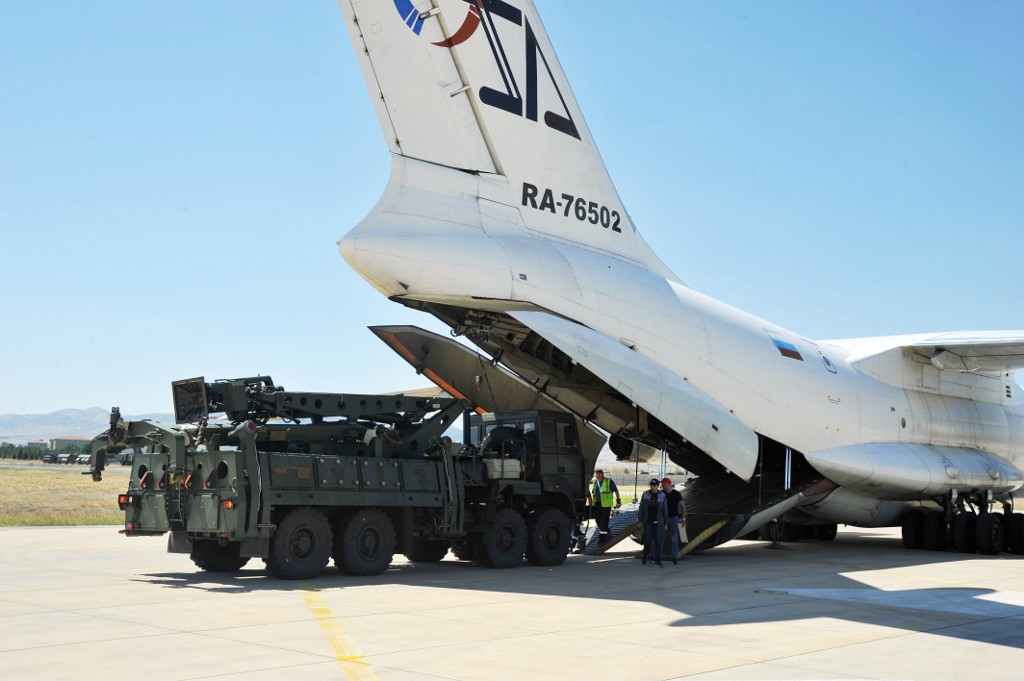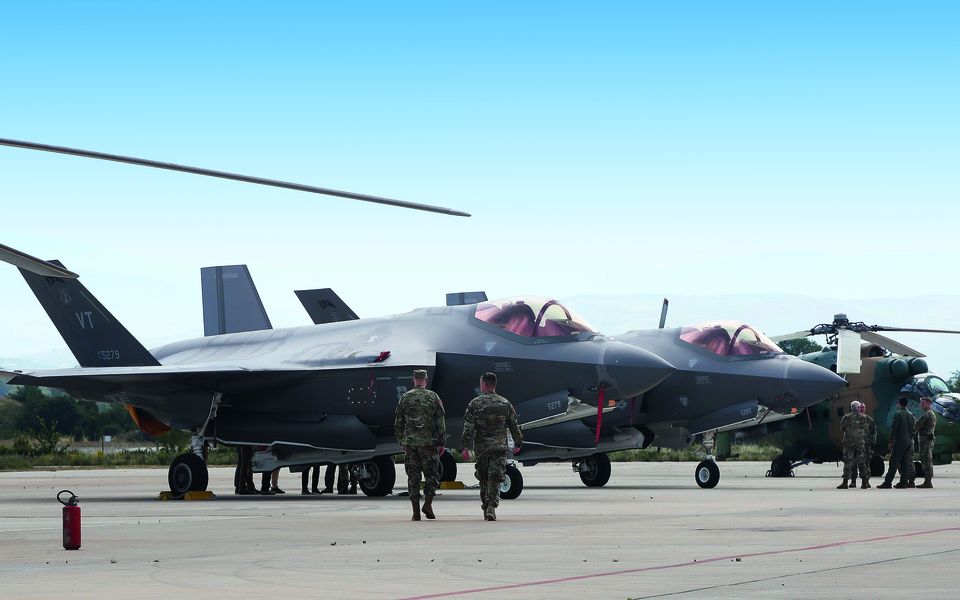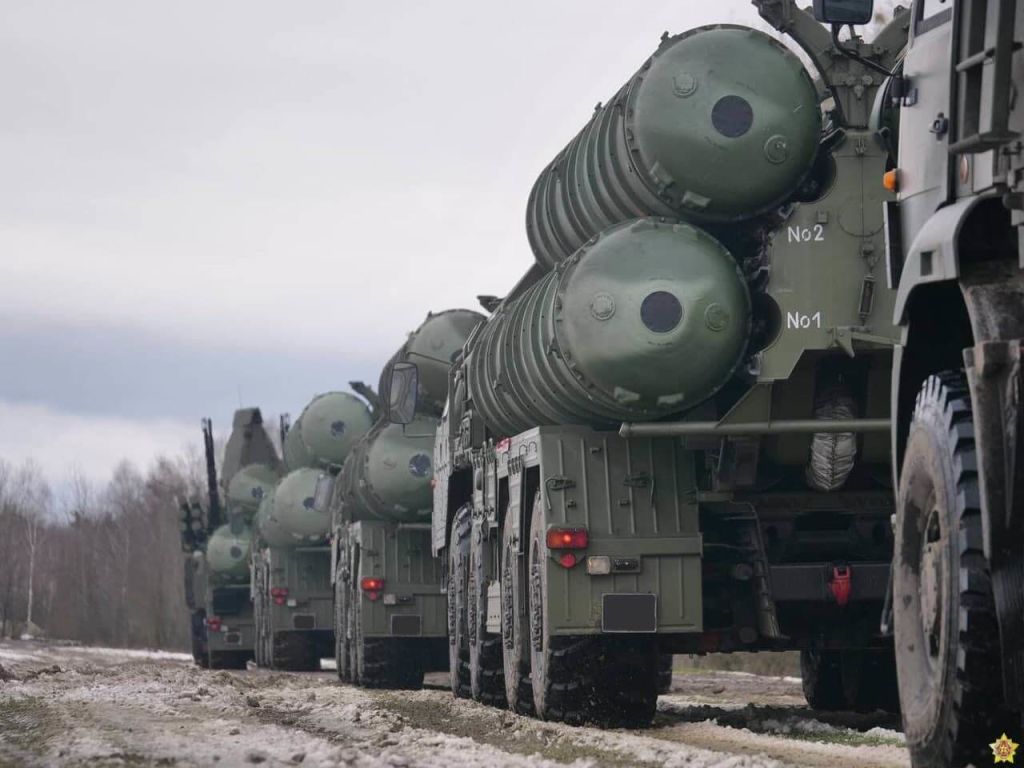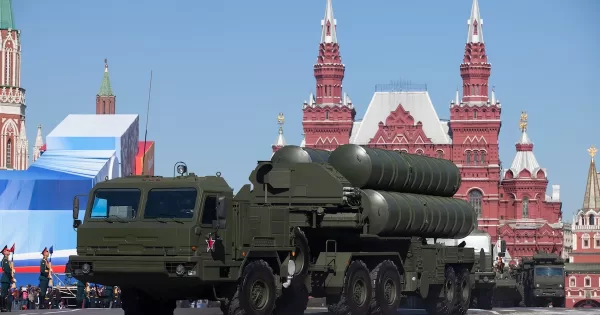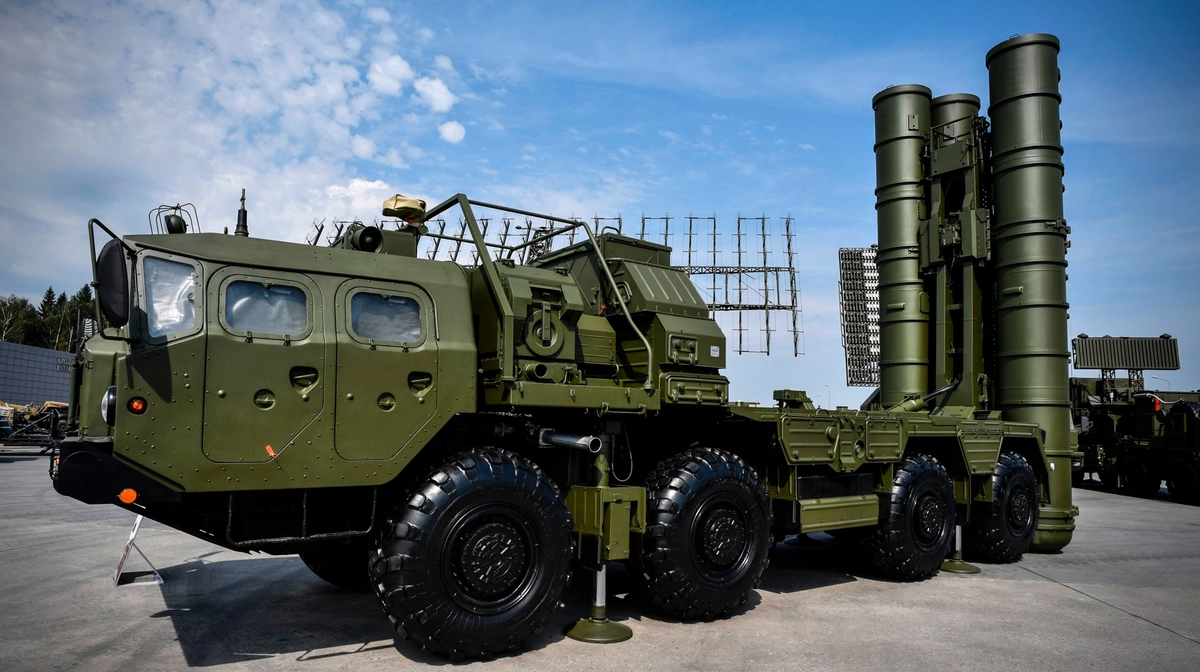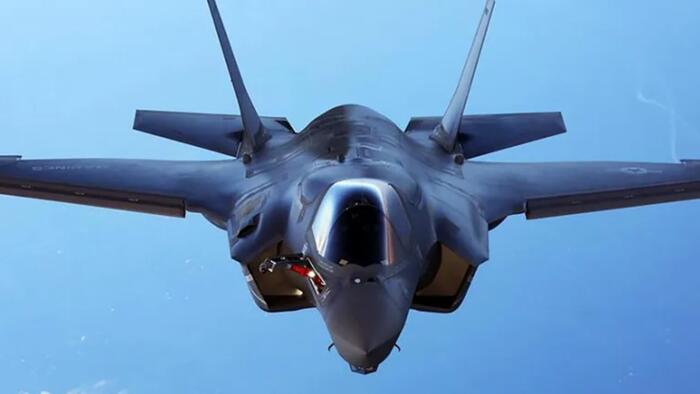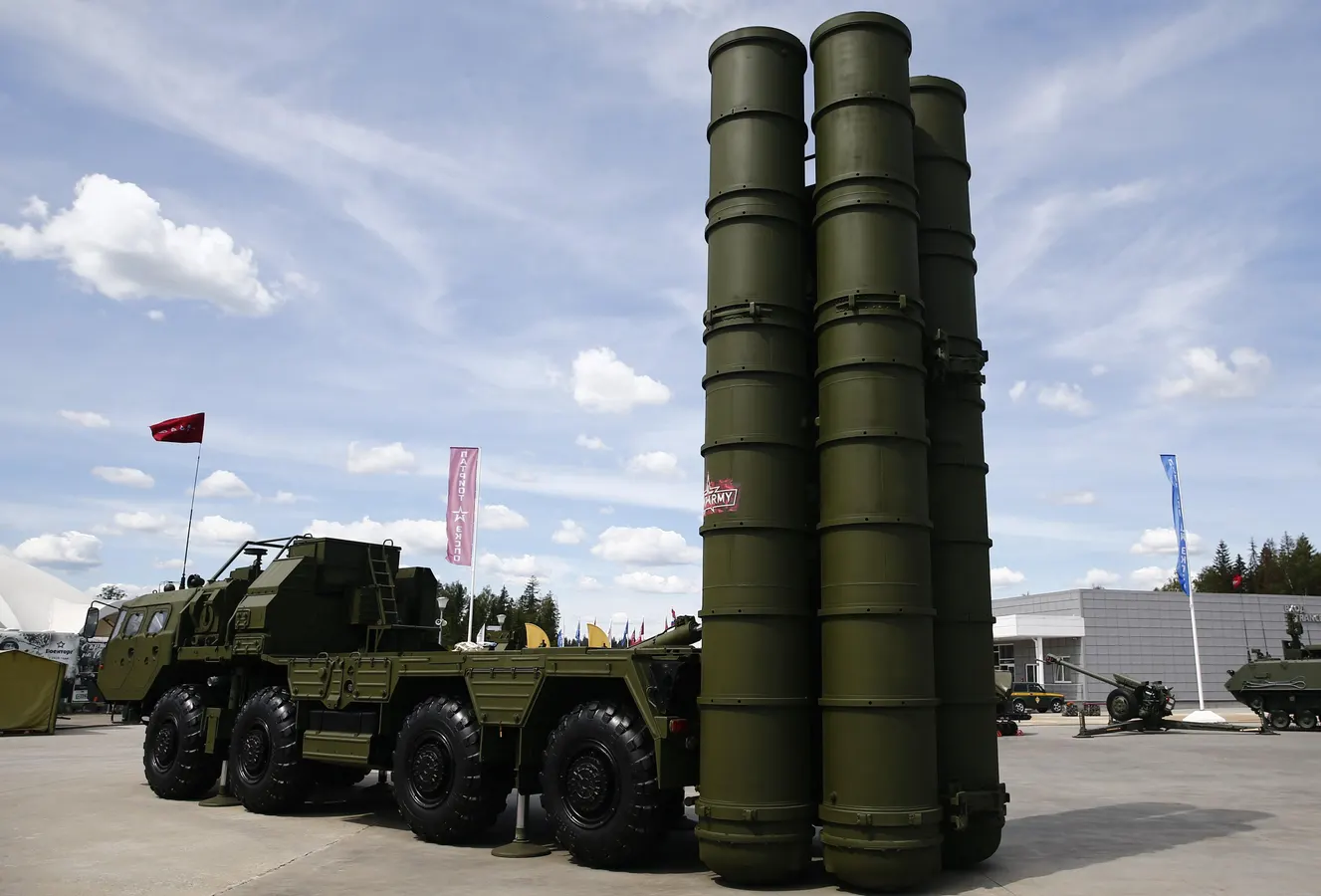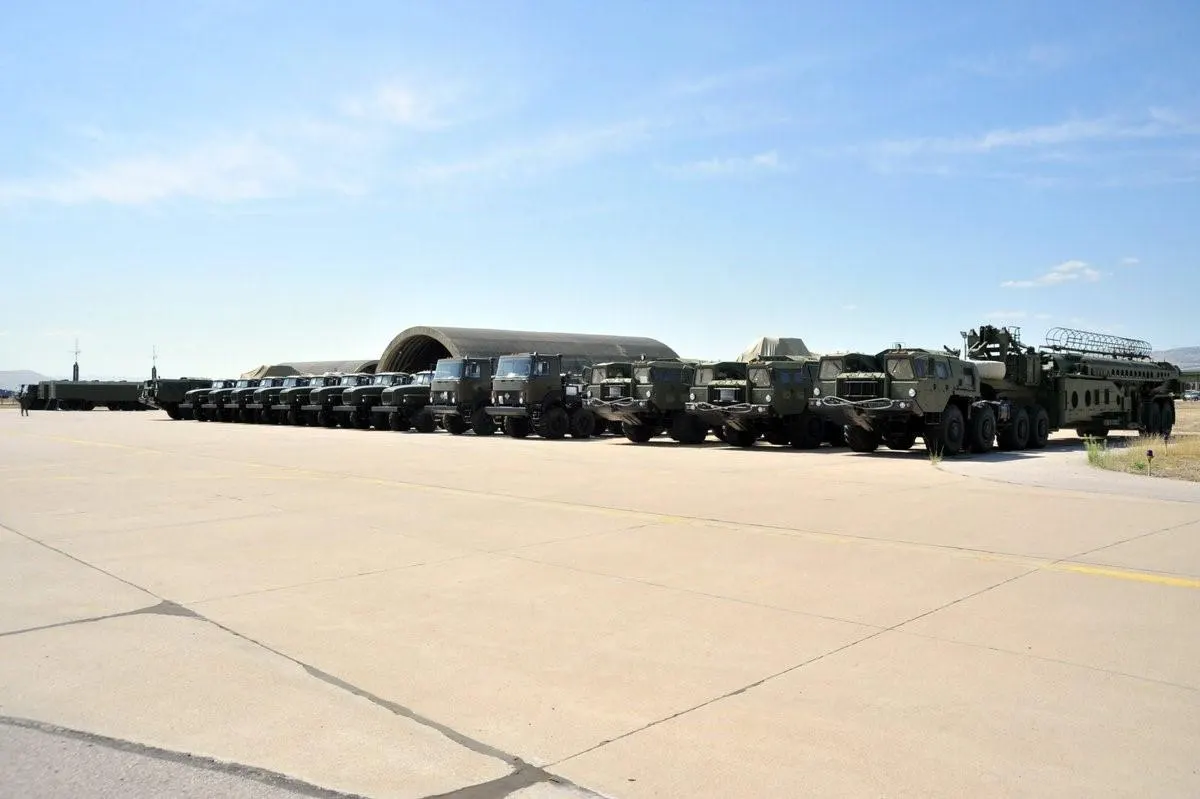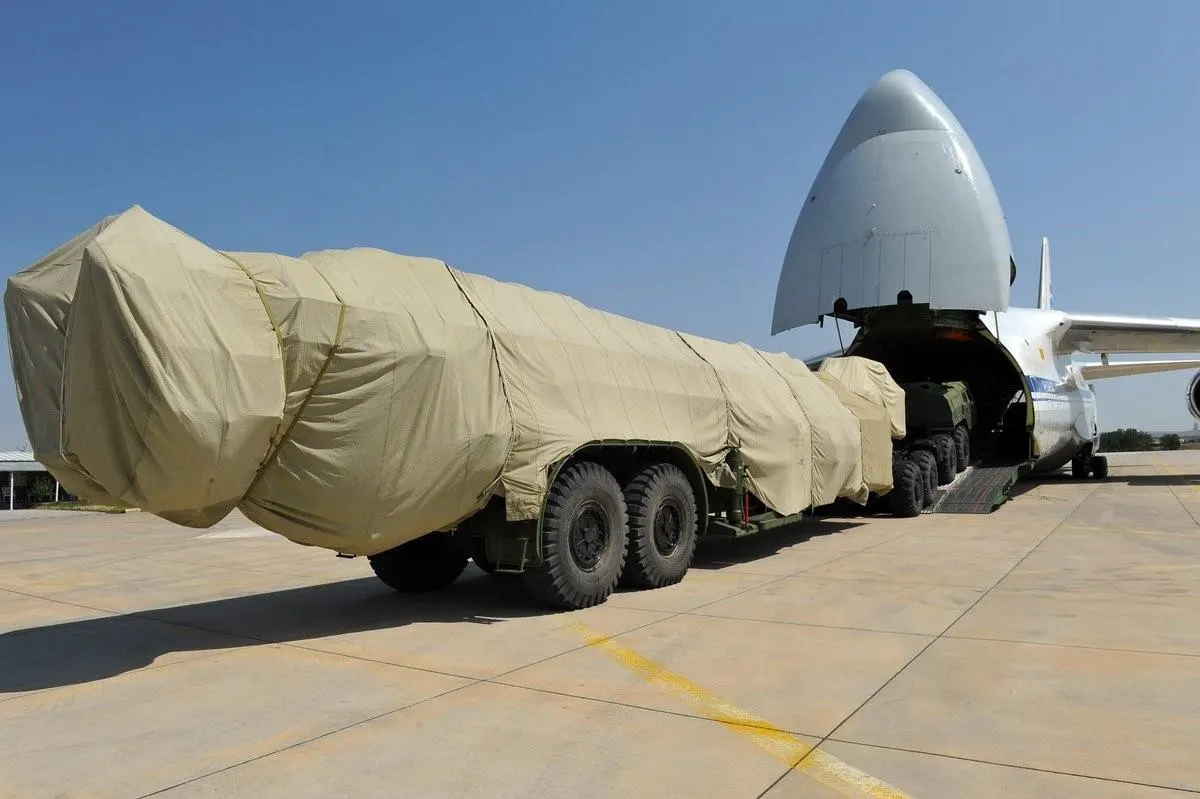
The final parts of the second battery of Russian S-400 missile defense system arrive at Murted Airbase in Ankara, Turkey on September 15, 2019. (Photo by TURKISH NATIONAL DEFENSE MINISTRY / HANDOUT/Anadolu Agency via Getty Images)Anadolu Agency via Getty ImagesIn the latest development in the seven-year-long Turkish S-400 saga, Ankara is reportedly negotiating the resale of its unused long-range strategic S-400 air defense missile systems to one of the Arab monarchies on the Persian Gulf. News of the negotiations follows President Donald Trump expressing his willingness to lift sanctions on Turkey imposed over that contentious acquisition and possibly readmit Turkey into the F-35 program. But which of the six Arab Gulf states that make up the Gulf Cooperation Council would actually be interested or even willing to purchase these Russian systems? Kremlin spokesperson Dmitry Peskov confirmed on Friday that Russia is presently engaged in talks with Turkey over the future of Turkish S-400s. The confirmation follows what Peskov called an “extremely sensitive issue,” namely a report by Turkey’s Hurriyet that Ankara might publicly declare that it’s reselling the S-400 systems it acquired in 2019 but never put into service to one of the Gulf states as soon as Friday. After calling the arrangement “extremely sensitive,” Peshmov added that Moscow has “been in contact with the Turkish side on this matter, and we will continue to maintain contact with them on this issue.” Any transfer of Turkish S-400s to a third country would require Russian authorization. The U.S. has long maintained that Ankara must remove these systems and all their components from Turkish territory before it would consider lifting sanctions under the Countering America’s Adversaries Through Sanctions Act imposed in late 2020 or allowing Turkey to rejoin the F-35 program and buy any of those stealth strike fighters. Ankara paid for six F-35As built before its ban from the program, which it hopes to finally receive after satisfactorily resolving the S-400 dispute, almost a decade later. Before 2019, it sought 100 F-35As; now it seeks a more modest 40, since it’s developing its domestic TF Kaan fighter and has placed a sizable order for 4.5-generation Eurofighter Typhoons from the United Kingdom.While Hurriyet didn’t specify which GCC country Turkey was negotiating a potential transfer with, a Wednesday report by the Turkish Oksijen outlet, citing sources close to Turkey’s Presidency, claimed that a transfer of these systems to the United Arab Emirates is on the agenda. Specifically, the Emiratis could bolster their world-class, multilayered, and diversified network of air defense systems by deploying ex-Turkish S-400s in Dubai. It’s worth remembering that the UAE sustained the heaviest Iranian bombardments during the regional war earlier this year and has endured attacks since the April 8 ceasefire. According to the Oksijen report, the Trump administration also favors selling Turkey the MIM-104 Patriot to replace the S-400s. Turkey has recently expressed interest in acquiring Patriots or Franco-Italian SAMP/T systems. During Trump’s first term, the U.S. offered Turkey Patriots if it canceled the S-400 delivery, but Ankara declined. The UAE previously ordered Pantsir-S1 systems from Russia in the 2000s, but these are better suited for providing point defense than the S-400s, which were designed as a strategic air defense system. Saudi Arabia more recently reportedly made a discreet acquisition of Pantsir-S1s beginning in 2021, most likely to provide a more cost-effective defense against drone attacks originating from the Houthis in Yemen at that time. Interestingly, Saudi Arabia and Qatar considered buying S-400s in the late 2010s but ultimately never did so. Like the UAE, Riyadh opted for the strategic American Terminal High Altitude Area Defense system instead. Qatar has Patriot systems but no THAADs. It has proven vulnerable to Iranian ballistic missile strikes. Furthermore, Israel targeted the Hamas political leadership in Doha with air-launched ballistic missiles on September 9, 2025. Qatar has close military ties with Turkey and even hosts a Turkish base on its territory, although it’s unclear if Doha has any interest in acquiring those S-400s.MORE FOR YOUWhile there is no talk of Saudi Arabia acquiring these systems, Riyadh and Ankara have increased defense cooperation since the start of this decade, with the former investing in the latter’s homegrown drones. Unlike the UAE, which suspended negotiations for 50 F-35s it had ordered in 2020 after normalizing relations with Israel, Saudi Arabia is presently seeking up to 48 F-35s from the U.S. Acquiring S-400s, especially if it opts to press them into service, could see Riyadh’s procurement complicated like Turkey’s was before it and over the very same systems to boot. Still, in the present circumstances, it makes sense that Riyadh could potentially welcome a speedy S-400 delivery along with the 120 missiles Ankara acquired as a temporary stopgap solution against future Iranian attacks, which cannot be ruled out. Riyadh is awaiting a delivery of Cheongun-II, also known as the KM-SAM, medium-range air defense systems from South Korea and doubtlessly needs to replenish its high-end American-made interceptors after the recent Iran war. Consequently, deploying ex-Turkish S-400s could provide a stopgap strategic defense until those new systems arrive and depleted interceptors are replenished, then Riyadh could decommission or even dismantle the Russian system to ensure an eventual F-35 acquisition isn’t unnecessarily complicated.The remaining GCC states include the island kingdom of Bahrain, Kuwait, and Oman. The former two countries have endured repeated Iranian attacks since the April 8 ceasefire and have much more limited air defense than the three leading GCC states. Oman undoubtedly has the weakest air defense of all of the GCC states, with its most advanced system being the NASAMS-2 medium-range air defense system. Despite Muscat’s more neutral foreign policy and longstanding cordial relations with Iran, it was not spared attacks from Tehran during the war. Furthermore, before the war, it was discussing selling its slightly-used Eurofighter Typhoons to Turkey to fast-track Ankara’s acquisition of these jets. Acquiring Turkish S-400s could markedly improve its ground-based air defense. Although again, there is no indication that Oman is interested in this, much less actively discussing it. In the end, if these Turkish media reports are vindicated, the region’s air defense picture could soon change, with S-400s reinforcing Dubai’s protection against Iranian missiles and drones, and Turkey receiving its first fifth-generation stealth fighters and possibly Patriots to plug that longtime gap in its defense against ballistic missiles.
S-400s In Dubai? Which Gulf State Might Buy Turkey’s Russian Missiles?
The United Arab Emirates could bolster its world-class, multilayered, and diversified network of air defense systems by deploying ex-Turkish S-400s in Dubai.
1,048 words~5 min read