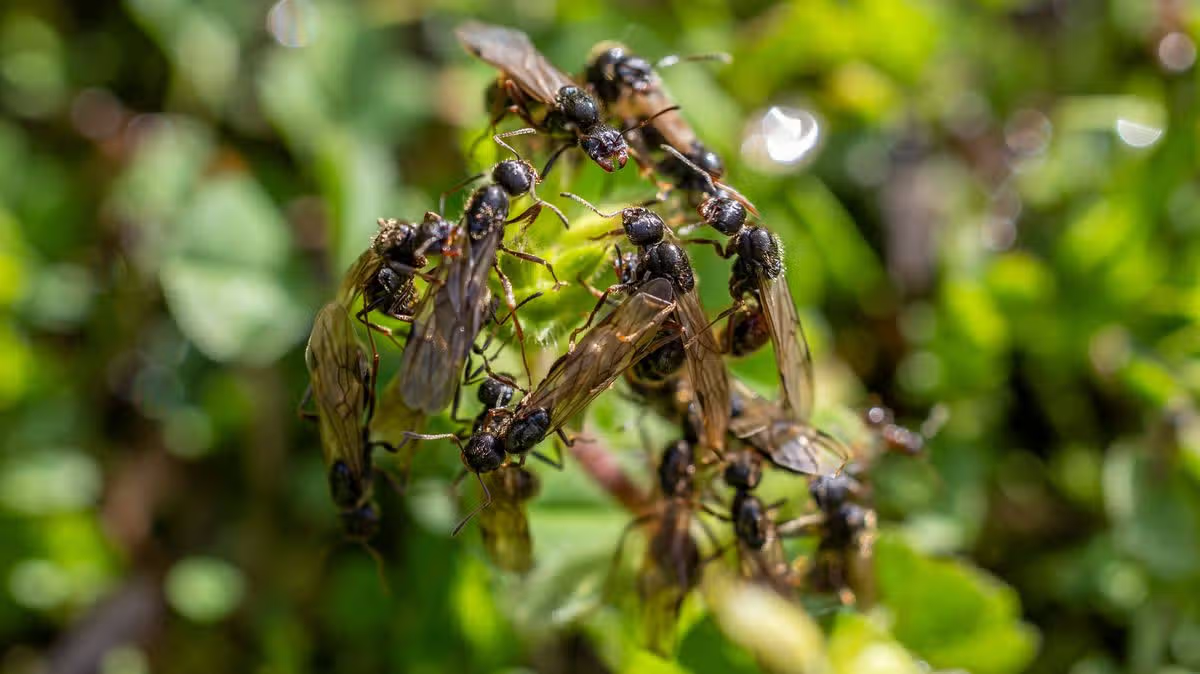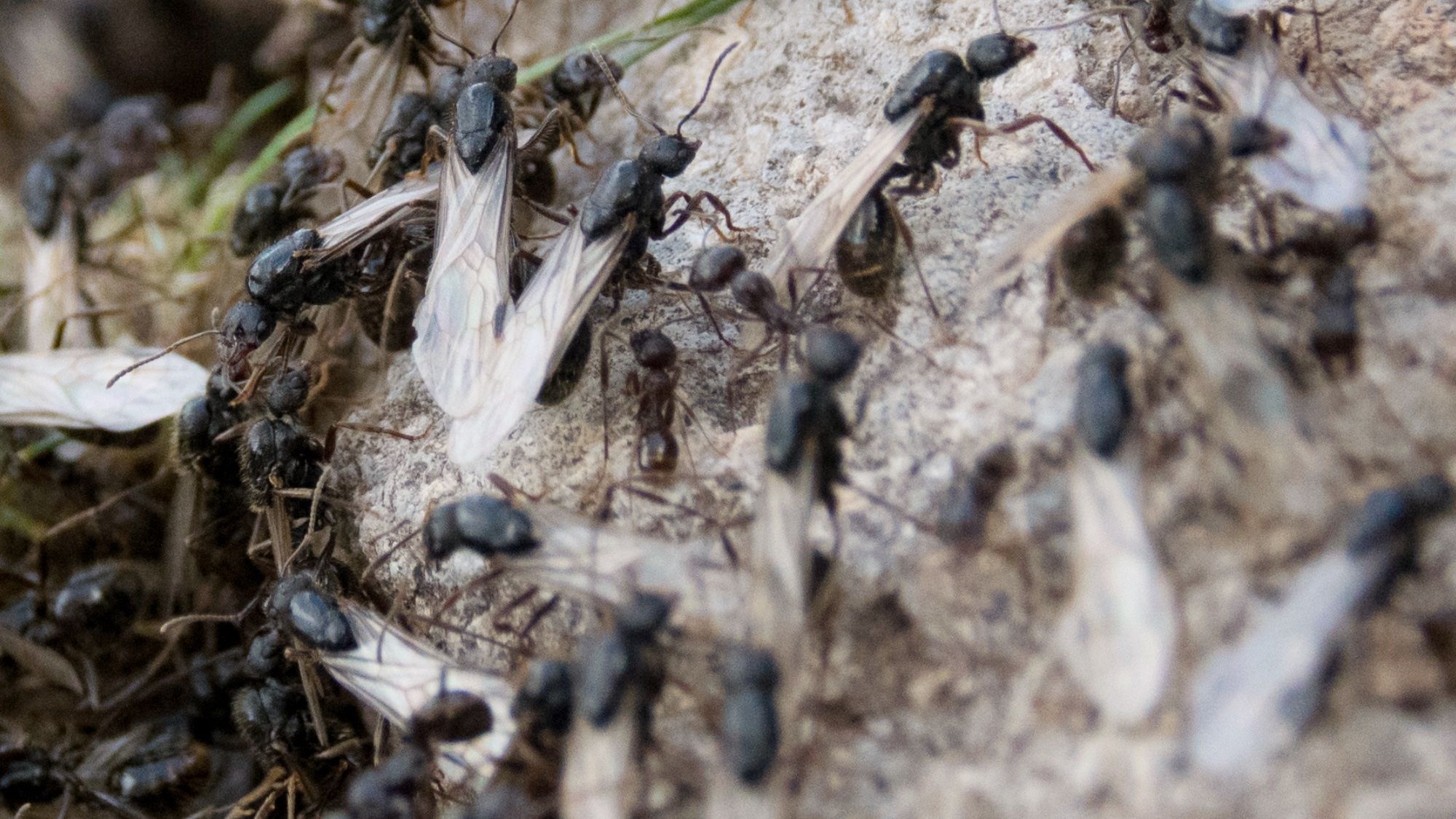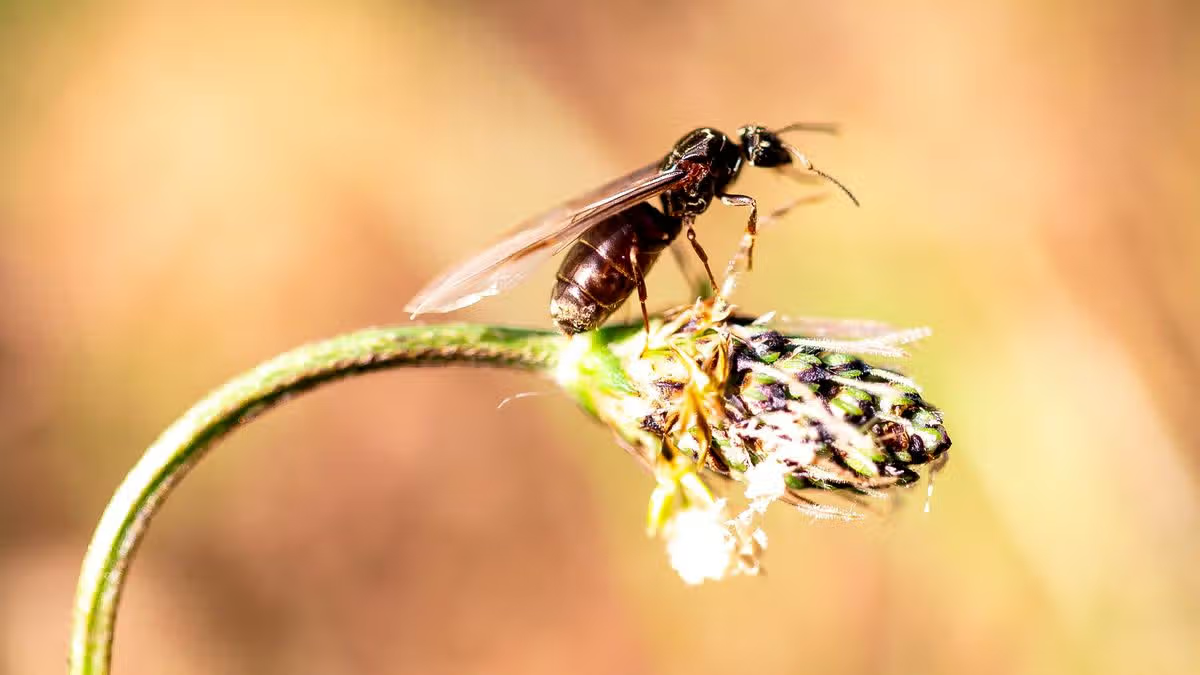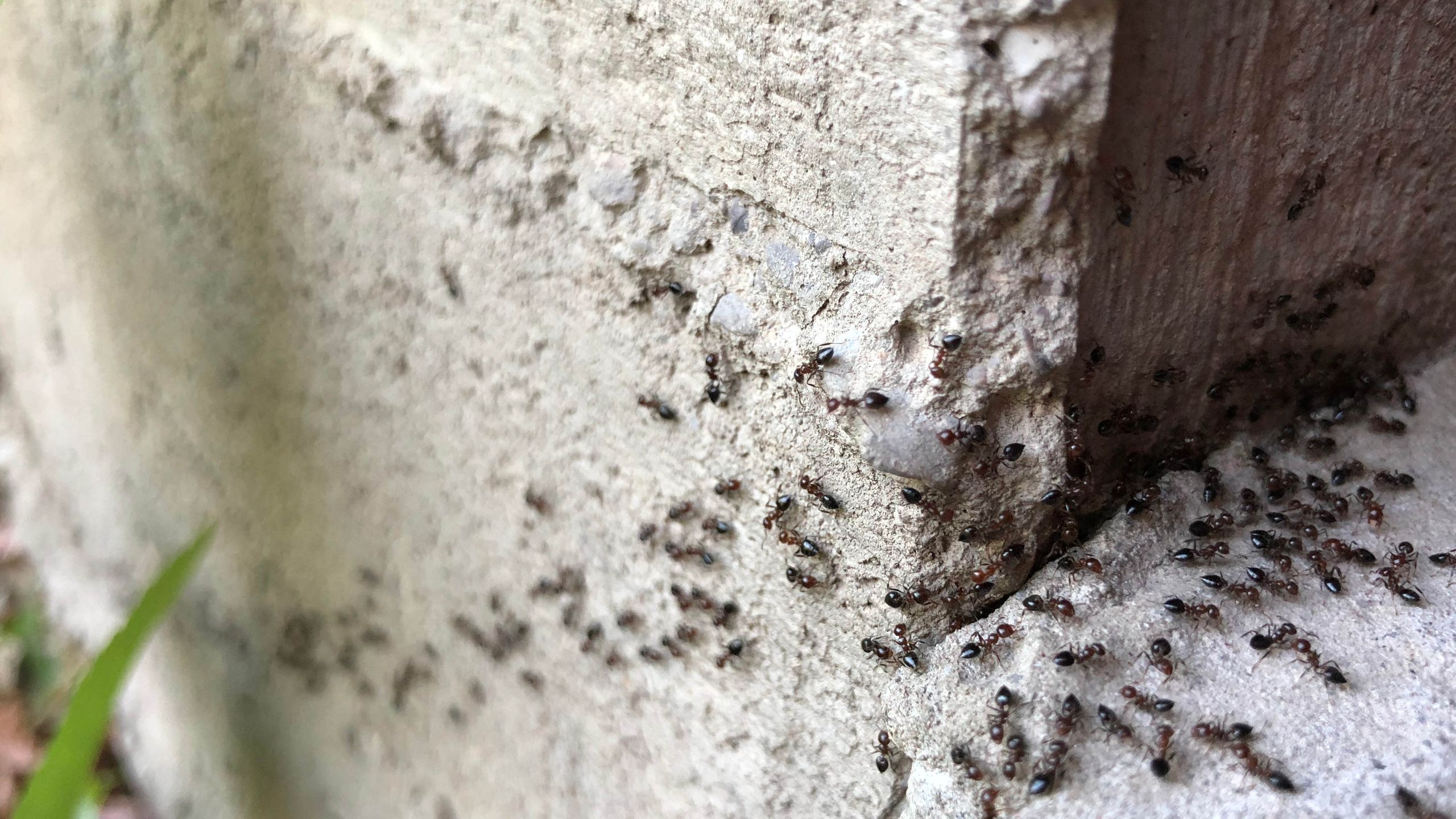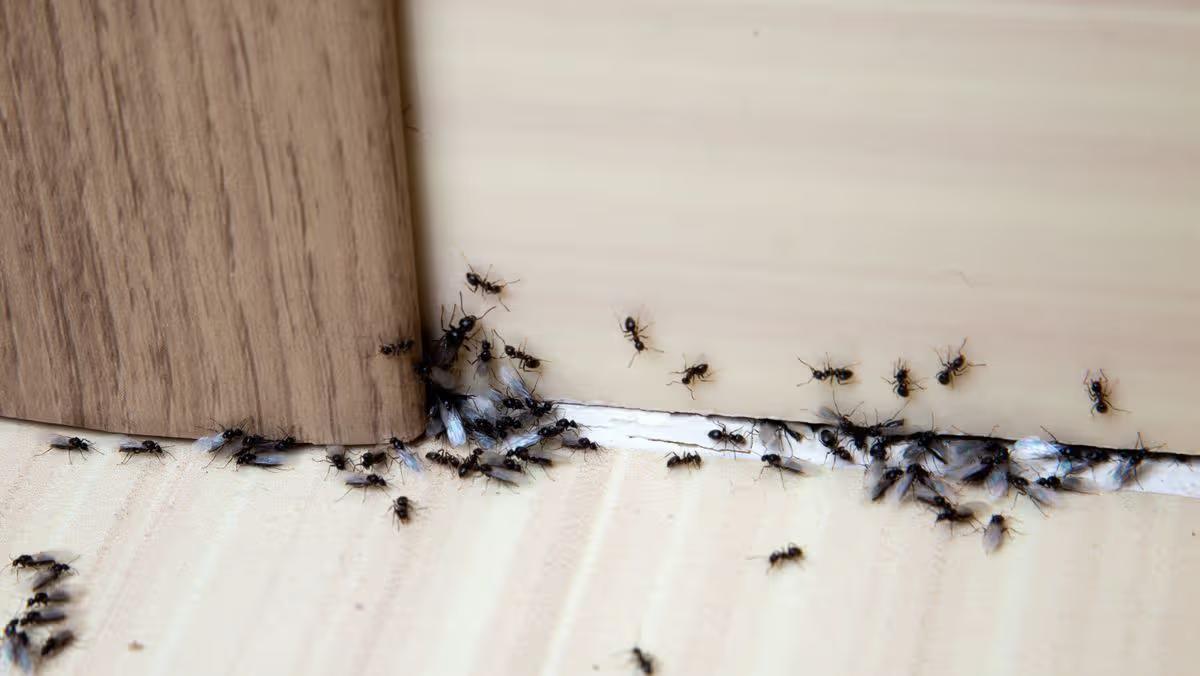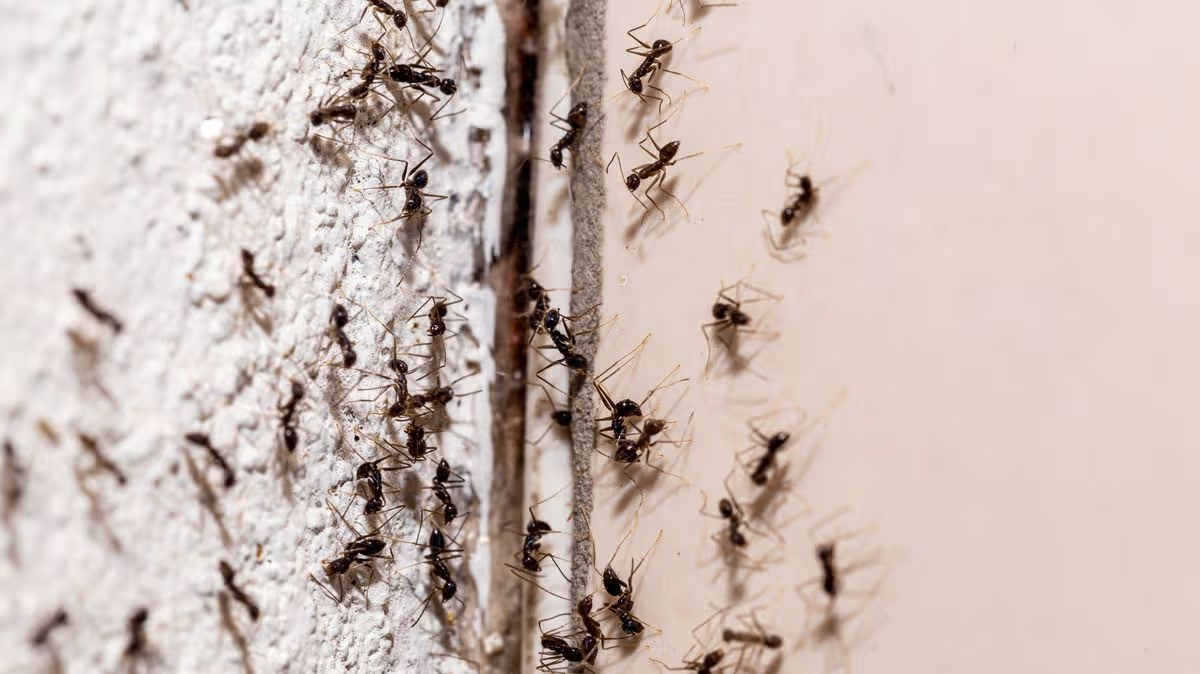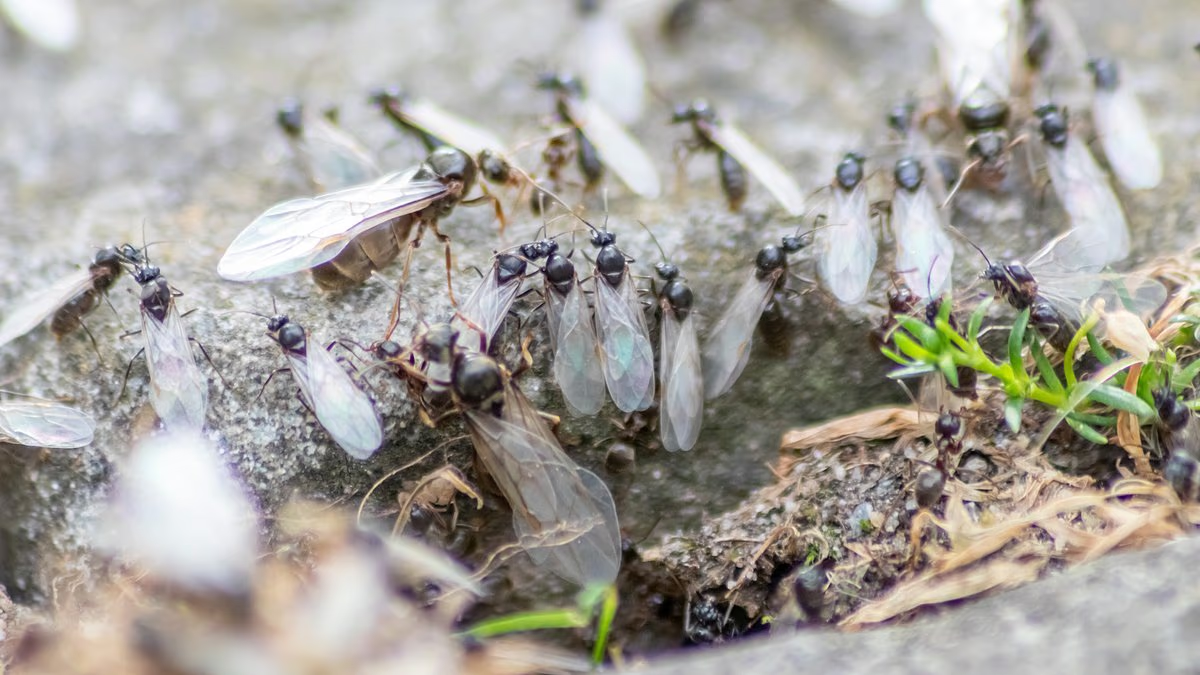
The temperature is in the mid-30s. My new kitchen extension with its French doors and skylights feels hotter than a sauna and yet I don’t dare open the doors or windows.Why? Because I’m under attack by flying ants!The sinister little so-and-sos have found a spot in my back garden they just love. They’re crawling all over my (fake) grass and patio, and fly around my head if I dare venture outside. I can’t bear the thought of them swarming in – to my house, hair, mouth – if I open the patio doors.This was me last year, and in the end I had no choice but to hunker down and sweat it out. But with this summer even hotter, I don’t think I can face keeping the windows closed.But what should I do?Splatter them with a newspaper? Tip boiling water over them? Stock up on industrial quantities of ant powder?I’m certainly not alone in coming under ant siege. As the mercury rises each summer, so too do the numbers of these pesky blighters. And many homeowners aren’t lucky enough to keep them outside.So why are there so many of them? What can you do to keep your home and garden ant-free? And is the ‘Flying Ant Day’ you might have read about with horror on social media actually real?Here’s everything you need to know about these pests – and how to beat them...What are these flying ants? ‘Flying ants are the exact same species as the regular black garden ant,’ Stephen Wales, of Bespoke Pest Control, tells me. ‘The flying ants you see are the queens from the nest and males going off to mate and start a new nest.‘The bigger ants are the queens and the smaller ones will be the males. They actually mate on the wing and the male dies shortly afterwards.’ Flying ants are the queens from the nest and males going off to mate and start a new nest With the recent heatwaves, their active season outside their nests has been extendedAnts love hot weather, so our ever hotter, longer summers mean their active season – the period in which they’re not hiding in their nests – is extended.Thankfully, Stephen says they should only swarm for a maximum of a day or two. ‘They want to mate, breed, nest and then start the process all over again. They don’t hang around. Often, they’ll only swarm in your garden for a couple of hours.’And, unlike red ants, flying ants don’t bite.Will they come into your home? Ants burrow and, while it’s more common for them to do so outside, they can get into buildings too. ‘We’re seeing them burrowing further under buildings and coming up into them,’ says Stephen.‘They only need a small gap to get in. When they come into your home, they can be looking for food – but mostly it’s water and that’s why you’re more likely to find them in kitchens or a downstairs loo or bathroom.‘They are extremely clever. They send out a scout looking for food and water, that ant leaves a trail of pheromones and the rest follow. I once came home to find the inside of a closed window swarming with flying ants.‘They had built a nest outside in a pot plant that was on the window ledge and had found their way in.’How can you stop them in their tracks? There’s nothing you can do to prevent ants from flying into your garden briefly to mate, and some of them may find their way into your home.In this case, sprays and powders are unlikely to work and Stephen says there’s no point putting bait down because the ants won’t take it. Claudia Connell says she couldn't face opening her doors last year for fear of ants flying into the kitchen‘If flying ants come into your home, turn all the lights off as, like most insects, they are attracted to the light. Open the windows and doors and they’ll find their way out. They want to be outside. Some will die in your house, so just vacuum them up and put the bag in your outside bin.’ However, ant nests are a different matter. ‘If you don’t destroy the nest, it will be there for many years,’ says Stephen. ‘They like somewhere safe and undisturbed like flower pots, under patios, beneath decking, under turf or any pile of debris.’If the nests are not causing any damage in your garden, Stephen suggests just leaving them. But nests close to the house are more likely to lead to home invaders. In which case he recommends ant gels, a slow acting bait that the ants take back to the nest to feed the others, ultimately destroying it.And, although it might not be the kindest method, will a kettle of boiling water do the job? ‘It will,’ says Stephen. ‘Although if you’re pouring it on them outside, you’re just as likely to kill sections of your grass and plants along with the ants.’What – and when – is Flying Ant Day?I’m afraid Flying Ant Day is very real. It’s when millions of the insects will swarm through the skies as the queens emerge and travel to set up new colonies.Confusingly, it doesn’t happen at fixed time and will vary across the country, according to the climate. It’s most commonly between mid-July and early August but can be earlier in a heatwave.Is there any way of knowing when the day will be? ‘Nobody knows,’ says Stephen. ‘But my theory is that it usually coincides with rain when the ground is softer and they can burrow down more easily. I’d say that currently the ground is too hard for them.’Well, that’s something to look forward to then...For help with flying ants in your home, you can go to bespokepestcontrol.co.uk.
How to beat the plague of flying ants. An expert reveals the top tips
The temperature is in the mid-30s. My new kitchen extension with its French doors and skylights feels hotter than a sauna and yet I don't dare open the doors or windows.
965 words~4 min read