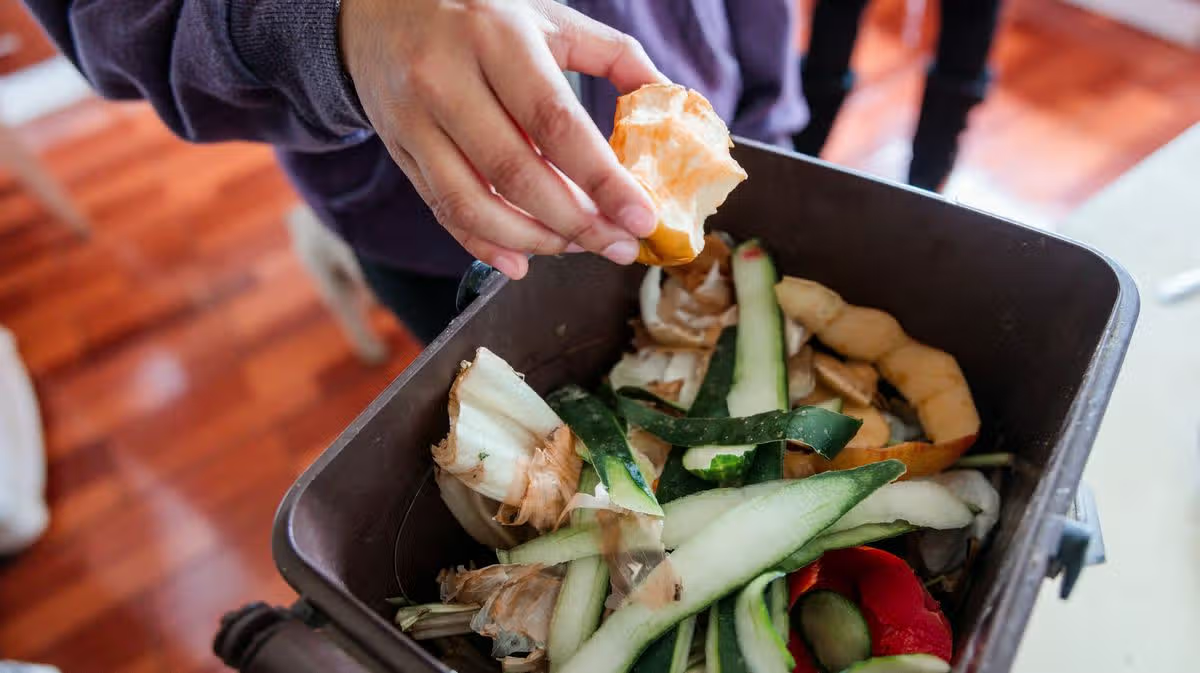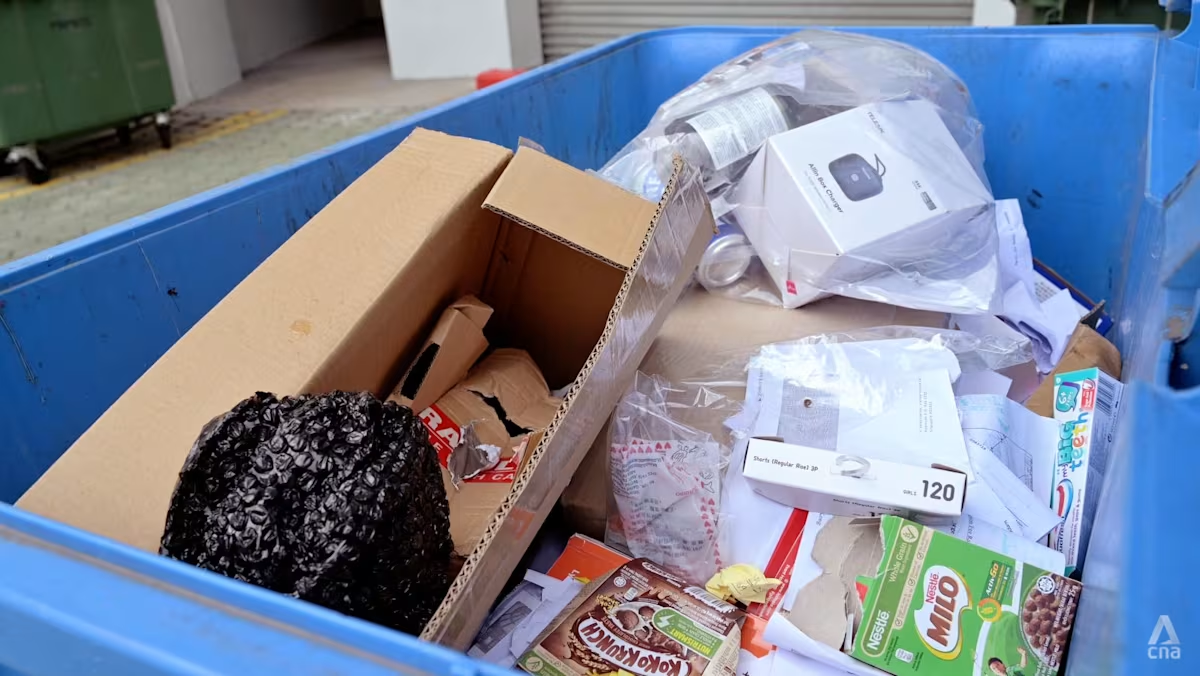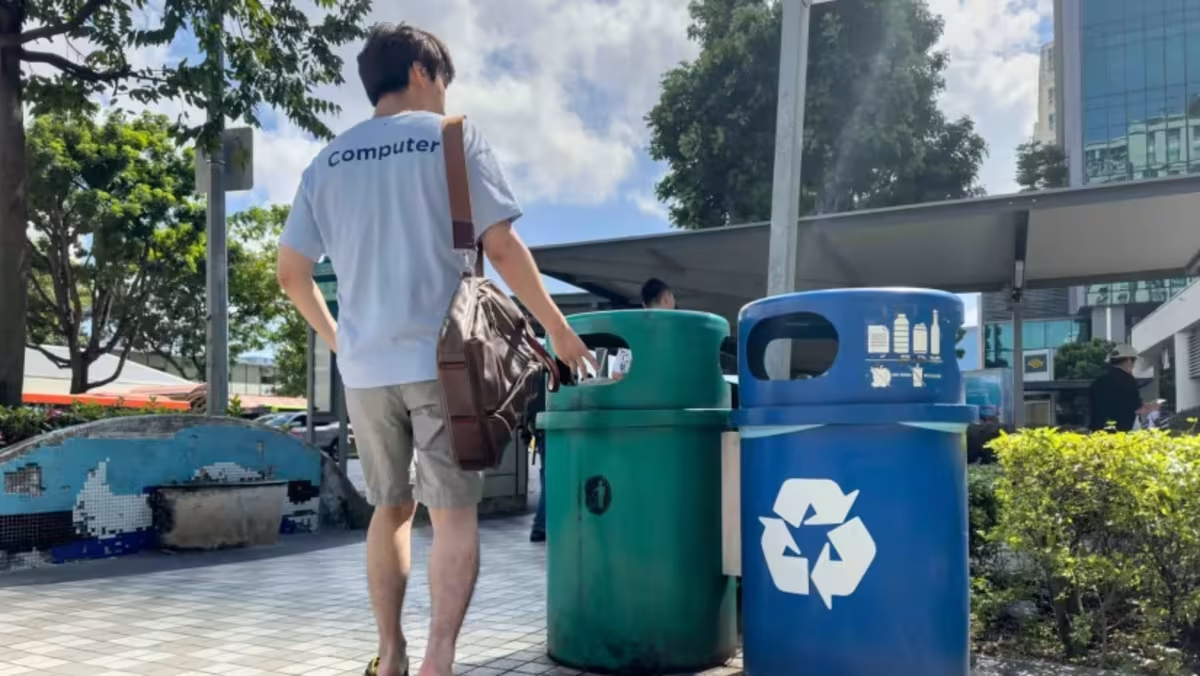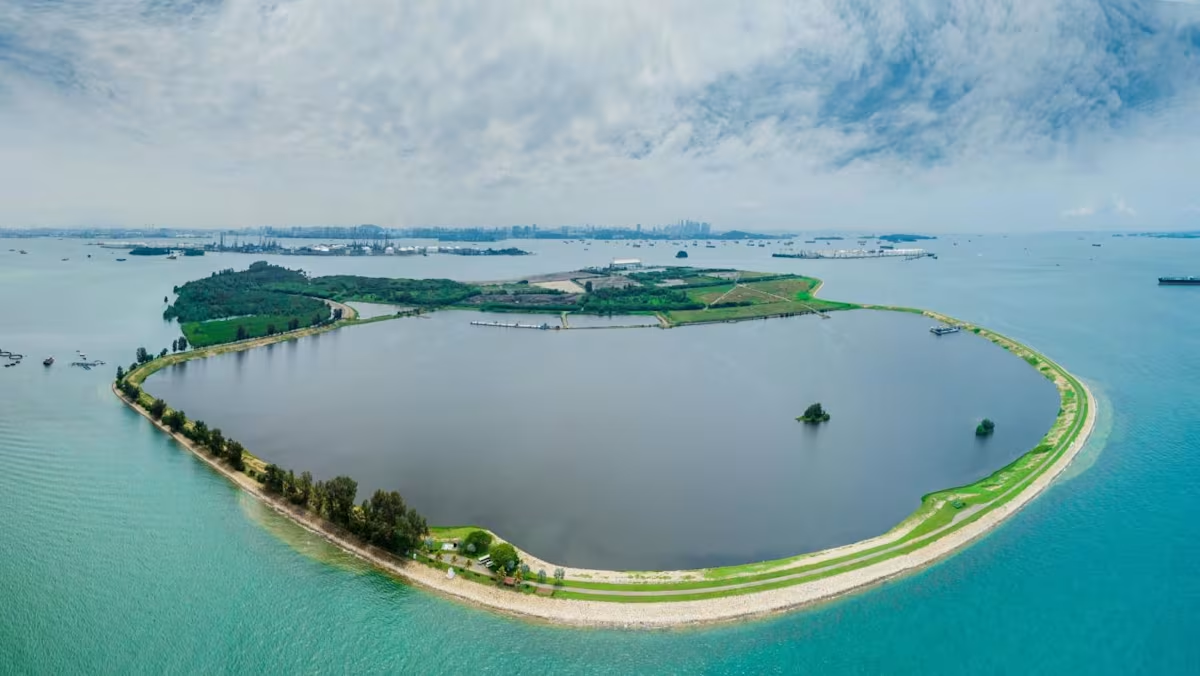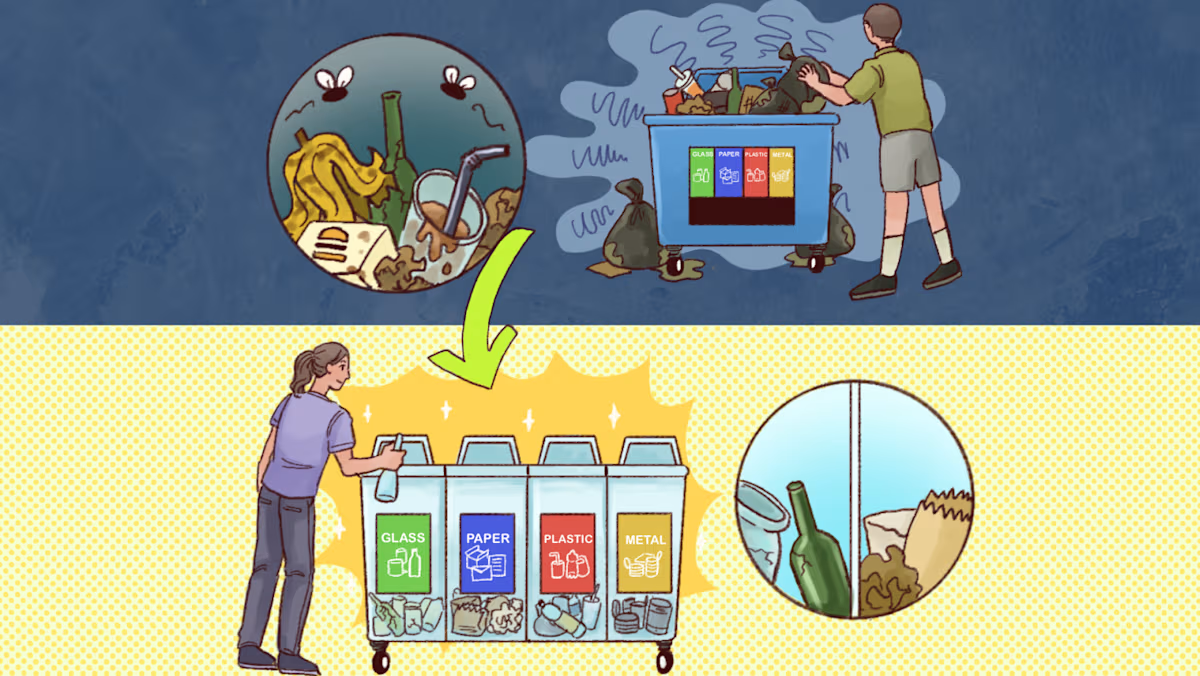
Four years after his debut as Singapore’s recycling mascot, Bloobin has yet to find a reason to wipe that permanent frown off his face.Bloobin was introduced by the National Environment Agency (NEA) in 2022 as the grumpy face of its Recycle Right campaign, which marked a shift in Singapore’s recycling messaging. Rather than encouraging residents to simply recycle more, the campaign sought to address a persistent problem: contamination caused by food waste, liquids and other non-recyclable items being thrown into blue recycling bins.Bloobin – a play on blue bin – is exasperated by being stuffed with food waste, tissue paper, toys and other non-recyclables, hence his grouchy countenance.And who could blame him? After all, the contamination rate of recycling bins and recycling chutes in Singapore has remained at 40 per cent since 2021, according to the Ministry of Sustainability and the Environment in a parliamentary reply earlier this year.With contamination remaining stubbornly high and domestic recycling falling to a record low last year, experts say it may be time to retire the iconic blue bin and rethink Singapore's recycling system.It's a pressing issue because contaminated recyclables are incinerated for energy before the ash is sent to Semakau Landfill, further clogging up Singapore’s only offshore waste disposal site. Already, more than half of Semakau’s 28 million cubic metre capacity has been used up and the facility is expected to be full by 2035.The ubiquitous blue bins had been designed for totally frictionless recycling – throw all your recyclables into the one bin, and someone else will sort them later. But that convenience has now proven to be both the bin's greatest strength and its biggest weakness. In June, NEA reported that Singapore's overall recycling rate last year, combining waste from both domestic and non-domestic sources, was 52 per cent. This was slightly higher than 50 per cent in 2024, but below the 59 per cent recorded in 2019, when the Zero Waste Masterplan was launched with the goal of raising Singapore's overall recycling rate to 70 per cent by 2030.
Singapore's blue bins were made for frictionless recycling. Is it time to ditch them?
Singapore’s blue recycling bins still see 40 per cent contamination, as food waste and non-recyclables undermine recycling and add pressure on Semakau Landfill. Experts say better designed bins and better recycling habits are the combined solution.
3,321 words~15 min read