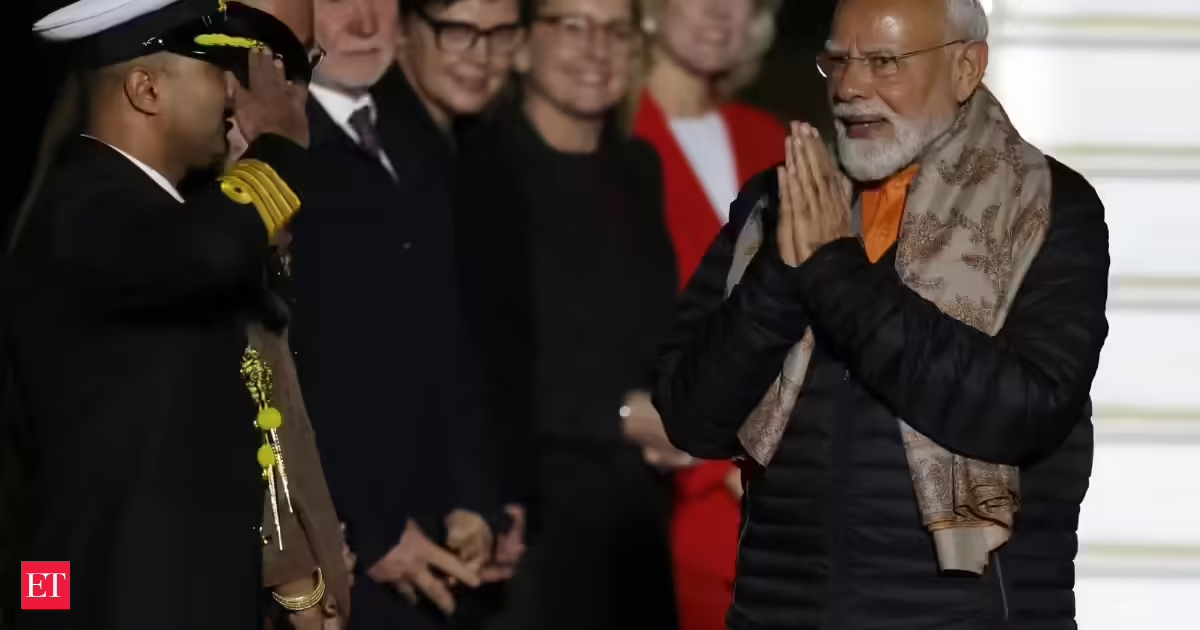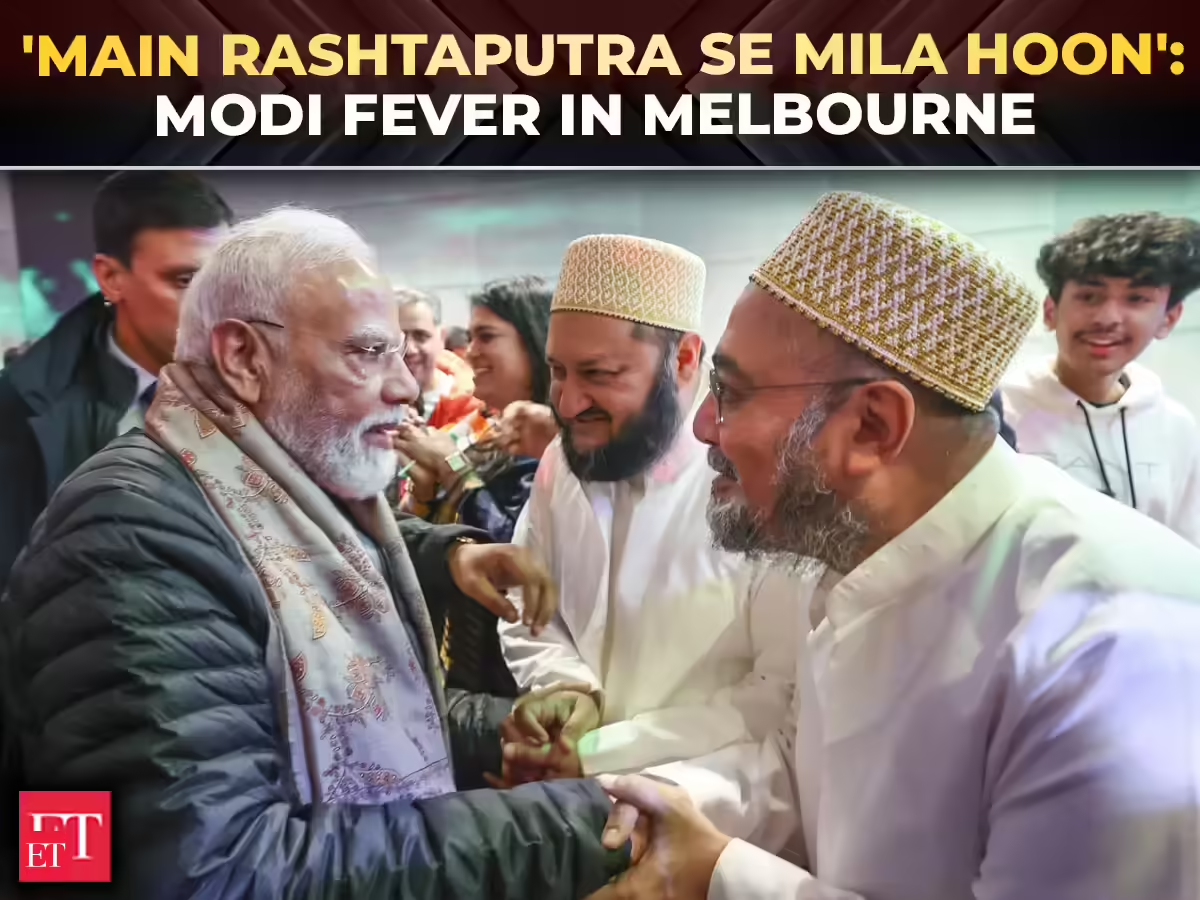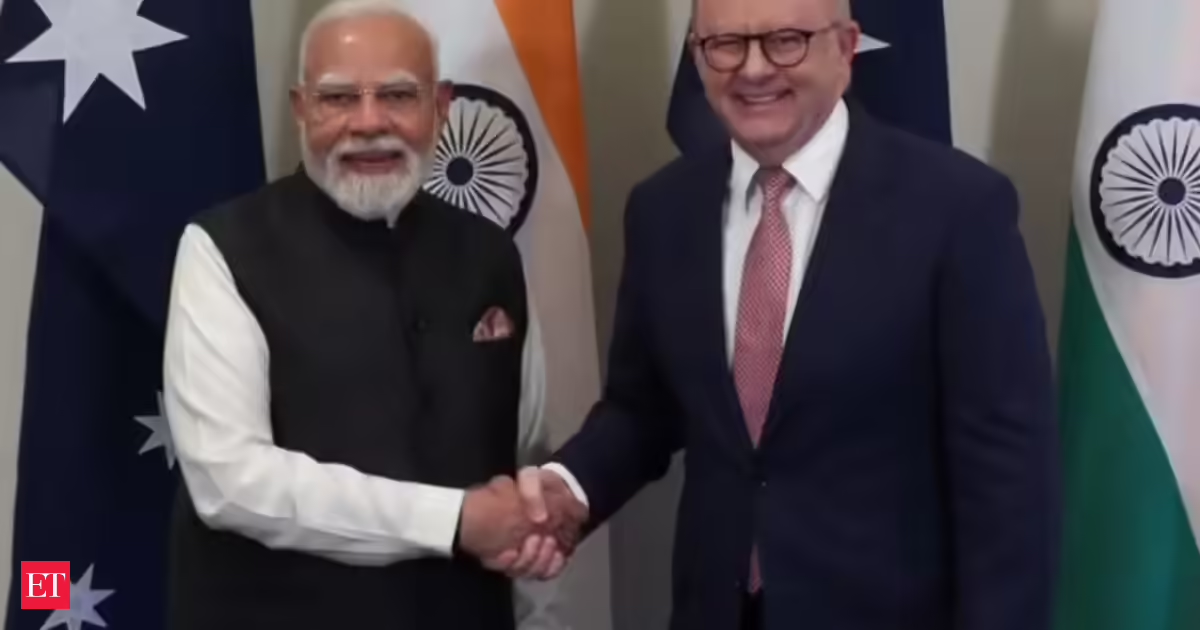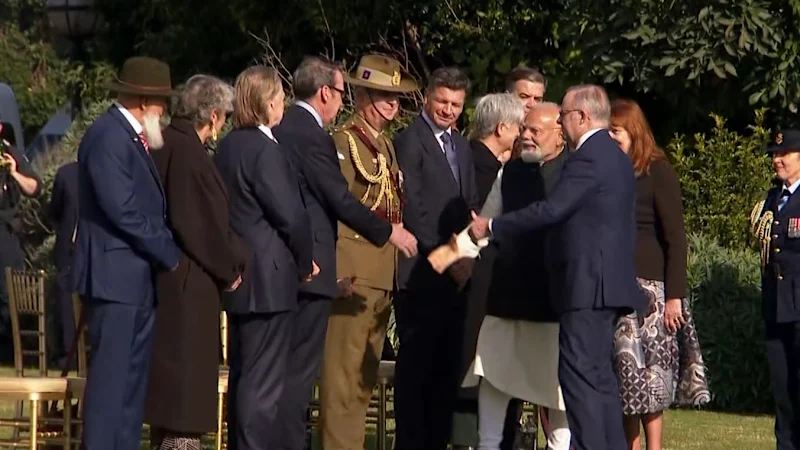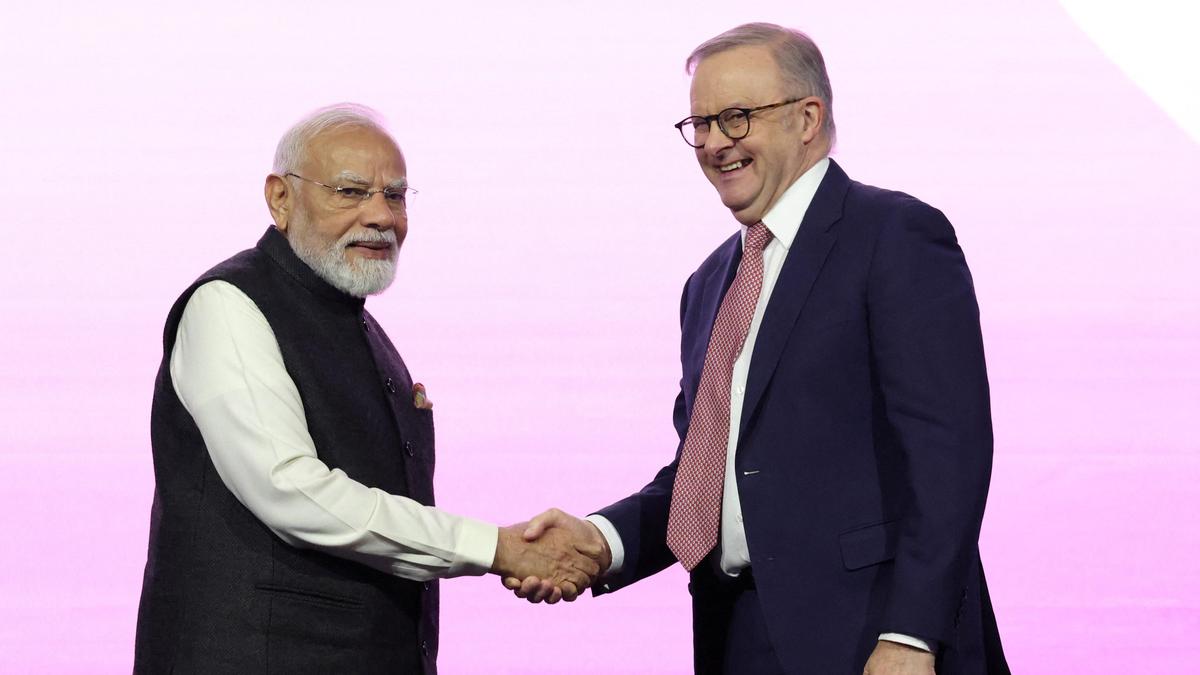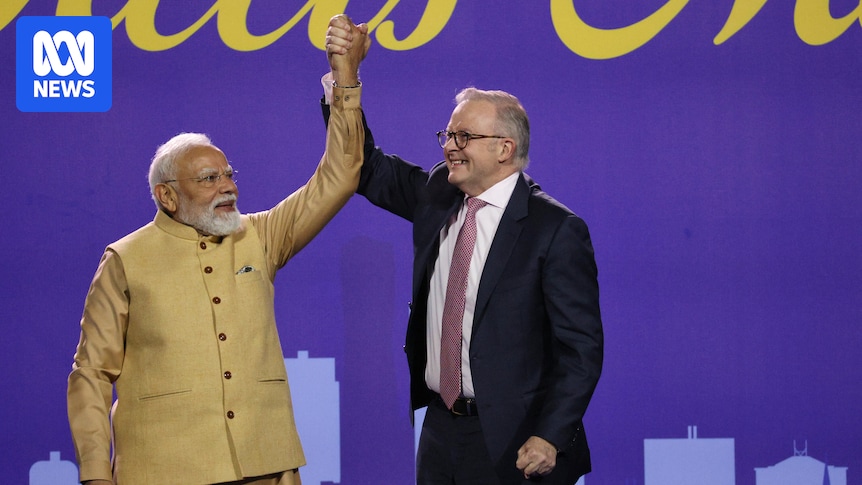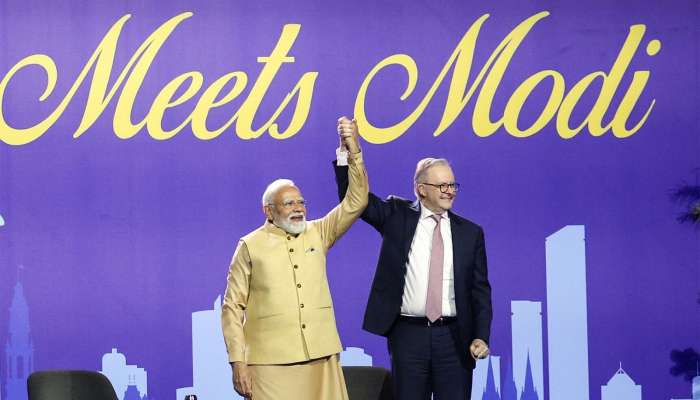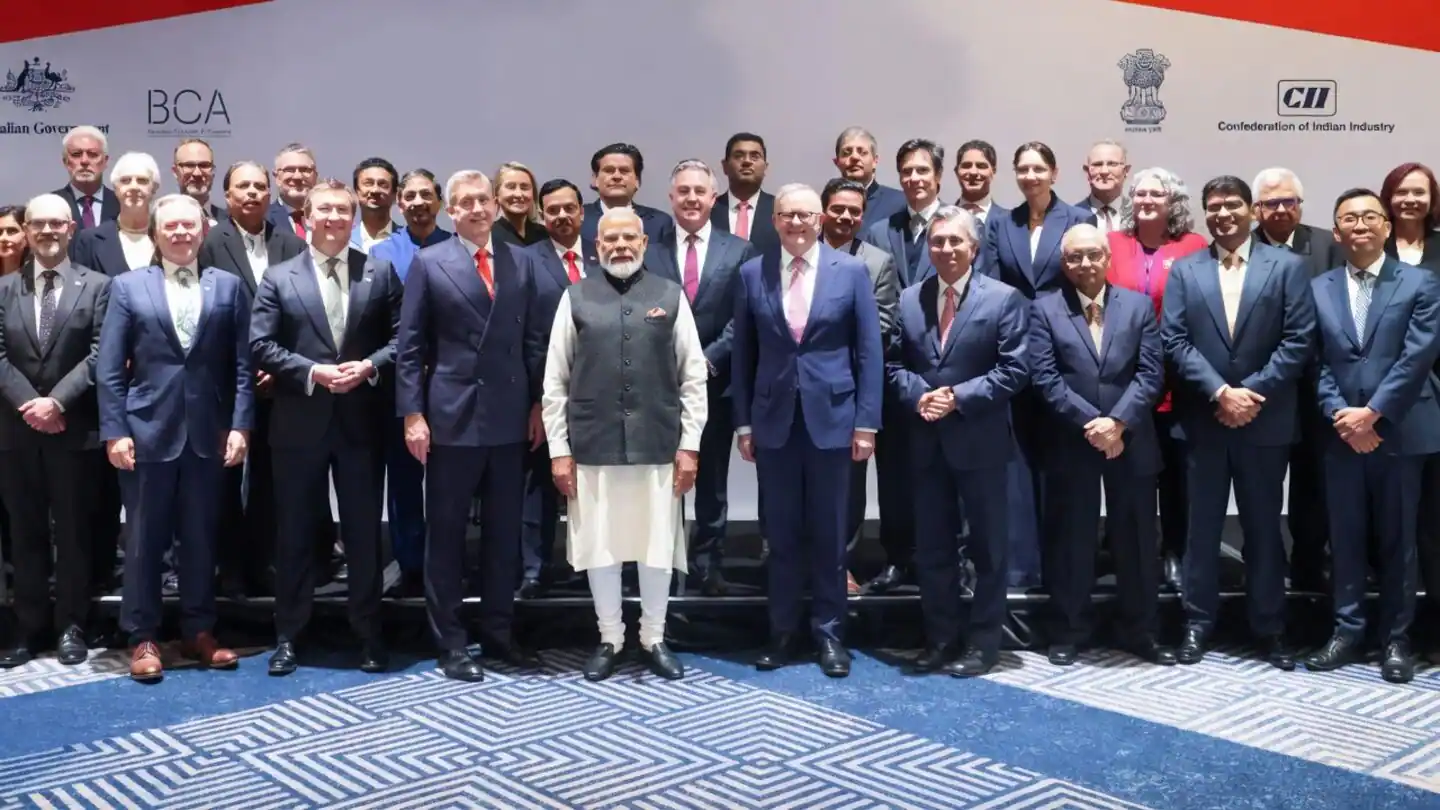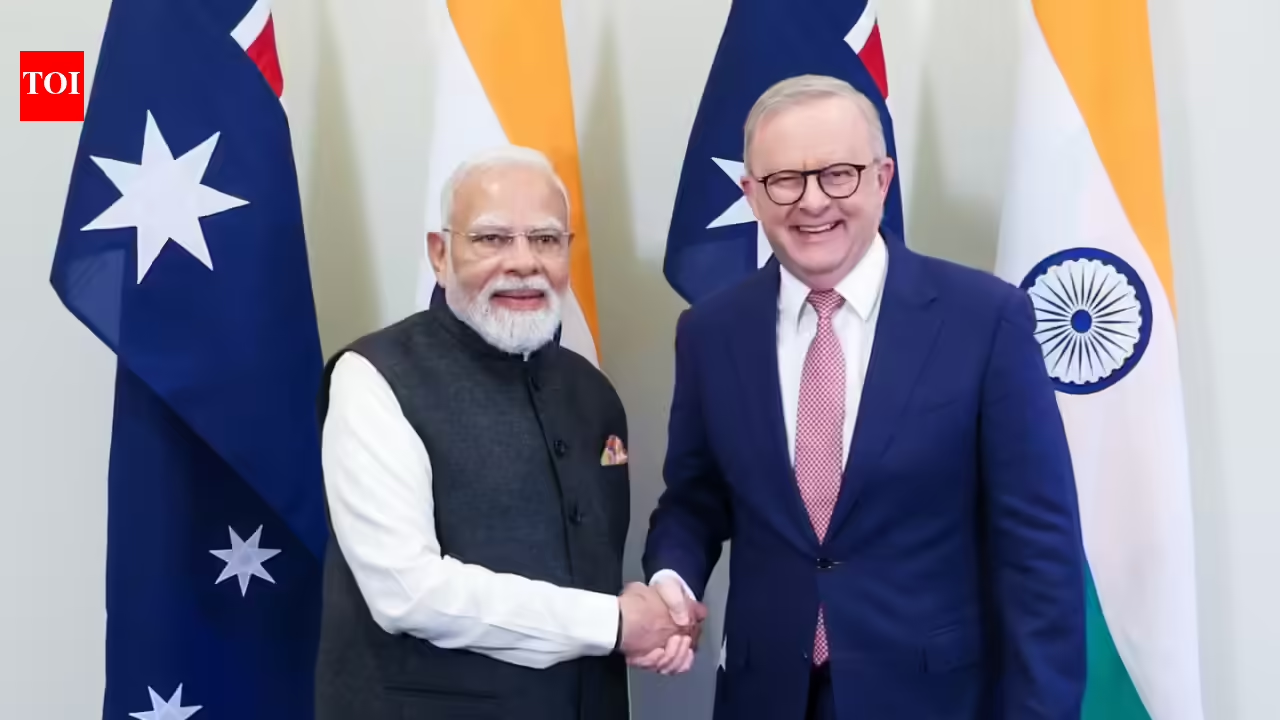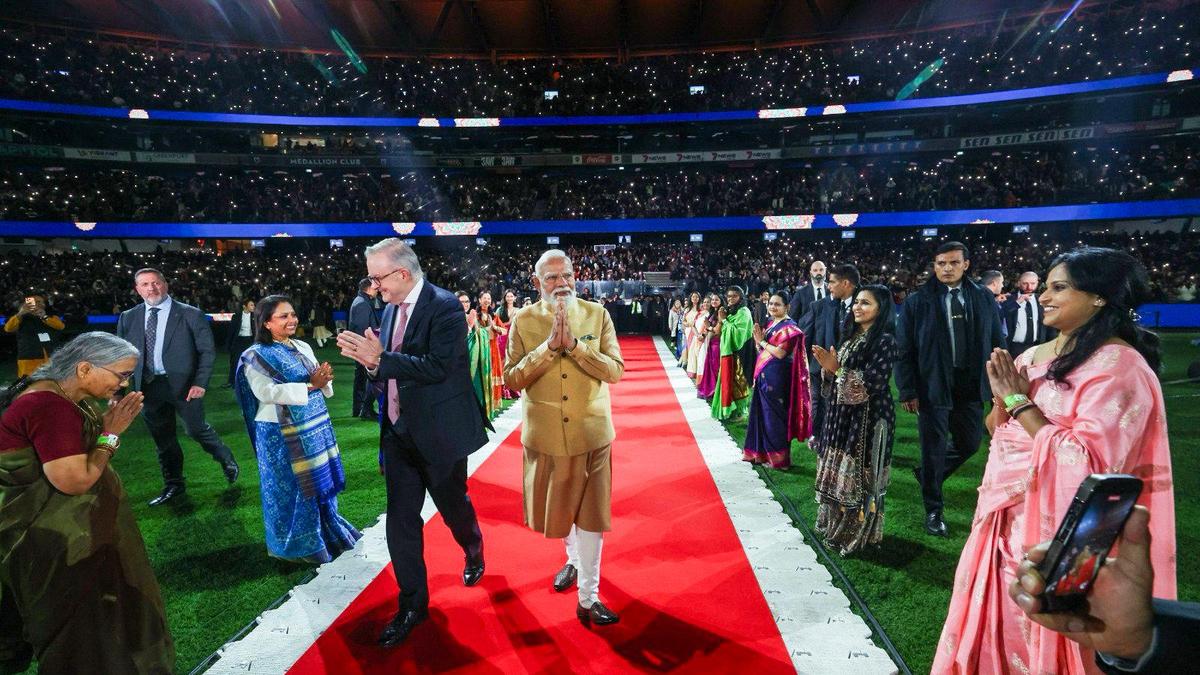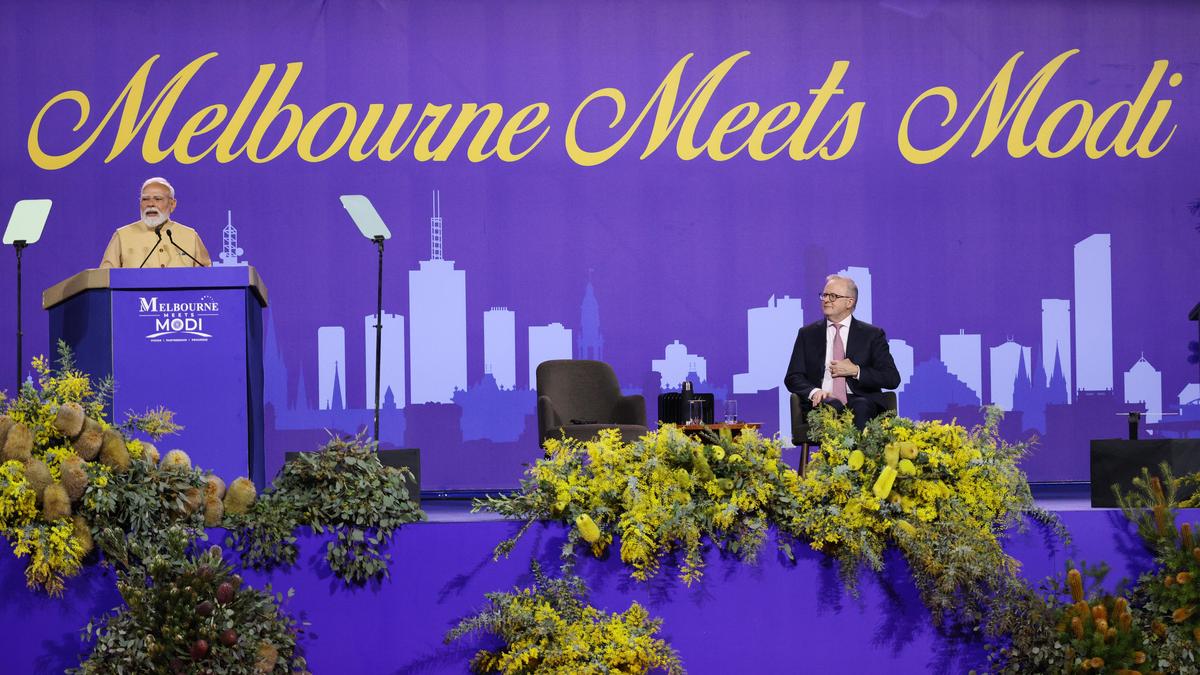
As has become the norm in countries with large Indian diasporas, this week’s visit to Australia by Indian Prime Minister Narendra Modi was more a festival than a diplomatic exchange. Alongside meetings with Australian Prime Minister Anthony Albanese and business leaders, there was an event at Melbourne’s Docklands Stadium, which attracted 35,000 people, and included music and dancing alongside speeches by Modi, Albanese, and Victoria’s premier, Jacinta Allan.
Such events are part of India’s soft power projection, and a way for Modi’s party, the Bharatiya Janata Party (BJP), to cultivate links within (and attract donations from) diaspora communities. But these events are also increasingly seen by Australian politicians as a way of gaining support among Indian Australians, who have rapidly become Australia’s largest foreign-born group. They are now an electorally significant force.
Yet among such showmanship and politicking there was serious bilateral engagement being conducted as well. Rather than producing a single headline announcement, Modi’s visit delivered a coordinated package of agreements spanning defense, economic security, energy, education, science, technology, and cultural links. Taken together, these agreements demonstrate that the relationship between the two countries is now reaching a level of institutionalization that has previously eluded them.