Financiers are also beginning to explore assured future-value financing to reduce resale uncertainty
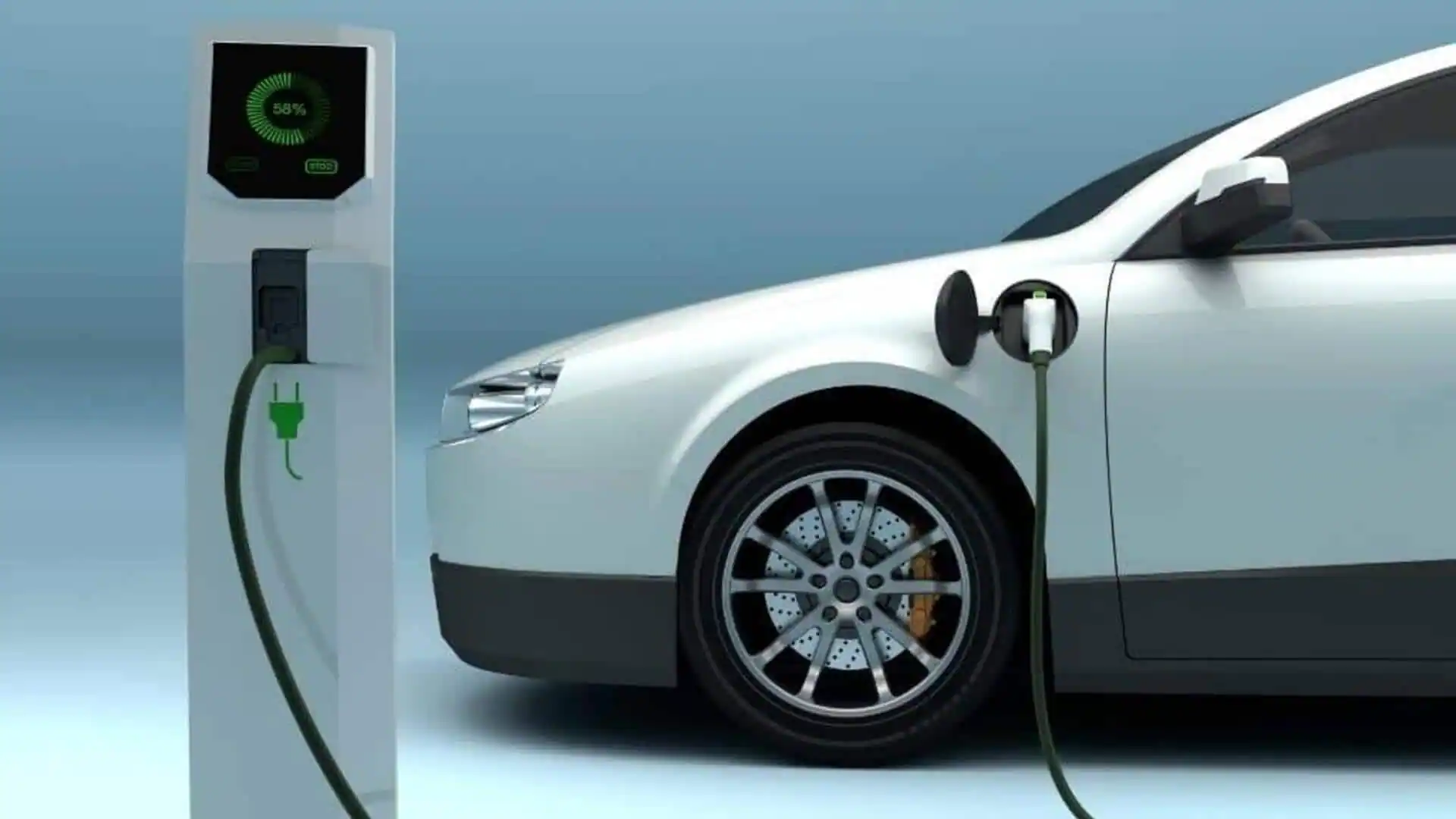
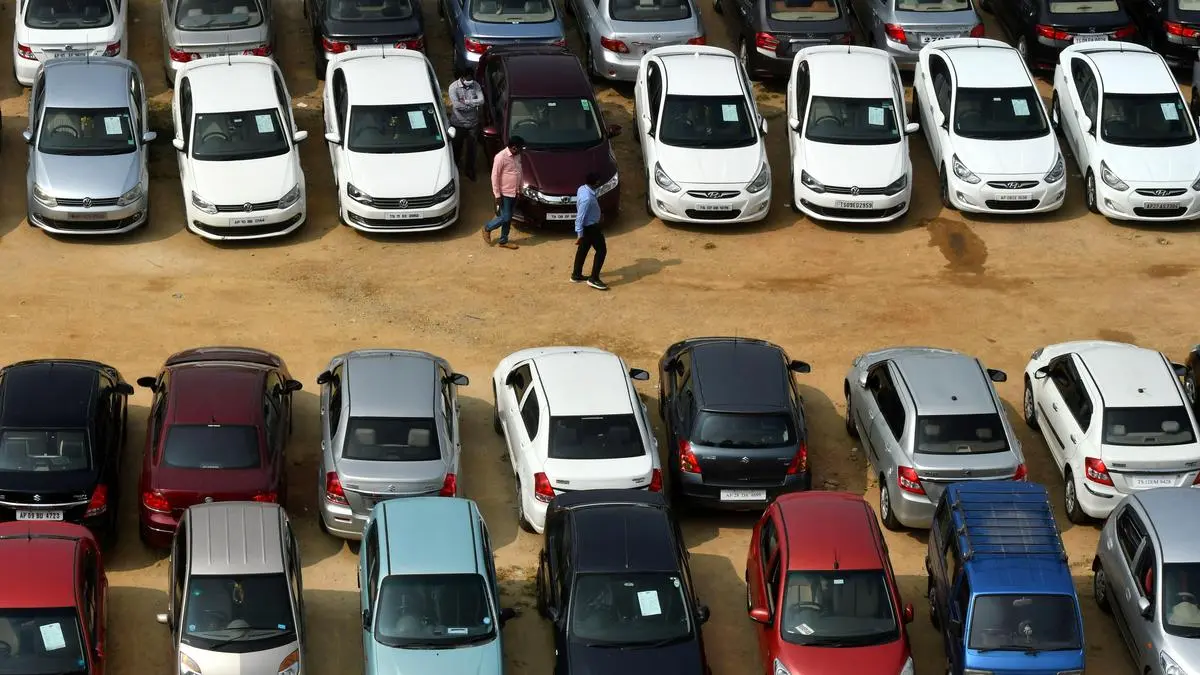
Mandeep Kaur, a 28-year-old businessman from Gurugram, visited AutoBest Emporio’s luxury pre-owned car showroom in West Delhi looking for a conventional luxury SUV such as an Audi Q5 or a Range Rover Velar. Electric vehicles were not part of his purchase plan. However, after a short test drive in a pre-owned Mercedes-Benz EQE, he returned the following day and bought the electric luxury sedan.Industry executives say such experiences are becoming increasingly common as buyers gain confidence in the performance, reliability and long-term value of electric vehicles. Financiers are also beginning to explore assured future-value financing to reduce resale uncertainty. India’s pre-owned EV market is expected to grow 20-25 per cent over the next year after expanding to an estimated 8,000-12,000 transactions in FY26 from around 2,000-3,000 units in FY25, according to industry estimates and market participants. The growth comes as the first wave of electric passenger vehicles sold in FY22 and FY23 begins entering the replacement cycle, creating a larger pool of vehicles for the secondary market.Financing innovation set to drive next phase of growthMarket participants believe financing innovation could become a key catalyst for the sector’s next phase of growth. Several lenders are evaluating assured future-value financing products for the pre-owned vehicle market to reduce uncertainty around residual values and depreciation. Bajaj Finance is among the lenders evaluating such a product for the pre-owned car market, signalling that organised financiers now see used EVs as an emerging asset class.Speaking to businessline, Avneet Singh Kohli, founder of Delhi-based luxury pre-owned retailer AutoBest Emporio, said growing interest from financiers reflects rising confidence in the segment. “Customers buying their first premium car want to know today what it will be worth after three years. Financing products that provide more visibility on future value can significantly improve customer confidence and reduce concerns around depreciation,” said Kohli.Data and diagnostics build lender trust in used EVsUntil recently, banks and non-banking financial companies (NBFCs) largely focused on financing new EVs, while remaining cautious about used EVs due to limited historical resale data, uncertainty around battery degradation, and concerns about residual values.That perception is beginning to change. Certified battery-health diagnostics, OEM-backed refurbishment programmes and digital service records are helping create greater transparency around vehicle condition and ownership history. Industry executives say these developments are making used EVs a more financeable asset class and attracting increased interest from lenders.Benchmark pricing and transparency signal market maturityThe emergence of benchmark pricing is another sign that the secondary EV market is maturing. A two-year-old Tata Nexon EV typically commands between ₹5.7 lakh and ₹9 lakh in the used-car market, while Tata Tiago EVs are selling for ₹5 lakh to ₹7.5 lakh. In the mid-premium category, MG ZS EVs are priced from around ₹9.8 lakh, while Mahindra XUV400 models are priced from ₹9.5 lakh to ₹13 lakh.Luxury electric vehicles are also finding buyers. BMW iX models are currently listed between ₹48 lakh and ₹68 lakh, Audi e-tron and Q8 e-tron SUVs between ₹48 lakh and ₹72 lakh and Kia EV6 models between ₹30 lakh and ₹40 lakh. Dealers say vehicles backed by certified battery-health reports and transparent service histories can attract premiums of ₹40,000-70,000, compared to similar vehicles without such documentation.Automakers and retailers invest in pre-owned EV ecosystemAutomakers and organised retailers are simultaneously investing in the ecosystem required to support long-term growth. Recently, JSW MG Motor India partnered with used-car platform Spinny to strengthen the country’s pre-owned EV market through battery health certification, warranty continuity, transparent pricing, and certified refurbishment standards.Vinay Raina, Chief Commercial Officer at JSW MG Motor India, said a trusted pre-owned ecosystem would be critical for accelerating EV adoption in the country.Spinny founder and CEO Niraj Singh echoed the view, noting that the next phase of EV adoption will depend as much on customer trust as on technological improvements. As more electric cars complete their first ownership cycle, industry executives believe that a combination of higher vehicle availability, reliable battery health assessments, organised retail platforms, and innovative financing solutions will determine how quickly India’s used EV market scales over the next few years. For financiers, the segment is increasingly emerging not as a niche but as a viable, growing asset class within the broader automotive market.Published on July 10, 2026