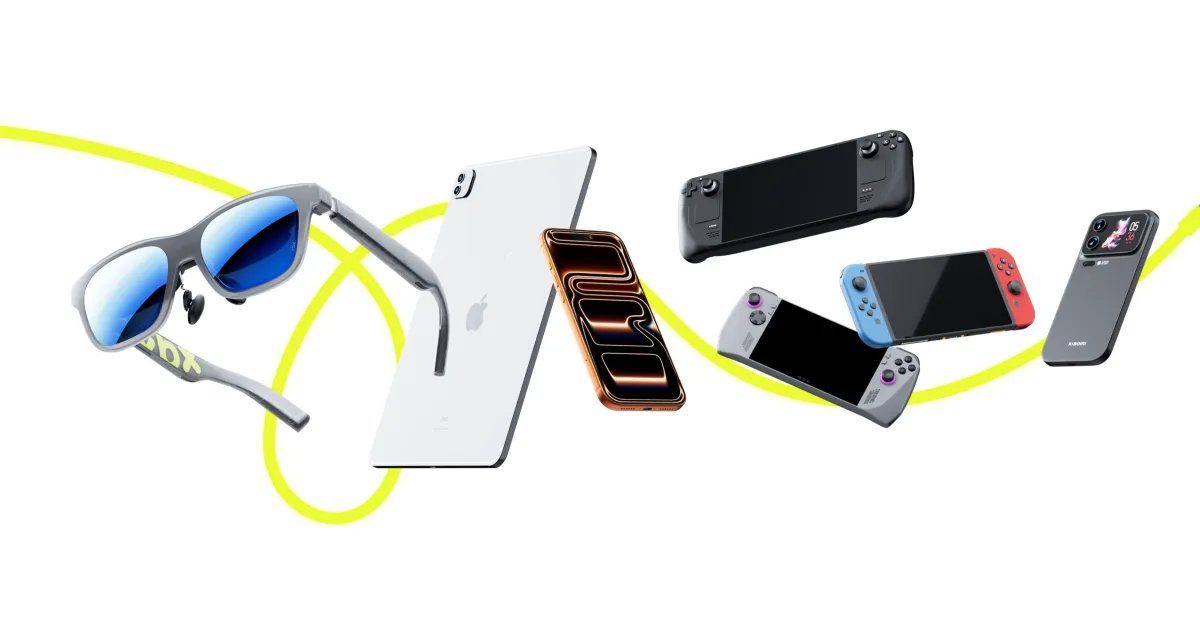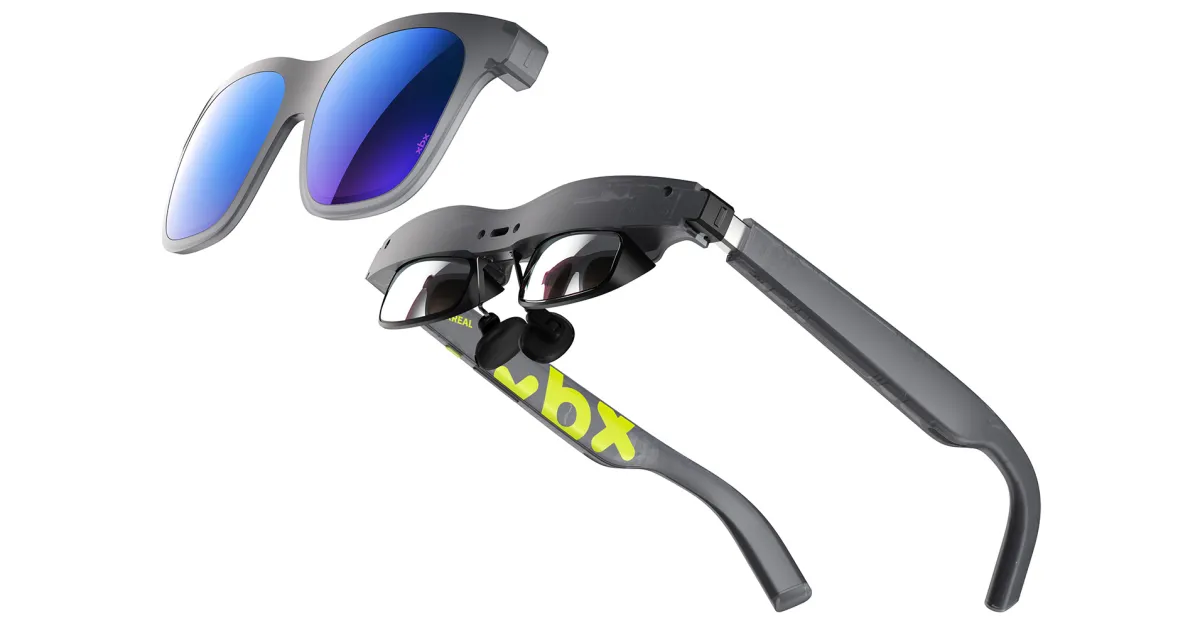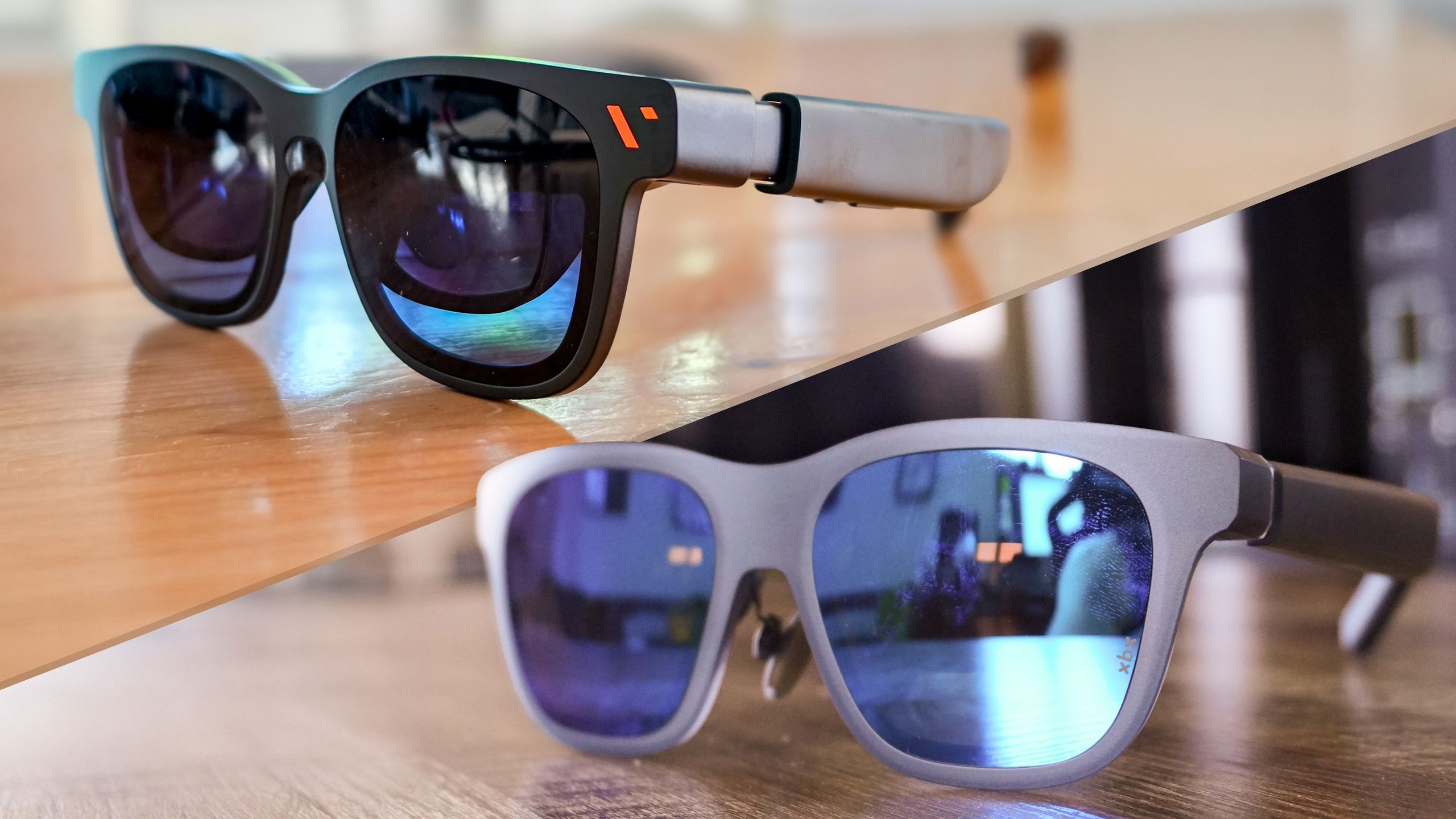
The battle for video glasses supremacy is on, and if there’s a titan in the space right now, it’s Xreal. Thanks to a partnership with Google, Xreal has arguably shot to the top of the list in terms of name-brand recognition in the wired AR/XR glasses space. But just because you’re recognizable doesn’t mean you can coast on name alone—you also have to make solid glasses that people want to buy.
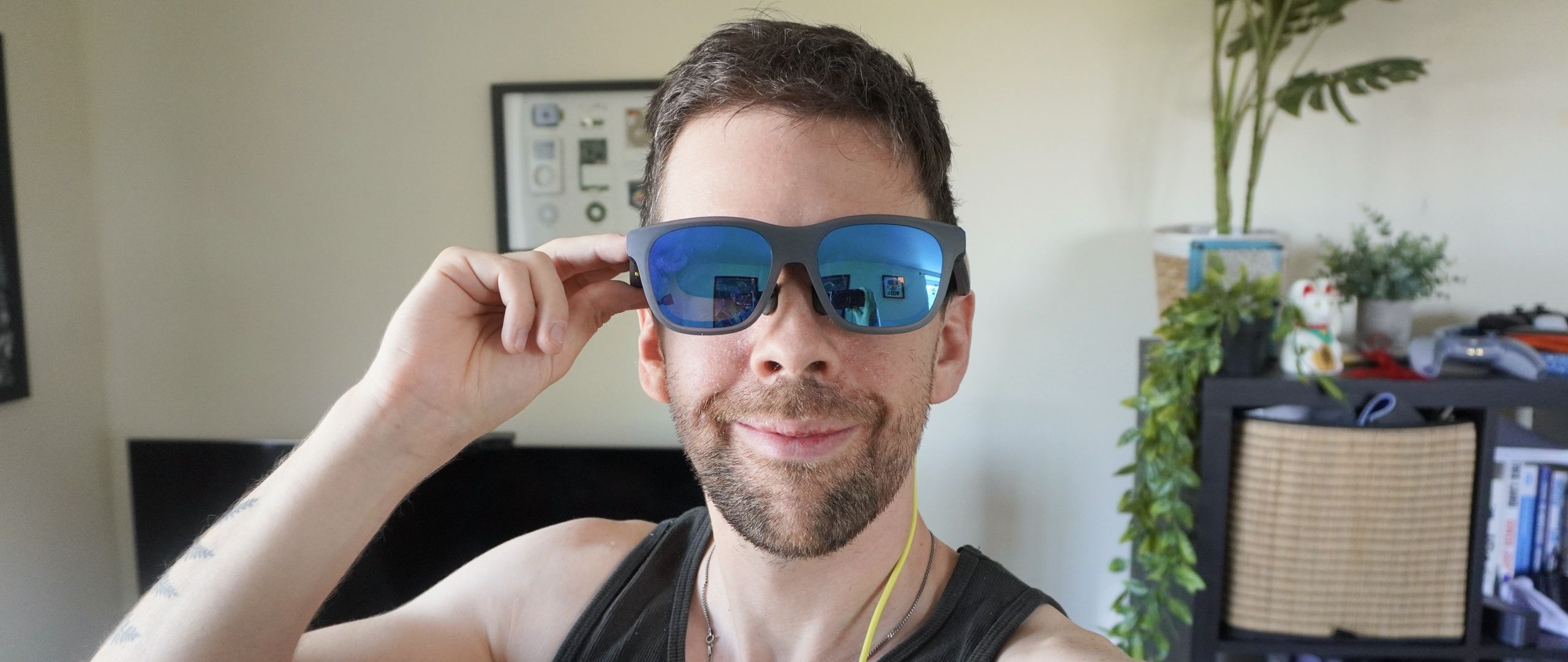
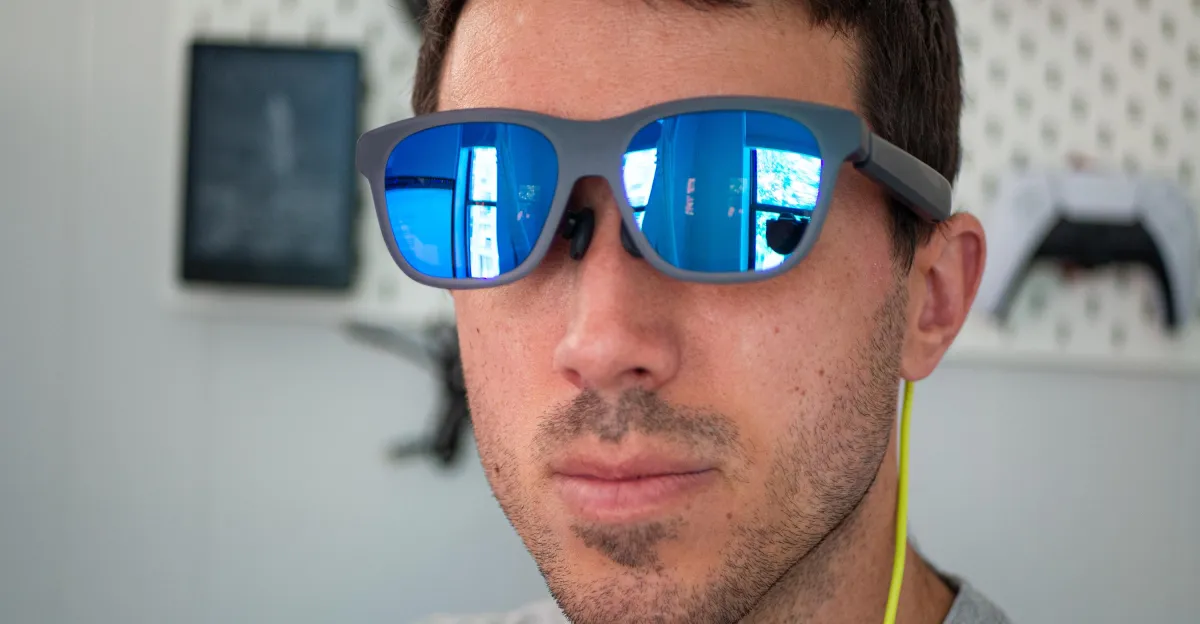
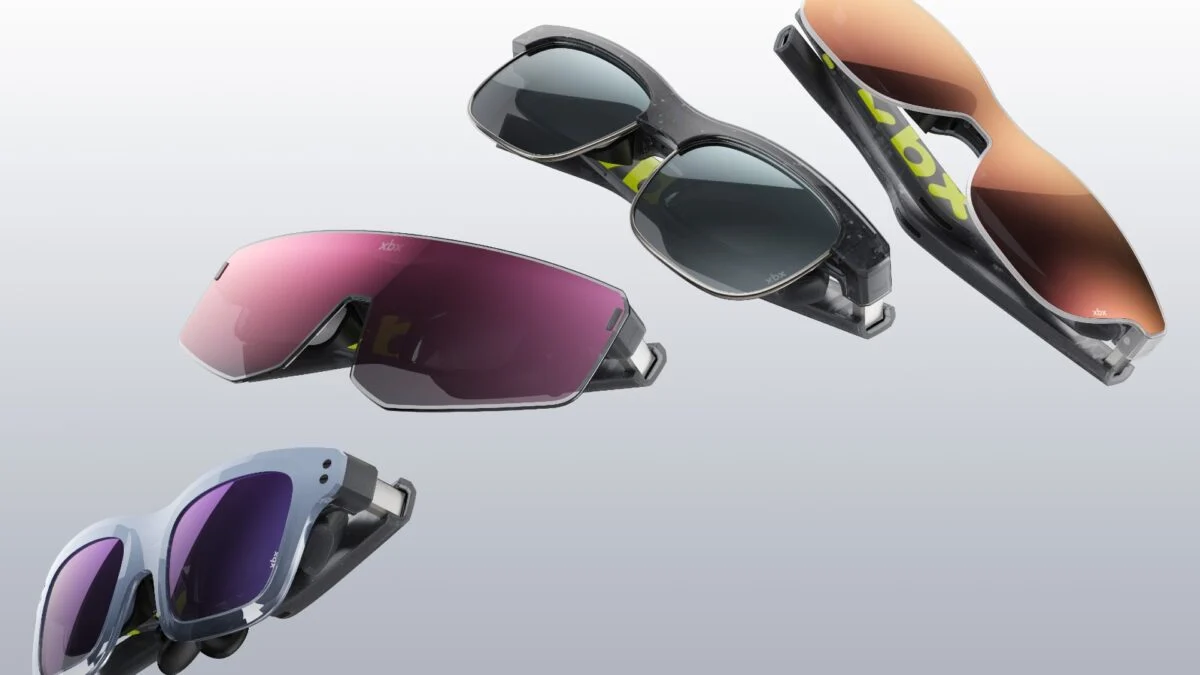
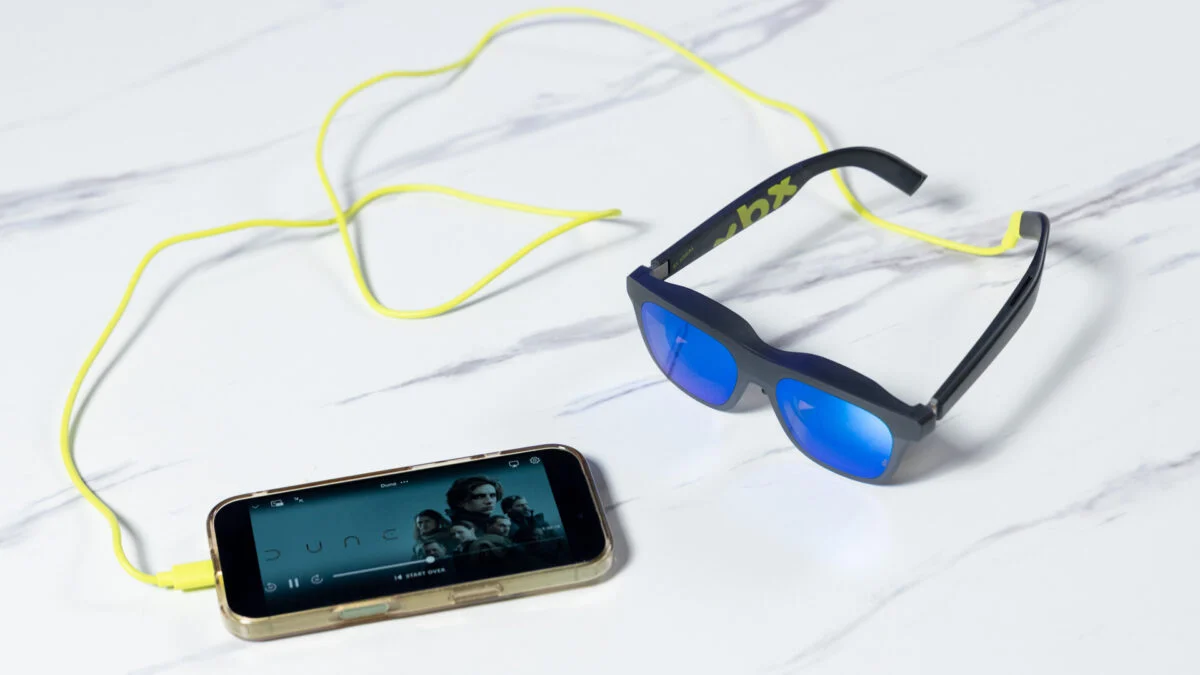
One surefire way to expand your potential audience is bringing the price down, and with the a01+, the first glasses under Xreal’s subbrand, X by Xreal (XBX for short), that’s exactly what the buzzworthy AR/XR company has done. At $299, the a01+ are Xreal’s cheapest glasses to date and easily its most accessible, but with heated competition from companies like RayNeo, are they really the pair you should buy? 3.5 X by Xreal a01+ The a01+ are entry-level AR glasses with a nice display for watching movies and gaming. They lack spatial computing abilities but push the category's boundaries with how light they are. Pros Very lightweight Solid display with HDR10 Cool customization if you plan to wear them in public Cons No spatial computing No companion app Sound and screen size aren't quite as good as RayNeo's Air 4 Pro Cheaper doesn’t always mean crappier © Raymond Wong / Gizmodo XBX’s a01+ glasses might be cheaper, but in my experience, they’re plenty for most people getting into video glasses for the first time, though there are some caveats. (Note: These glasses are compatible with iPhone 15, 16, 17 and any Android phone or gaming handheld that supports DisplayPort technology. They’ll generally work with any laptop or desktop with a USB-C input.) Like any video glasses, the first thing to note about the a01+ is the micro OLED display, which feels surprisingly nice for the price tag. It has a max brightness of 1,600 nits, a resolution (in 2D) of 1,920 x 1,080, and a max refresh rate of up to 120Hz. It also has HDR10 in addition to SDR modes and an AI mode that upscales SDR content to look like HDR.