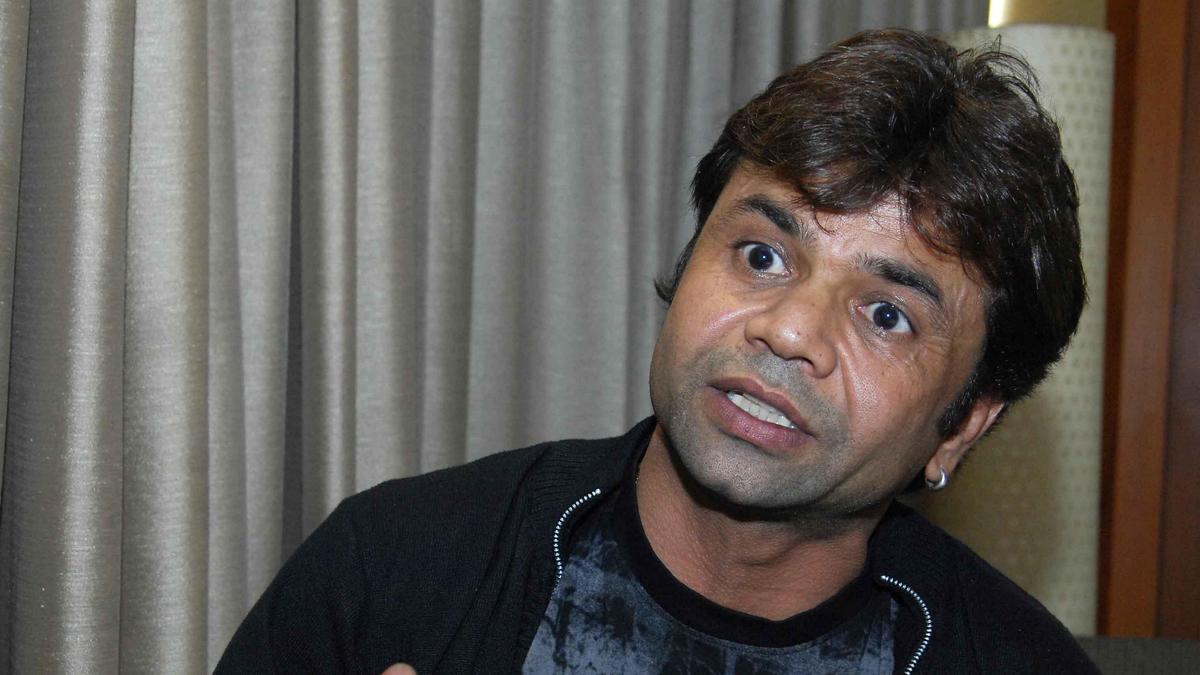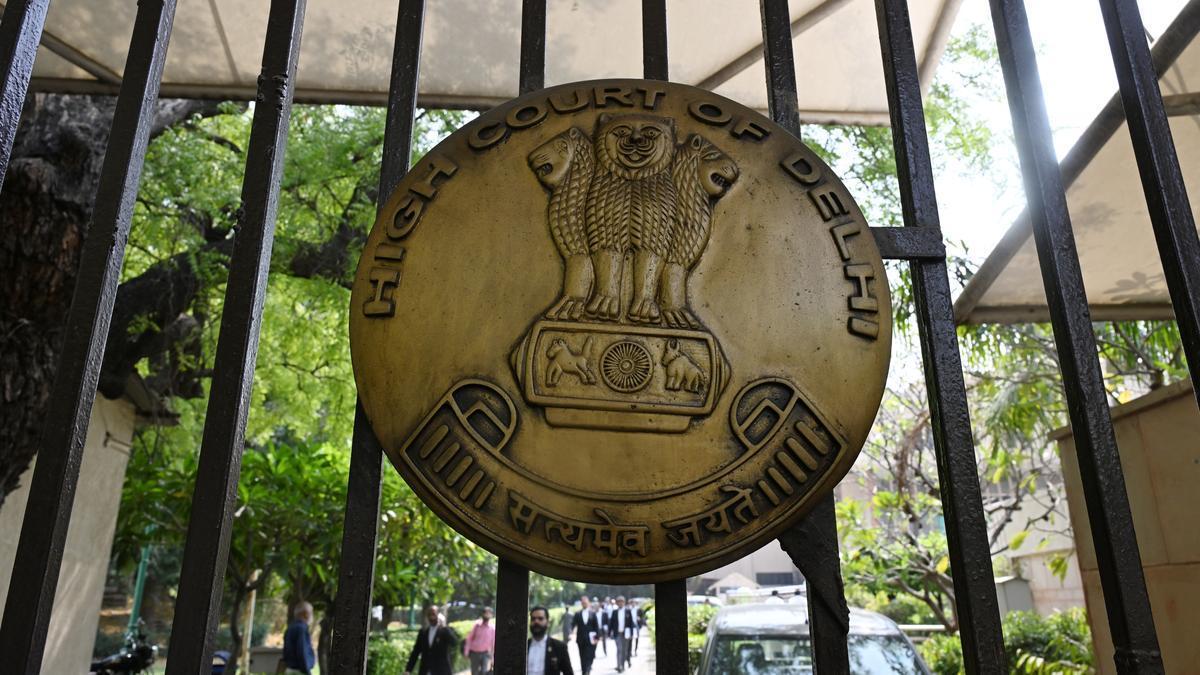
Image for the purpose of representation only.
| Photo Credit: File
The Delhi High Court on Friday upheld actor Rajpal Yadav's conviction in seven cheque dishonour cases arising out of the financing of his 2012 film Ata Pata Laapata and sentenced him to three months' simple imprisonment.The case traces its roots to the financing of Mr. Yadav's 2012 directorial venture, Ata Pata Laapata. The film's poor box office performance was followed by a default in repayment of the loan, culminating in the cheque dishonour cases.Justice Swarana Kanta Sharma noted that despite paying around ₹2 crore during the proceedings, Mr. Yadav later refused to make any further payment to the complainant and even told the court he "would rather go to jail five times than returning the money.""Needless to state that in case a litigant wishes to choose path of imprisonment rather than abiding by multiple undertakings given by him in the Court, it is entirely his choice. Law is not a script that can be rewritten at the will of an actor, nor can legal positions be altered with every change of strategy whosoever the litigant may be," Justice Sharma observed.Despite these adverse observations, and while refusing him the benefit of probation, the court reduced the actor's sentence from six months to three months in each of the seven complaints. It also granted him two months to approach the appellate court against the judgment and deferred the execution of the sentence during this period.The court directed Mr. Yadav to pay a fine of ₹1.05 crore in each of the seven cases. In default of payment of the fine, he will have to undergo simple imprisonment for a further period of six months.The court also directed Ms. Radha Rajpal Yadav to pay a fine of ₹5.51 lakh to the complainant in each complaint. In default of payment of the fine, she will have to undergo simple imprisonment for three months.During the proceedings, Mr. Yadav contended that he could not be subjected to imprisonment in the present complaint cases since he had already undergone detention in civil prison for three months in execution proceedings arising out of the money decree passed by the High Court. He argued that any further sentence of imprisonment would amount to "double jeopardy".The court, however, rejected the contention, noting that "The detention of petitioner no. 1 (Mr Yadav) in civil prison was not on account of conviction for any criminal offence, but rather, it was a consequence of the execution proceedings initiated for enforcement of the money decree passed by this Court".The judge further commented on Mr. Yadav's conduct, noting that on multiple occasions he had given undertakings before the Court regarding payment of the amounts due to the complainant, but had failed to honour them. Published - July 10, 2026 06:21 pm IST