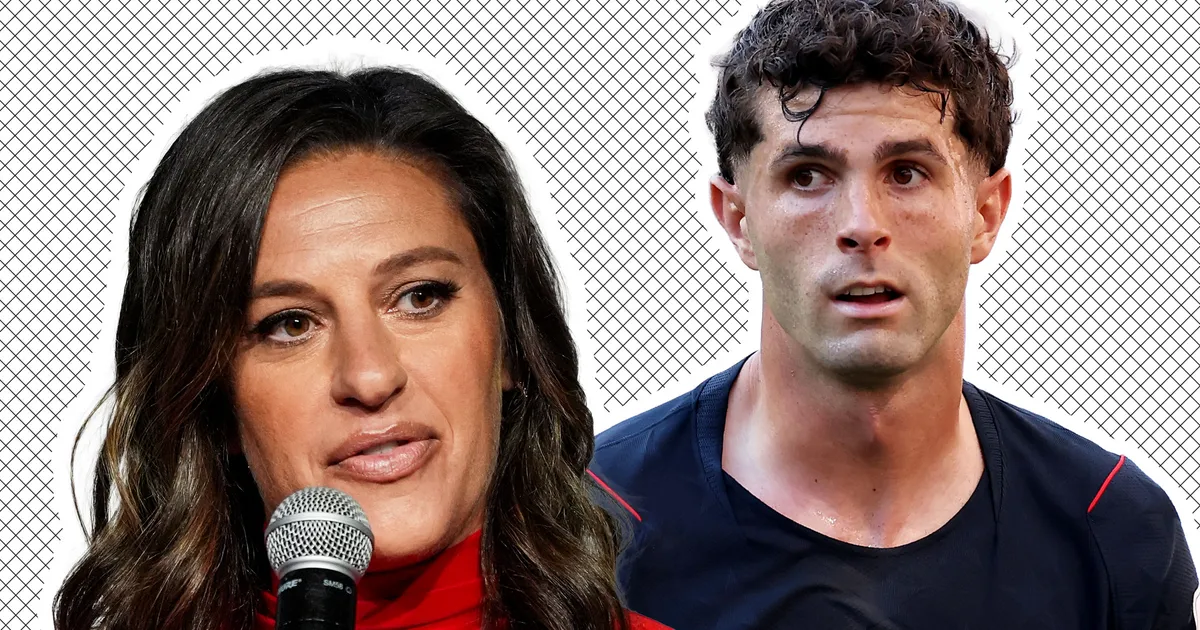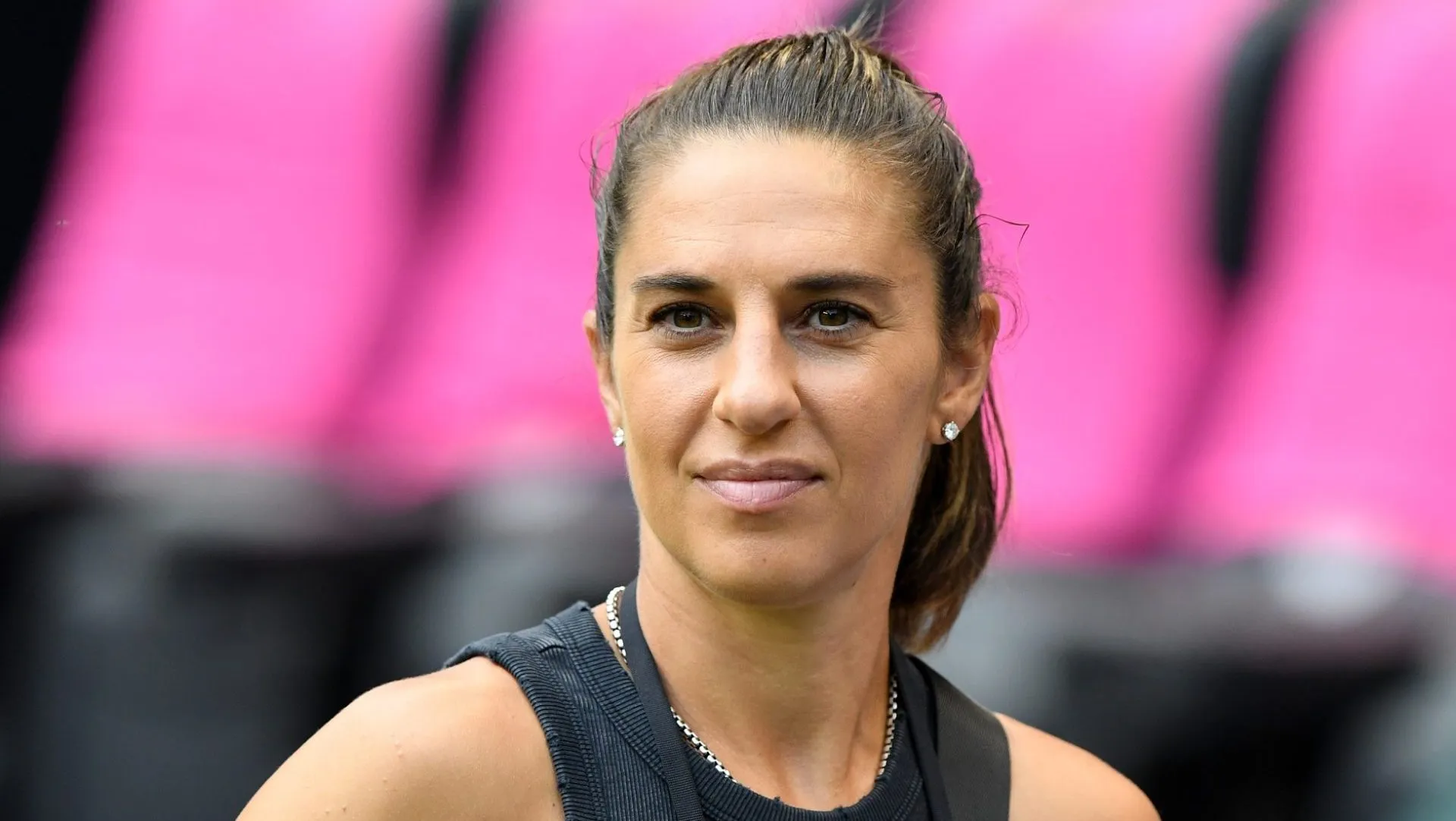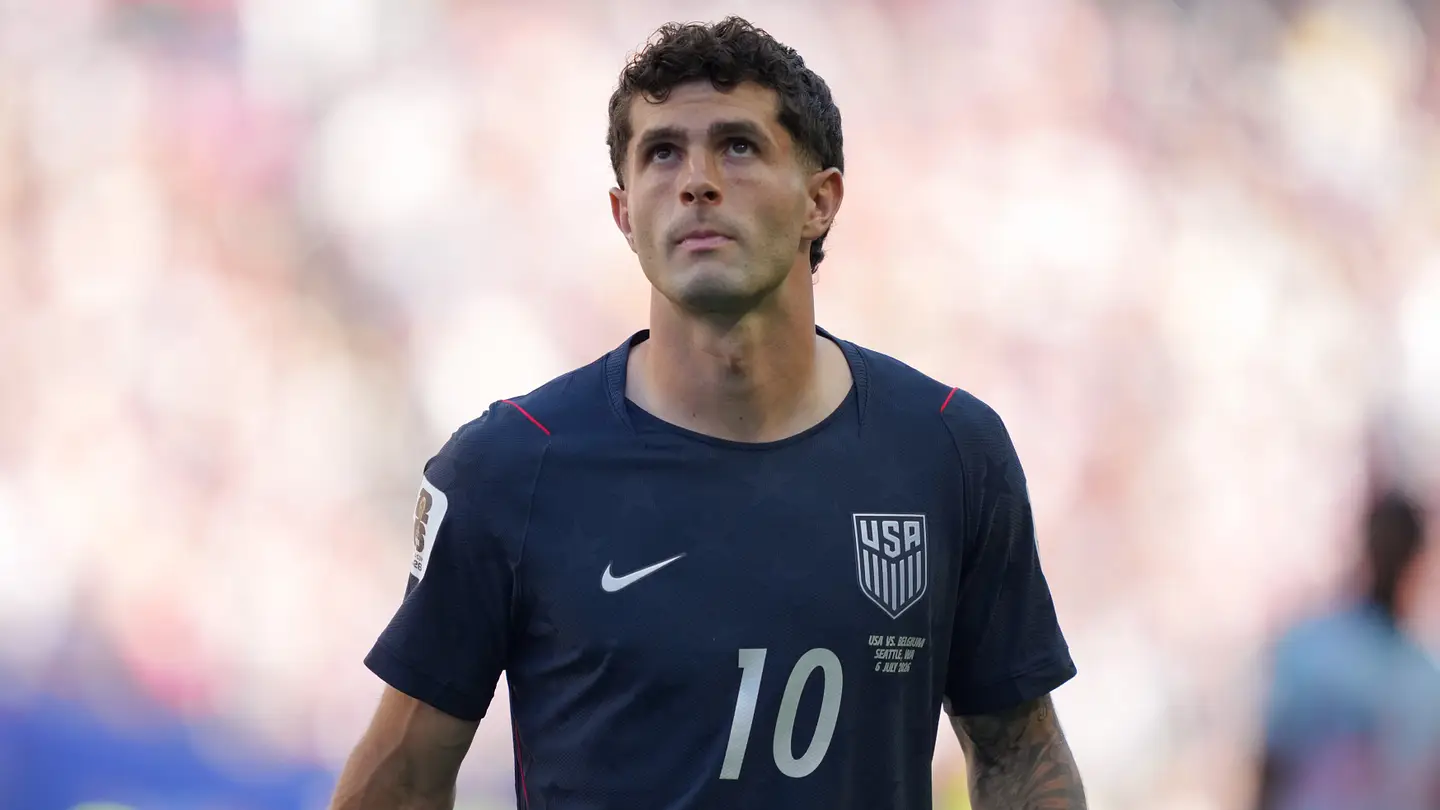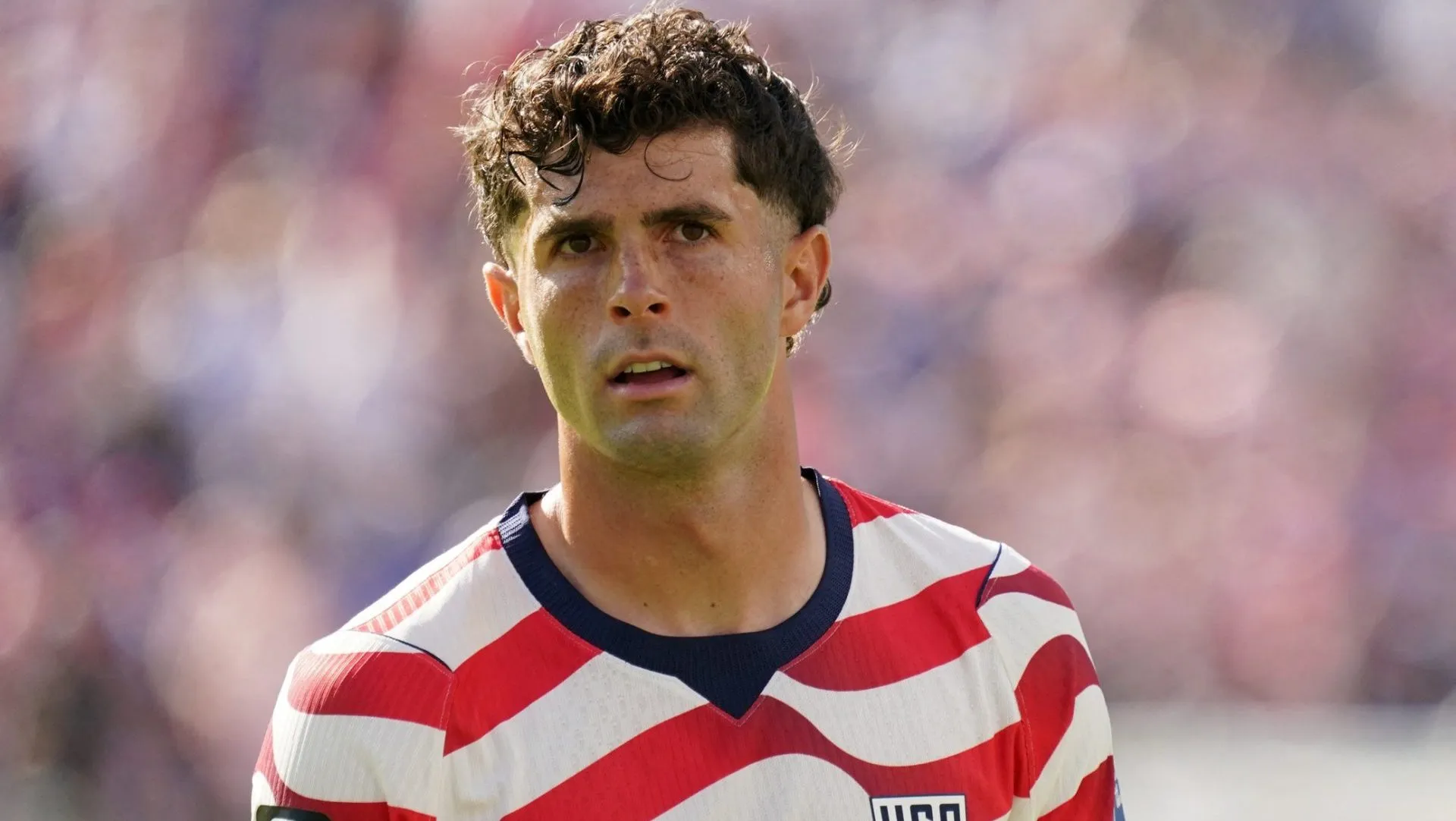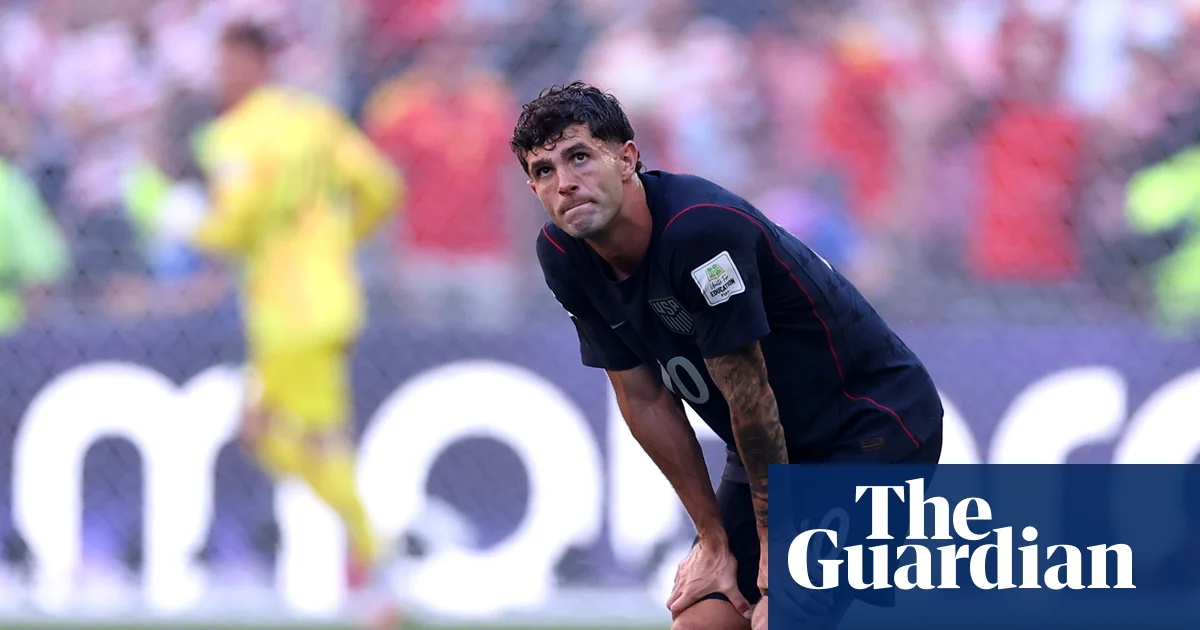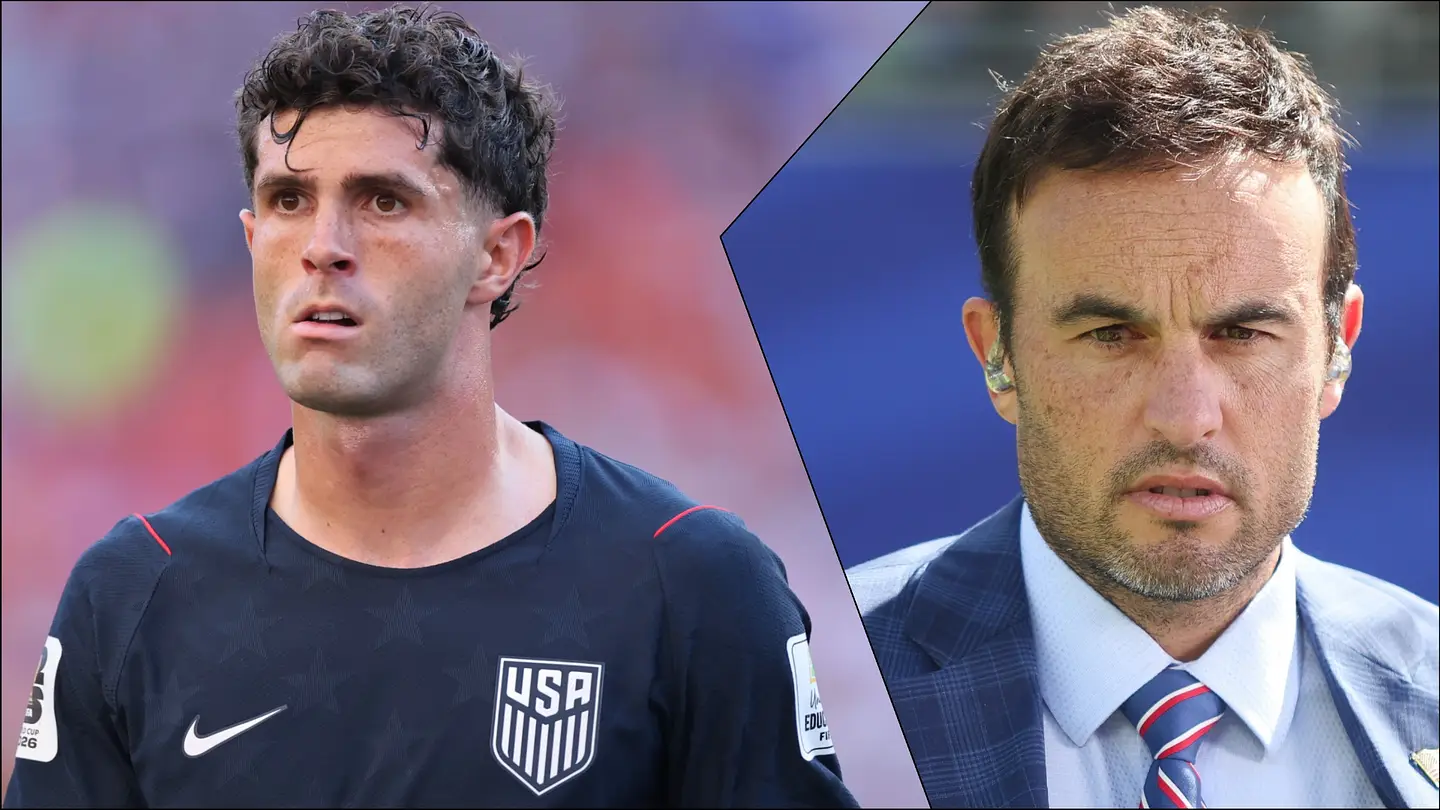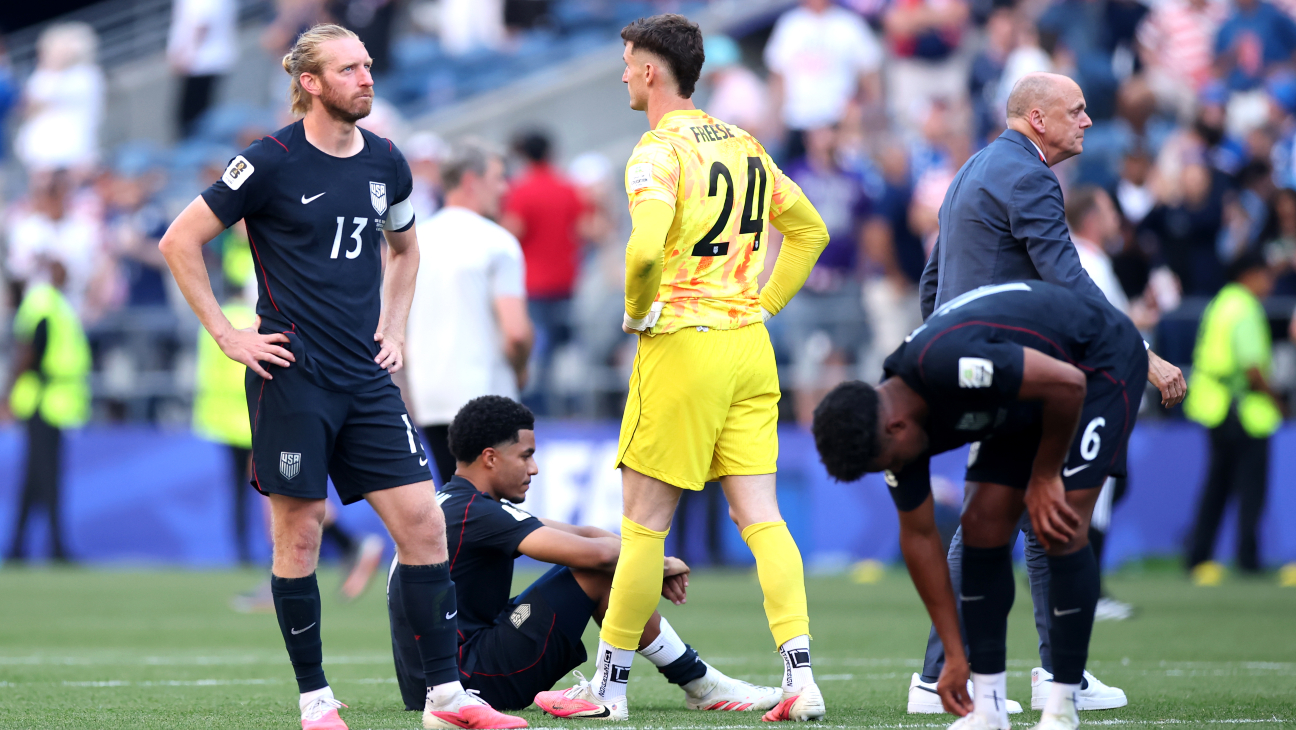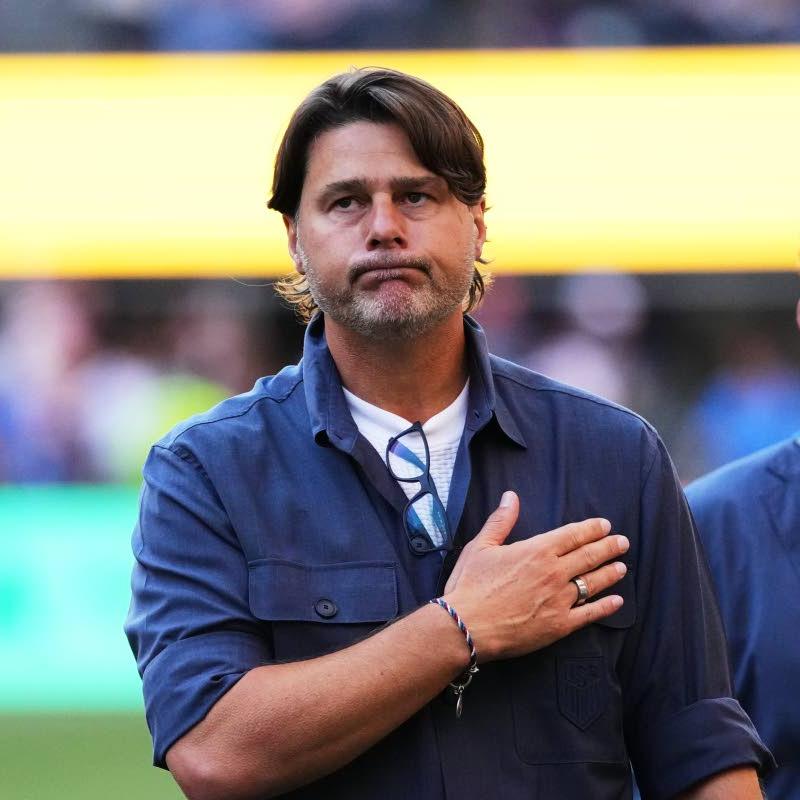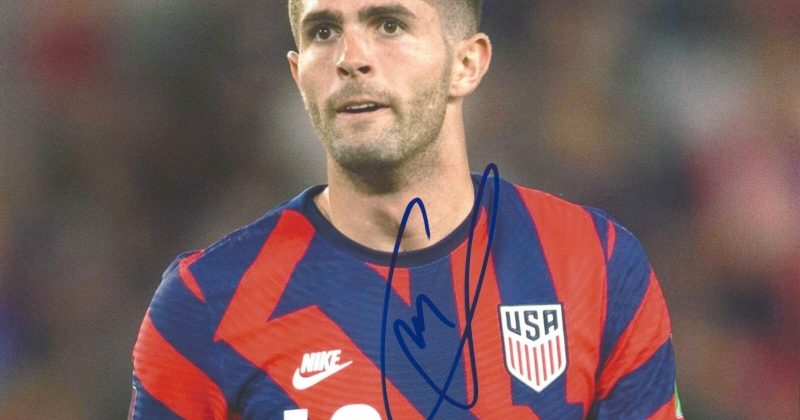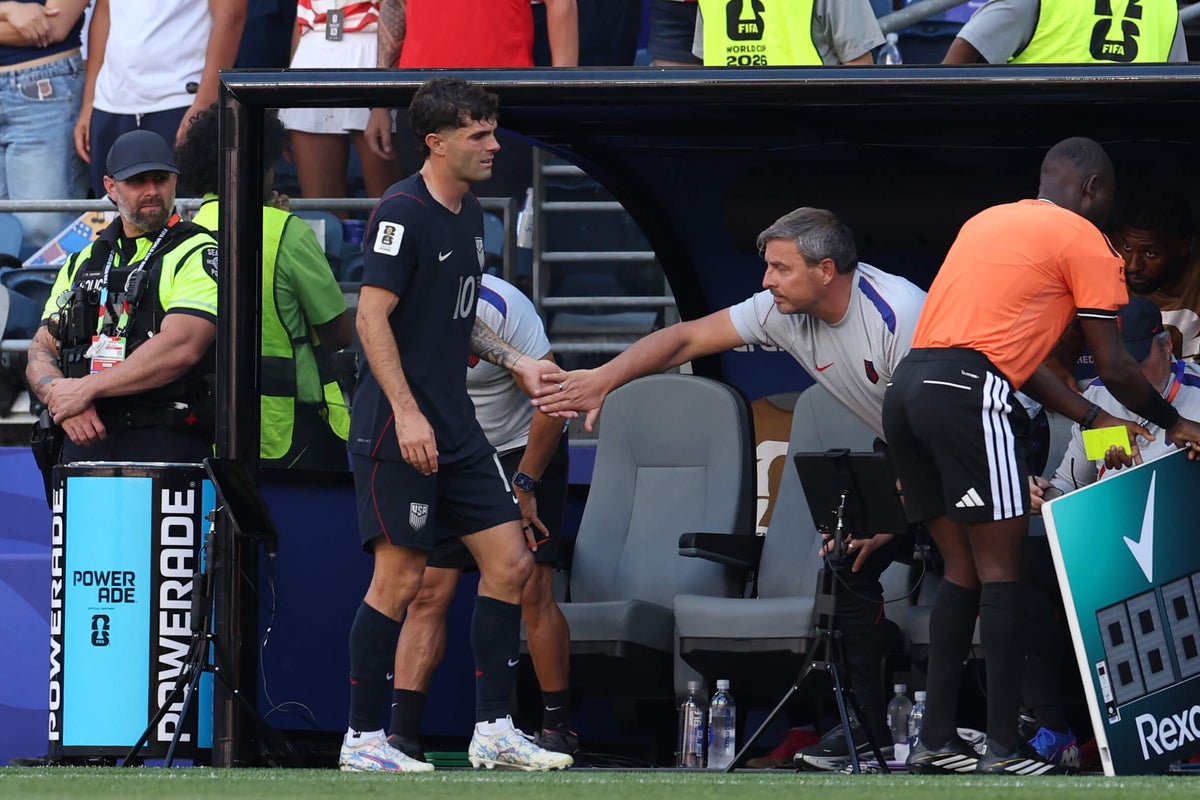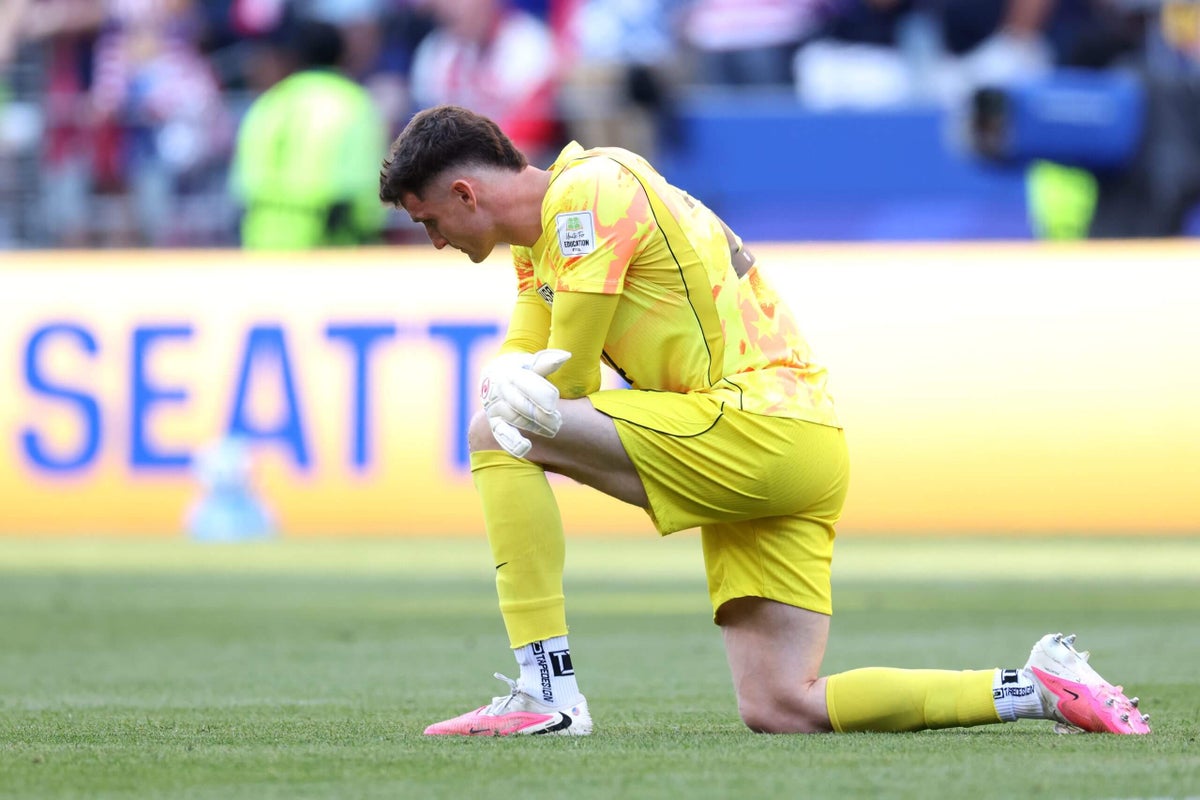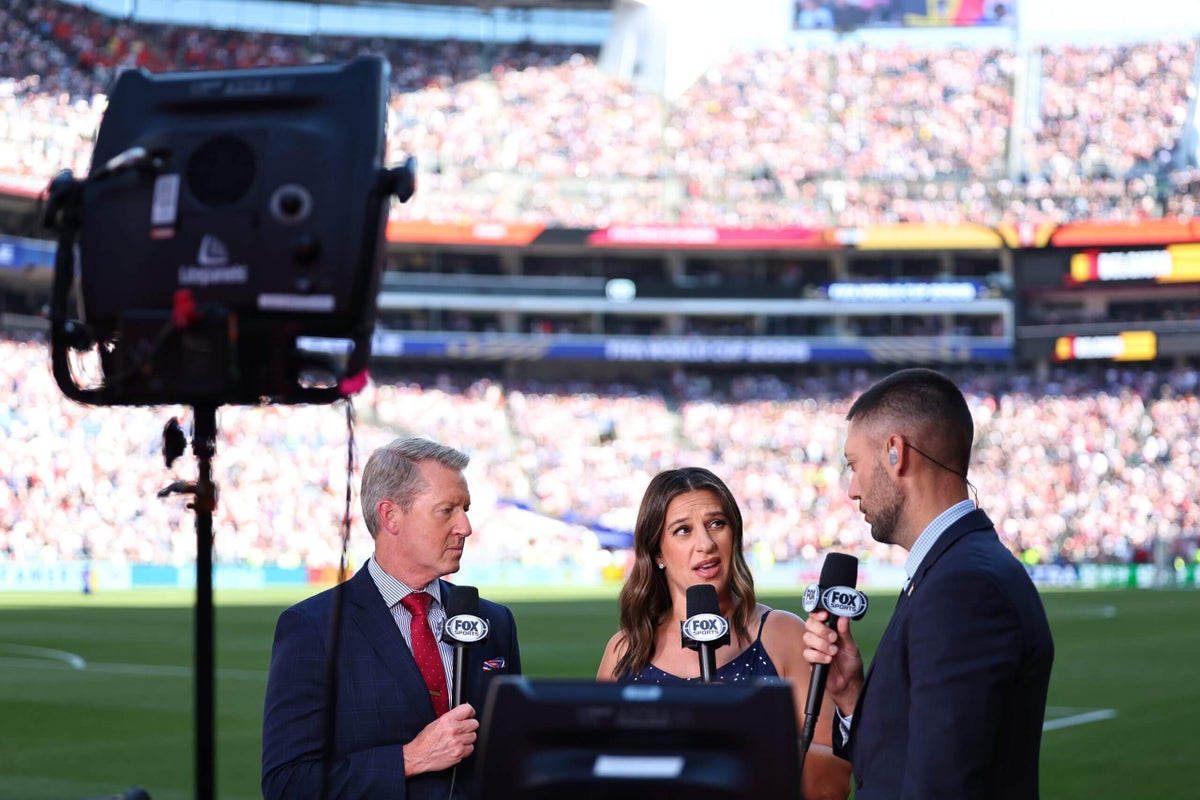
Carli Lloyd has never been particularly interested in softening her opinions.As a two-time World Cup winner and FIFA Player of the Year, she built a career around demanding more from herself.So when Christian Pulisic said he planned to take time away to rest after the U.S. men’s national team’s World Cup exit in the round of 16, Lloyd’s response was equally critical.“You rest when your playing career is over. Period,” she posted on X after the 4-1 loss to Belgium on Monday.For Lloyd, the debate is not solely about Pulisic’s need to rest but about the fact the USMNT did not rise to the occasion. U.S. Soccer later confirmed Pulisic sustained a microfracture in his right leg during the game, which will require several weeks of recovery.“It’s been tough because this group was supposed to be the one. Call them the golden generation or whatever you want,” she told The Athletic, “but if there was ever a World Cup where the U.S. men were going to break through, it was this one.”The U.S. men’s national team announced that midfielder Christian Pulisic suffered a microfracture in his leg against Belgium. (Carl Recine/Getty Images)Playing a home World Cup and drawn into a favorable group, many believed this was finally the tournament that would move the men’s program beyond its historical ceiling. For years, this squad had been billed as the “golden generation” of American soccer, the most technically gifted collection of American men’s players ever assembled.The Athletic’s writers who followed this team before and during the tournament described the hype around the team as it grew closer to the first whistle in Seattle against Paraguay three weeks ago. At the Seattle Mariners game they attended, they were introduced as “American heroes,” as they paraded one by one onto the field.“If there were any World Cup where a group was going to break that threshold, it was this one,” Lloyd said.Instead, something was missing long before the final whistle in Seattle’s Lumen Field.“It was almost like men against boys. Everything felt off,” Lloyd said of the U.S. in that final match. “I said on air that it looked like they had lost the game before they even stepped onto the field. They lacked confidence. They were tentative and timid, things you can control. That’s what made the loss so hard to watch. It finished 4-1, but it easily could have been six or seven. For former players and people who’ve been part of the program, it’s especially difficult because the expectations for this team were so high.”
Carli Lloyd reflects on Pulisic and U.S. men’s World Cup: ‘This group was supposed to be the one’
The World Cup winner did not mince words when talking about the U.S. men's performance at the 2026 World Cup
1,260 words~6 min read