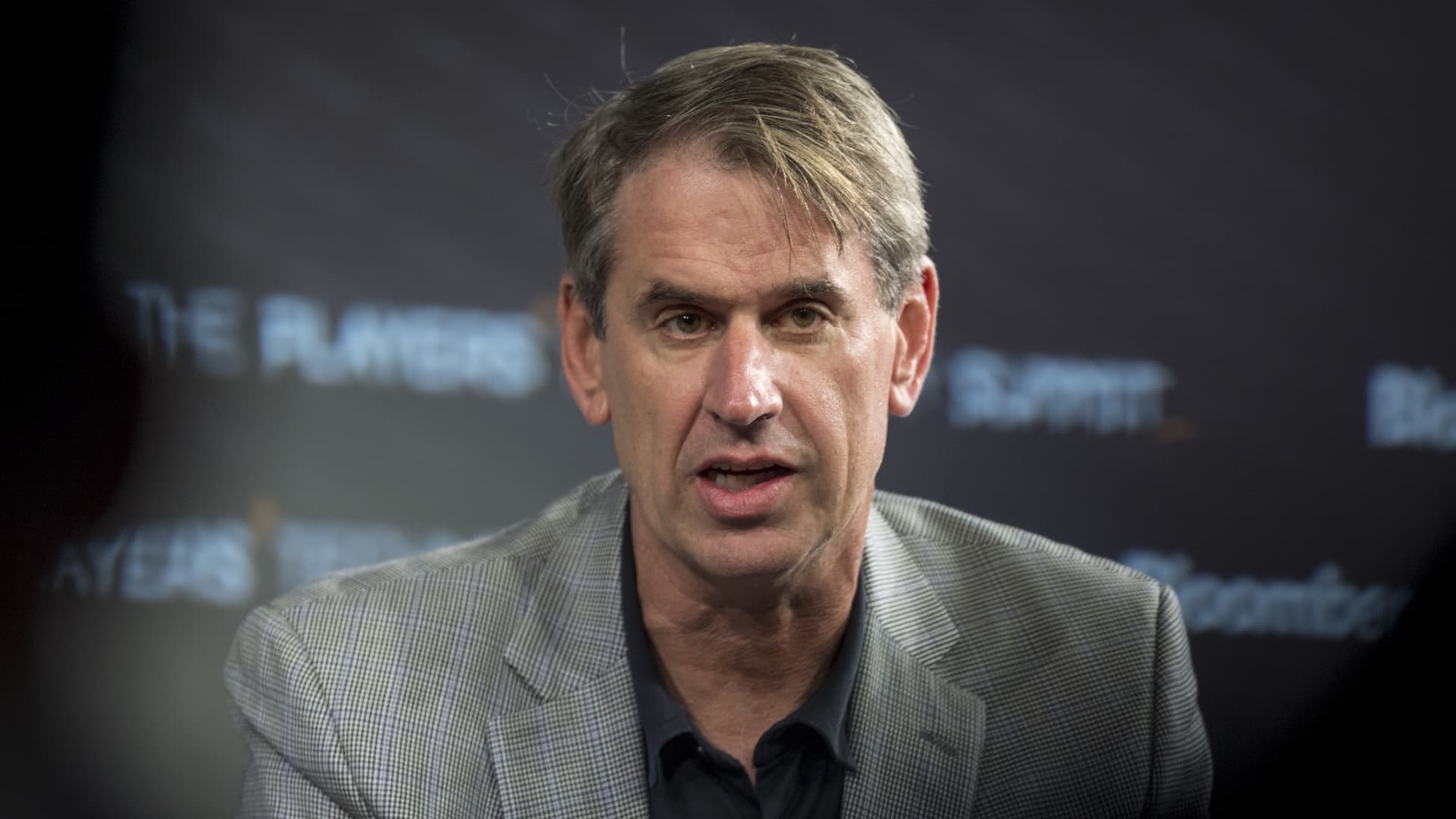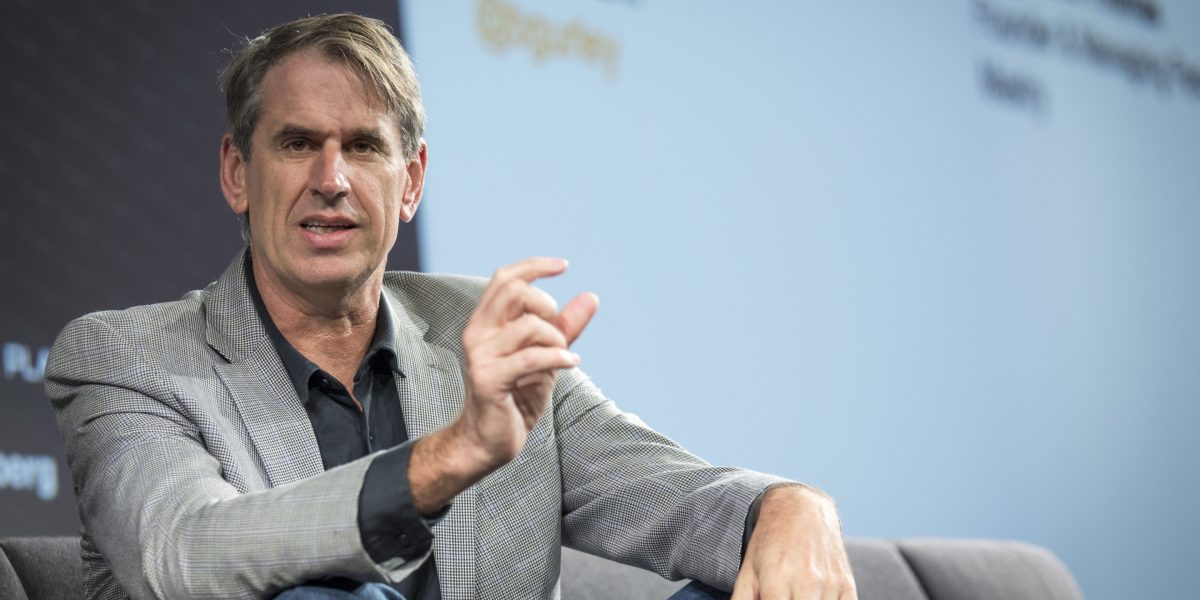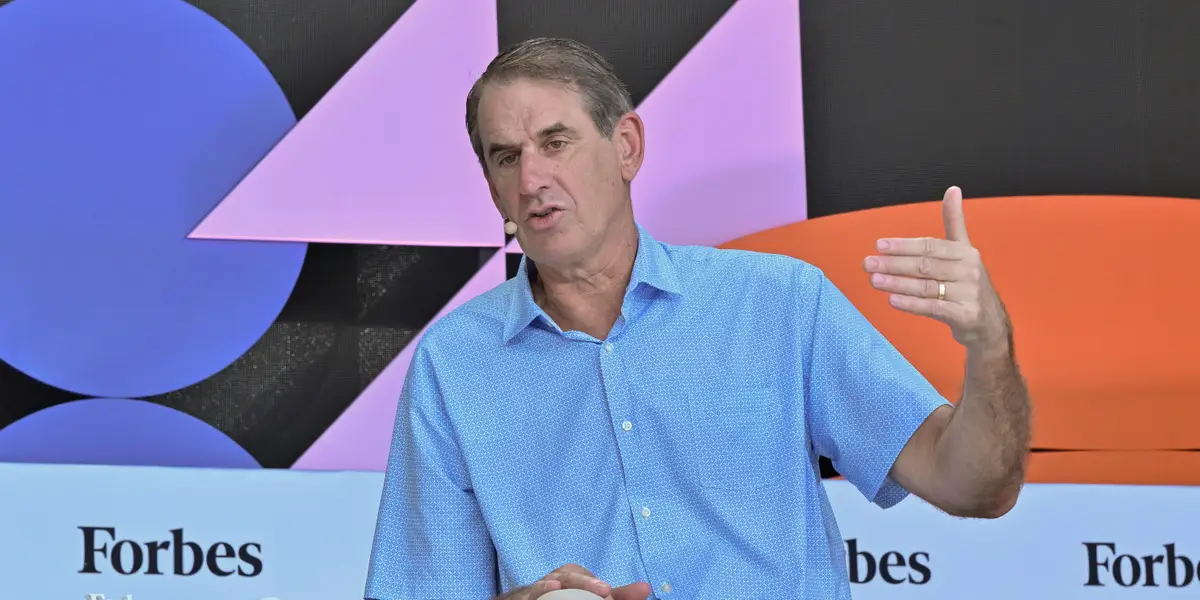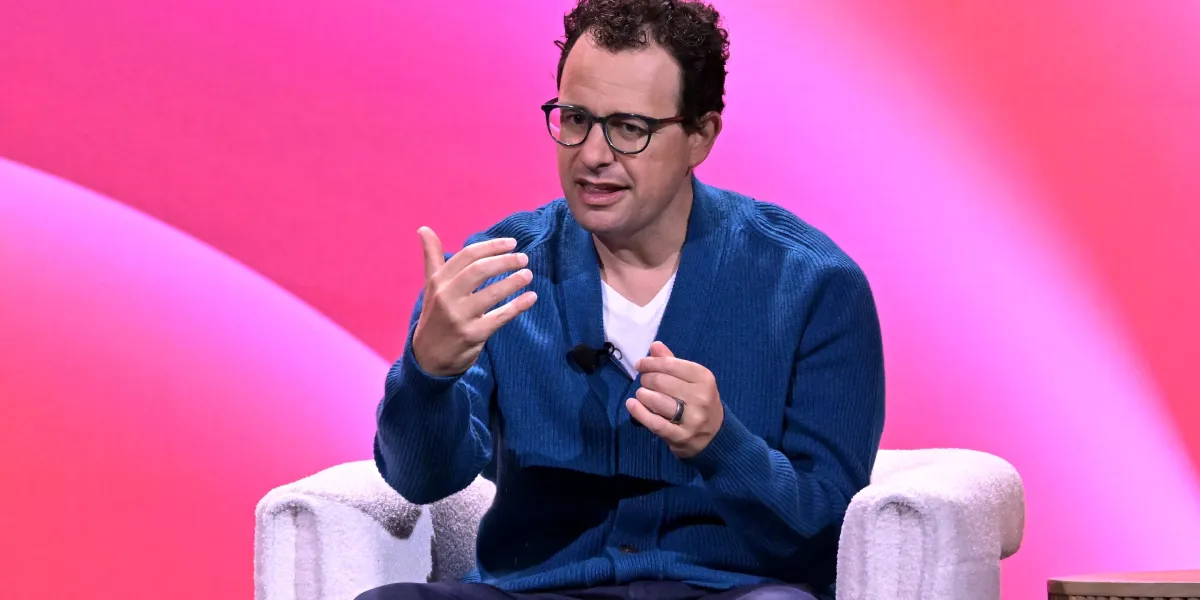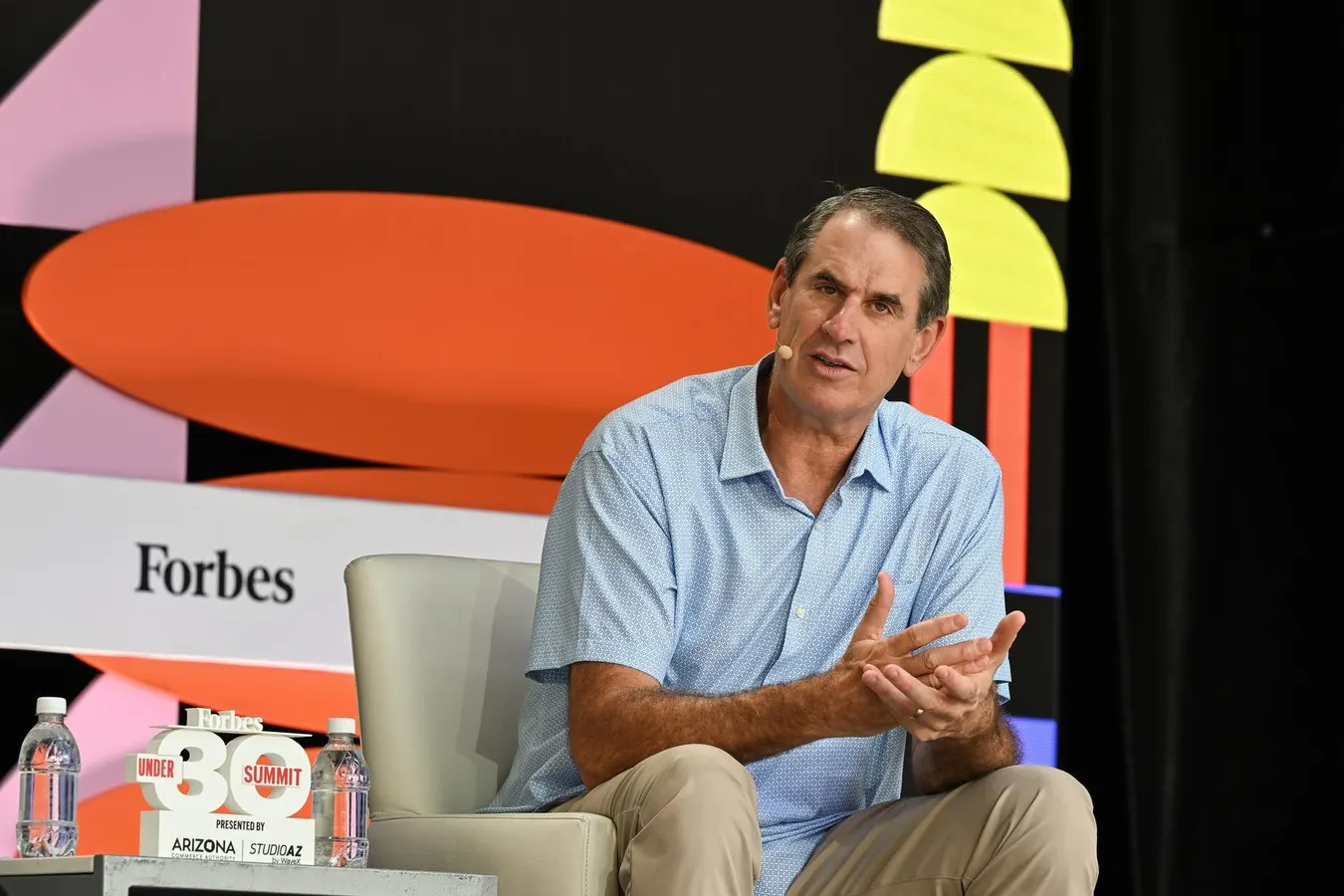
Think this is nice? It’s a version of the weekly Under 30 newsletter and would be even better in your inbox.Jamel Toppin for ForbesBill Gurley switched his career twice before ending up in Silicon Valley. First in computer engineering, which felt too siloed; and later working on Wall Street, but banking didn’t excite him. Venture capital, however, was the perfect match for his “personality, character, and curiosity,” he says. Today, he’s best known as an investor behind deals into tech companies like Uber and GrubHub early in their existence. But despite being involved in some of the most notable deals in recent history, Gurley warns against raising too much money today. Especially in a world where tech startups are reaching billion dollar valuations left and right (last year we compiled a list of 46 Under 30 alumni who have become billionaires since being named to the list), it might seem easier than ever for startups to raise. But that’s promised only to certain industries, Gurley says.“Most venture capitalists are so focused on AI that they won’t pay attention,” he says, adding that “you have this situation where the AI companies are raising money at crazy valuations, and the non AI companies can't raise money at any valuation, so it's a really stark contrast.”Meanwhile, many of the VC firms hoping to back these booming AI companies have, too, raised a lot more money. And it’s caused a wave of proactive investing.“If a company’s working, they proactively go to them and ask them to take money,” he says. “People are just showing up at the door, in many cases with the implication that if you don't take the money, they'll give it to the competitor.”It’s true: We’ve covered startups like Mercor, the makers of AI coding tool Cursor, who, at the time of speaking to us last year never asked for funding yet had raised more than $135 million; or Radar, a retail tech startup that set out to raise $60 million but ended up with a $170 million Series B this year. This proactive funding is worth taking a pause, Gurley advises. “When taking lots of money you don’t need, you're naturally going to take your burn rate up, which I think of as a risk,” he says. “It becomes harder and harder to truly understand your unit economics the bigger that burn gets."Plus, with high funding comes high expectations: “Founders should always realize, and young ones don’t always understand, that valuations represent discounted future expectations. The higher the valuation you take, the more is expected of you. A slight misstep, and you could be way underneath."All this advice and more is in the latest episode of the Forbes Under 30 Podcast. Episodes one (with creator and barber VicBlends) and two (with Cloaked CEO Arjun Bhatnagar) are live on YouTube, Spotify, or wherever you get your podcasts now. Episode three with Bill Gurley will air Monday at 9am EST. See you there, Alex & ZoyaIntroducing: The Under 30 PodcastForbes.comEveryone sees the success. We uncover the climb. Go behind the scenes with Forbes Under 30 founders, creators and musicians—and the investors and mentors who backed them—to hear the real stories, lessons and pivotal moments behind building something that lasts. Find season one here. Lister Lowdown-Twelve Labs, a 2025 Under 30 AI company, raised $100 million in a Series B funding round co-led by New Enterprise Associates (NEA) and NAVER Ventures. The startup developed AI models that can process and understand vast video archives and intends to use the new funding to build what it calls “video superintelligence.” Radical Ventures, Korea Investment Partners, Index Ventures, Quadrille Capital and Red Bull Ventures also participated in the round.-2024 Under 30 Consumer Tech company GPTZero, the startup behind a detection tool that identifies whether text was written by a human or generated by AI, has been acquired by Superhuman. Superhuman, an AI email automation startup, became part of Grammarly through an acquisition, and Grammarly later adopted the Superhuman name as its corporate brand. The company already offers a suite of AI-powered writing and detection tools. Financial terms of the acquisition were not disclosed.-Under 30 alum and Forbes billionaire Palmer Luckey has set out to change the game of data centers. His military startup Anduril has reportedly built a deployable data center that can be transported in a container and be operational within 10 minutes. It’s intended for use on battlefields and other challenging environments. The new project was unveiled in partnership with Amazon Web Services.On Our Radar-OpenAI closes in on the healthcare industry. With millions of people already using its ChatGPT for health advice, OpenAI has launched three new products in the last six months, including ChatGPT for Clinicians and ChatGPT Health, which can integrate with existing apps like Apple Health or MyFitnessPal. Will its AI be accurate enough for the challenge? (Forbes)-More on health and AI: Midjourney, the popular AI image generation tool, is opening up a luxury spa in San Francisco. (Yes, you read that right). As one might expect, the project will include machinery like an underwater, full body scanner. You also have the good old hot tubs and saunas though. (Business Insider)
Bill Gurley’s Expert Advice On Investing When Valuations Are Sky High
Uber and GrubHub investor Bill Gurley says AI companies are raising at "crazy valuations," while the rest of the market is struggling to raise at all. Here's his advice.
860 words~4 min read