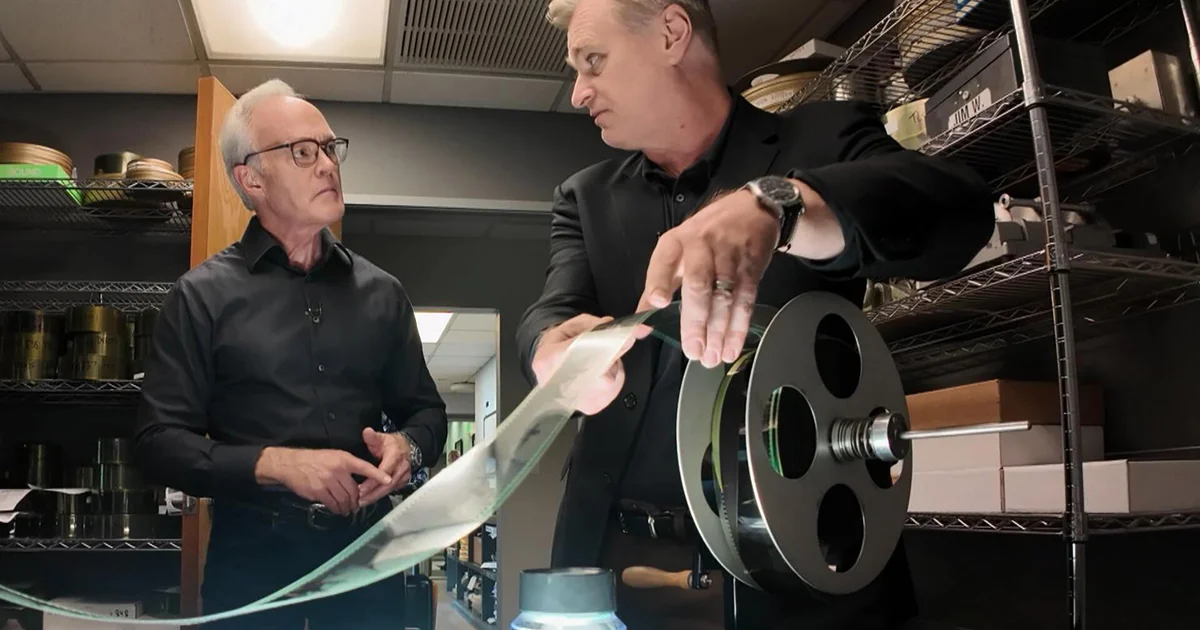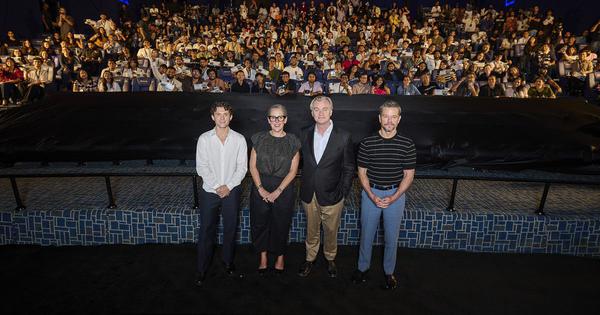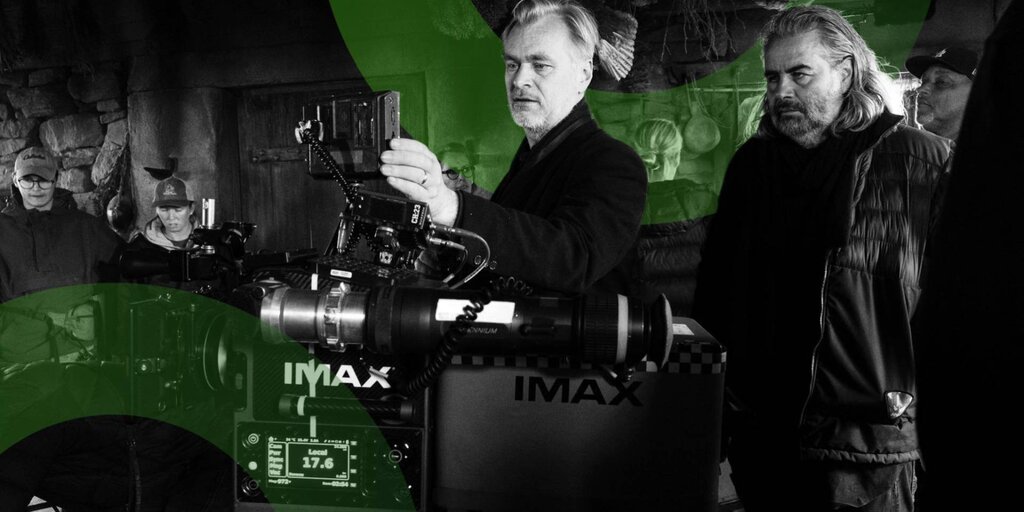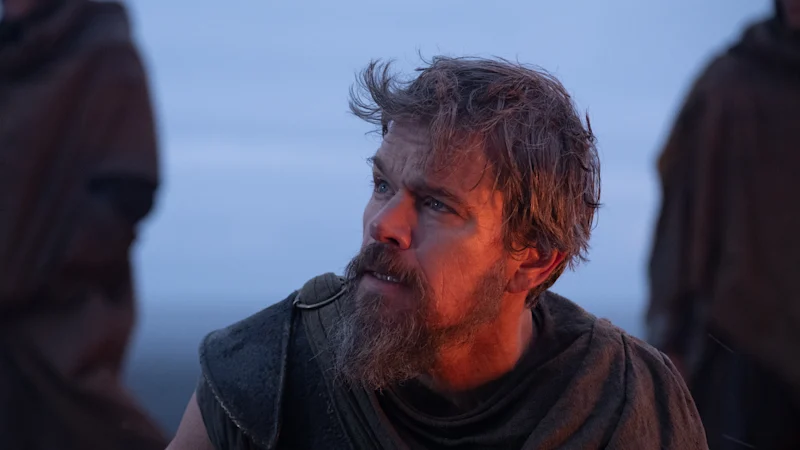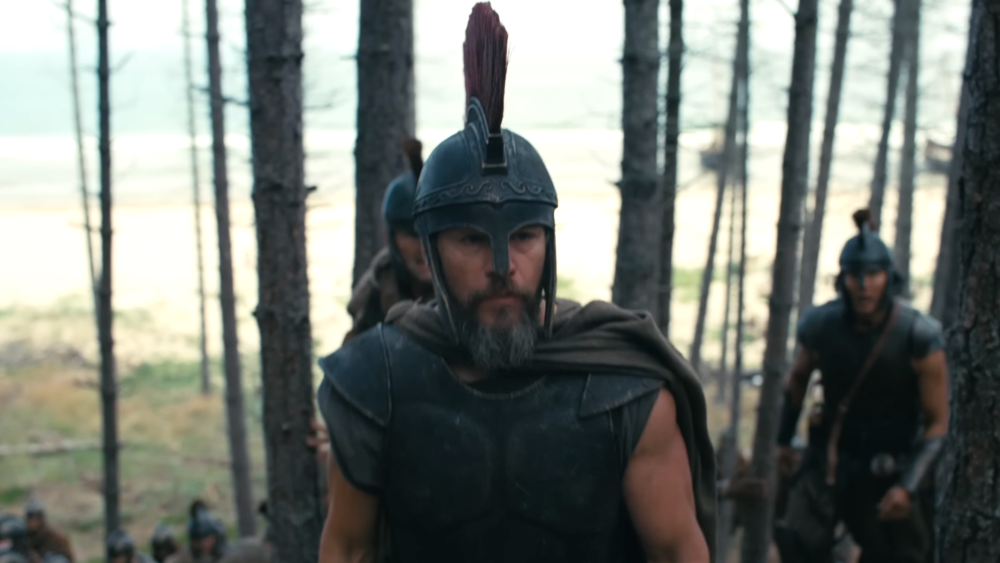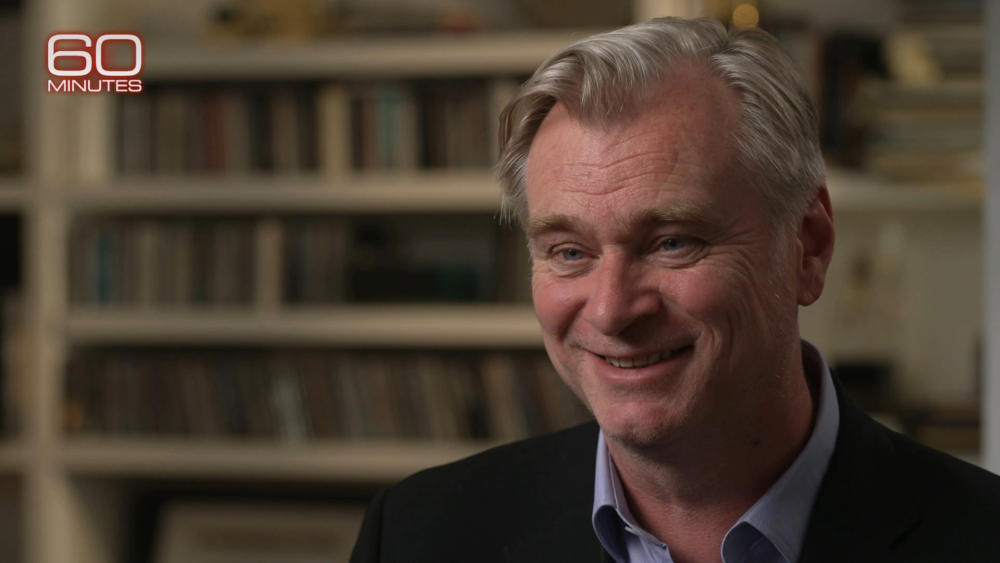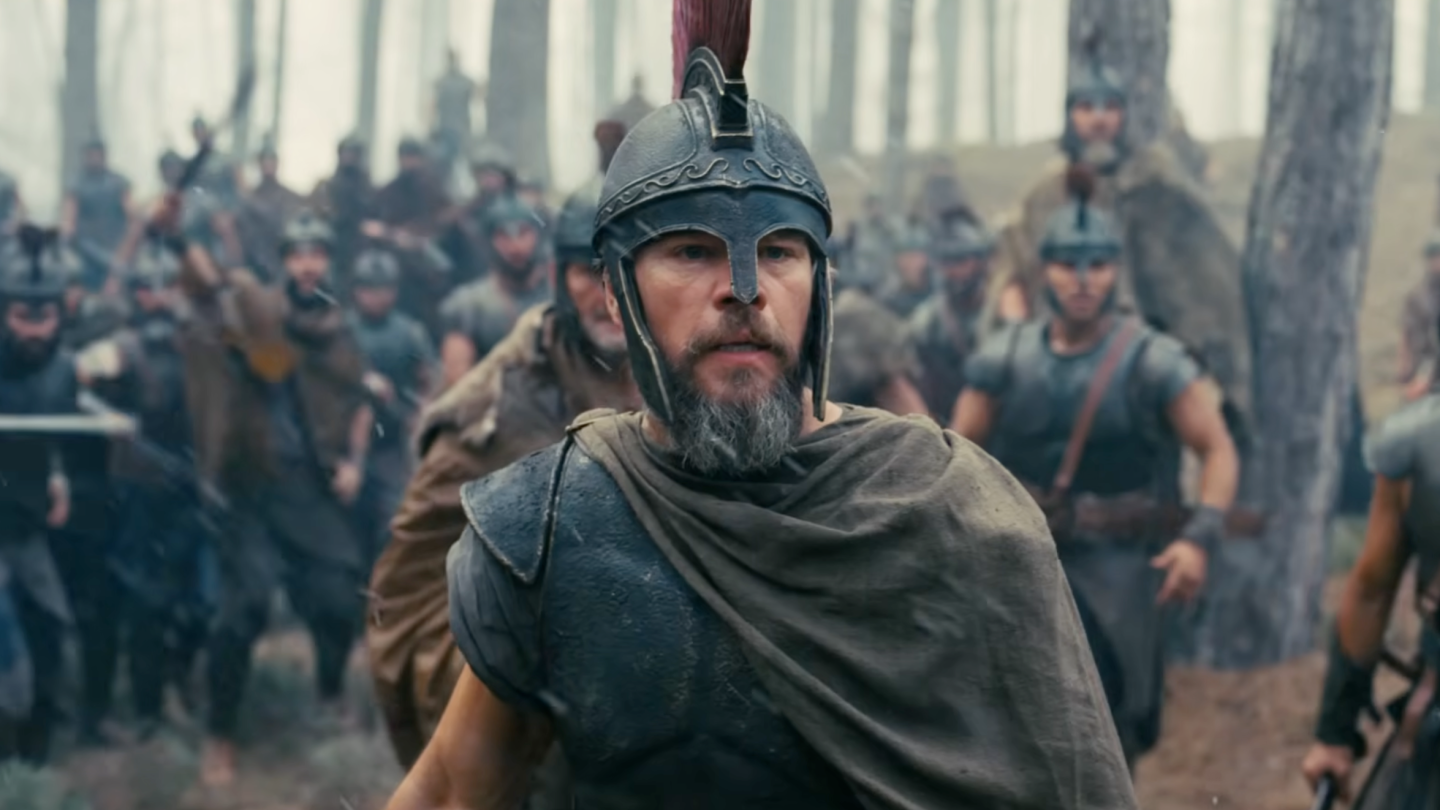
One week from today, on July 17, I will take my family to see Christopher Nolan’s “The Odyssey.” We will watch it in IMAX, shot on cameras built for the movie. My teenagers and I will turn our phones off and give the expected blockbuster our undivided attention. Millions of other families will do the same, because it’s exactly the shared experience film was built to deliver.
I spent two decades in television, before leaving in 2016 to found a podcast company well before it was fashionable. Today I advise media companies and I spend a lot of time thinking about the opposite of the IMAX experience: a new audiovisual language called Vertical.
Film came first. Then came television. They were born miles apart, with different talent pools, aesthetics and business models. You bought a ticket to watch a movie on the biggest screen you could find, uninterrupted. Television came to your home, so it had to compete with dinner and the phone ringing. Writers, actors and directors for both languages had those constraints in mind.
For nearly a century, film was considered the superior art. But as a business, television always had the upper hand, built on habit, repeat viewing and often higher profits. Some of television’s most successful formats – including live news, sports and game shows – weren’t suitable for theaters.