By Editorial Dept - Jul 10, 2026, 6:30 AM CDT
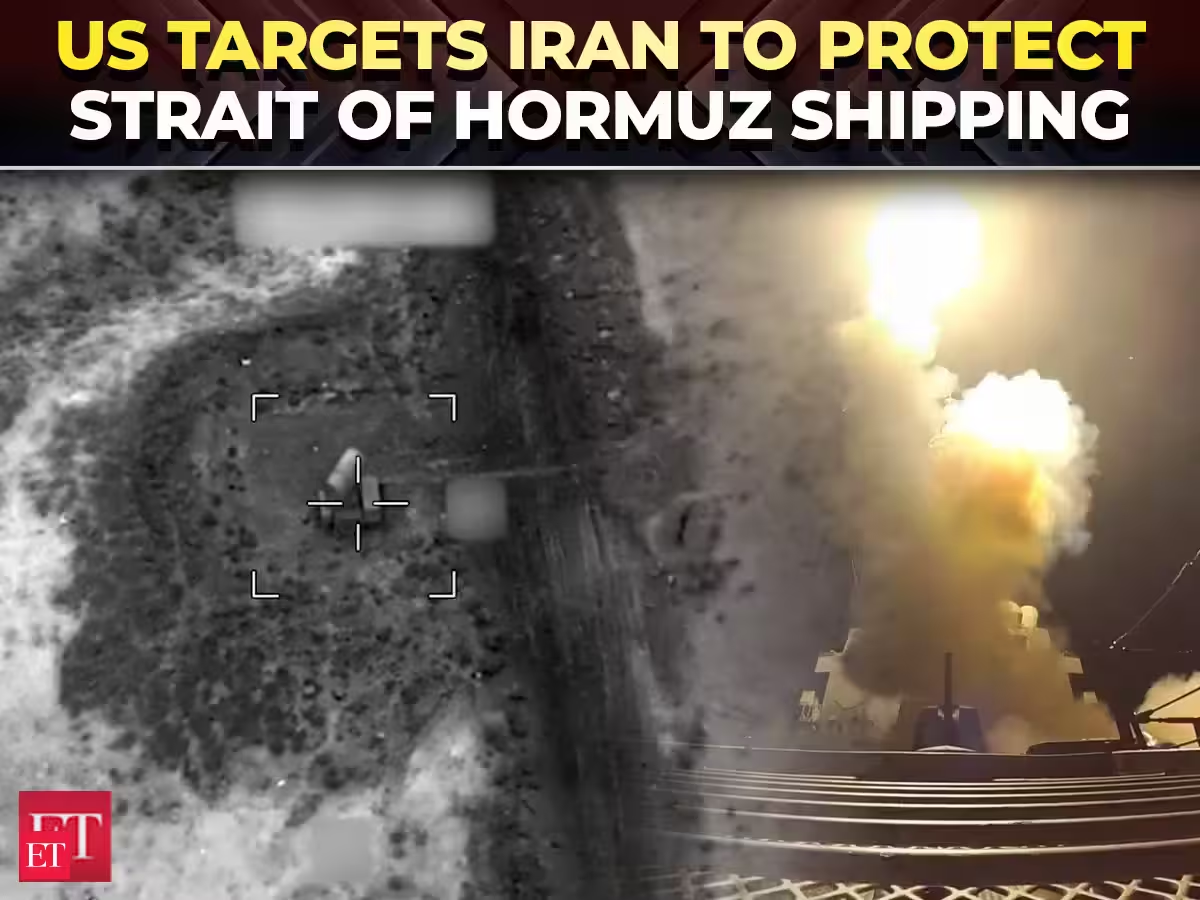
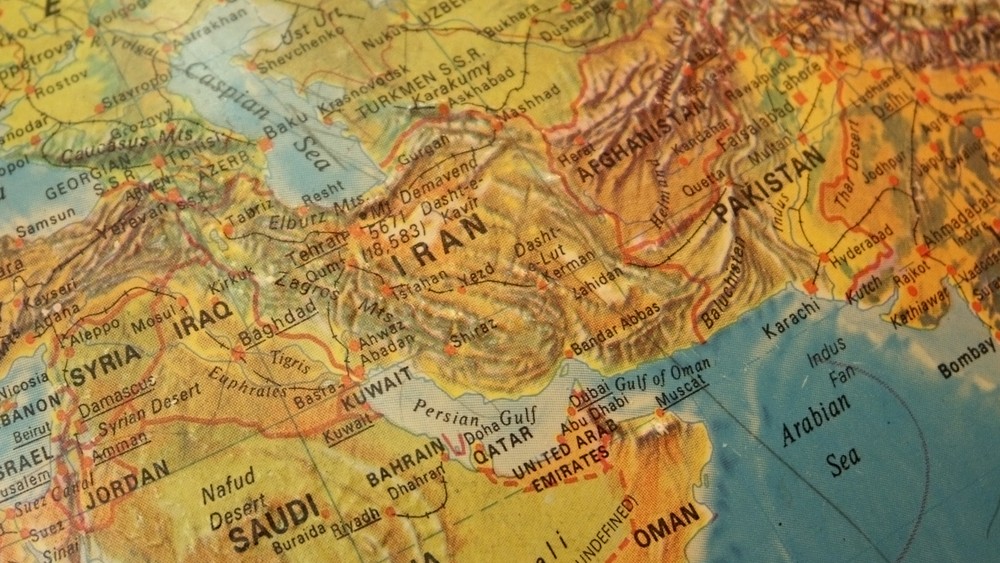
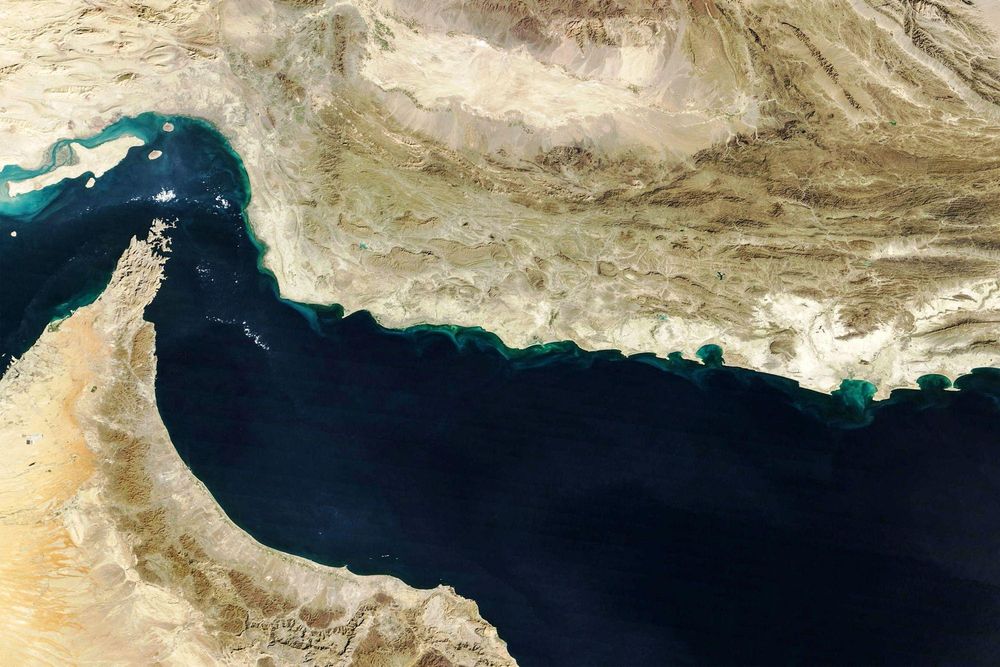
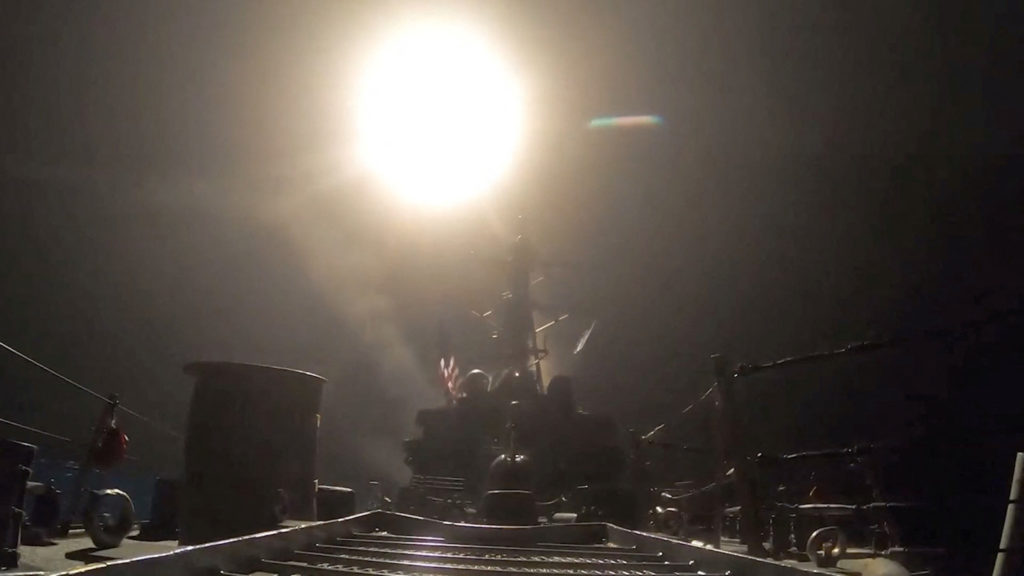
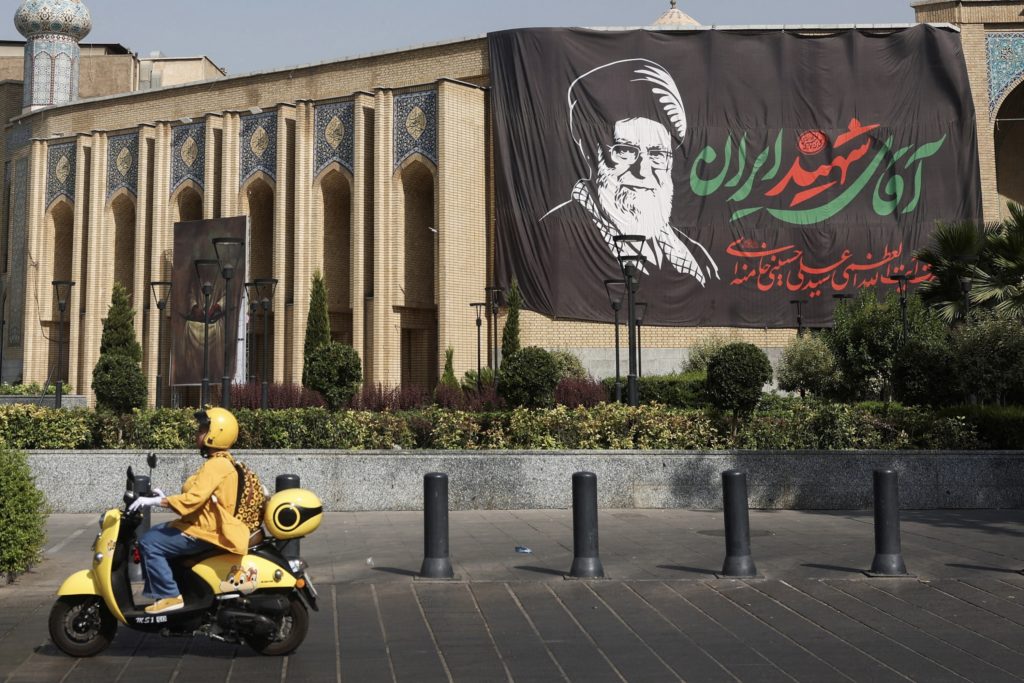
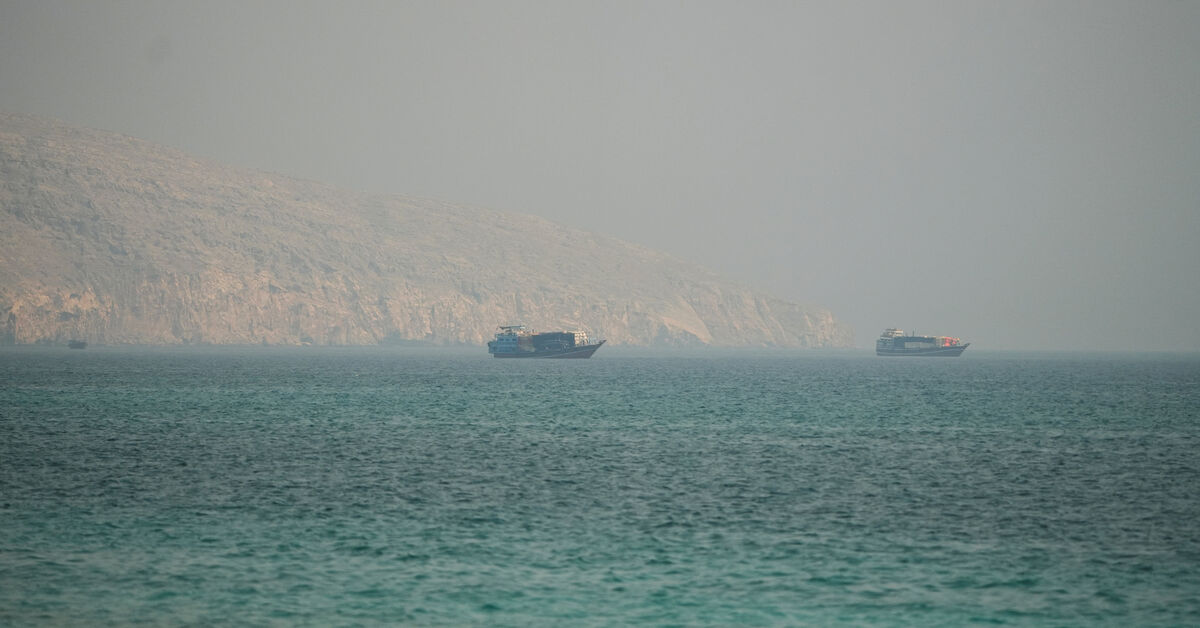
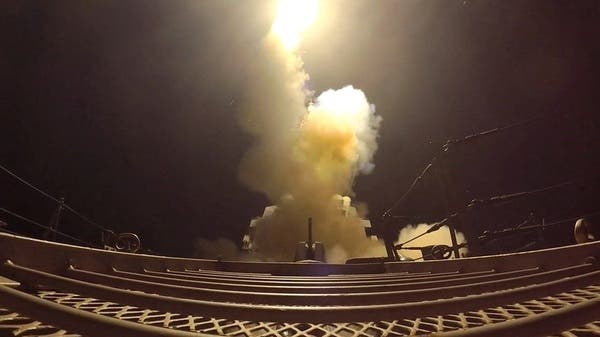
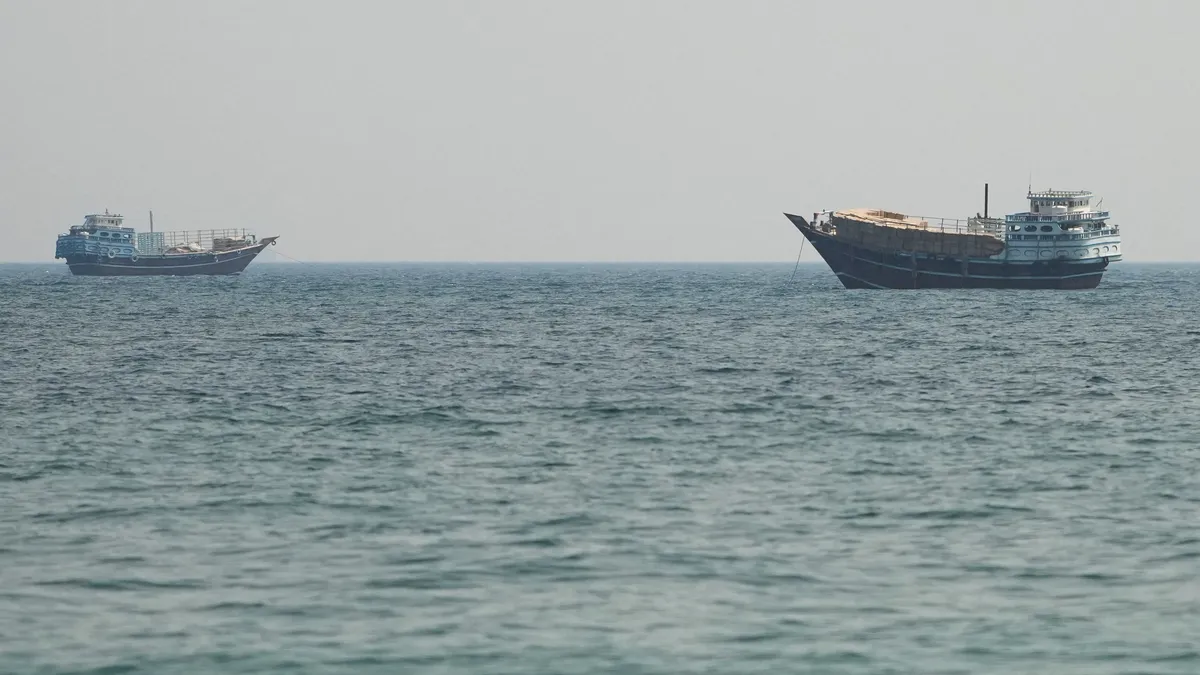
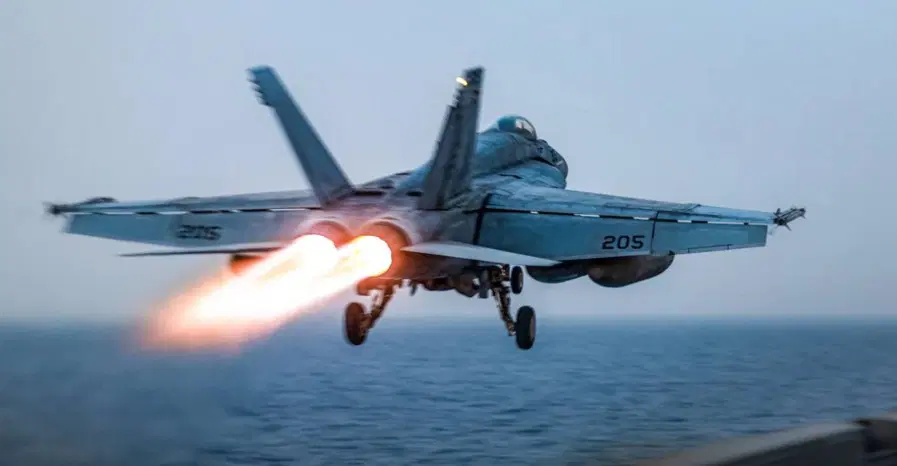
The U.S. launched another major round of strikes across Iran this week, targeting roughly 90 military sites, including coastal radar installations, anti-ship missile batteries, drone launch positions, command networks and IRGC naval assets around Hormuz. Tehran responded within hours with missile and drone attacks against U.S. military facilities in Bahrain, Kuwait, and Qatar while insisting it will continue enforcing its own navigation regime through the Strait. For Tehran, control of Hormuz is now the top strategic objective. Western intelligence assessments conclude that Tehran is prepared to accept renewed military escalation rather than relinquish control over commercial traffic through the strait. Despite repeated U.S. strikes against coastal radar sites, anti-ship missile batteries, drone launch positions, and IRGC naval assets, Iran is not backing down on Hormuz. Commercial vessels that refuse to use Tehran’s designated transit routes are under attack, and military pressure is doing nothing to change that as of the time of writing. At the same time, Iran is busily regrouping and restoring capabilities. U.S. officials now assess that Tehran has replaced portions of its coastal radar network, recovered or repaired hundreds of missiles and launchers damaged during the war, and regained access to more than half of its prewar missile inventory.Iran lost its diplomatic game when Gulf states and Washington rejected its proposals to formalize…