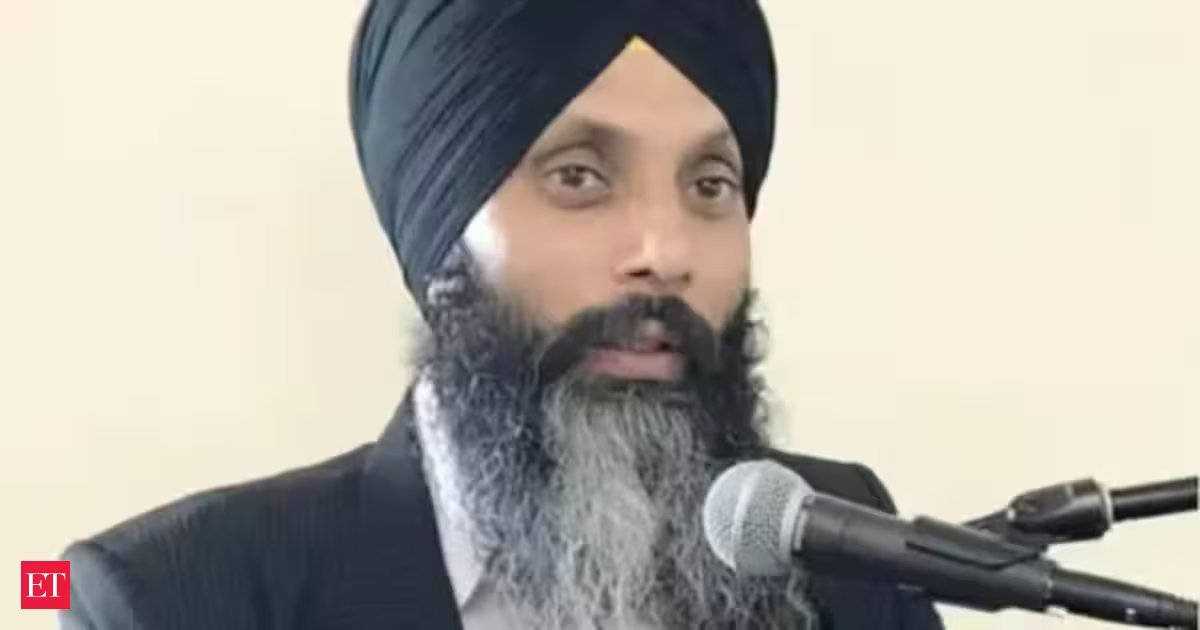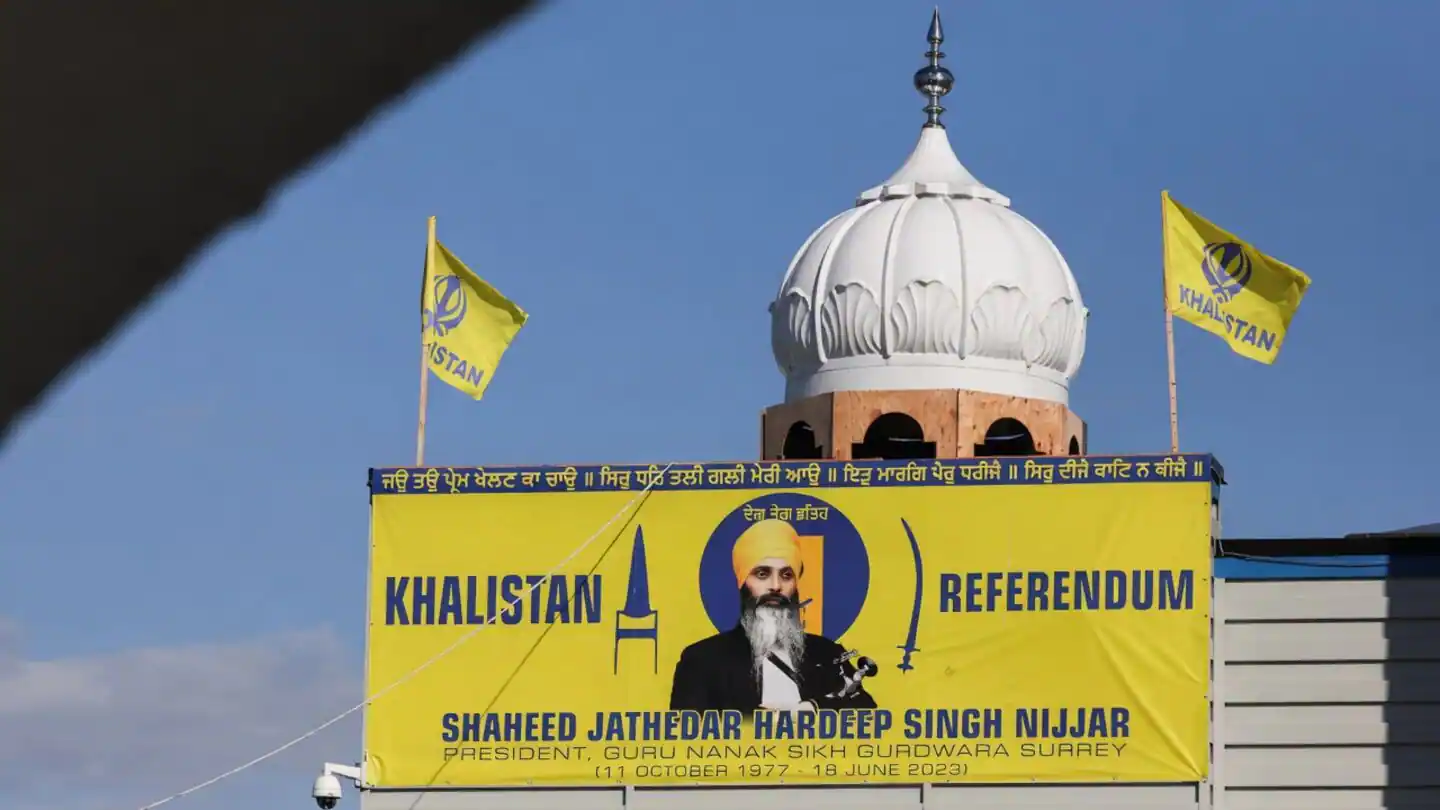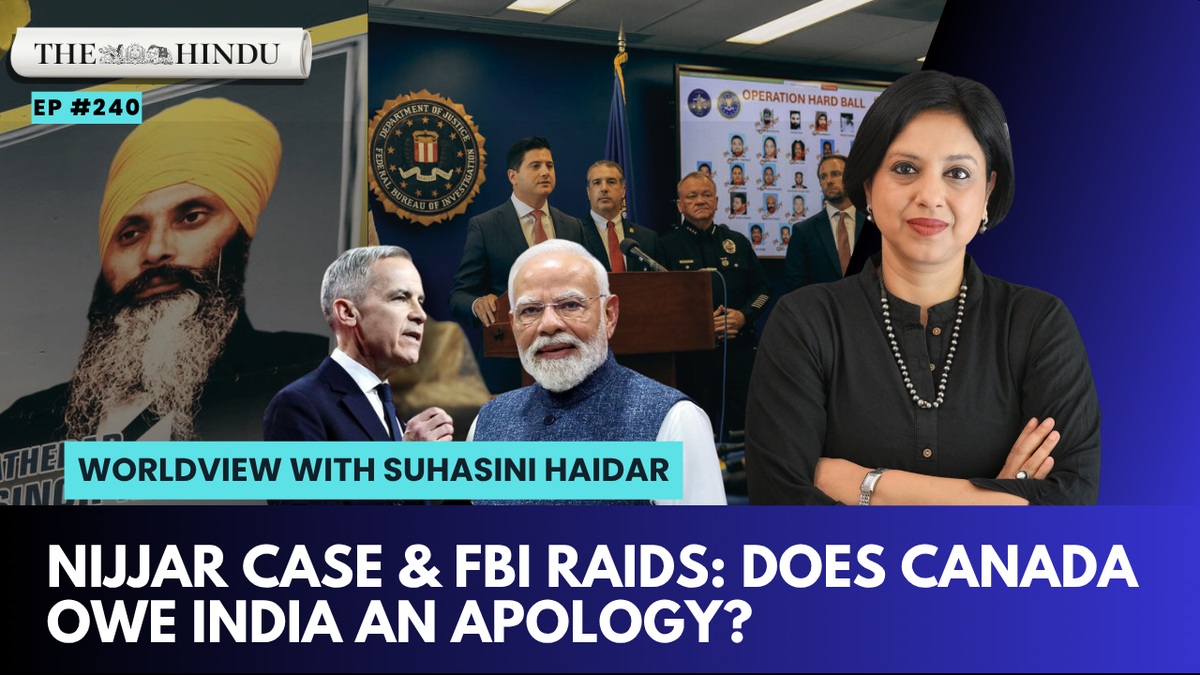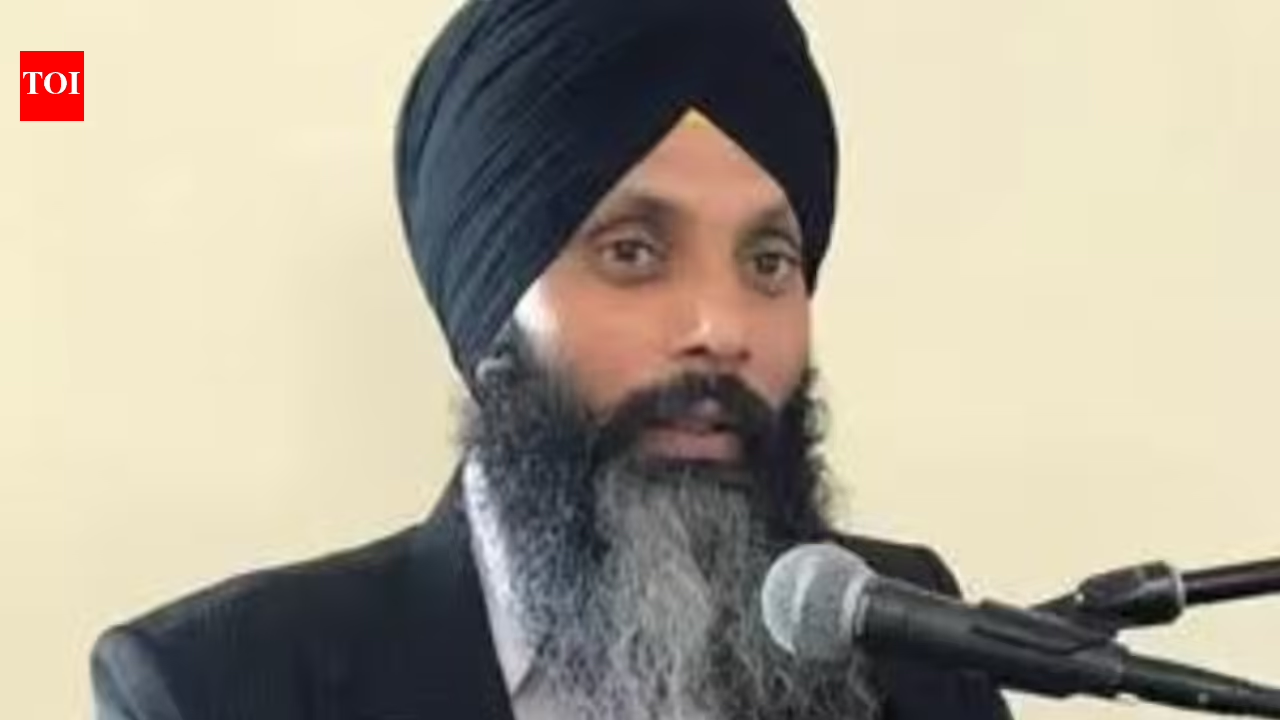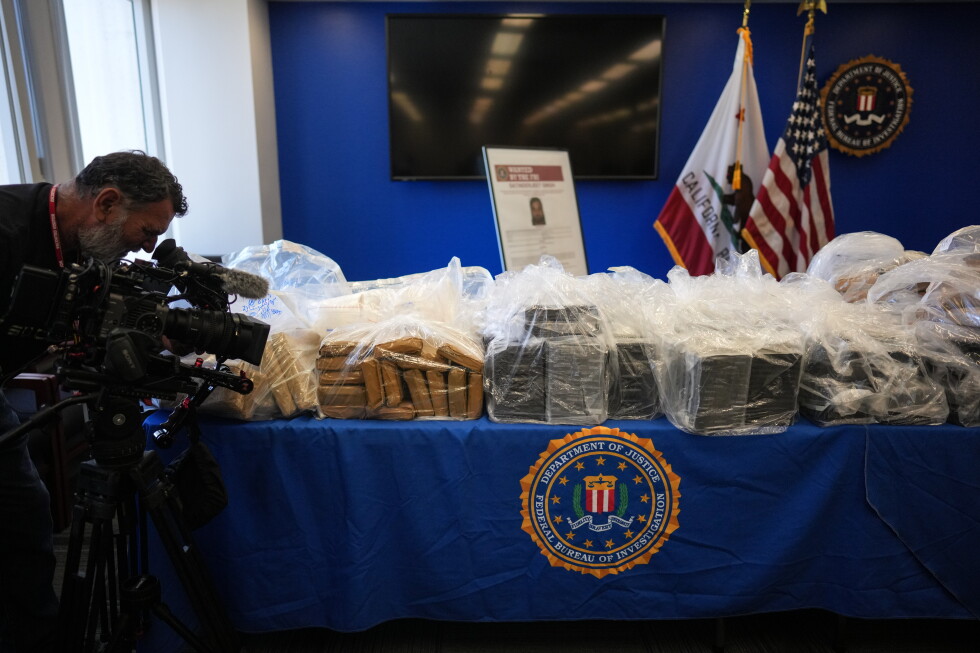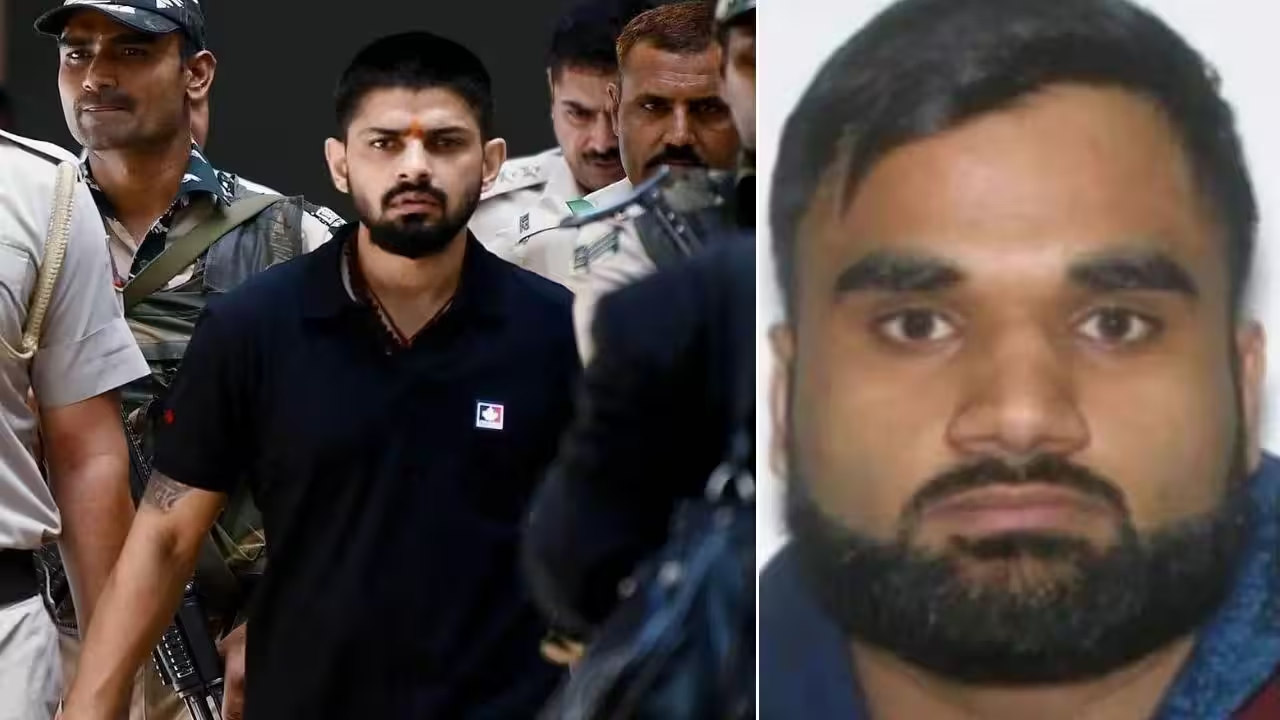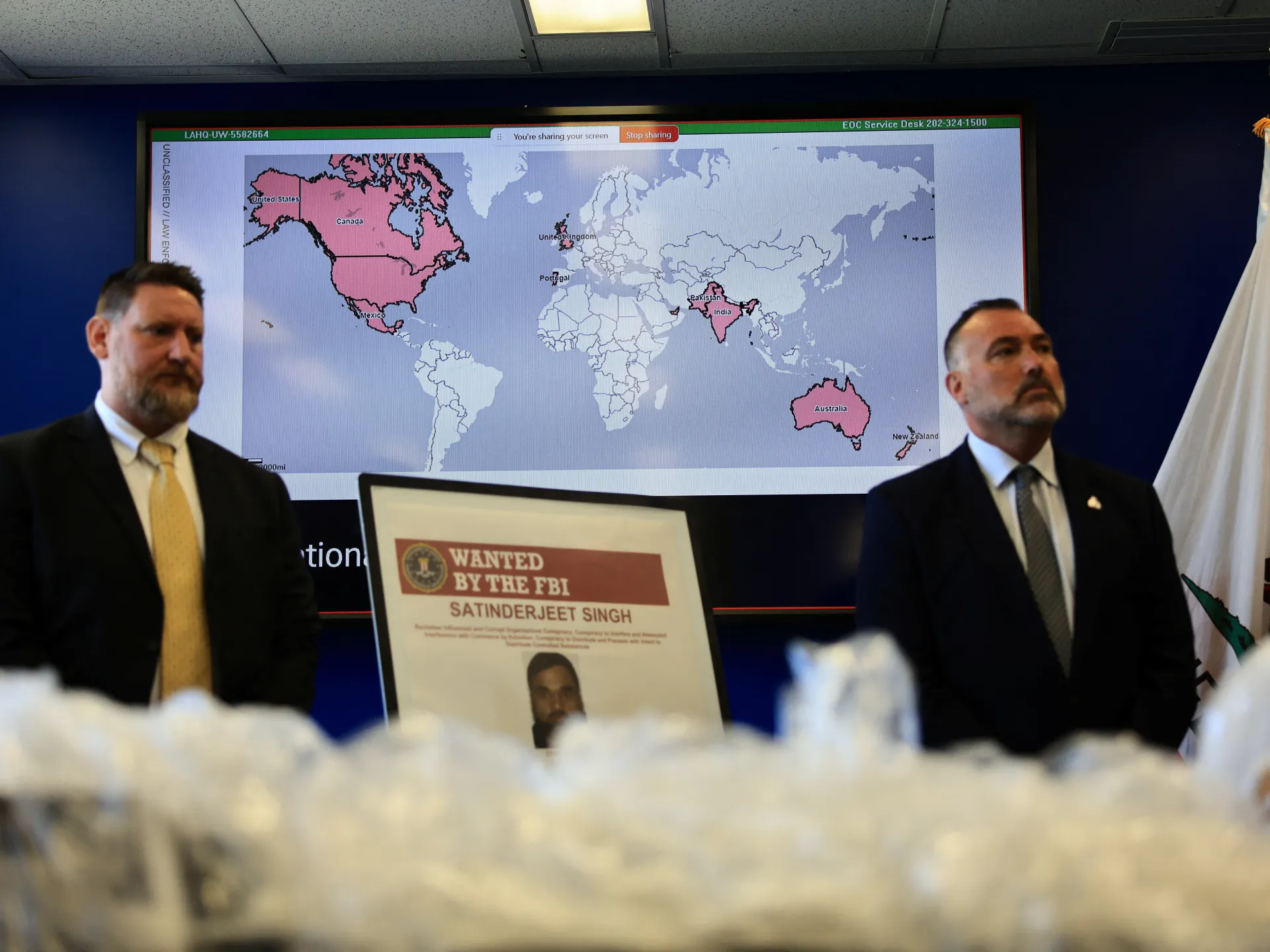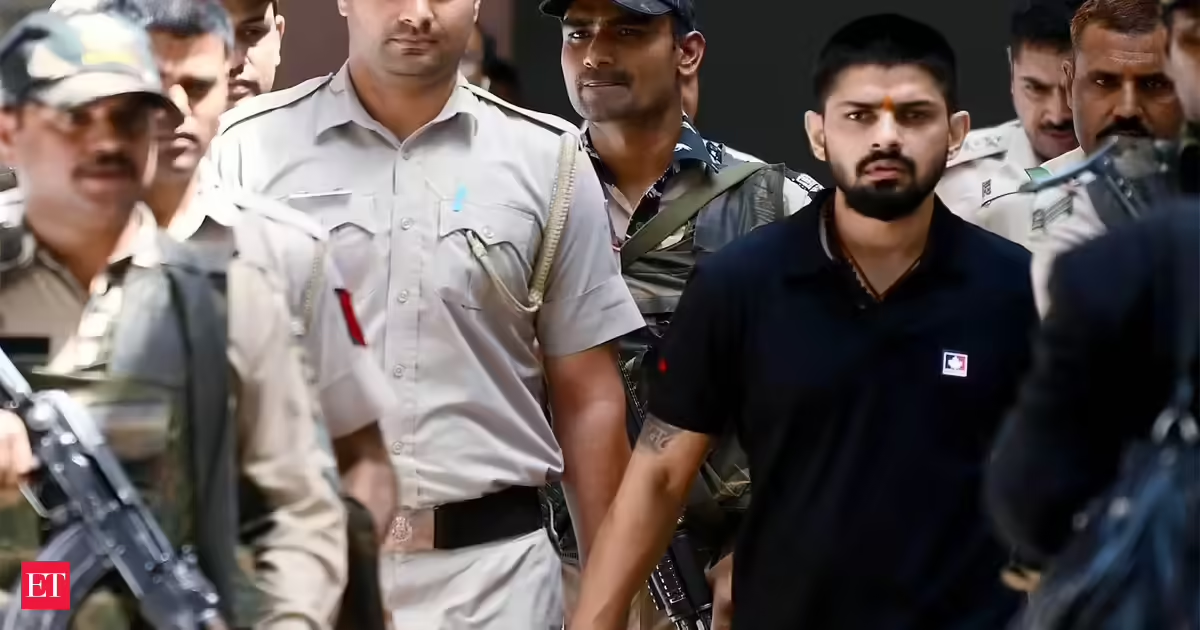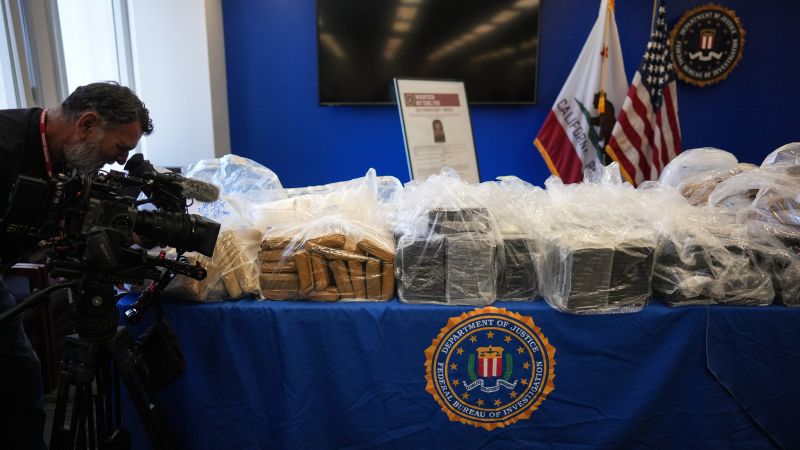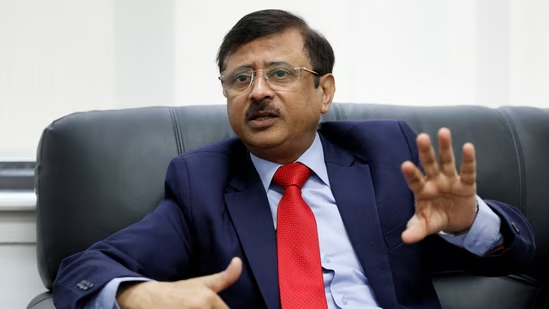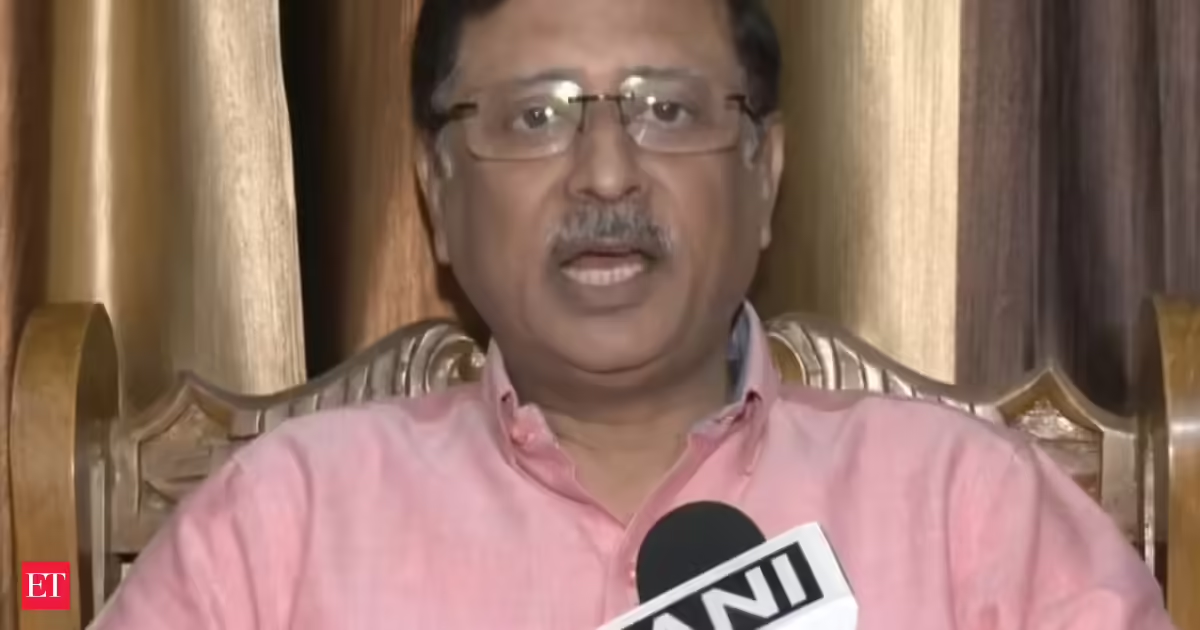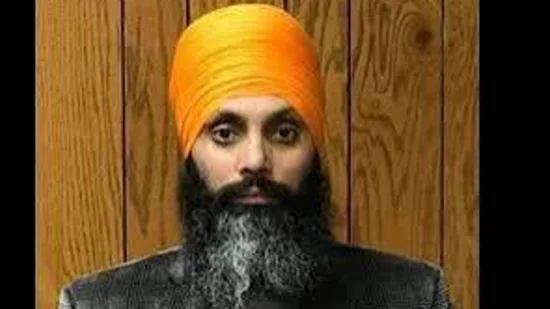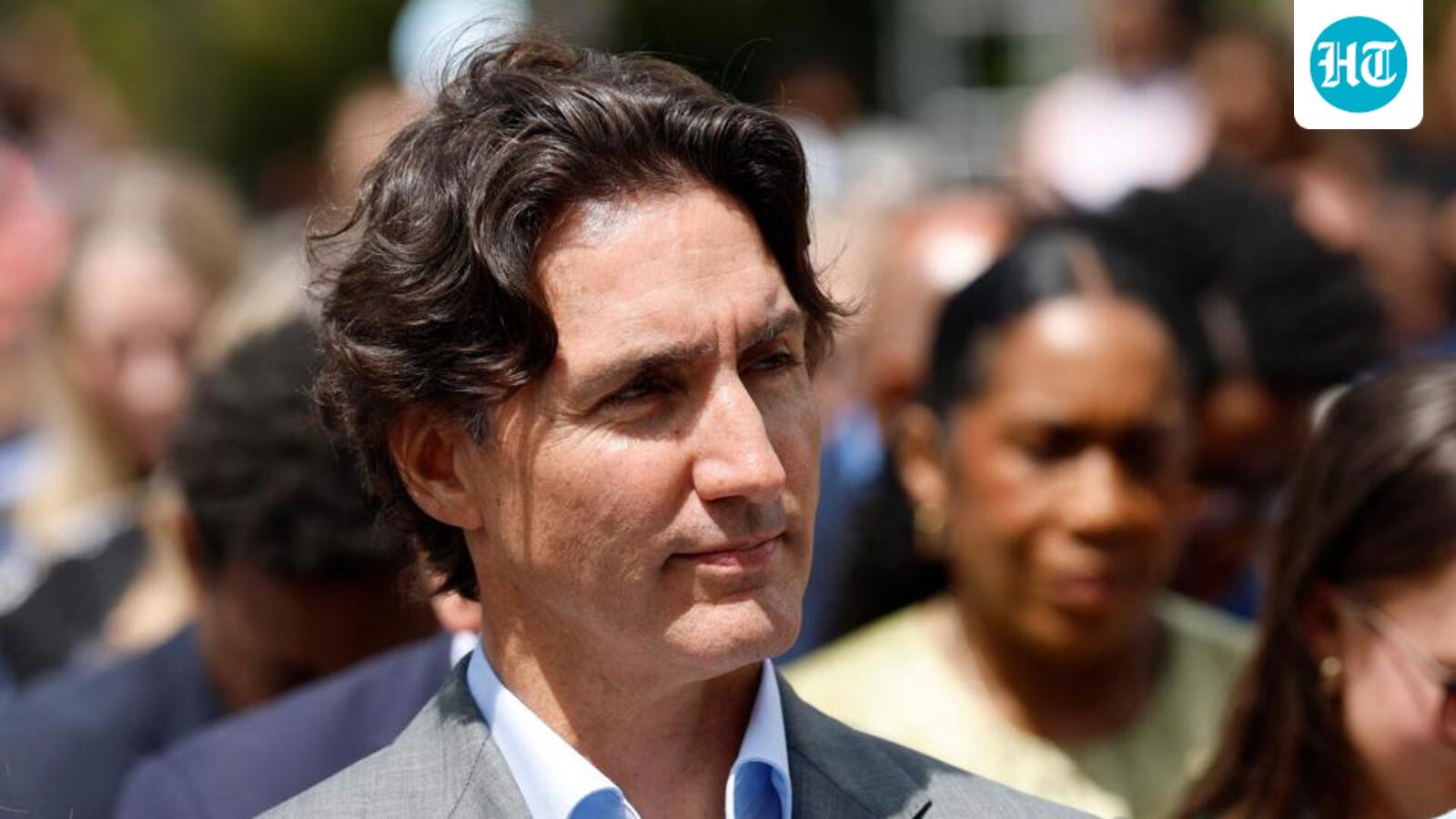
The acknowledgement by Canadian authorities that there is no evidence linking the Indian government or officials to the 2023 killing of Khalistani separatist Hardeep Singh Nijjar has proved New Delhi’s “principled stand” on the issue, India’s former high commissioner to Ottawa, Sanjay Verma, said on Friday.Trudeau’s charges on Nijjar murder were absurd, politically motivated: Ex-EnvoyIn October 2024, Verma had to leave Canada after Canadian law enforcement named him and a few other Indian diplomats as “persons of interest” in the investigation into the murder of Nijjar, who was gunned down outside a gurdwara in the Canadian city of Surrey in June 2023. Former Canadian prime minister Justin Trudeau’s allegation that Indian government agents were linked to the killing sent bilateral ties into a tailspin.With the Royal Canadian Mounted Police (RCMP) announcing after its joint investigation with US authorities that there is no evidence linking Indian officials to the killing, Verma, who has since retired, said the latest developments vindicated India’s stated position that it doesn’t interfere in the internal affairs of other countries.“I would say that we have stood by our principled stand and that stand has been proven,” Verma told HT in an interview. “So when we said, and that is from day one, that it is not India’s policy to interfere in other countries’ internal affairs, we meant it.”The multi-country investigation into crime syndicates, code-named Operation Hard Ball, also had the element of the killing in Surrey, Verma noted. “We are not seeking someone’s nod whether our statement or stand was correct. But we are glad to see that the conclusion of the investigation has led them to understand that neither the state or the government of India or its officials or diplomats had any role to play in a killing which was the result of a gang war,” he said.Following the investigation by law enforcement agencies of the US, Canada and Europe, American authorities on Tuesday charged Lawrence Bishnoi, a gangster jailed in India, and his aide Satinderjeet Singh alias Goldy Brar, for ordering the assassination of Nijjar. Twenty-four people linked to three India-based transnational crime groups were arrested in the same case.RCMP deputy commissioner Lisa Moreland told the media that the evidence collected under Operation Hard Ball didn’t point to the involvement of Indian officials or the Indian government.Verma insisted that the allegations made by Trudeau were “politically motivated”. “What we have maintained right from day one is that the entire move was politically motivated. And the allegations that the government of India, the state of India, Indian diplomats, Indian officials were involved in any way were absurd,” he said.He also maintained that Nijjar’s killing was the outcome of rivalry between the Bishnoi gang and other gangs linked to Khalistani extremists based in Canada. “That’s what the [US] indictment also indicates, that there was gang rivalry for extortion, for drug money, for gun-running,” he said.Khalistani elements were part of gangs opposed to Bishnoi’s gang, Verma said. “There are many Khalistani extremists in Canada who are very much into these criminal activities…Therefore, for the kind of money which is available through these criminal activities, I will not be surprised if [Nijjar’s killing] was the result of a gang war,” he said.“Goldie Brar was on the most wanted list in Canada, and that happened when I was still stationed there as India’s representative,” Verma said, adding that the Canadian side had never offered any evidence that would have allowed India to cooperate or collaborate in the matter.“We had already requested the Canadian government for many of these people to have been sent back to India for interrogation or to allow us to interrogate them. Unfortunately, that did not happen at that point of time,” he said.Following Trudeau’s accusation, India and Canada both expelled each other’s diplomats, reduced consular services and downgraded ties. However, as HT had reported, back-channel contacts between security agencies of the two sides resumed in late 2024 and the election of Canadian Prime Minister Mark Carney led to further measures to normalise relations and address the security concerns of both countries.Verma said such communications are always better as they allow concerns to be “aired between trusted partners”. He added, “India, the US, Canada — [all of] them have platforms on which security agencies do discuss issues of concern to all the sides. There is an extradition treaty amongst them [and] India has sought the extradition of a number of individuals from Canada, which is still to happen.”Though the India-Canada relationship is coming back on track, it still has a “long way to go, particularly on our political concerns with Canada,” Verma said. “But I’m seeing positive developments by leaps and bounds. When you see the commercial discussions which are happening on the comprehensive economic partnership agreement, or when we see the investment aspects, both on pension funds and otherwise, things are moving forward,” he said.
Trudeau’s charges on Nijjar murder were absurd, politically motivated: Ex-envoy
In October 2024, Verma had to leave Canada after law enforcement named him and a few other Indian diplomats as “persons of interest” in the murder case. | India News
810 words~4 min read