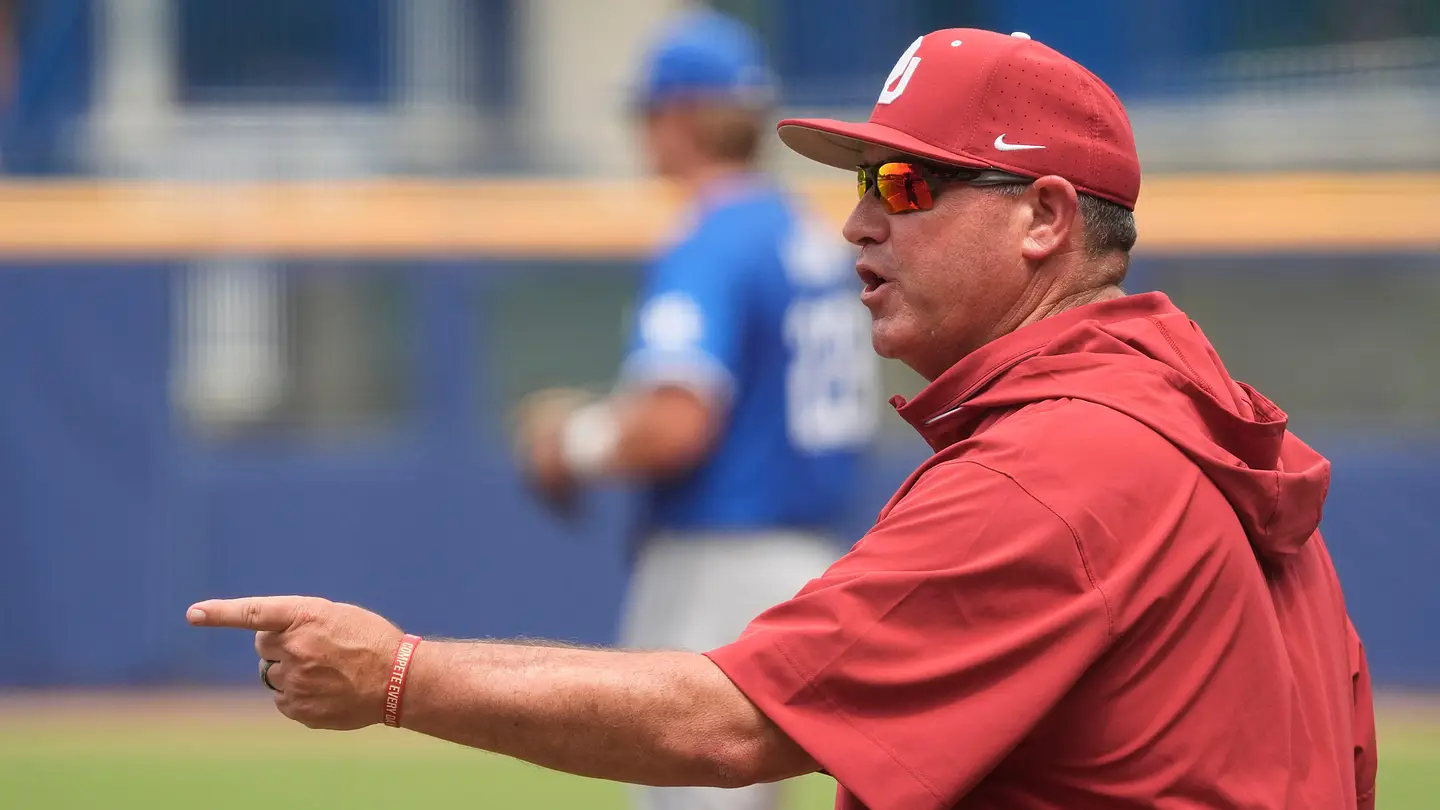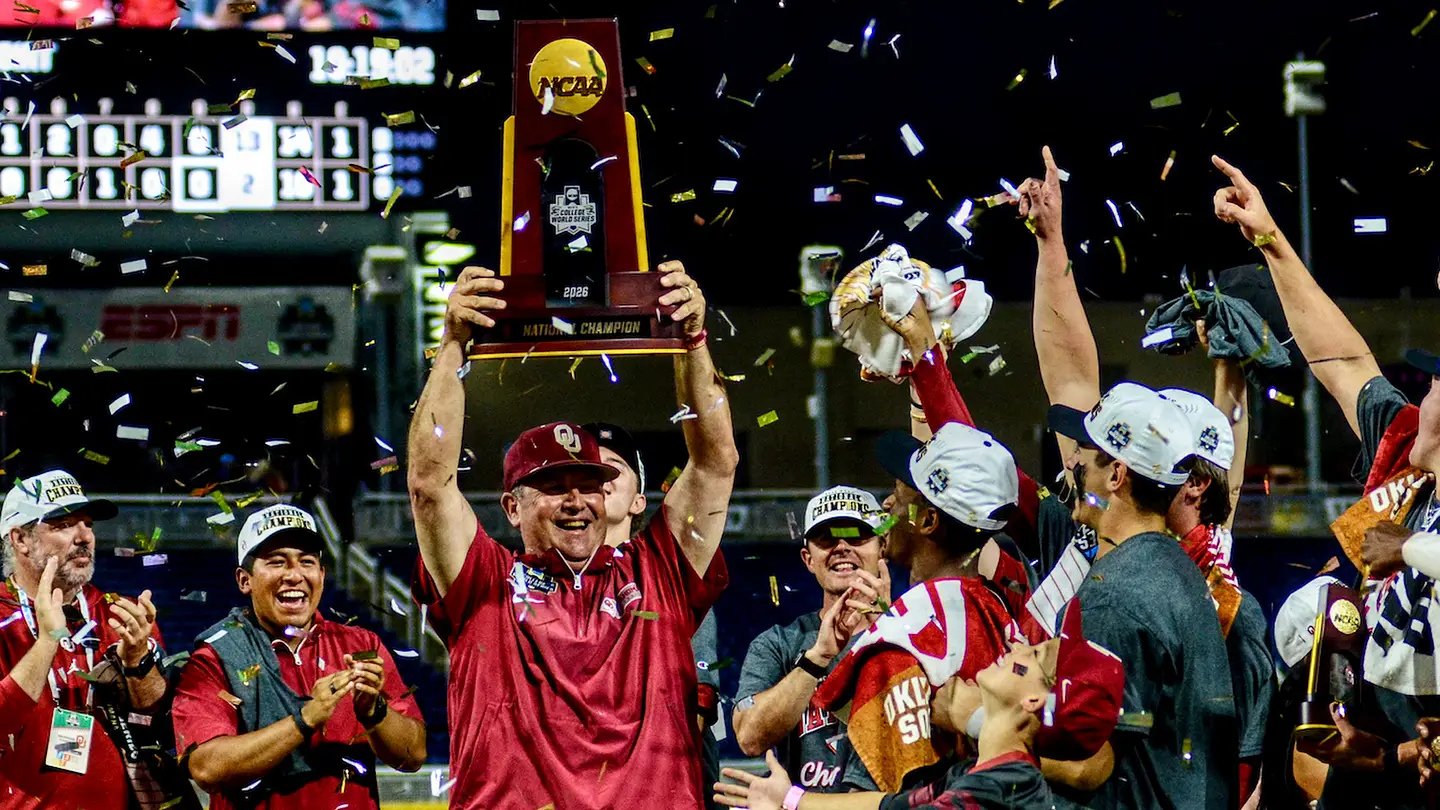
NORMAN — There’s no program at Oklahoma riding momentum quite like Sooners baseball.Skip Johnson’s team had a roller coaster of a season but headed steadily up during the NCAA Tournament, culminating with the program’s third College World Series title and first since 1994.As Oklahoma headed into the SEC, it appeared baseball might have the biggest uphill climb to competitiveness among the department’s major sports.The Sooners had an aging stadium that wasn’t exactly turning heads in the Big 12, let alone the SEC.Johnson’s program also needed a boost in fan support and financial support from moneyed boosters.The Sooners have made progress in those areas, but there’s still more work to do.OU’s baseball team figures to be among the biggest beneficiaries of the department receiving a full revenue share in the SEC.After receiving just $12.5 million in conference distribution in the last fiscal year, the Sooners will be fully vested in the conference this time around.The conference split up $1.03 billion among its members last season, a number that only figures to grow moving forward.In the latest in our series on how the Sooners’ programs will be affected by the change, we look at the Oklahoma baseball program:Roster ManagementBaseball roster building is a much different animal than other sports.With the current structure — though that could change significantly once Major League Baseball and the player’s union comes to a new collective bargaining agreement — teams have to recruit against professional baseball as much as they’re recruiting against other colleges.NIL and revenue sharing have certainly helped college baseball to be able to compete there, as has the change in scholarship rules that came two years ago.Having a full share will certainly help the department handle those additional scholarship expenditures.It also eases the burden to raise funds for that, potentially leading to more NIL opportunities for Sooners’ baseball players.Whether it’s OU’s recent on-field success or additional resources to offer players — or, more likely, a combination of both — the Sooners have made some waves in the transfer portal so far, adding Arkansas transfer Carson Brumbaugh, Tennessee’s Jay Abernathy and juco standout Kameron Yearsley, who hit .464 with 37 home runs and 99 RBIs last season in just 58 games.The shift figures to put Oklahoma in a much better position to more regularly land high-quality talent, both in the transfer portal and through high school and juco recruiting.Sign up to our free newsletter and follow us on Facebook and X for the latest news.Major Facilities Upgrades ComingAmong the biggest boons to the program in recent years was the infusion of support from Brian and Kim Kimrey, with the stadium being renamed Kimrey Family Stadium before last season.In November, the OU Board of Regents approved the second piece of a two-part major renovation to the stadium, which opened in 1982.That project was certainly helped by both the Kimrey donations and the upcoming full SEC revenue share.The second phase will see more significant changes to the park, with expansion and improvement of team facilities, seating bowl upgrades with expanded concessions and restrooms and a fan plaza.The team facilities include a new locker room, players’ lounge, nutrition facilities and team meeting space as well as upgraded technology to aid in video study and analytics.The second phase of the project is expected to cost $41.7 million, bringing the total cost for the project to approximately $45 million.Construction is expected to continue through the 2027 season and be completed in time for the 2028 opener.Add us as a preferred source on GoogleFollow
How Oklahoma Baseball Will Benefit From Full SEC Share
Skip Johnson's program has already been a beneficiary of the financial boost of the upcoming conference revenue distribution.
583 words~3 min read