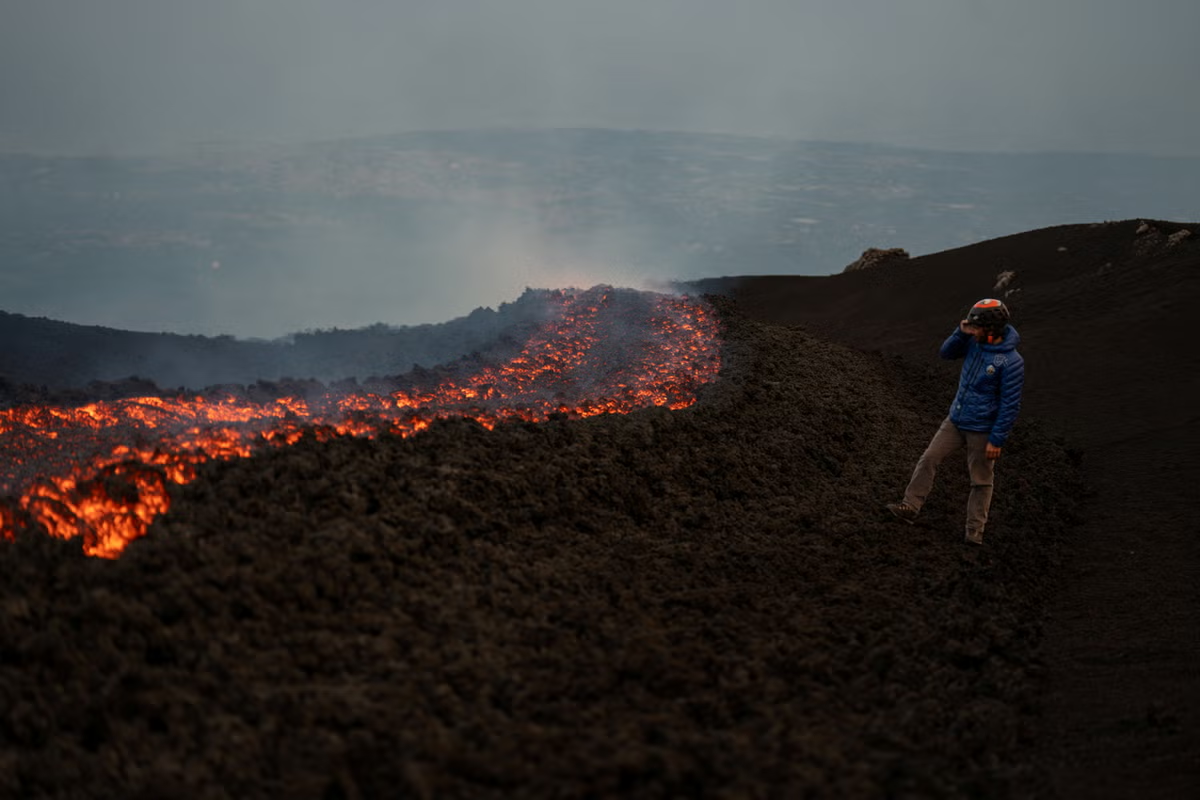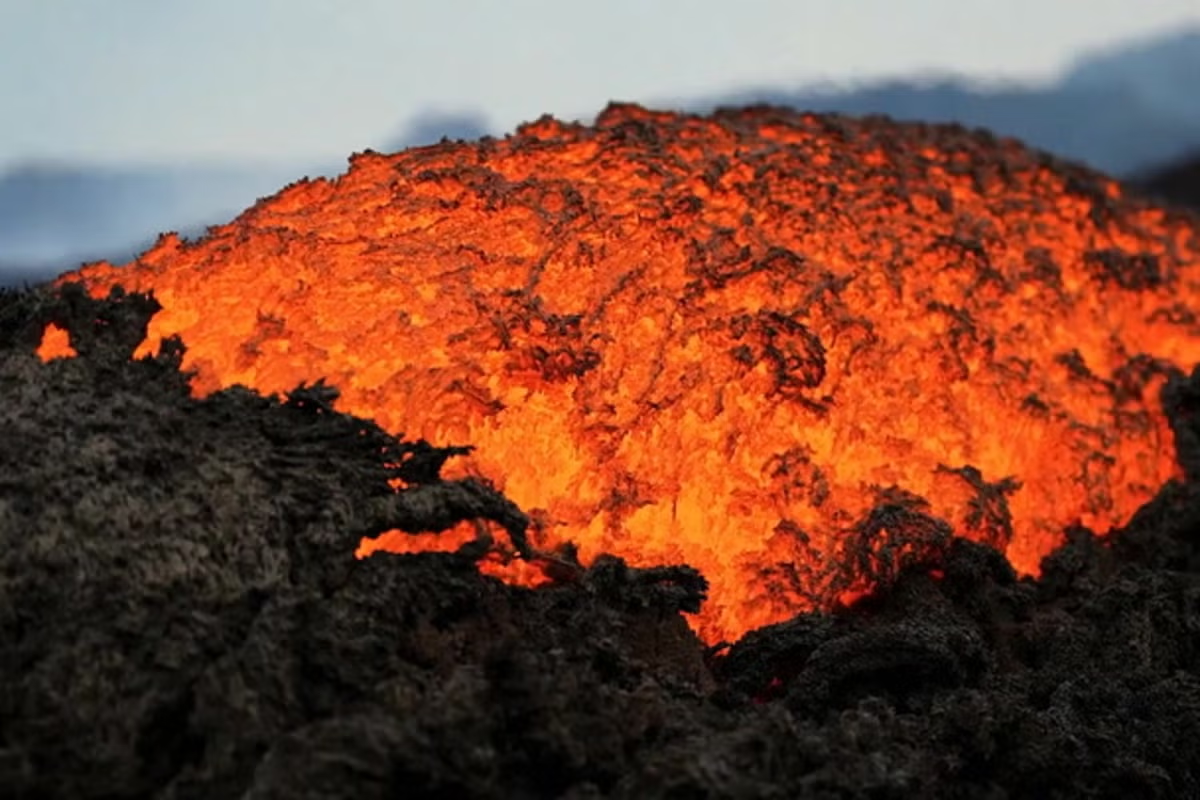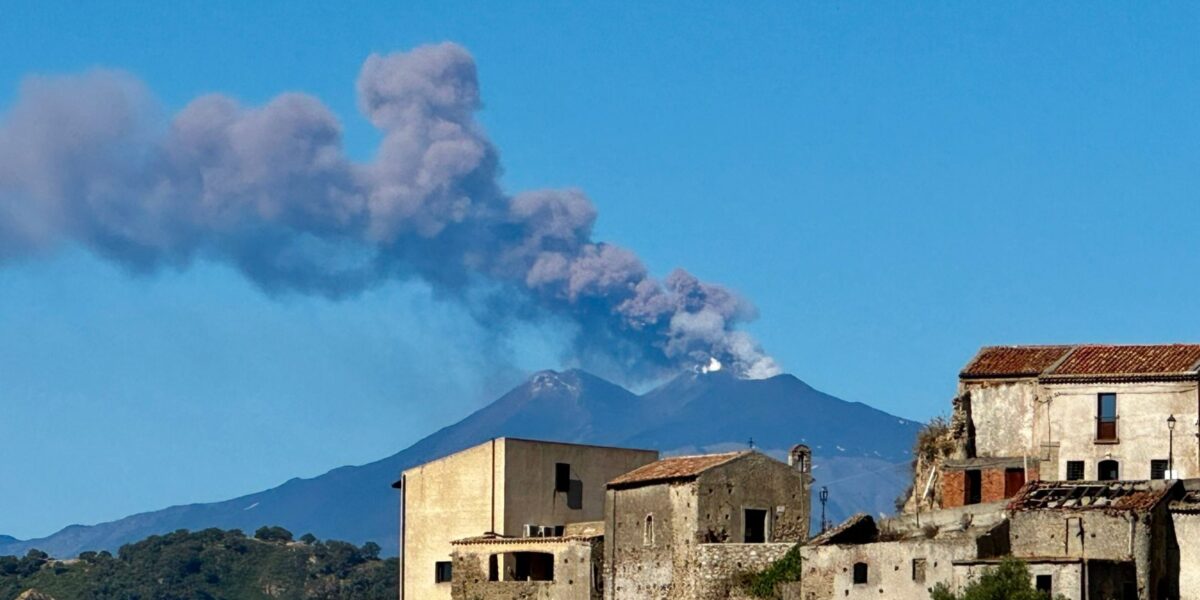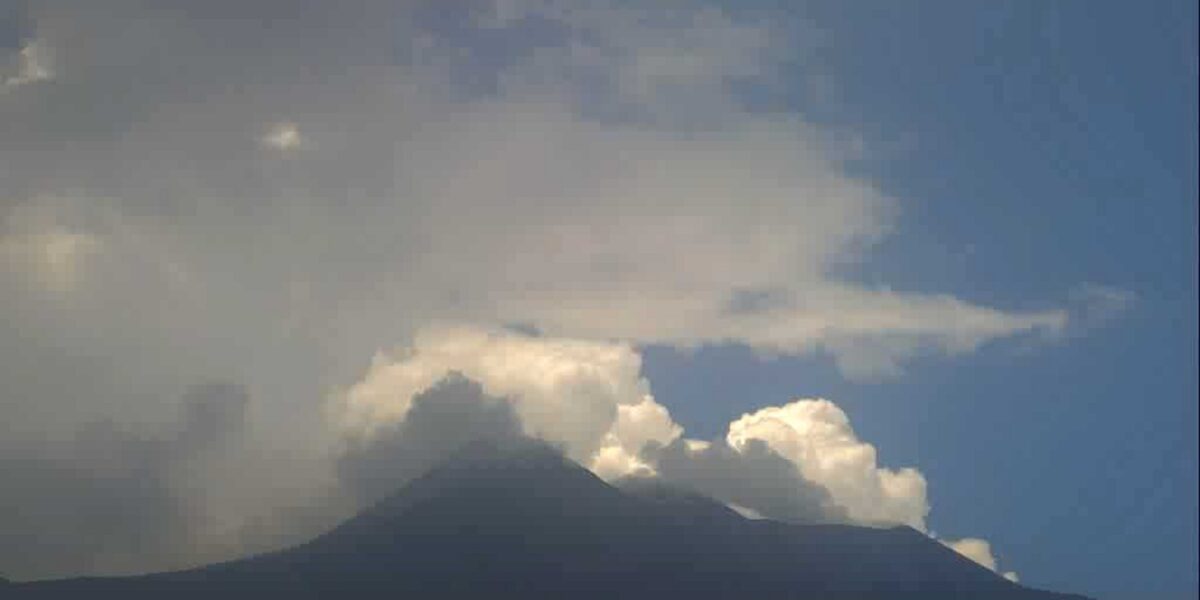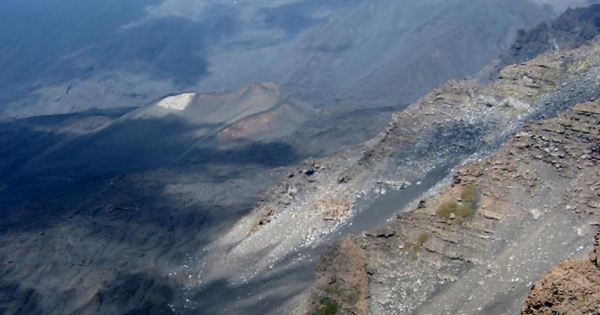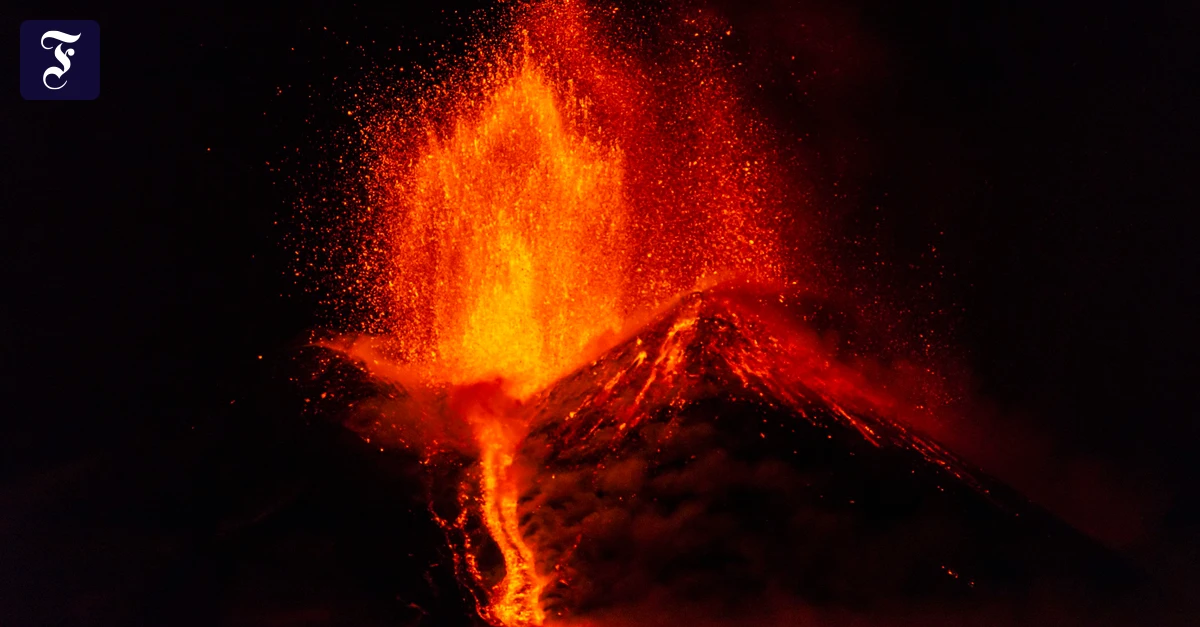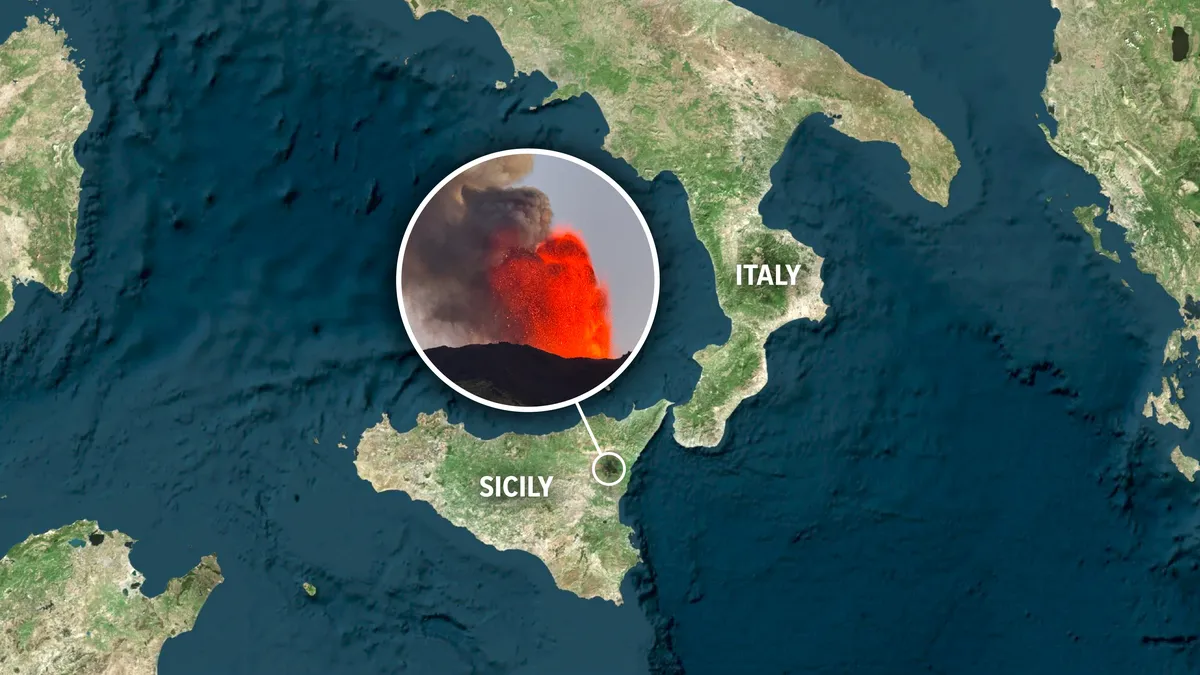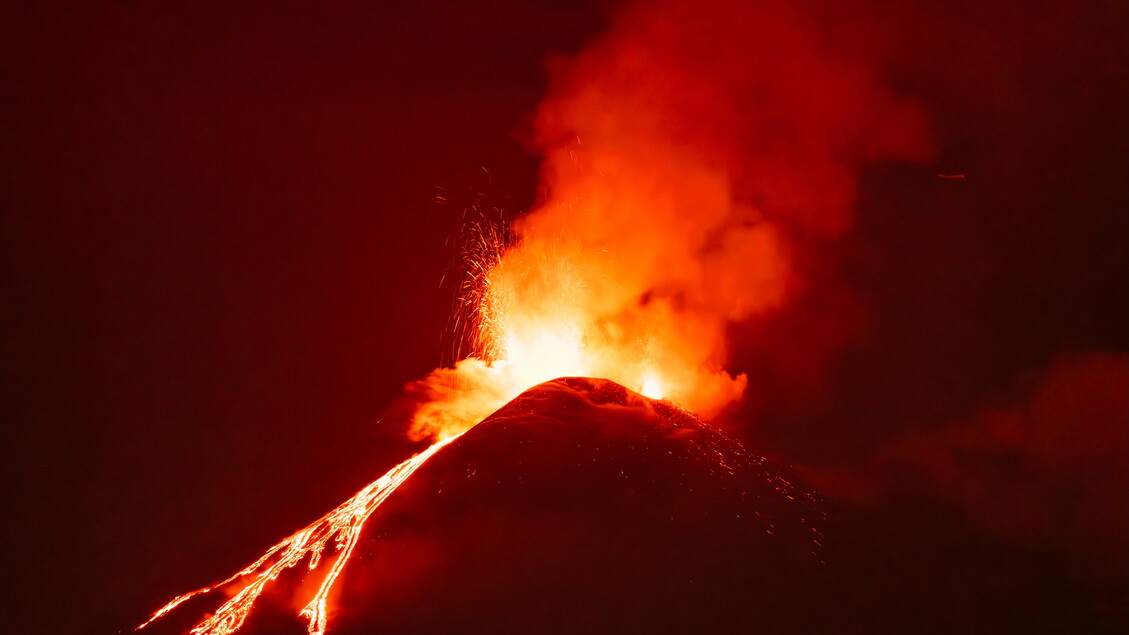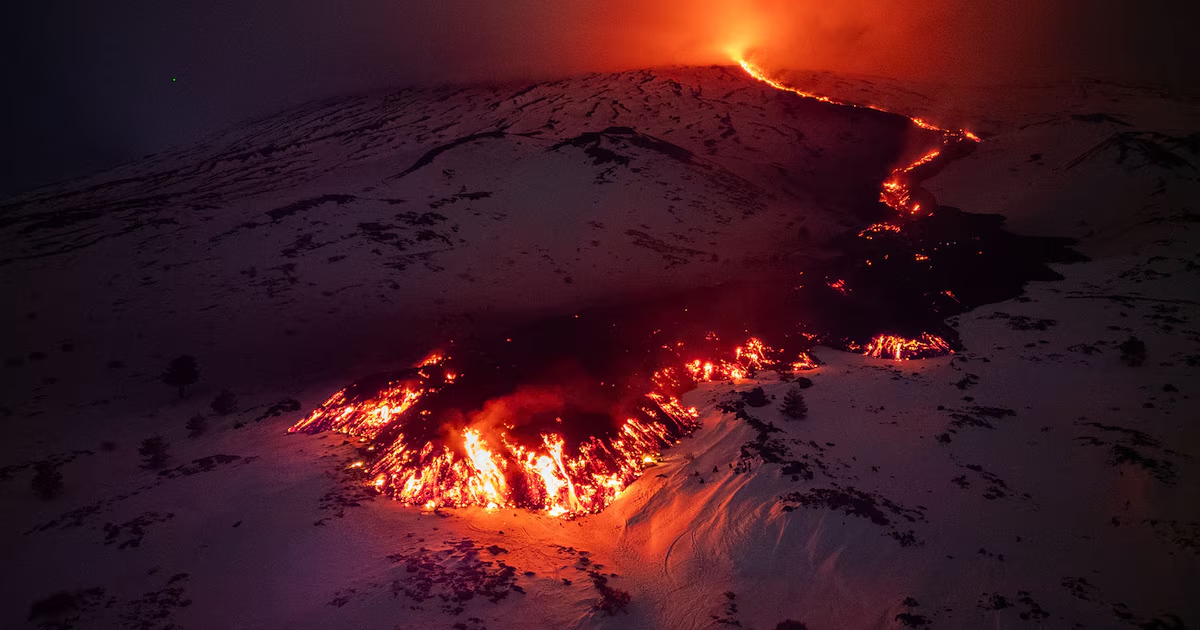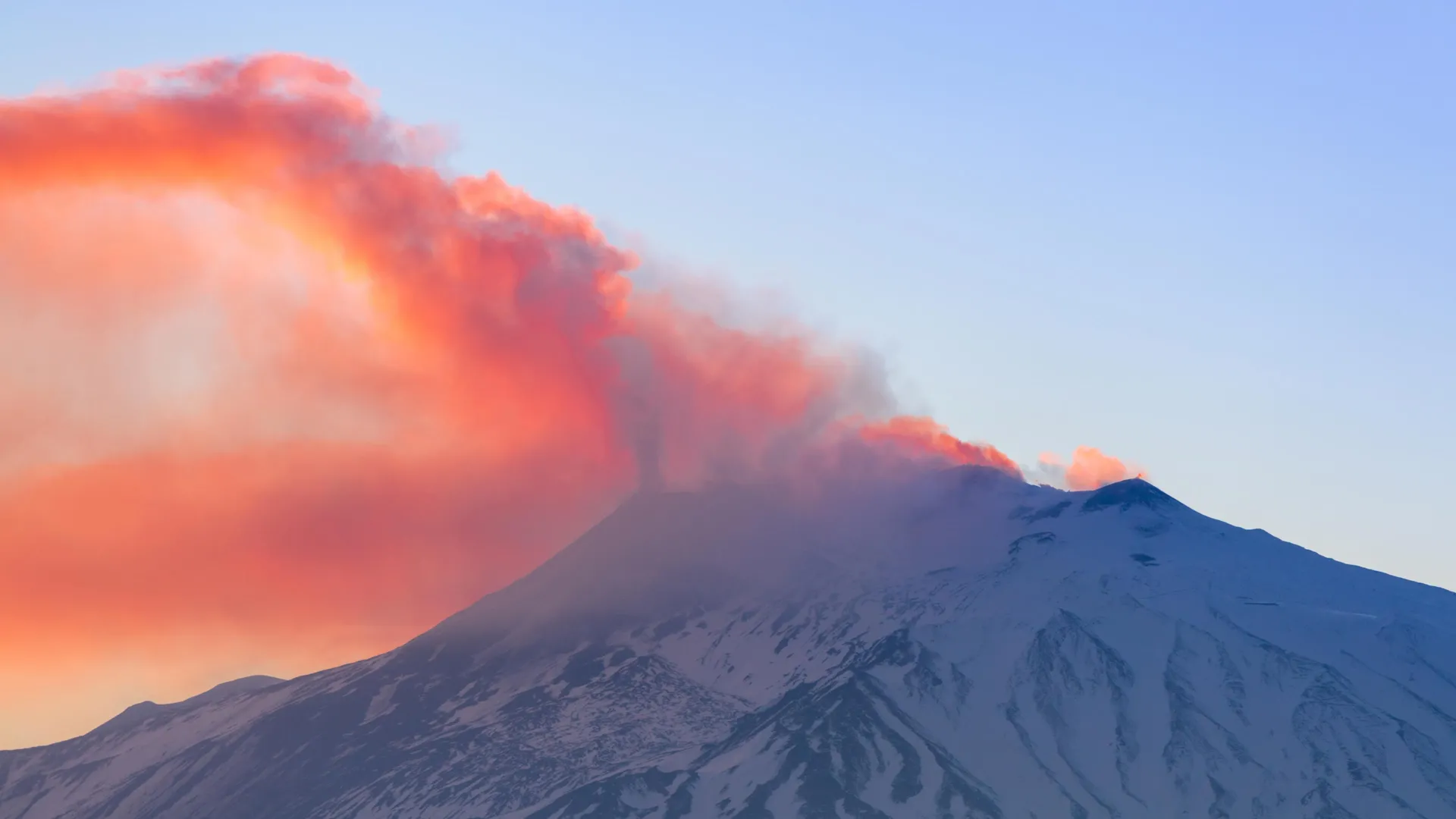
Mount Etna has fascinated geologists for decades. The towering volcano on the Italian island of Sicily is the most active in Europe, erupting several times a year, yet scientists have never fully understood how it formed.
Now, researchers from the University of Lausanne (UNIL) have proposed a new explanation that could change that. Their study suggests Mount Etna may have formed through a rare volcanic process unlike the one behind any other large volcano on Earth, making it potentially one of a kind.
More than 500,000 years old and rising more than 3,000 meters (9,800 feet) above sea level, Mount Etna has long resisted attempts to fit it into existing models of volcano formation. The new findings, published in the Journal of Geophysical Research -- Solid Earth, were developed in collaboration with Anna Rosa Corsaro of the Istituto Nazionale di Geofisica e Vulcanologia in Catania. The research may also help scientists improve volcanic hazard assessments conducted by researchers at INGV in Catania, Italy.
Why Mount Etna Doesn't Match Other Volcanoes
Volcanoes form when molten rock from Earth's mantle rises to the surface and hardens. Traditionally, geologists have grouped volcanoes into three main types based on how that magma is generated: At the boundary between two tectonic plates, where the plates move apart and allow mantle material to rise and melt, creating new ocean floor. At subduction zones, where one tectonic plate sinks beneath another. Water carried into the mantle lowers the melting point of surrounding rock, producing magma and often explosive volcanoes such as Mount Fuji in Japan. In the middle of tectonic plates, where unusually hot mantle material rises in what is known as a hotspot, forming volcanic island chains such as Hawaii or La Réunion.Mount Etna does not neatly fit any of these categories.