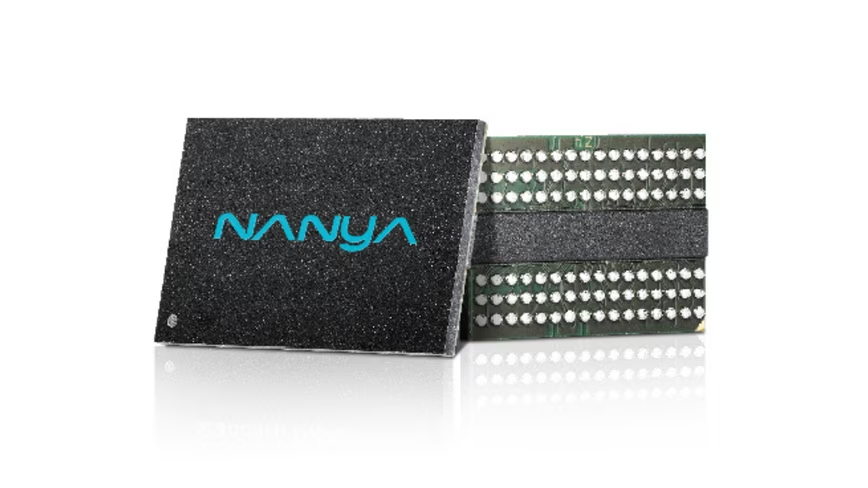
Nanya Technology spent years as the also-ran of the memory business, the Taiwanese DRAM maker that Samsung, SK Hynix and Micron never had to worry about much. The AI boom has changed the arithmetic. The company now plans to spend around $6bn in 2027 as it races to expand capacity into a memory shortage that shows little sign of easing, according to Reuters.
That figure, if it holds, would mark a sharp escalation. Nanya set its 2026 capital expenditure at NT$52bn, roughly $1.6bn and itself more than triple the year before, with about 70% earmarked for a new plant. A jump toward $6bn the following year would be the most aggressive build-out in the company’s history.
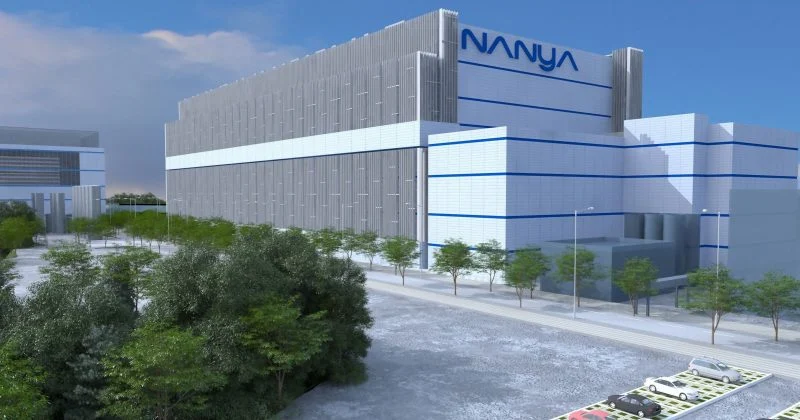
The money is aimed largely at a single building. Nanya’s new 5A fab is scheduled to begin equipment move-in during the first quarter of 2027, and once running it is expected to roughly double the company’s total production capacity, with the initial phase alone adding more than 30,000 wafers a month.
The timing is deliberate. Nanya has warned that the AI-driven memory shortage is likely to persist through at least 2027, with some in the industry stretching that to 2028, a scarcity that has sent contract prices vertical and reached ordinary buyers, from cloud operators to Apple, which pulled its cheapest Mac Mini from sale as memory costs surged.