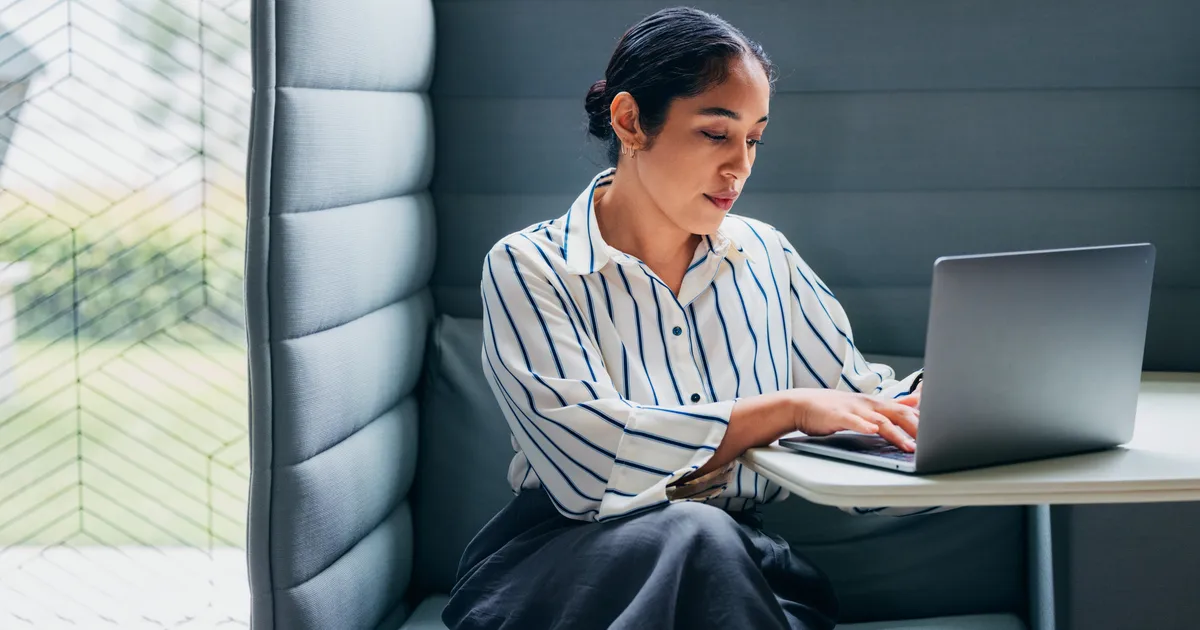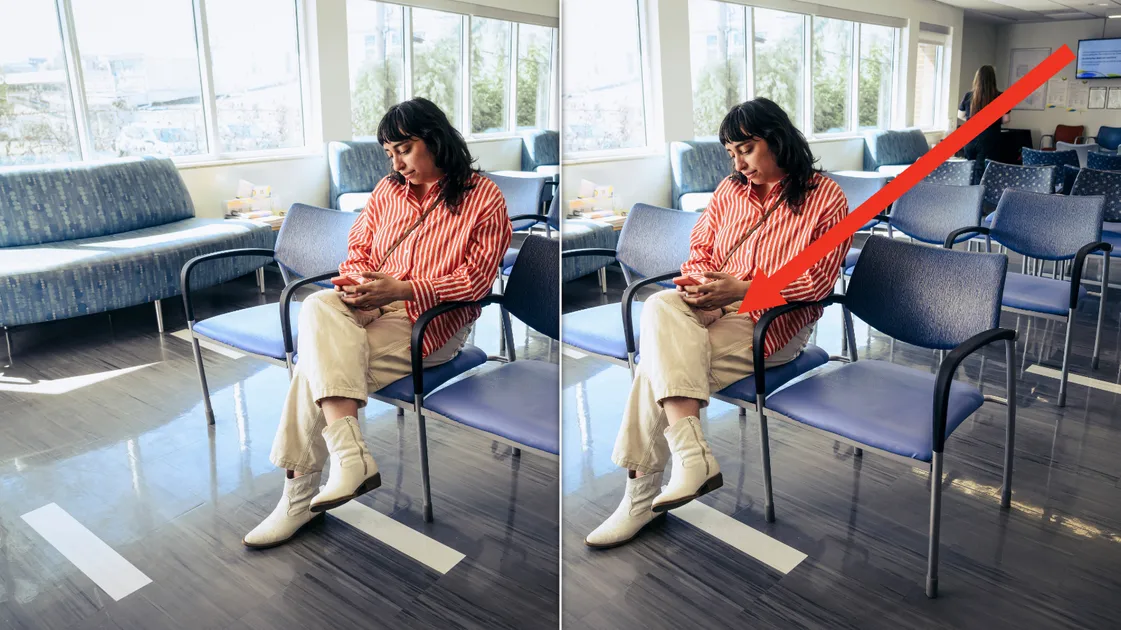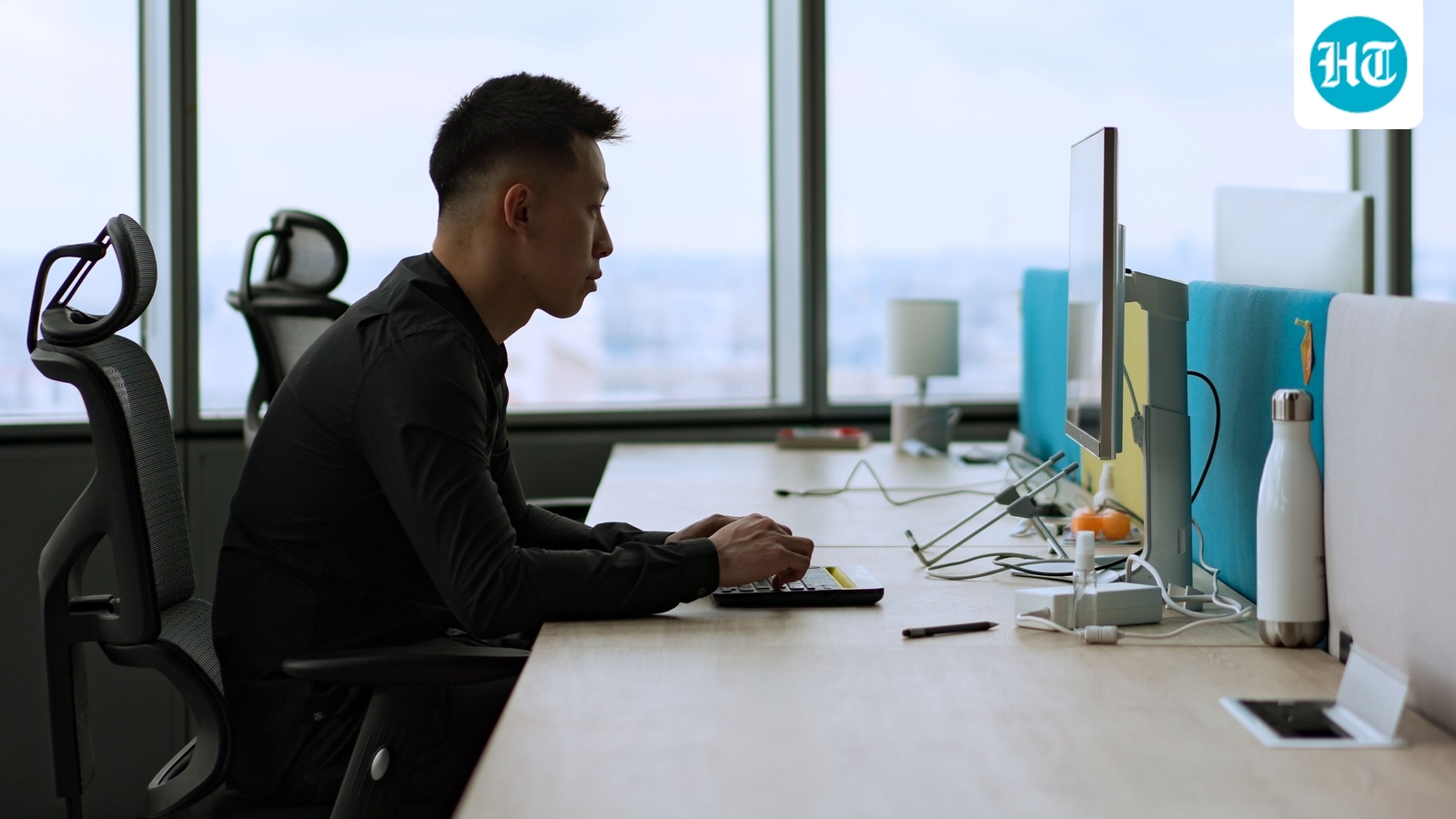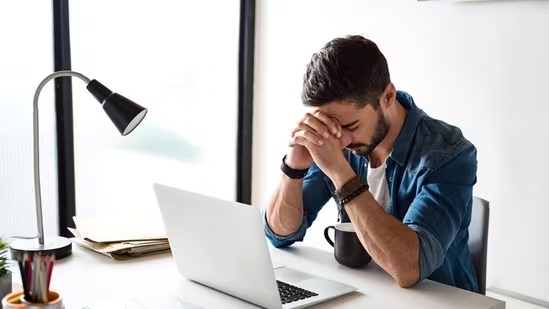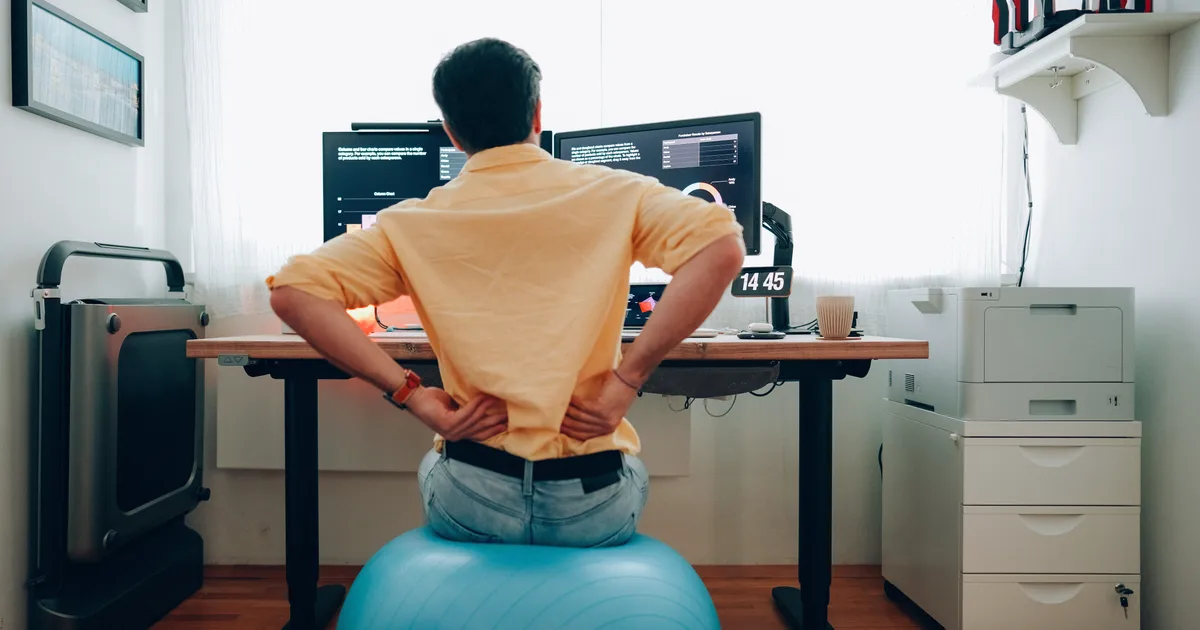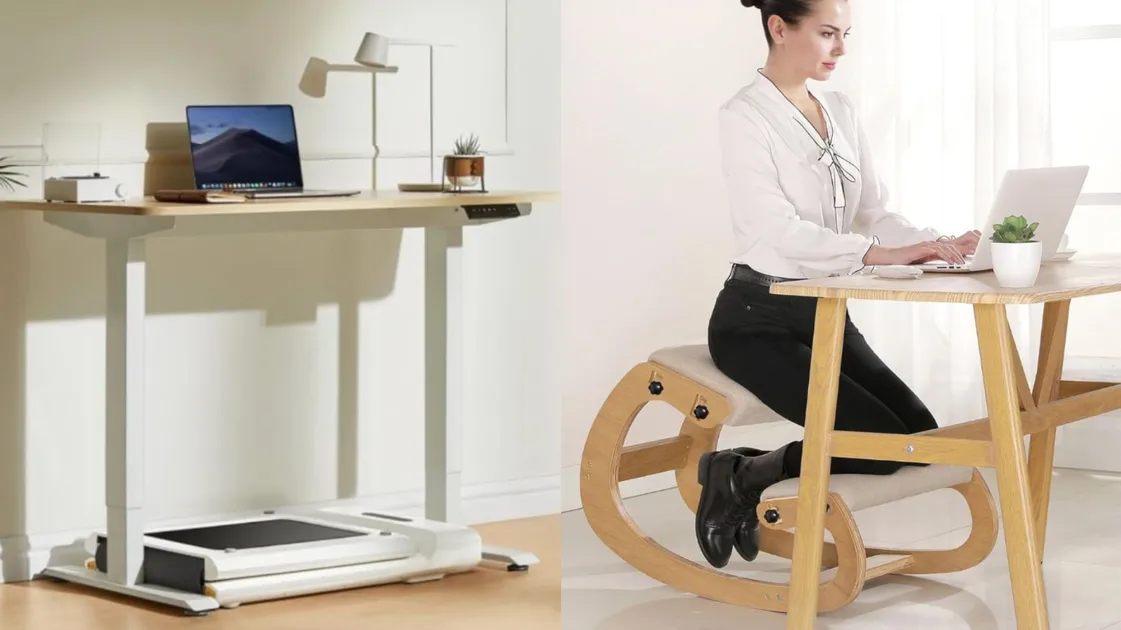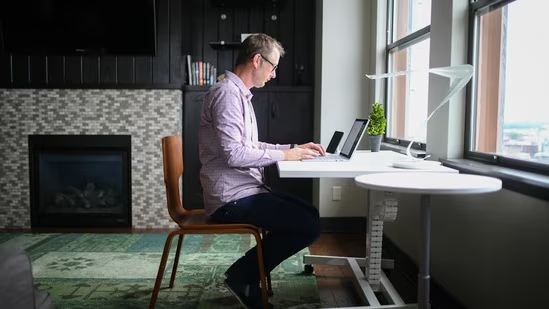
Prolonged sitting hours are doing more harm than good to us. From muscle stiffness to neck and shoulder pain, a sedentary lifestyle is putting our health at risk. Among several other issues, dead butt syndrome is on the rise. In an interview with HT Lifestyle, Dr Ashis Acharya, senior consultant orthopaedics and sports medicine unit, Sir Gangaram Hospital, New Delhi, shared about dead butt syndrome, symptoms, and prevention.Dead butt syndrome is becoming more common among desk workers. (Unsplash)Also read | Persistent bone pain? Oncologist Dr Saurabh Gupta shares the early signs of bone cancer that shouldn't be ignoredWhat is Dead butt syndrome?Long-term sitting can cause dead butt syndrome. “It is a disease in which your glute muscles become so inactive that they forget how to work properly,” said Dr Ashis. Long-term sitting can cause more than just stiffness. Serious problems, including lower back pain, hip discomfort, and even knee troubles, may result from this. For anyone who spends a lot of time sitting down, dead butt syndrome is becoming a serious worry.Impact of prolonged sittingProlonged sitting may lead to a number of health issues. It may result in pain in the neck, shoulders, upper back, middle back, and lower back if it is not supported. Our gluteus muscles are what we commonly refer to as our butt; they receive less blood flow during extended sitting, which causes a decrease in muscle mass that leads to weakness, a condition known as dead butt syndrome.How to prevent this?According to Dr Ashis, here are a few things you can do to prevent the same:One should engage in intermittent activities or some form of physical activity during the workday to prevent dead butt syndrome and the negative effects of prolonged sitting or inactivity. Every 45 to 60 minutes, get up from your chair, move around the office, and move your neck and shoulder before sitting down again.For at least 45 minutes, four days a week, one should engage in physical activities like swimming or cycling. The gluteus medius, maximus, and minimus are some of the strongest muscles in the body. They are essential for absorbing shock and maintaining the stability of the lower limbs, pelvis, and trunk.Weakening of these muscles results in decreased stability, thereby increasing the possibilities of falls and hip and pelvic injuries. Therefore, keeping the glute muscles in good shape is essential for maintaining posture and alignment. Strengthening the muscles surrounding the hips, trunk, and knees may help to avoid these issues.Whether at work or at home, you can perform basic exercises like squats, glute squeezes, and pelvic floor movements. It’s important to take short breaks and not sit still for longer than 60 mins at a time.Daily activities like walking and climbing are small errands, but ultimately moving 8,000 to 10,000 steps a day is essential for leg, back, trunk muscles, and bone health.Engage in weight training exercises focusing on major muscle groups, including the back, glutes, quadriceps, hamstrings, and calves. This helps maintain muscle mass and prevents atrophy, enhancing overall mobility.Be careful of your posture, especially if you’re working from home or at a desk. Use ergonomic chairs, adjust your screen to eye level, and take breaks to stretch your back and neck.Make sure your diet is rich in proteins, vitamins D and B12, calcium, and other essential nutrients. Minimise the intake of junk food and stay well hydrated.Reduce or give up tobacco and alcohol consumption, as these substances can aggravate muscle atrophy and can contribute to metabolic disorders.Regularly check your vitamin levels, cholesterol, blood pressure, and blood sugar. Early detection of deficiencies or abnormalities may prevent long-term complications.Maintain a healthy diet by combining physical activity and mindful eating. This helps reduce the stress on joints, especially the knees and back.About Dr Ashis AcharyaDr Ashis Acharya is an experienced Orthopedic and Sports Medicine Surgeon based in Delhi with over two decades of professional practice. He is affiliated with Sir Ganga Ram Hospital in Old Rajendra Nagar, specialising in arthroscopy, joint replacements, and sports injury rehabilitation.Note to readers: This article is for informational purposes only and not a substitute for professional medical advice. Always seek the advice of your doctor with any questions about a medical condition.
What is dead butt syndrome? Orthopaedic specialist Dr Ashis Acharya explains sitting too long can trigger it
Dead butt syndrome is becoming more common among desk workers. Here’s what you need to know about the symptoms and prevention. | Health
697 words~3 min read