While public attention remains fixed on artificial intelligence (AI) tools that write, generate, and automate tasks, a more consequential transformation is quietly unfolding across Nigeria’s digital economy: algorithms are beginning to make decisions that affect people’s financial lives.
AI is increasingly being used to make decisions rather than merely assist humans. In Nigeria’s fast-growing fintech sector, algorithms are beginning to influence who gets access to credit, how customers are assessed, how fraud is detected, and how complaints are resolved. As these systems become more sophisticated, a critical question emerges: who is accountable when an algorithm makes the wrong decision?
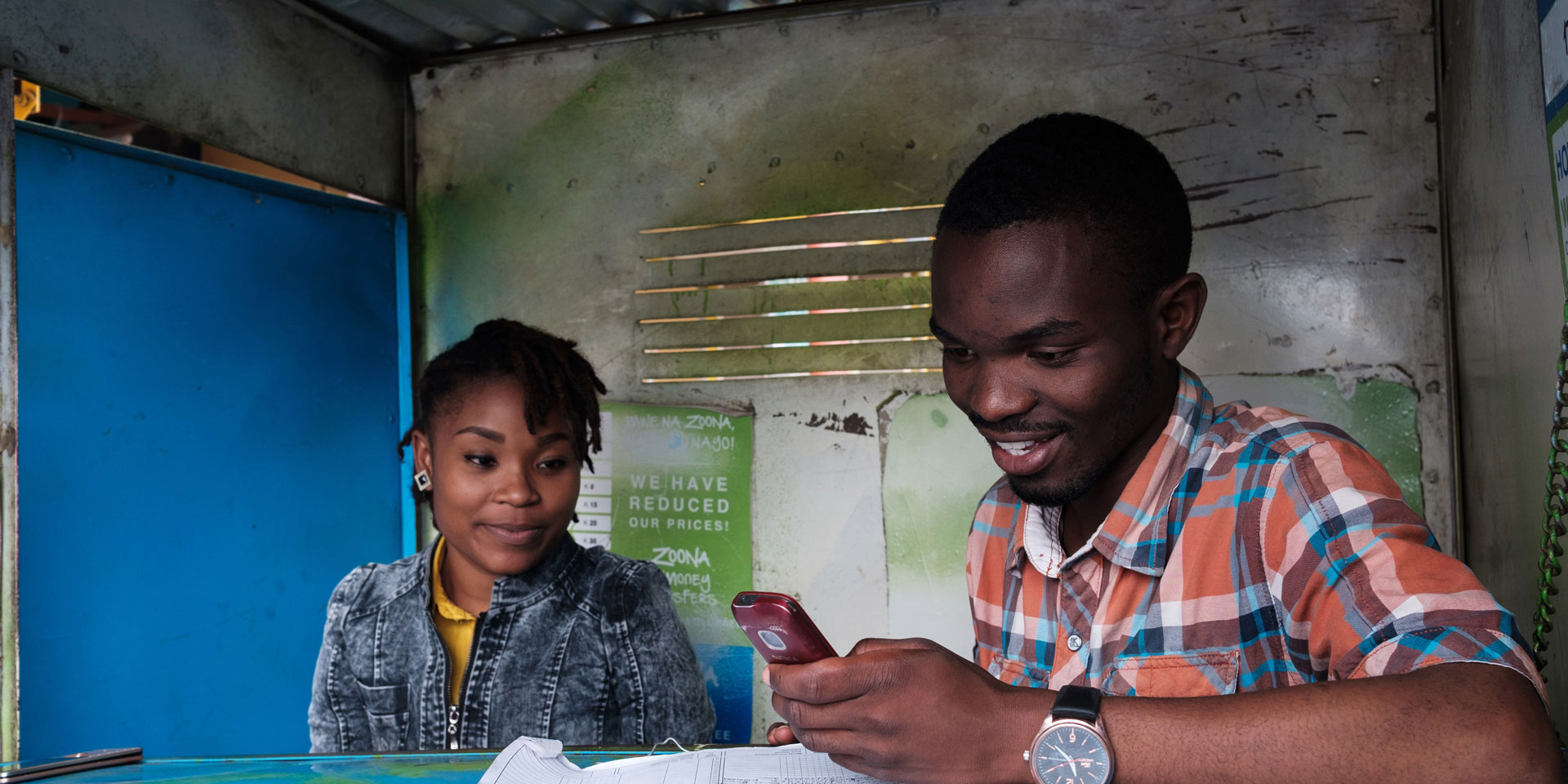
This question is particularly important in Nigeria because financial services are becoming increasingly digital. According to EFInA’s 2023 Access to Financial Services Survey, formal financial inclusion in Nigeria rose to 64% in 2023, up from 54% in 2020, while overall financial inclusion reached 74%. More Nigerians now access financial services through digital channels, meaning decisions once made by human loan officers are increasingly being delegated to automated systems.
AI-powered systems process applications faster, reduce operational costs, detect fraud more effectively, and expand access to financial services. For a country still working to deepen financial inclusion, these innovations offer enormous potential.