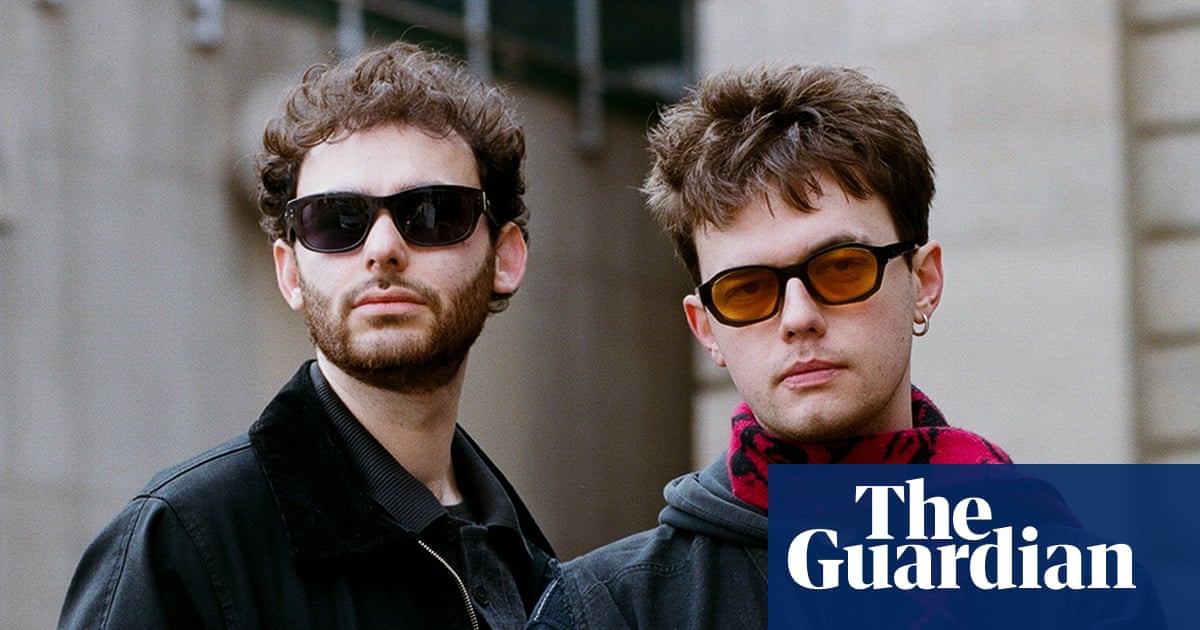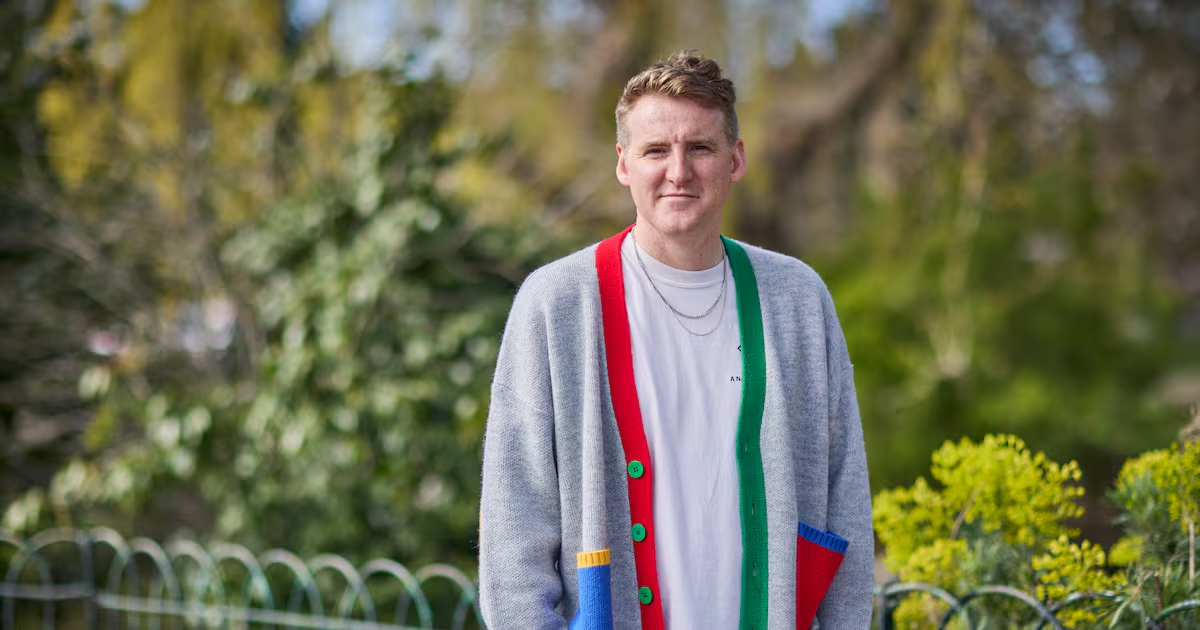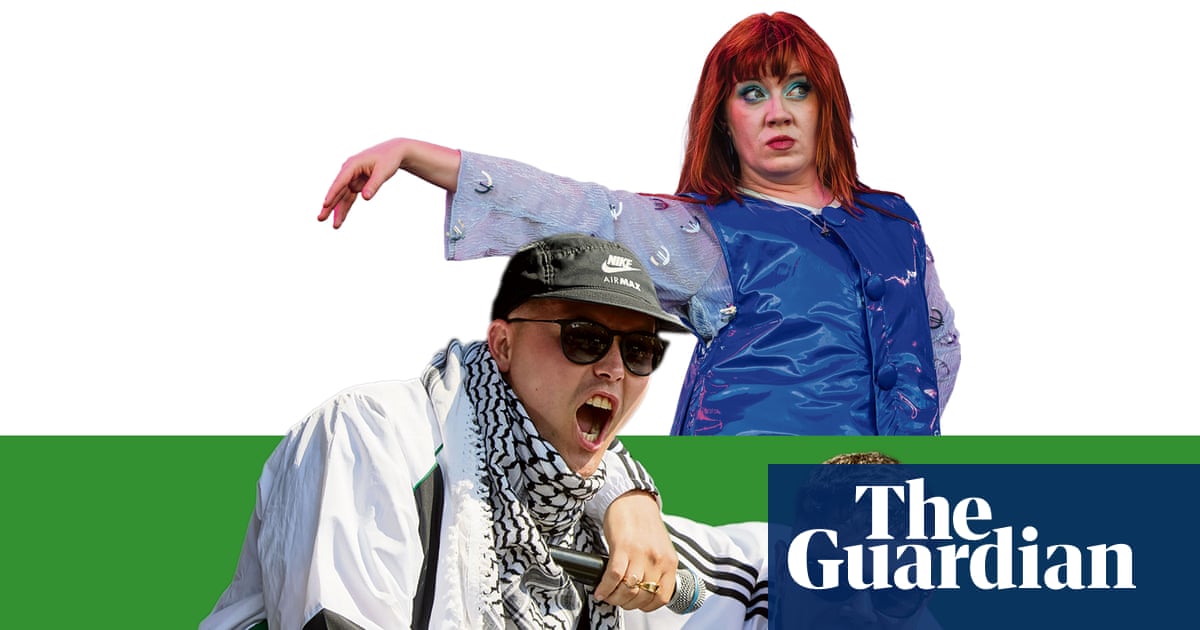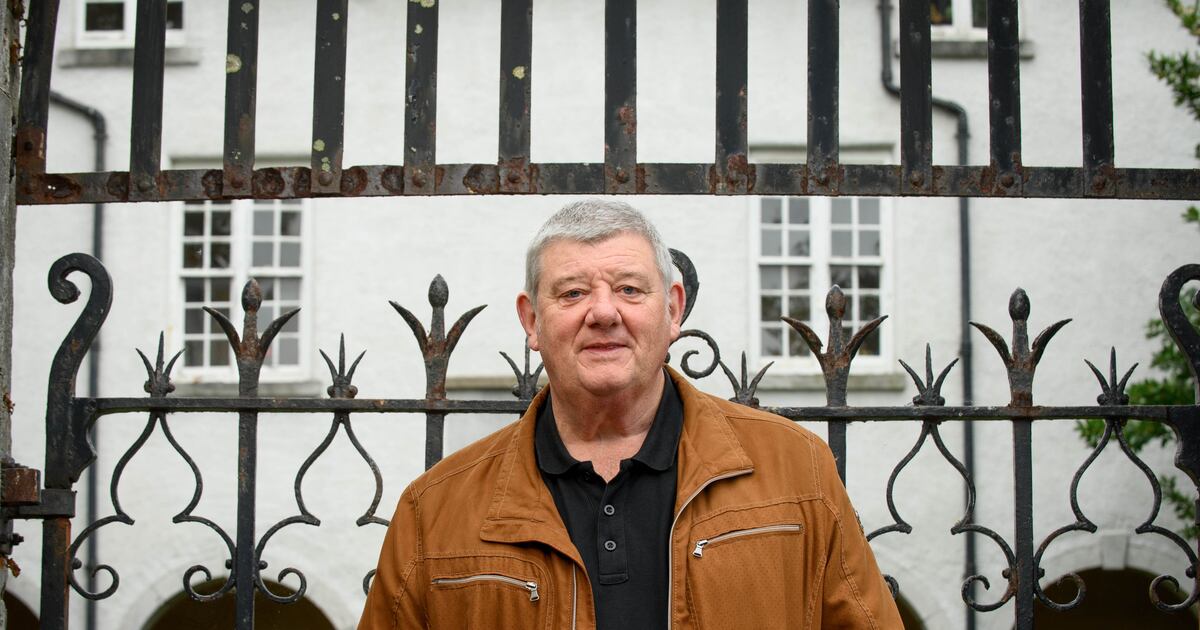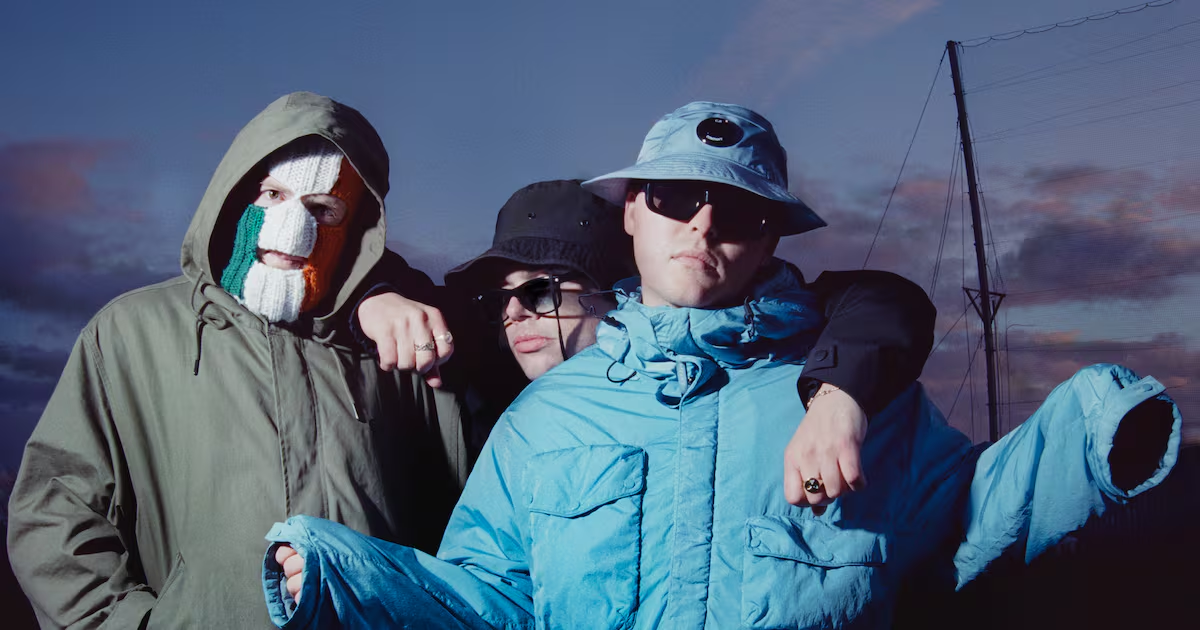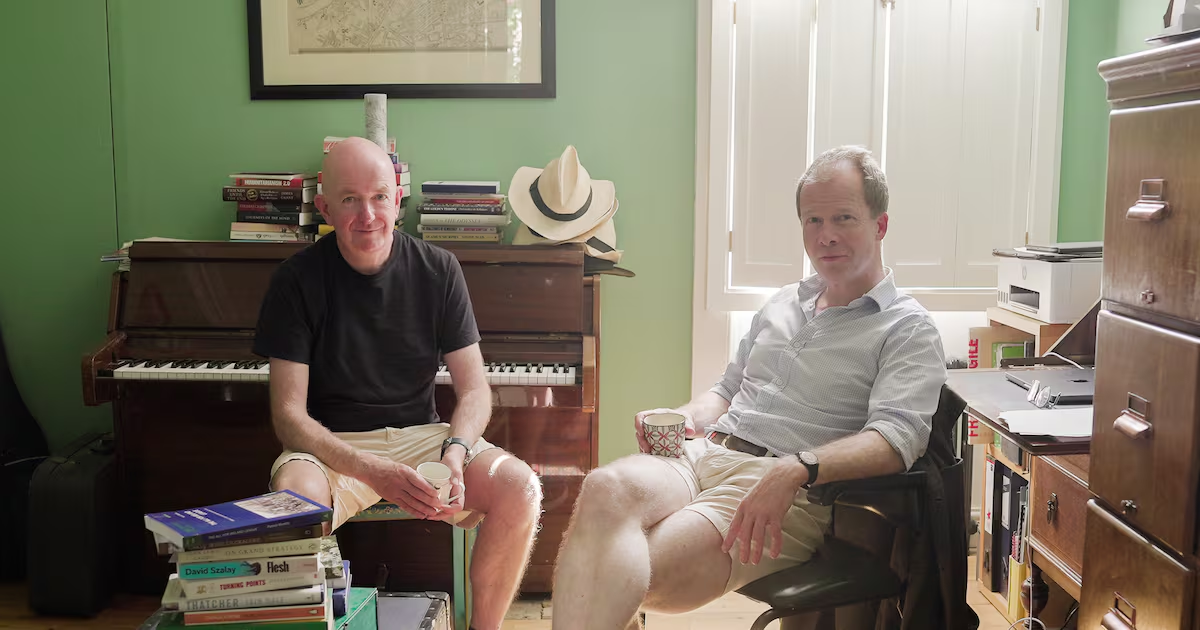
For Simon Kingston, it was an Instagram post by a member of the band Fontaines DC during last year’s presidential election that made him wonder about the reality of being a southern Irish Protestant in contemporary Ireland. Days out from the October 24th election, Conor Deegan, the Irish band’s bass player, told his Instagram audience that the ultimately unsuccessful Fine Gael candidate, Heather Humphreys, was “the candidate of the mind colonised by Britain”.Praising her rival in the campaign Catherine Connolly, who would go on to become President with a large majority last November, Deegan said: “Humphreys embodies the old FF/FG Anglo-Irish mentality: an Ireland reshaped in the image of Britishness, governed through the same modes of control and hierarchy.”Even before Deegan’s post, Kingston, the son of a Methodist minister, had been disturbed by the volleys Humphreys, a Monaghan-born Presbyterian, had been facing because of her background.In retrospect, Humphreys was never really in the running to win the presidential election, but the online criticism directed towards her by a minority was a feature of the campaign.Some went much further than Deegan, using expletives and other offensive language to comment on or abuse Humphreys, who attended Orange Order marches as a child. Her husband, Eric, was an Order member in the Republic before The Troubles erupted.Kingston, and his one-time Wesley College classmate, Dubliner David Clarke, began talking about the state of southern Protestants, an idea that has morphed since into a podcast called The Prodcast.Essentially, it is an attempt to explain southern Protestants of all hues to everyone else, but also to each other. The pair are keen to stress it is not a litany of complaints.“It’s about being proud to be Irish, proud to be a Prod, proud of my country, proud of what we have built as a nation together,” says Clarke, once a St Patrick’s Cathedral chorister and an original member of the traditional choral group Anúna.“While some elements of our shared history on this island are challenging, we – the Prods – are a really important part of the story that is Ireland,” he says, sitting in Kingston’s basement kitchen in London during the recent heatwave.David Clarke and Simon Kingston explore what life is like for Protestants in Ireland. Photograph: Yousef Eldin for The Irish Times Kingston, who runs a consultancy firm, agrees, although he believes southern Protestants of all hues should be more vocal: “At one level, we were stung by the Humphreys case into vocalising how we feel about our kinds of Irishness. “I am enjoying articulating my sense of the tradition out of which I come and its place in a bigger Irish story. Reticence has its defensive advantages, but it makes it very hard to express what you love about your country.”Kingston was born in Fermanagh to west Cork parents, Tom and Gillian, but the family then moved to The Braniel in southeast Belfast, where they lived until 1980, when his father took up a Methodist post in Dún Laoghaire, Co Dublin.Before the Humphreys campaign, Kingston says he had believed that what he terms the days of “you wouldn’t want to listen to a Prod because they’re a unionist” had long since drifted into the Republic’s past.However, last autumn’s experience led him to question that, particularly “this very strange sense that one of the reasons why she was regarded as unelectable was her religious, but, to some extent, her cultural background”.[ EU presidency may expose hypocrisy at heart of Ireland on everything from Ukraine to defenceOpens in new window ]“That idea that someone from a Protestant tradition – whatever that means today – is tolerable, but ‘you wouldn’t want one of them representing your country’. The lid was lifted on something that we thought had vanished,” Kingston says.Though working in London, Kingston maintains close links with west Cork, spending as much time as possible there – running the West Cork History Festival in August for good measure.In the podcast episodes released so far, the duo explore growing up Protestant in the Republic during the 1980s and 1990s, along with exploring Protestant contributions to the State – “the ‘what have the Prods ever done for us’ argument”, as they put it.In time, they hope to expand into interviews with leading Protestants, but also with those from outside that community to stimulate a wider conversation about identity in 21st century Ireland.Protestants in the South have “done quite well by being quiet”, they believe. Today, old habits have left some of Kingston and Clarke’s Protestant friends uncomfortable about the idea of the two of them creating The Prodcast.With a shrug, Clarke says: “A lot of our Proddy friends think, ‘this is crazy’. They are deeply, deeply embarrassed by it, while many of my Catholic friends are saying, ‘yeah, I’d love to hear more about that’.”David Clarke and Simon Kingston faced pushback over The Prodcast. Photograph: Yousef Eldin for The Irish Times He believes southern Protestants’ place in the Republic’s society is now vastly better than it was 30 years ago, helped in no small measure by rapid secularisation.“It’s definitely more pleasant than it was 30 years ago. Back then, we were different – like, we didn’t play GAA, or whatever. Today, my nephew plays GAA. The first time I went to a GAA match was when I was 18.“That was a complete eye-opener for me, a side of society that I had never seen. Since, I think we got to thinking that it was quite nice being part of the gang, but [criticism faced by Humphreys during the Presidential election campaign] says that we’re not really part of the gang.”Kingston posits that Humphreys – who would have been the third Protestant head of state, had she been elected – might have been treated differently during the campaign if she “had been a nice west Cork Prod, not a Border Presbyterian”, though he is not convinced.“Possibly, but possibly not. What was intriguing about the exchanges is that it says something about a Republic that may be facing constitutional change, that this association with the Orange is such a challenge.”Binary attitudes held by some about Protestants – that implicit assumption that many have divided loyalties – should be tackled, says Clarke, who now lives in Edinburgh but spends a lot of time in Ireland.“The inference isn’t by us, the inference is by others, that Prod equals foreign, Prod equals unionist, Prod equals Orange,” he goes on, adding that some southern Protestants, such as himself, will have links to English family, but most do not.[ Ireland can’t decide whether to protect the environment or undermine itOpens in new window ]For Kingston, Irishness in the South until the 1990s meant a Catholicism defined by its opposition “to the Godless, mercantilist, soulless neighbours next door, that we could endure hardship because the Republic had a spiritual quality”.Today, he argues that the Republic, once a bastion of conservative Catholic thinking, has become increasingly monocultural – socially liberal this time, not conservative Catholic – but again a place where, he believes, a new conformity rules.“Any deviation from that is not conforming,” he says, while southern Protestants, particularly outside the Border counties, fear that raising their head above the parapet about distinct Protestant positions will see them “painted as Orange, or a unionist”.In reality, southern Church of Ireland, Presbyterians and Methodists tend to be more liberal than their northern brethren, but they should voice such opinions, lest others assume that northern opinions are theirs too, Kingston says.Acknowledging the gulf that exists within Protestant churches North and South, Kingston says: “That’s all the more reason to make sure that there is a confident espousal of the minority traditions, plural, in the South.“Without that, there’s an assumption that northerners are big, mad children, and that Protestants ‘down here’ are sympathetic to such views if we happen to deviate from any established view on social issues in the South.”The souring of relations between Britain and Ireland caused by Brexit over the last 10 years, following the high point reached by Queen Elizabeth’s 2011 visit, left its own residue.“There are all sorts of terrible consequences from that. But one of them is a coarsening of public conversation in the Republic about itself, and its attitude to others,” Kingston says.By now, the conversation inevitably drifts to Belfast rap trio Kneecap, even if both know that the sound of middle-aged men offering opinions on the musical choices of the young rarely succeeds.Kneecap perform at a concert at the 3Arena in Dublin, Ireland on December 16th, 2025. Photograph: Chris Maddaloni/The Irish Times They argue that the confident cultural nationalism illustrated by Kneecap and the growing popularity of the Irish language holds dangers, if – and it is an if – it trips into historically ill-informed nationalism.The image of thousands of young people chanting “Ooh, ahh, up the ’Ra” at The Wolfe Tones Electric Picnic concerts is not without consequences, they argue.“They [the young people] know it’s somehow transgressive, but not why,” Kingston says, arguing that in the case of Kneecap the band’s very name is an expression of “very narrow republican supremacism”.“It’s inviting people to say, ‘let’s make a joke out of the fact that we come from a political establishment that kept its own community in misery for 40 years, including habitual child torture’, and let’s see a funny side of that.” The Prodcast by David Clarke and Simon Kingston is available on various platforms
Prodcast: ‘It’s about being proud to be Irish, proud to be a Prod, proud of my country’
Two Irish Protestants have started a new podcast on life in contemporary Ireland
1,564 words~7 min read