In his Portakabin at the BAE Systems factory in Warton, union rep Steve McGuinness is weighing up the challenges facing the UK’s defence industry when, abruptly, he has to stop talking. A jet is taking off from the Lancashire site’s airfield and the noise is so loud that it’s impossible to hear him for a few seconds.
When McGuinness begins speaking again, the experienced engineer – who served as a mechanical fitter on Tornado, Hawk and Typhoon aircraft before taking on his role with Unite – explains why Andy Burnham must stay true to his word about investing in British arms manufacturing if and when he becomes Prime Minister.
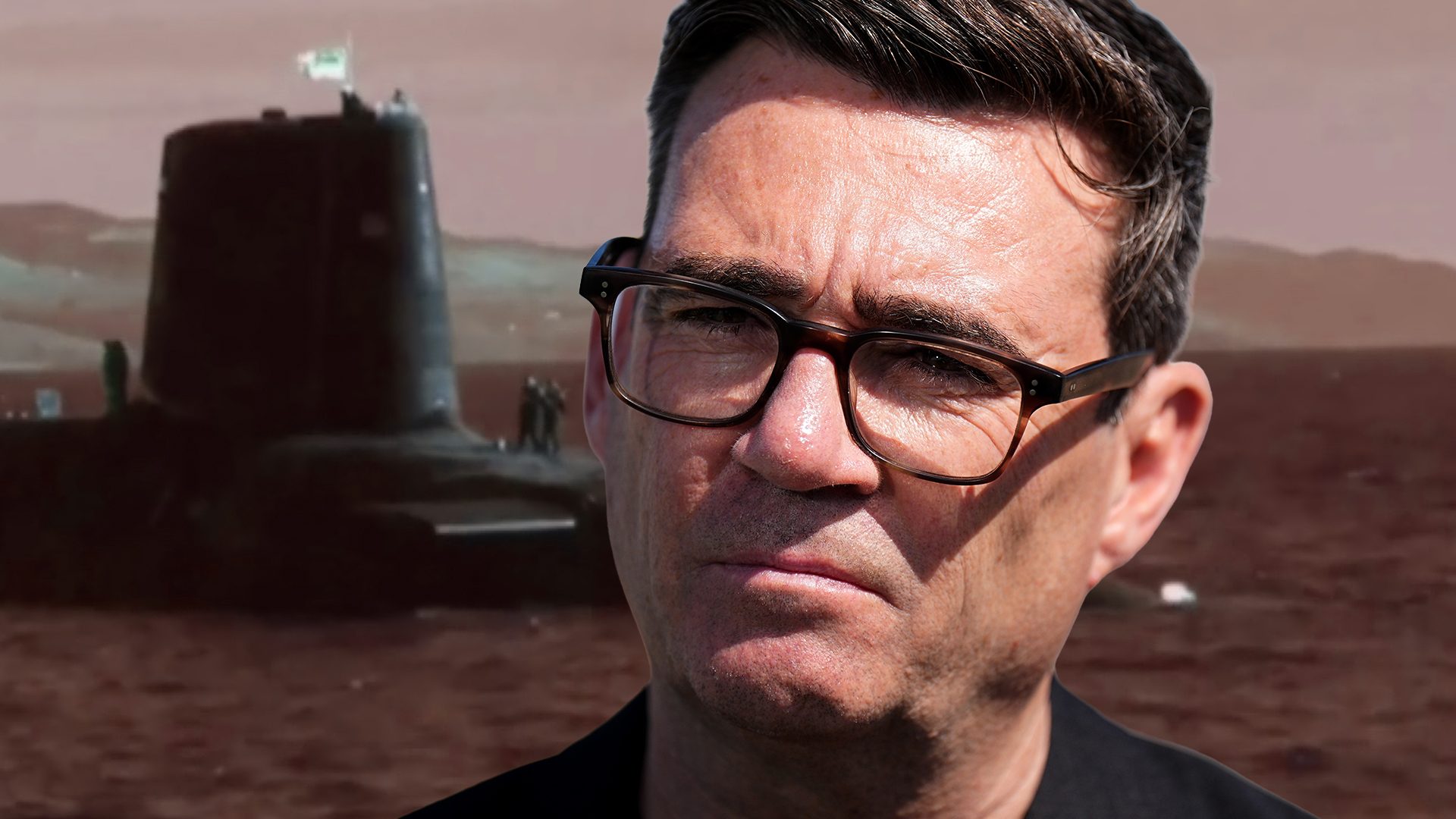
Burnham, who is expected to succeed Sir Keir Starmer later this month, said this week that with the global political situation “darkening”, the UK needs to invest more in the armed forces. He pledged to “back British workers and businesses” with this spending, “to generate economic growth and create apprenticeships and jobs in communities that have seen opportunities drain away”.
Shorts
It’s places like the Warton plant, located between Preston and Blackpool, that need protecting and supporting, argues McGuinness. In this area, “deindustrialisation has taken its toll and BAE is one of the last remaining big employers, certainly in engineering”.