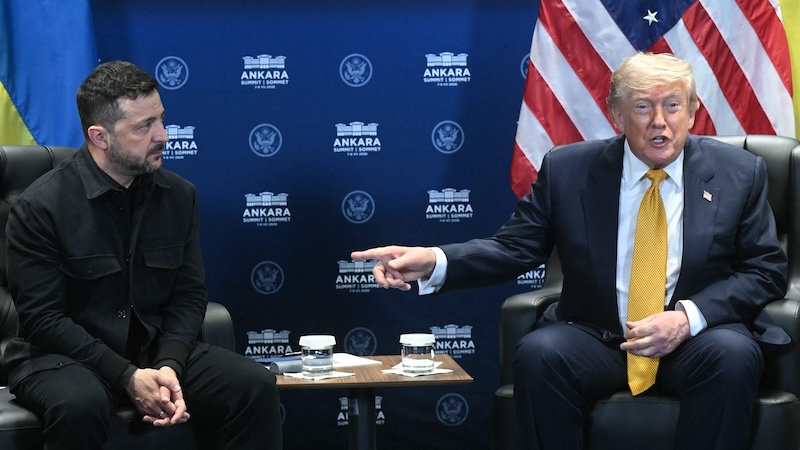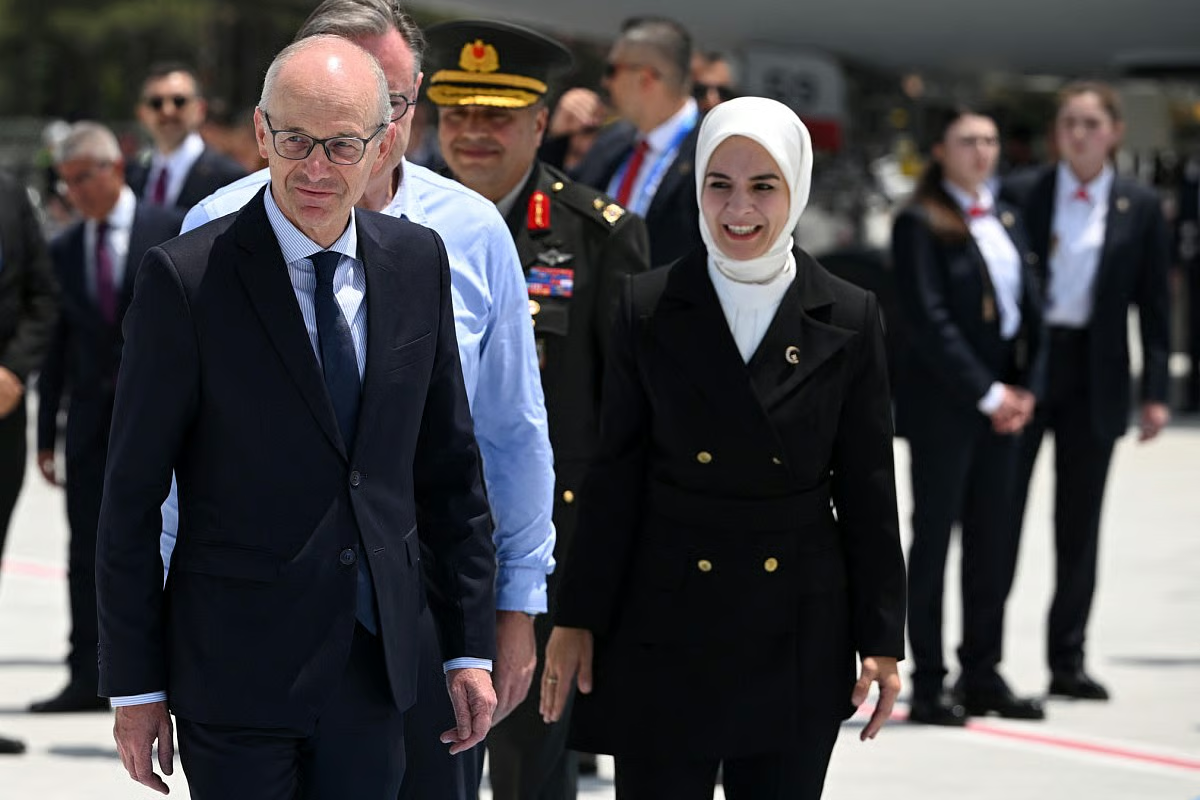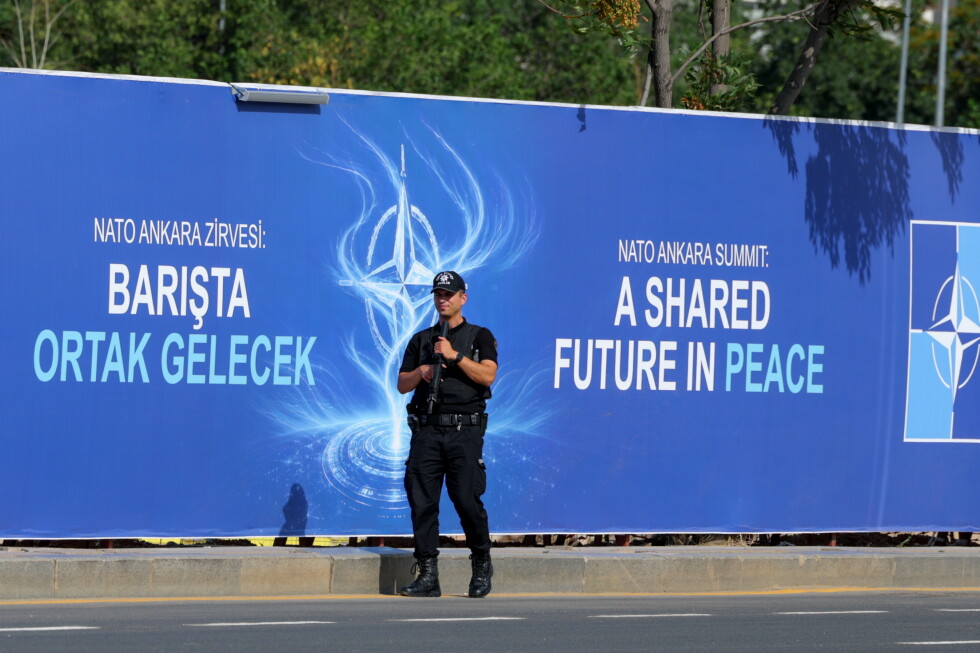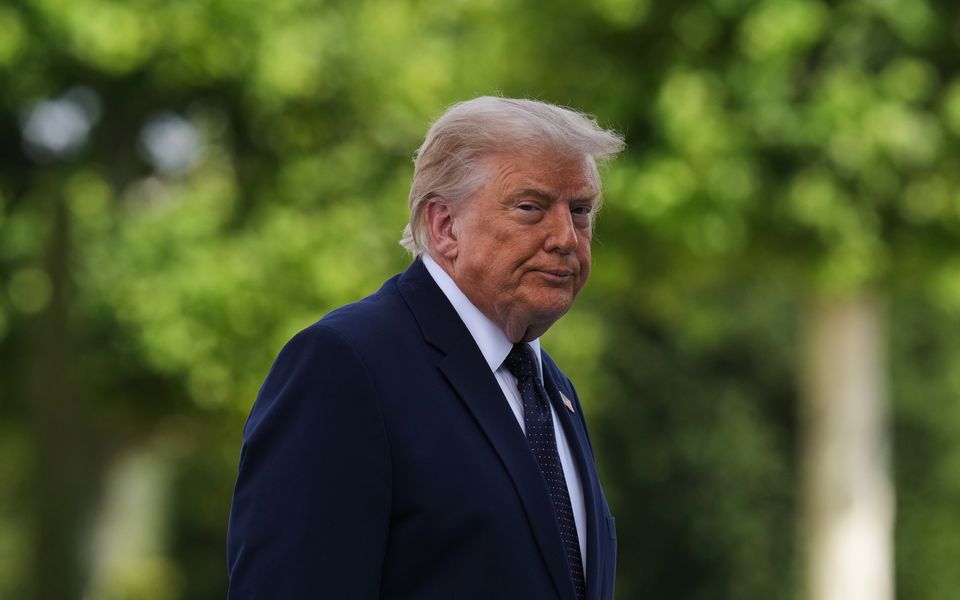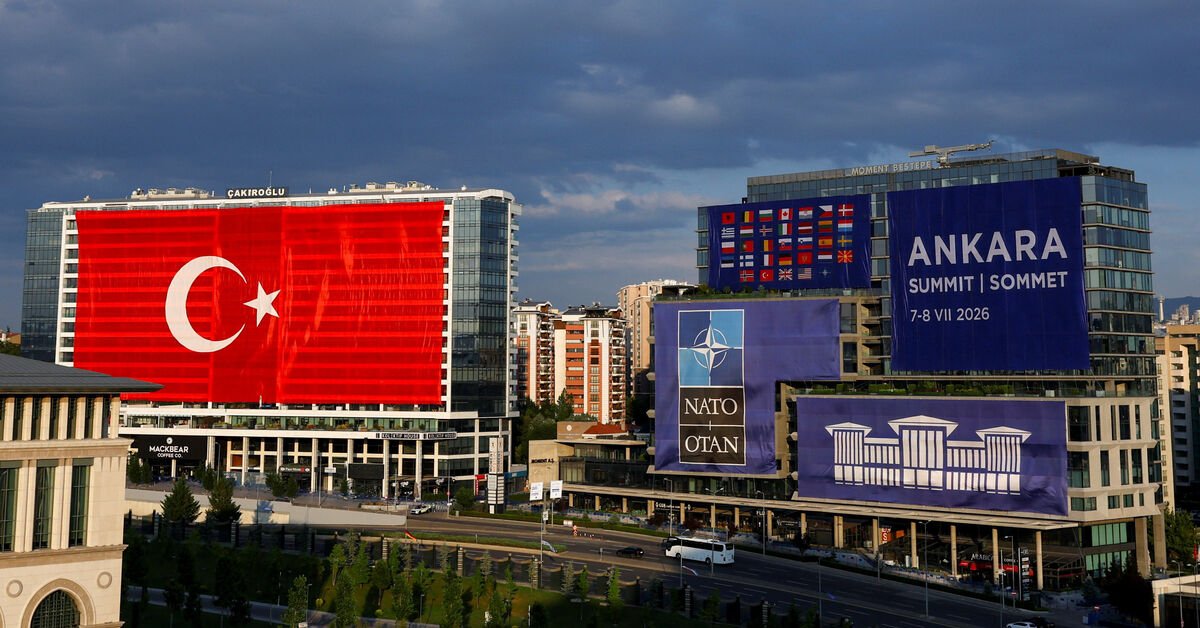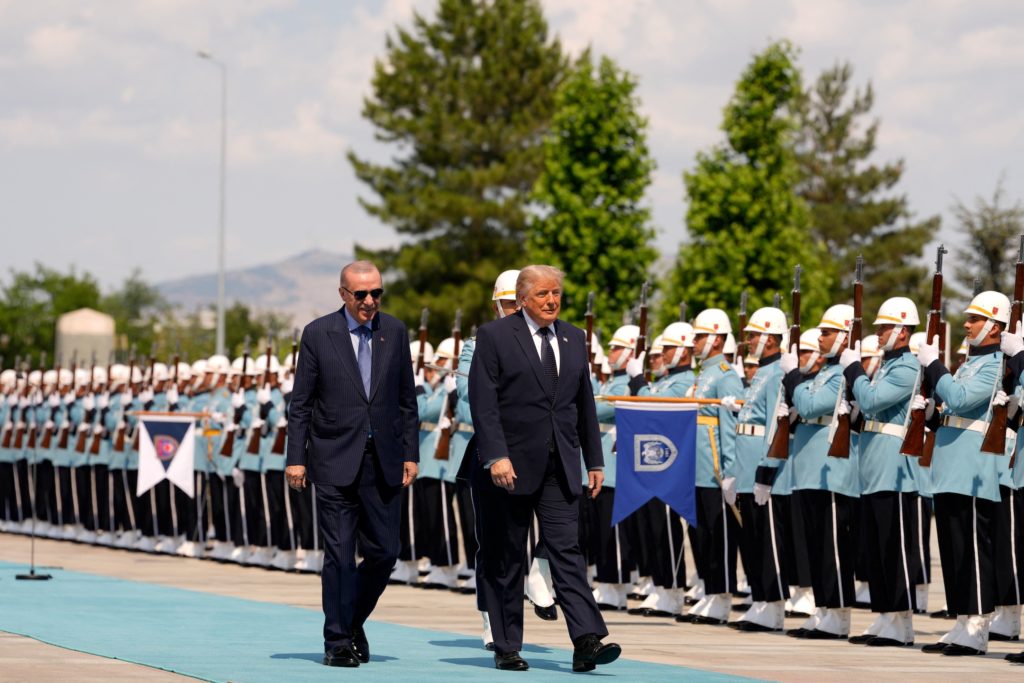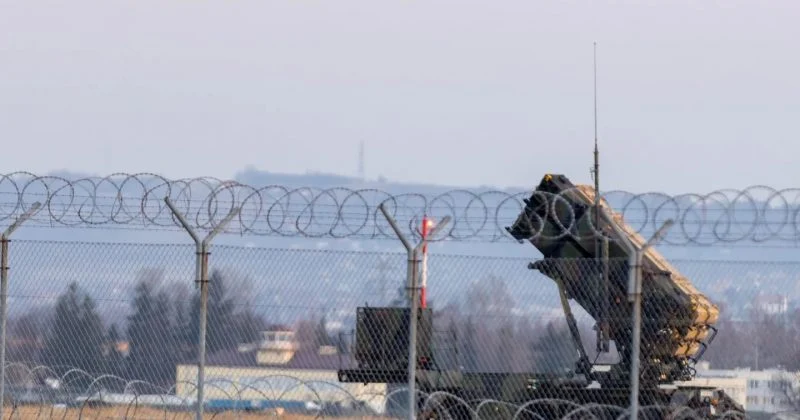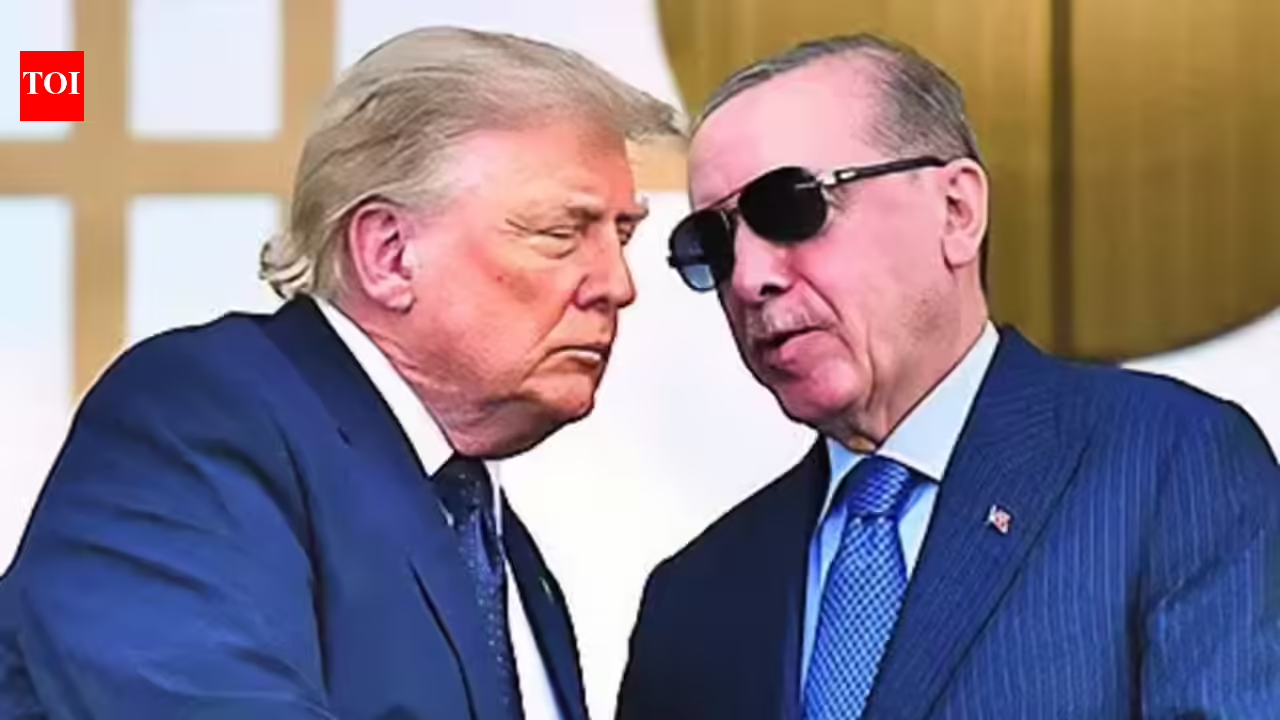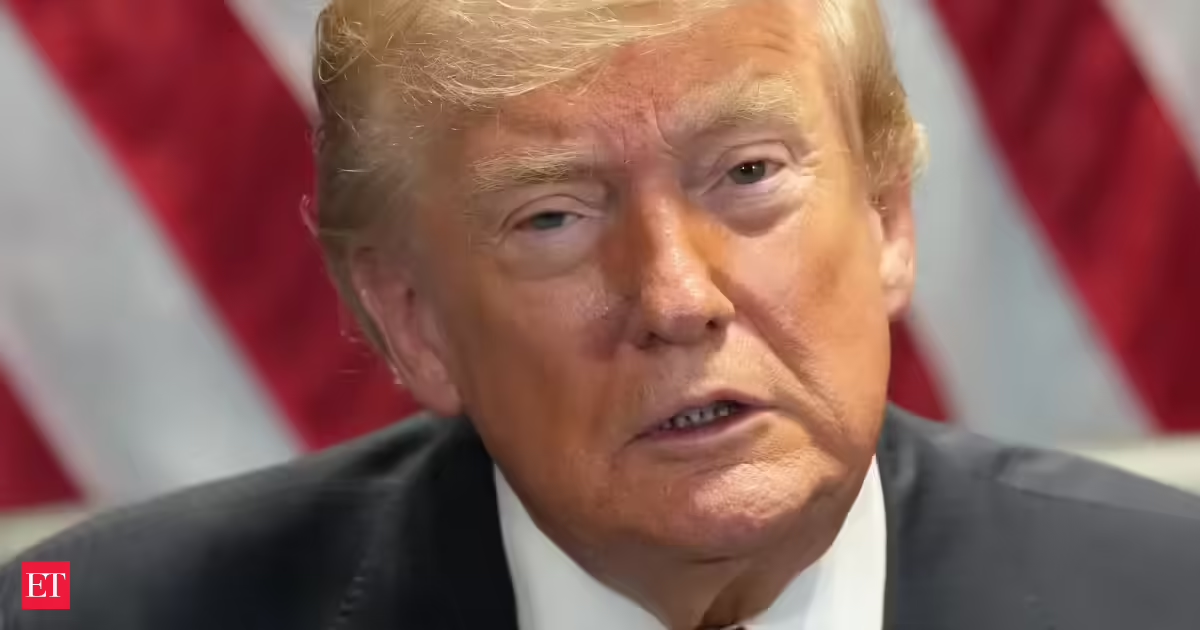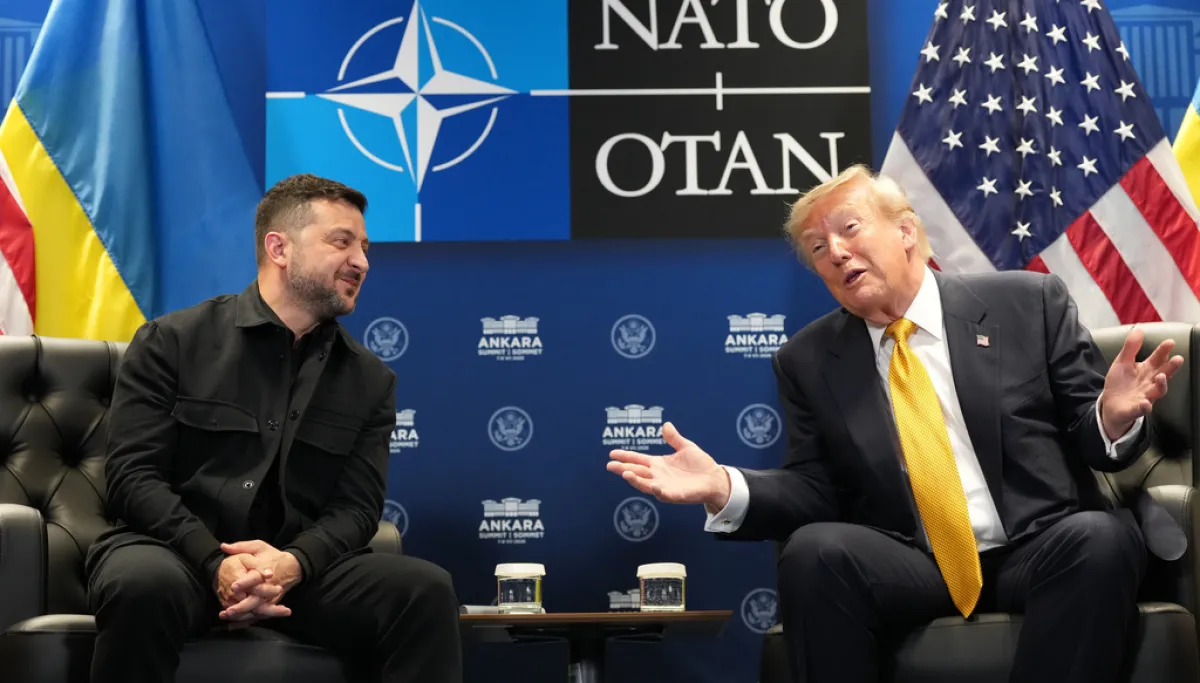
President Donald Trump used the NATO summit in Turkey this week to signal that he is ready to let Ukraine build parts of the Patriot missile system on its own soil, a decision Kyiv has sought for some time. The talk also turned to Turkey’s push to rejoin the F-35 fighter jet program. Trump expressed openness to welcoming Turkey back to that program. The country was suspended following its purchase of Russia’s S-400 air defense systems.Still, the key takeaway from this summit was its illustration of how American power sits irreplaceably at the center of NATO. European allies talk of the need to rethink their defense, and more investments in their militaries are underway. In Ankara, leaders also unveiled a $50 billion push to rebuild arms industries hollowed out since the end of the Cold War. Again, however, if you remove the U.S., NATO’s collective defense posture disappears. The reasons for this include American logistics, intelligence and armaments. But most important is the American nuclear umbrella, which shields Europe. Aside from the United States, the United Kingdom and France are the only other NATO nations that have nuclear weapons.
NATO was founded in 1949 to hold back Soviet power and to keep the peace in a Europe that had dragged the U.S. into two world wars. After the fall of the Soviet Union, in the 1990s, NATO expanded the umbrella of peace over Central and Eastern Europe and fought the Balkan wars in Bosnia and Kosovo. After 9/11, allies invoked NATO’s mutual defense clause, Article 5, for the only time in history. Some allies fought hard besides Americans in Afghanistan, taking significant casualties. And in that shared commitment, we see how the bargain works for the U.S. as well. It helps maintain Washington’s military superpower status and enables it to call upon allies for diplomatic, economic, or even military support.