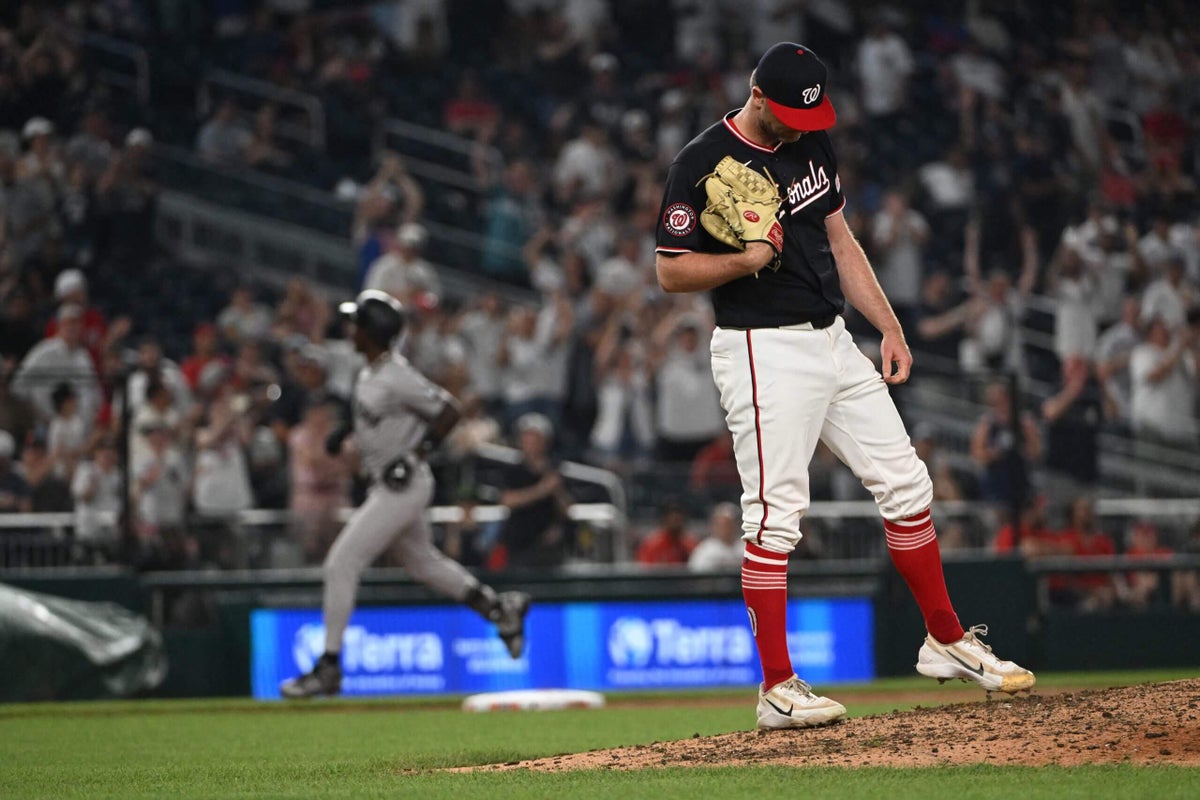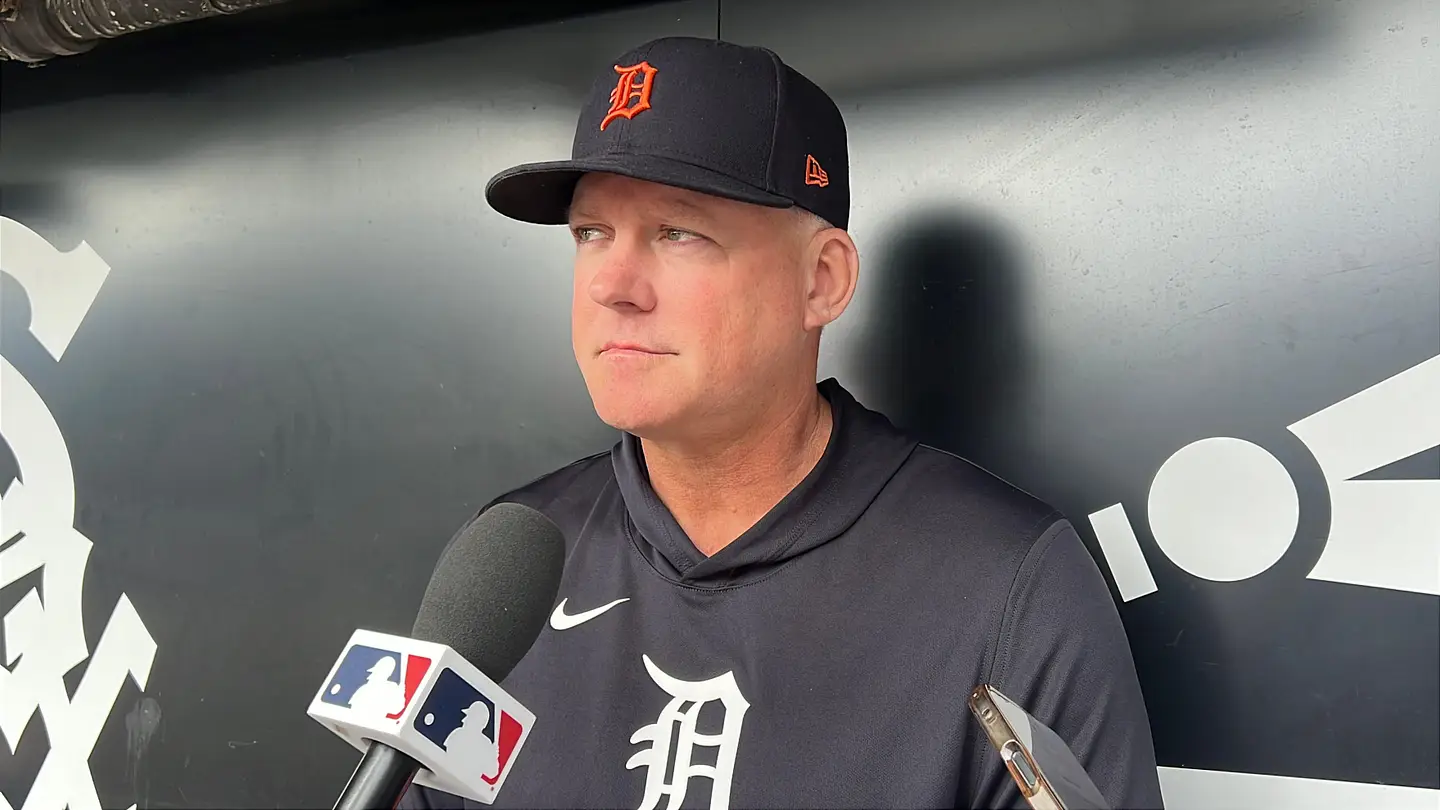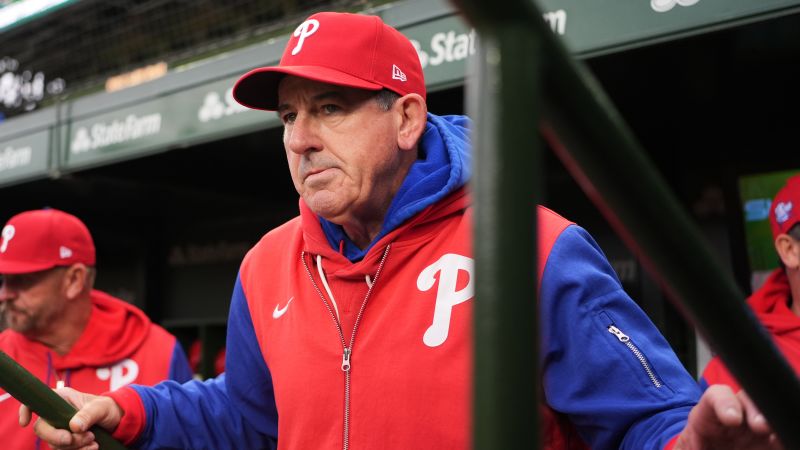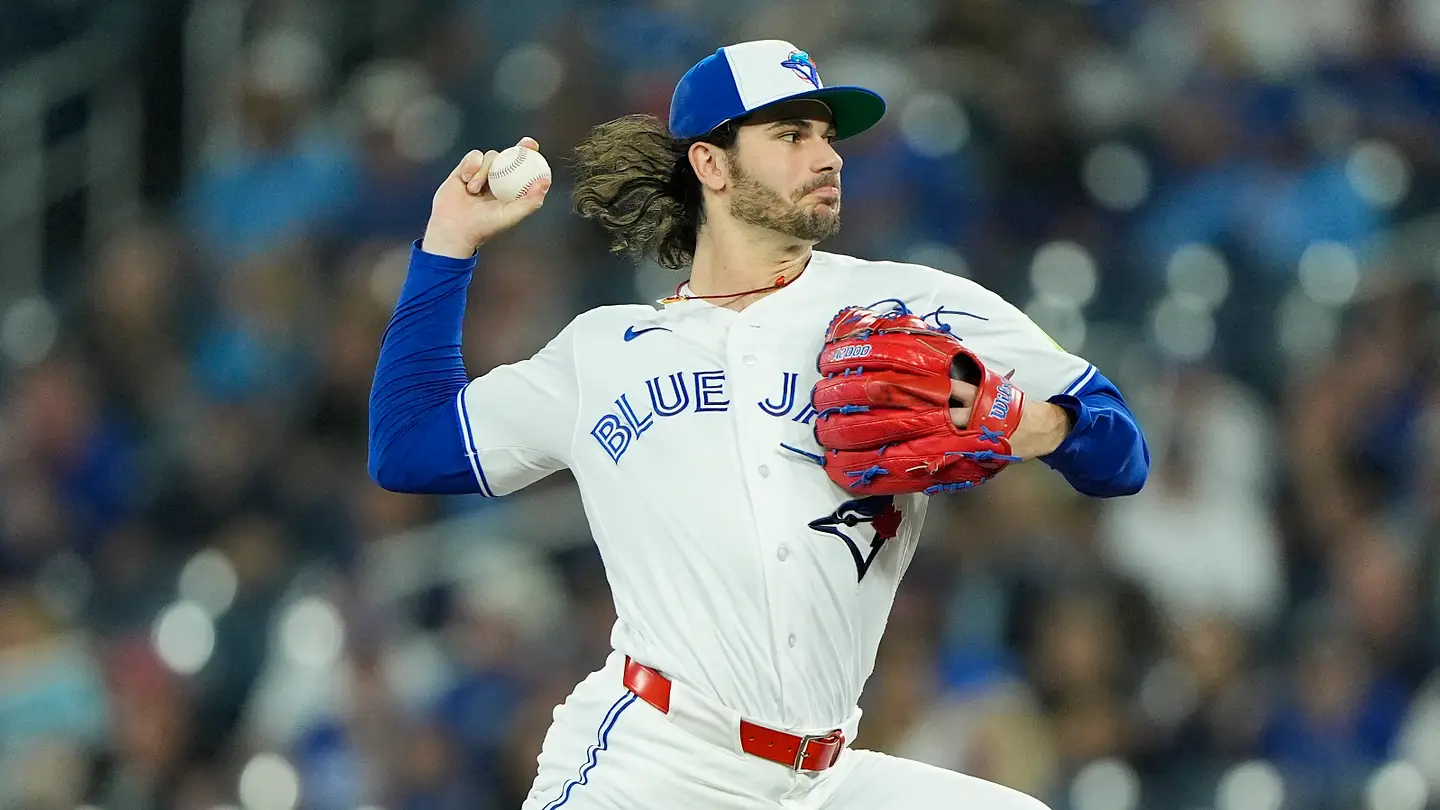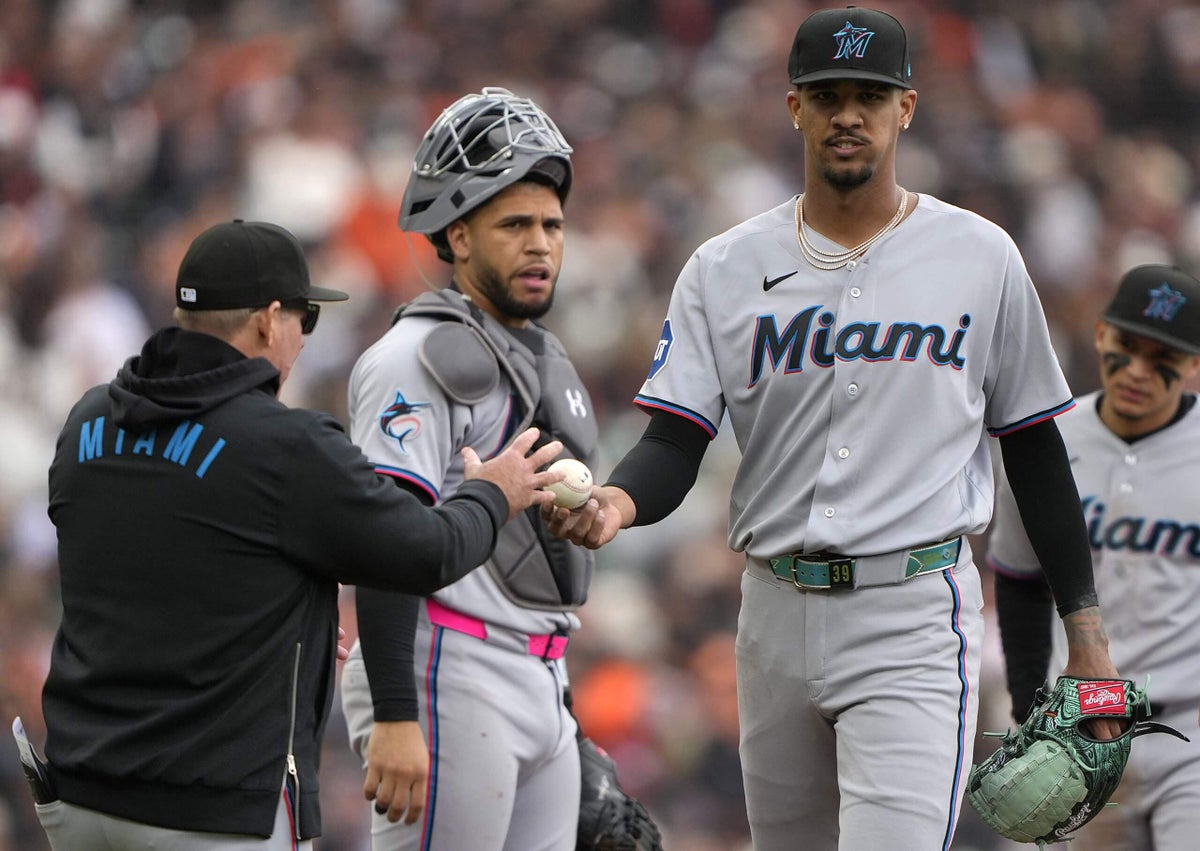
The most famous example of a manager leaving a pitcher in to finish a no-hitter at all costs came on June 25, 2010. Edwin Jackson had allowed eight walks, a hit-by-pitch and seen a runner reach on an error.He’d thrown 134 pitches entering the final inning of his 149-pitch eventual no-hitter. A masterpiece only by technicality.After it ended, however, A.J. Hinch, then the second-year manager of the Arizona Diamondbacks, didn’t revel in the elation of the accomplishment. Instead, he could only feel unease at the potential long-term consequences.“I remember asking my pitching coach, ‘How long until I’m not responsible for Edwin Jackson’s health?’ after leaving him out there,” Hinch recalled on Thursday. “That bothered me for a really long time.“And he signed a major contract that next offseason, and I exhaled.”It’s unlikely the current version of MLB will ever see a pitcher throw 149 pitches, or anything close to it, ever again. That fact has been laid bare this week, as two pitchers were pulled mid-perfect game, with far more manageable workloads.On Sunday, Marlins starter Eury Perez was yanked after seven spotless innings, at 92 pitches.On Wednesday, Pirates starter Jared Jones got the hook after 77 pitches and six perfect innings.For managers, navigating no-hitters has evolved into an agonizing and inexact science. One that requires weighing the pragmatic considerations of decision-making in 2026, with the dated, yet innate desire to let the starter pitch until he gives one up.“You’re trying to balance kids’ futures and the chance to throw a no-hitter,” said Reds skipper Terry Francona, who has managed two no-hitters, but none since 2008. “I think I’ve always fallen on the side of, ‘If he can finish it, OK.’ If he can’t, why are you messing around with hurting somebody?”The latest MLB draft intelKeith LawFrancona appreciates the value of a no-hitter and the superstitions behind it. He never talks to starting pitchers during any game, let alone a no-hitter. And last season, amid a no-hit bid, Francona had a reliever warming up in between innings. He wanted a replacement ready, but didn’t want to impact the psyche of a pitcher trying to finish history.During Clay Buchholz’s 115-pitch no-hitter for the Red Sox in 2007, Francona said he called general manager Theo Epstein during the game to figure out what to do.
The manager’s dilemma: When a high pitch count means saying ‘no’ to a no-no
Embrace history or protect your pitcher? Managing no-hitters encapsulates the sweet spot of new-age analytics and old-school mentality.
1,094 words~5 min read