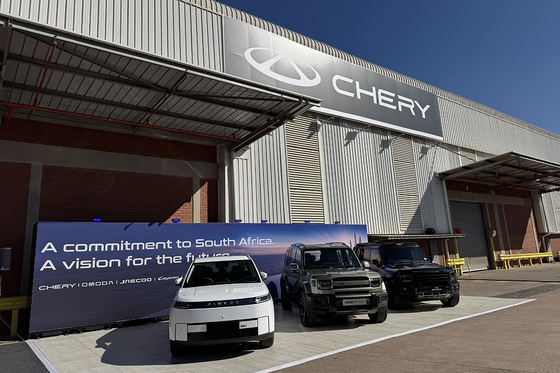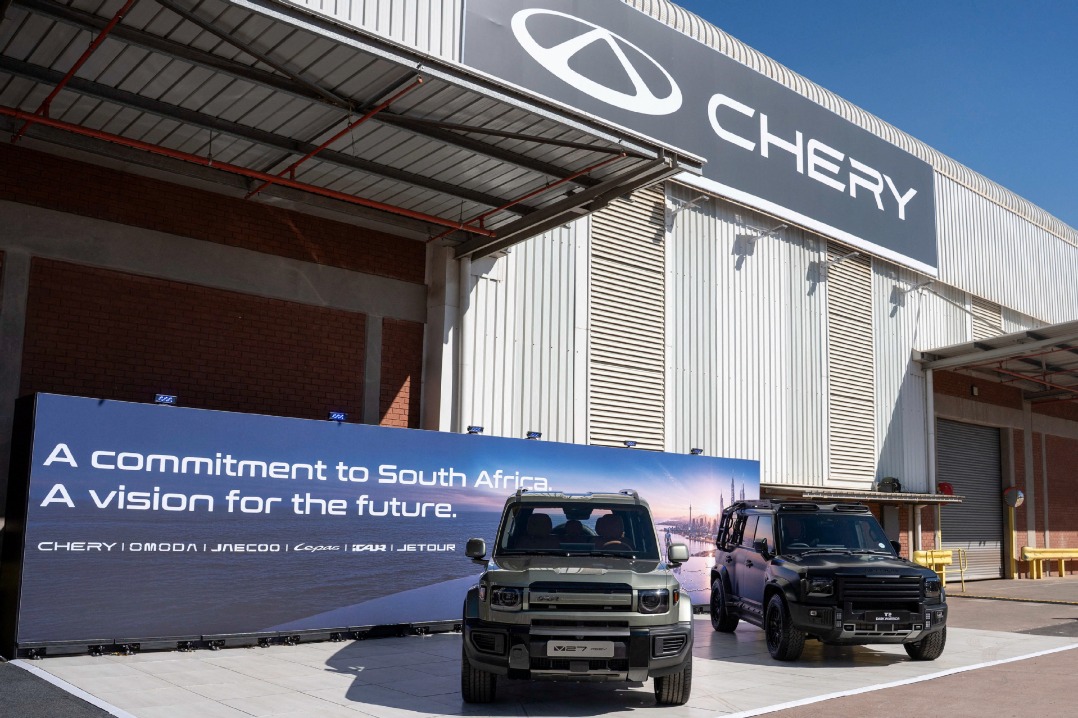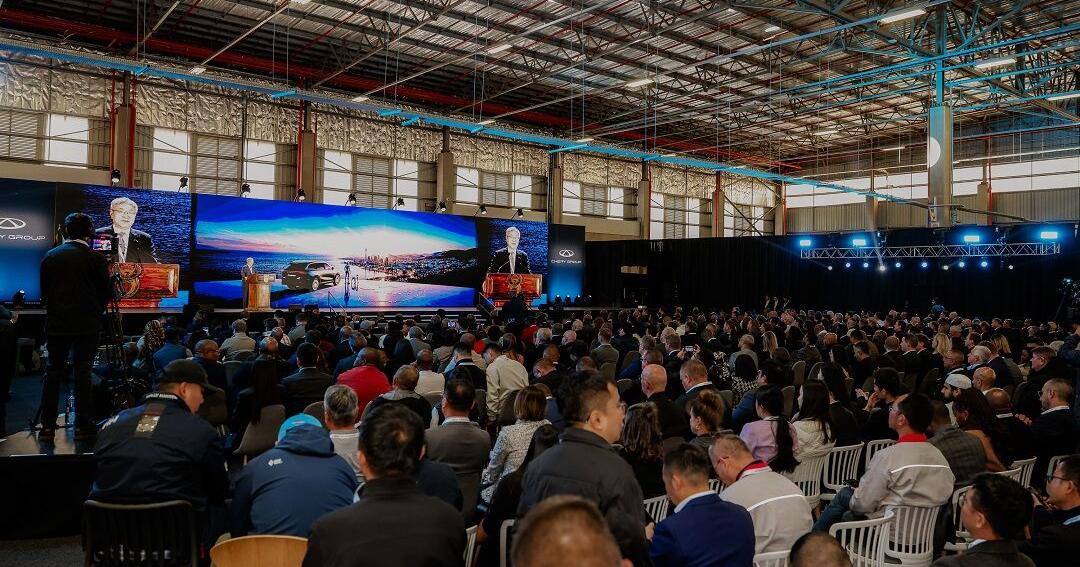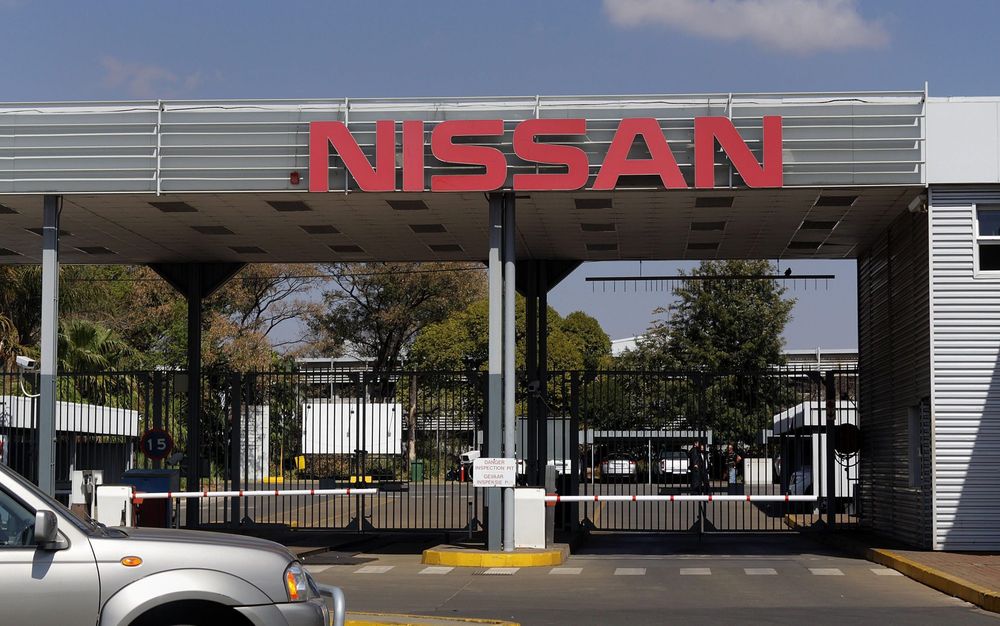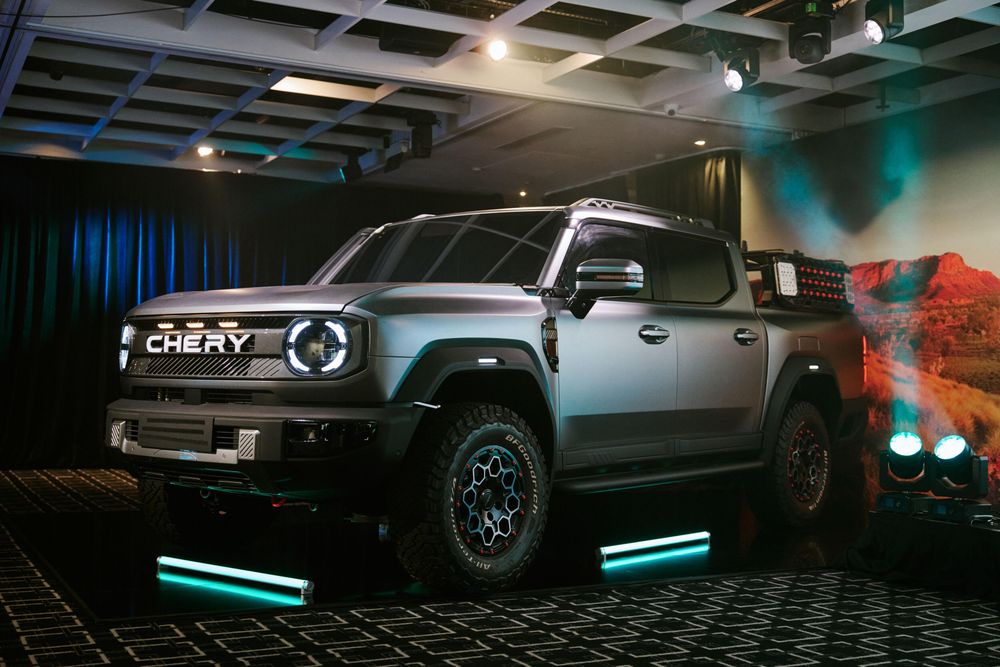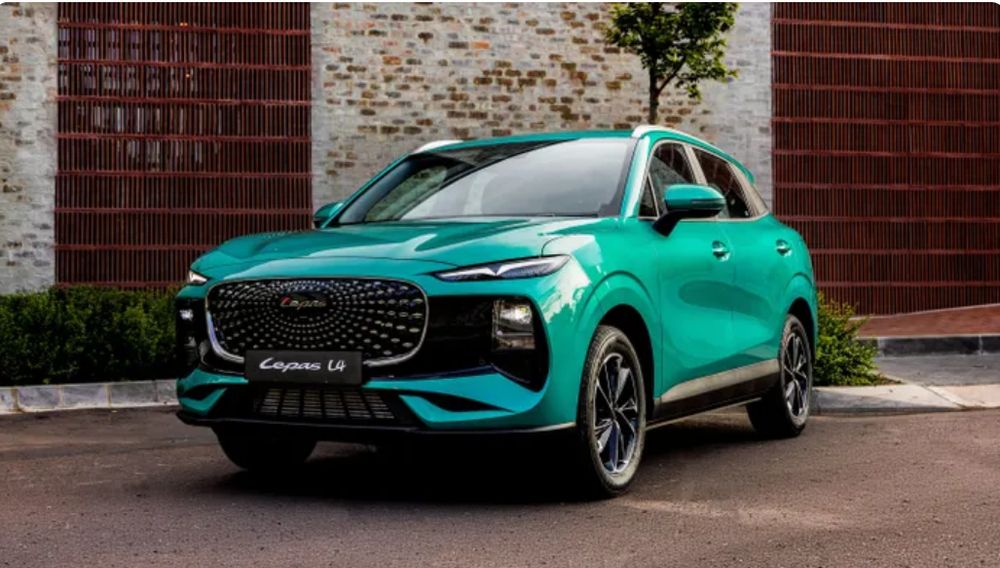
Chery Automobile's formal takeover of Nissan's Rosslyn plant on 3 July 2026 is more than a change of factory ownership.
Chery Automobile's formal takeover of Nissan's Rosslyn plant on 3 July 2026 is more than a change of factory ownership. It marks the moment a Chinese automaker converts import-driven market share into permanent industrial presence on South African soil , and it crystallises a broader restructuring of who builds cars in Africa's largest vehicle manufacturing economy.
The transaction has its roots in Nissan's global troubles rather than any South African failure. Nissan's Rosslyn plant sale is part of the company's "Re:Nissan" restructuring plan, following cumulative net losses exceeding ¥1.2 trillion, roughly $7.4 billion, over two fiscal years. That context matters: this was not a plant closed for want of local demand, but one caught in a Japanese parent company's global retrenchment, echoing similar Nissan capacity reductions elsewhere, including its earlier exit from a Barcelona facility in 2021 that Chery subsequently absorbed through a joint venture with Spain's EV Motors.
For Nissan, the deal is a clean exit from a capital-intensive commitment while preserving its retail footprint: the automaker will continue offering vehicles and services in South Africa through sales and distribution, with new launches including the Nissan Tekton and Nissan Patrol planned for the 2026 fiscal year, while importing the Navara rather than building it locally. It is a template increasingly familiar in mature but margin-thin manufacturing markets retreat from production, retain the storefront.