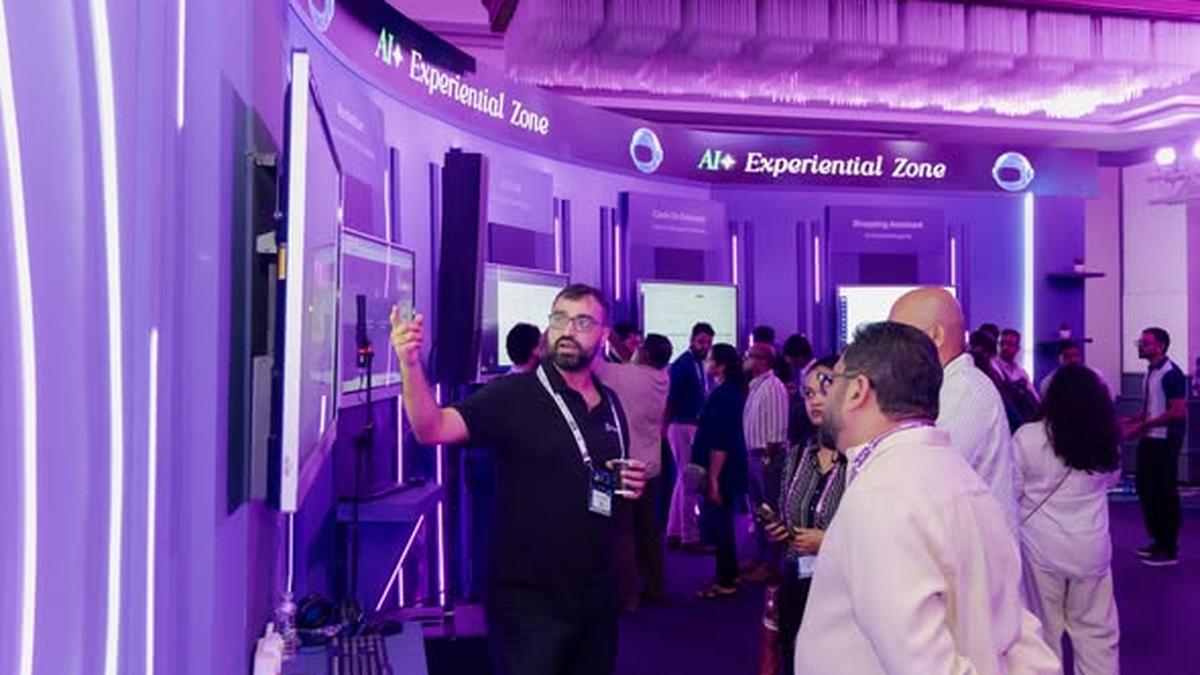
SME Founders learning how to apply AI go their digital businesses At Shivir 2026
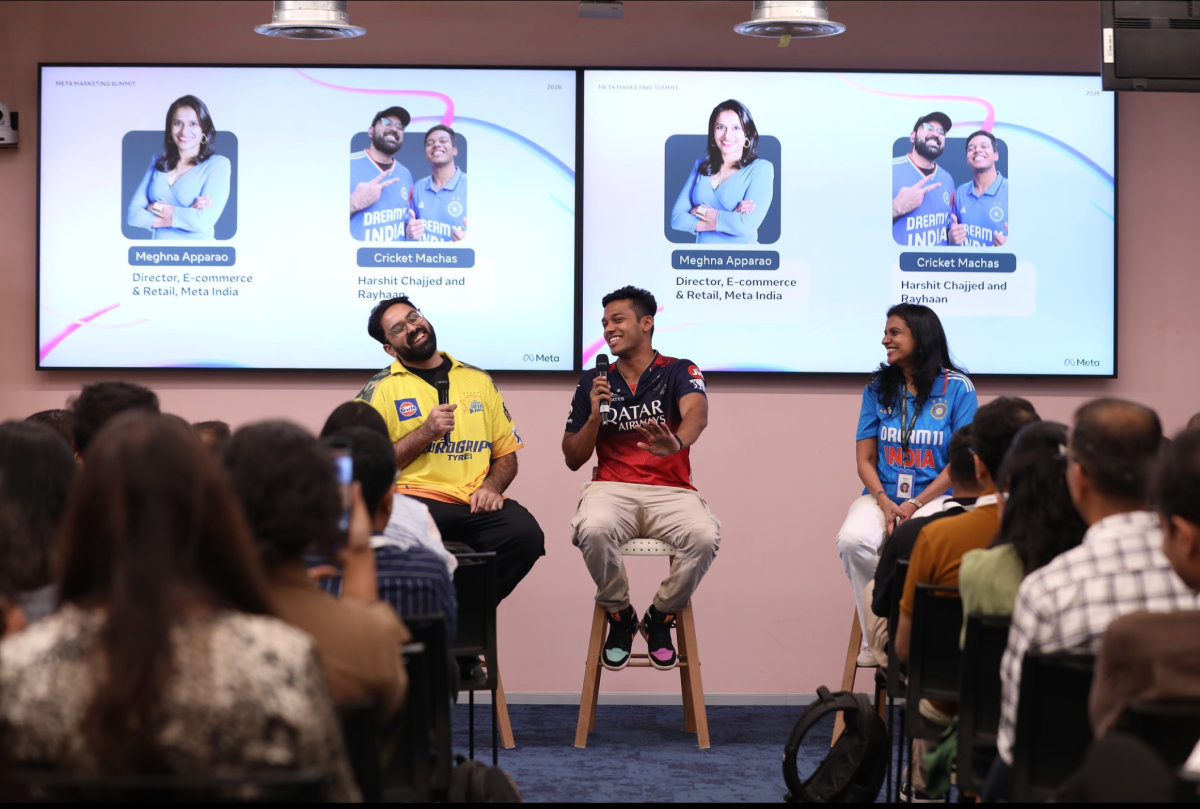
For years, Agra-based entrepreneur Aroop Verma Choudhary manufactured shoes for leading US retailers, including Nordstrom, Macy’s and Dillard’s, but not under his own brand name. Today, he wants consumers to remember a different brand –Eva.That transition from contract manufacturer/supplier to brand owner would have been difficult just a few years ago. Building a consumer-facing business meant juggling customer acquisition, digital marketing, payments, logistics, working capital and returns management through multiple service providers.Choudhary’s journey reflects a broader transformation underway across India’s SME sector, as small businesses increasingly embrace digital commerce as their next engine of growth.The shift comes as a Deloitte-Shiprocket report projects India’s e-commerce market will nearly triple from about $90 billion in 2025 to almost $250 billion by 2030, creating a significantly larger opportunity for SMEs to move beyond contract manufacturing and build direct relationships with customers.The report identifies AI-powered discovery, conversion intelligence and fulfilment innovation as key drivers of the next phase of growth.Integrated digital commerce platforms are increasingly bringing these capabilities together through a single interface, allowing entrepreneurs like Choudhary to focus on building brands rather than managing fragmented operations.SMEs Build Brands, Not Just ProductsSpeaking to businessline, Saahil Goel, Managing Director and Chief Executive Officer of Shiprocket, said the company’s own growth reflects the scale of the opportunity within India’s SME ecosystem.The platform has expanded beyond logistics to offer customer acquisition, payments, fulfilment, exports and financing solutions. Its objective is no longer limited to helping SMEs move parcels; it aims to equip them with the same digital capabilities that large consumer brands use to acquire customers, drive sales, manage fulfilment and expand into new markets.Shiprocket today facilitates an annualised GMV of more than $4.5 billion across millions of SME-led transactions, accounting for roughly 5 per cent of India’s e-commerce market and about 1 per cent of global e-commerce GMV.“When these capabilities become accessible through a single platform, small businesses can compete on a much larger stage without having to build expensive technology or distribution networks. The first phase of digital commerce was about helping merchants come online. The next phase is about helping them acquire customers, improve conversions, strengthen fulfilment and build long-term customer relationships,” he said.SHIVIR 2026: AI for the Next Wave of SME GrowthAt its SHIVIR 2026 summit, which concluded on Thursday and was attended by more than 2,500 founders and technology leaders, the company unveiled AI-native commerce tools designed to improve product discovery, reduce checkout friction and drive repeat purchases.Discussions with SME founders and software solutions providers highlighted how AI is becoming deeply embedded across the commerce value chain rather than remaining a standalone application.Digital Commerce as SME InfrastructureFor India’s SMEs, digital commerce is rapidly evolving from a sales channel into core business infrastructure.Platforms are increasingly integrating customer acquisition, AI-driven marketing, checkout optimisation, payments, logistics, exports and embedded finance within a single ecosystem. This enables entrepreneurs to focus on product innovation and customer engagement instead of coordinating multiple service providers.Published on July 10, 2026