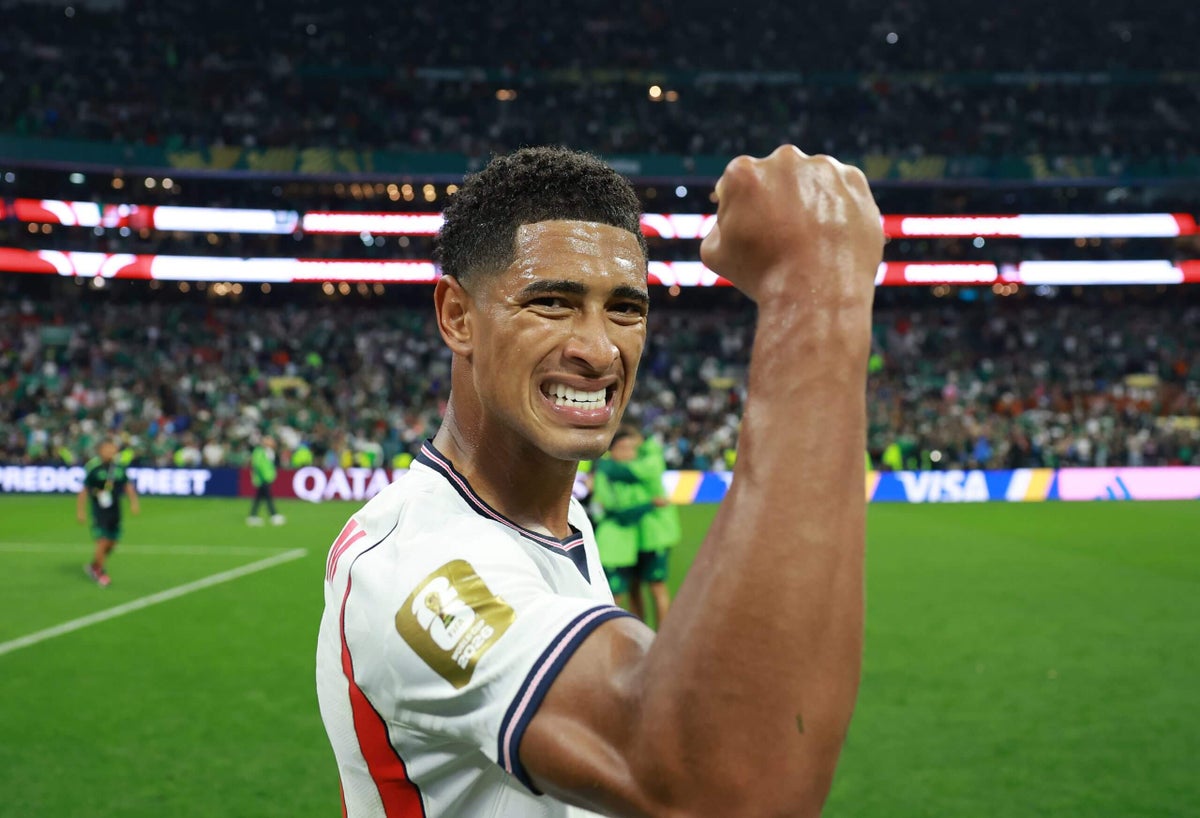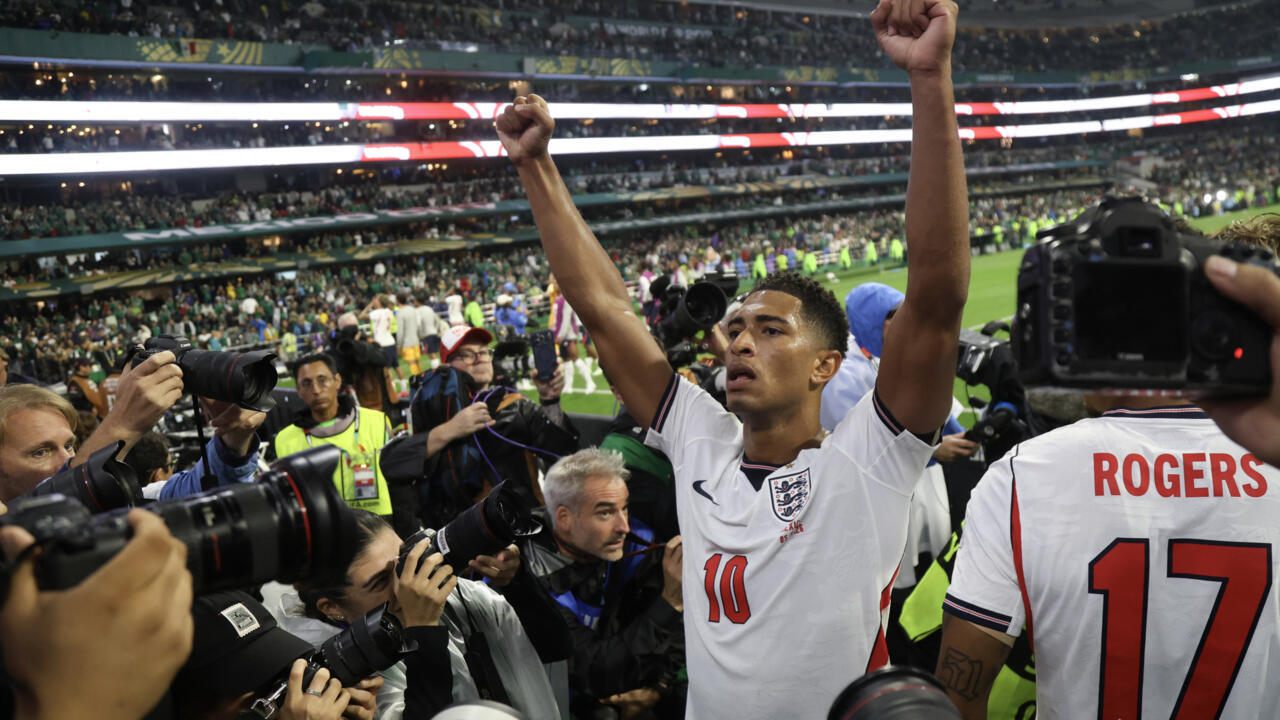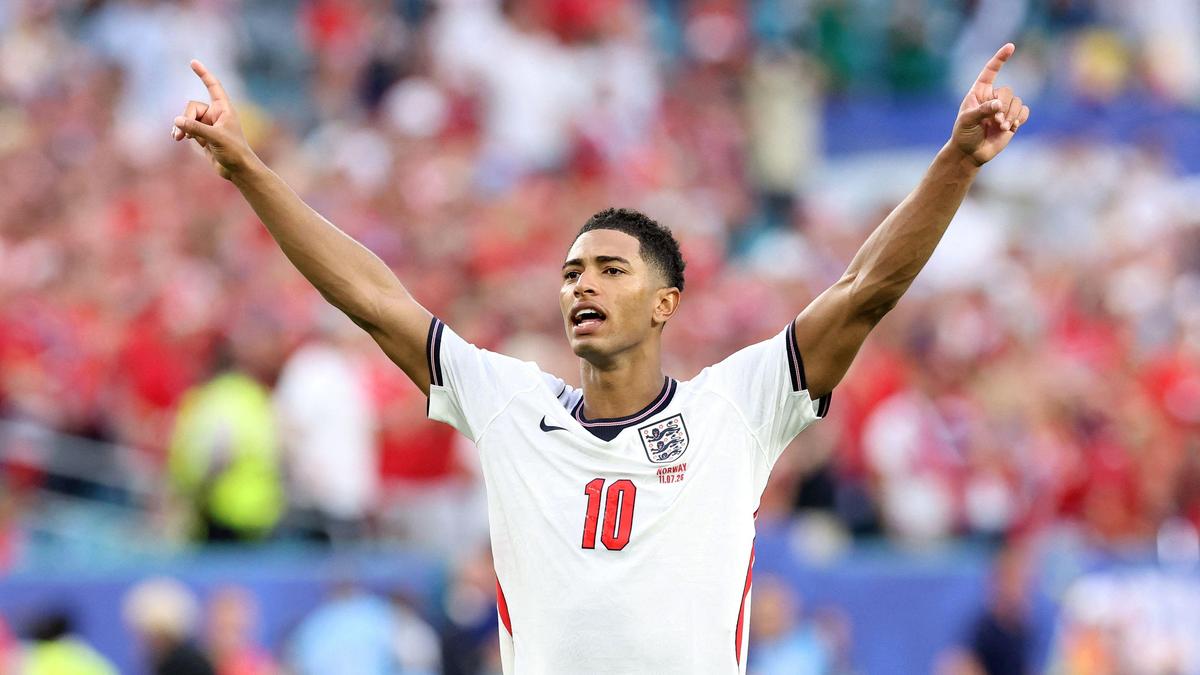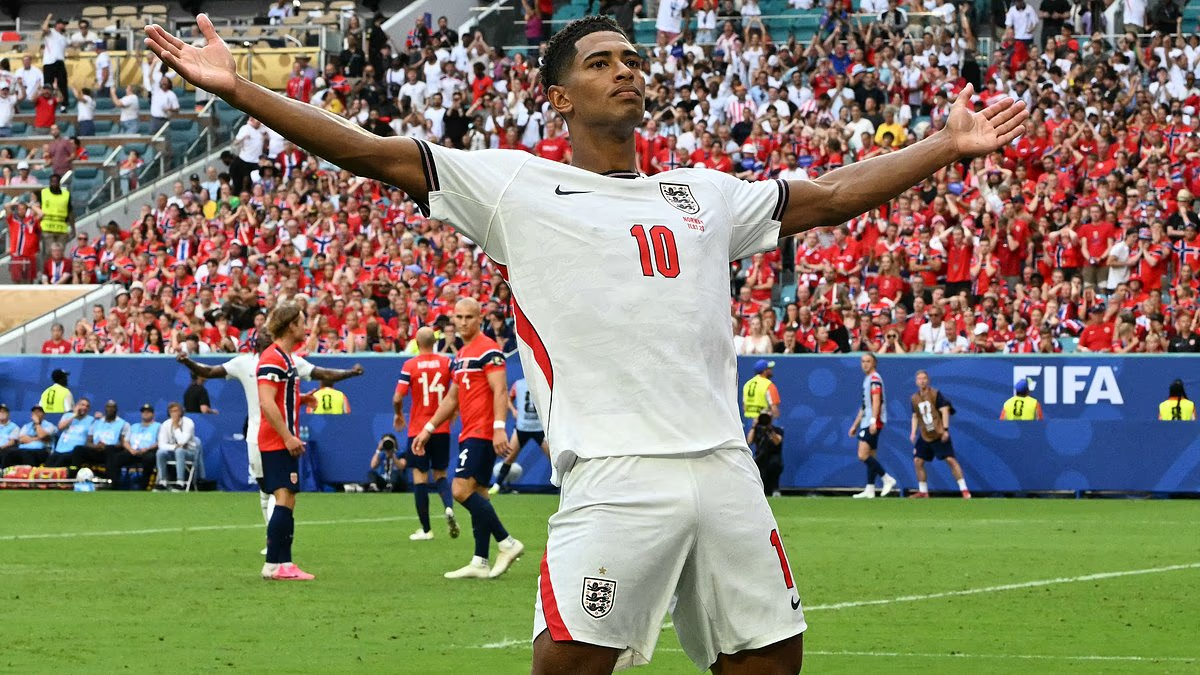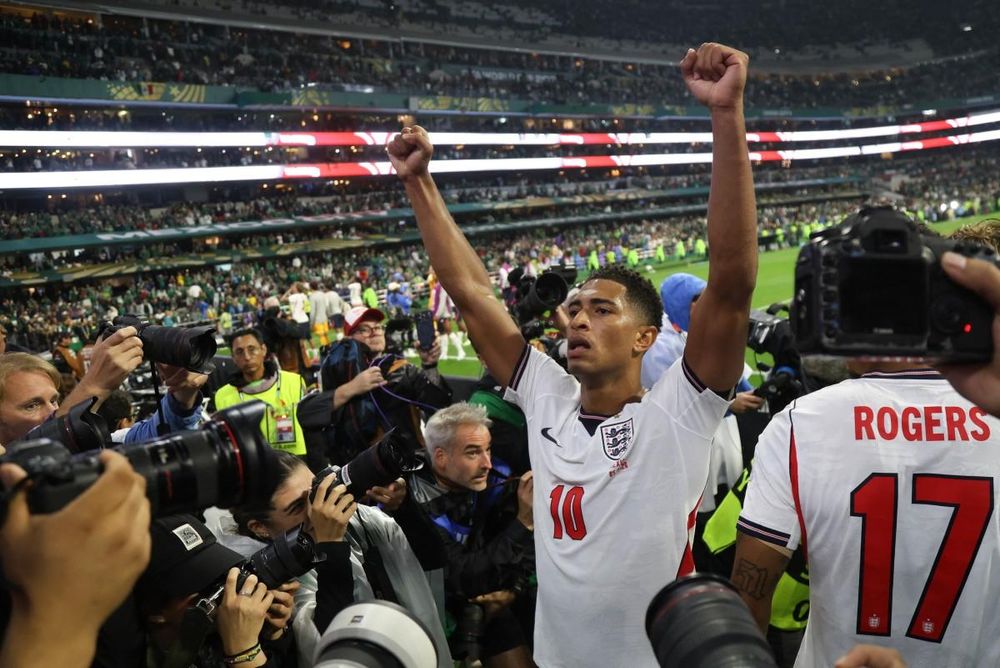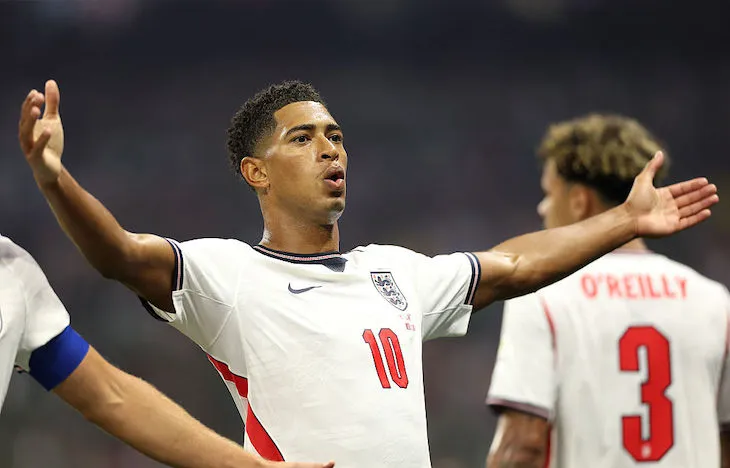
Jude Bellingham has been England’s star man at the World Cup. In England’s 3–2 victory over Mexico on Monday, the Real Madrid attacker not only scored two goals, but made vital blocks at key moments during the game. His performances throughout this tournament – including three Player of the Match awards, four goals and one assist – have been nothing short of world-class. Bellingham’s confidence, unapologetic attitude, swagger and unorthodox temperament have been infectious. But these qualities have not always been welcomed.
For some, Bellingham’s flash of frustration signalled ego and petulance
Last autumn, headlines fixated on Jude Bellingham’s touchline reaction to being substituted in a World Cup qualifier against Albania. Reactions were sharply polarised: for some, his flash of frustration signalled ego and petulance; for others, it showed a young, prodigiously talented man under immense pressure.
Ian Wright’s impassioned defence of Bellingham pushed the issue further, reigniting the long-running debate about racism in English football. But there is a deeper question worth asking: what did Bellingham’s expressive personality have to do with race?
We must begin with England’s scepticism towards “razzmatazz”: a long-standing social instinct that shapes everything from politics to football. English society has historically been defined less by explicit values than by sensibilities: understatedness, an aversion to spectacle, suspicion of charisma, and a quiet preference for competence over showmanship. This cultural code applies irrespective of race. Even white English stars who deviate from it – Paul Gascoigne, David Beckham, and more recently Jack Grealish – have been criticised for their flamboyance or emotional excess.