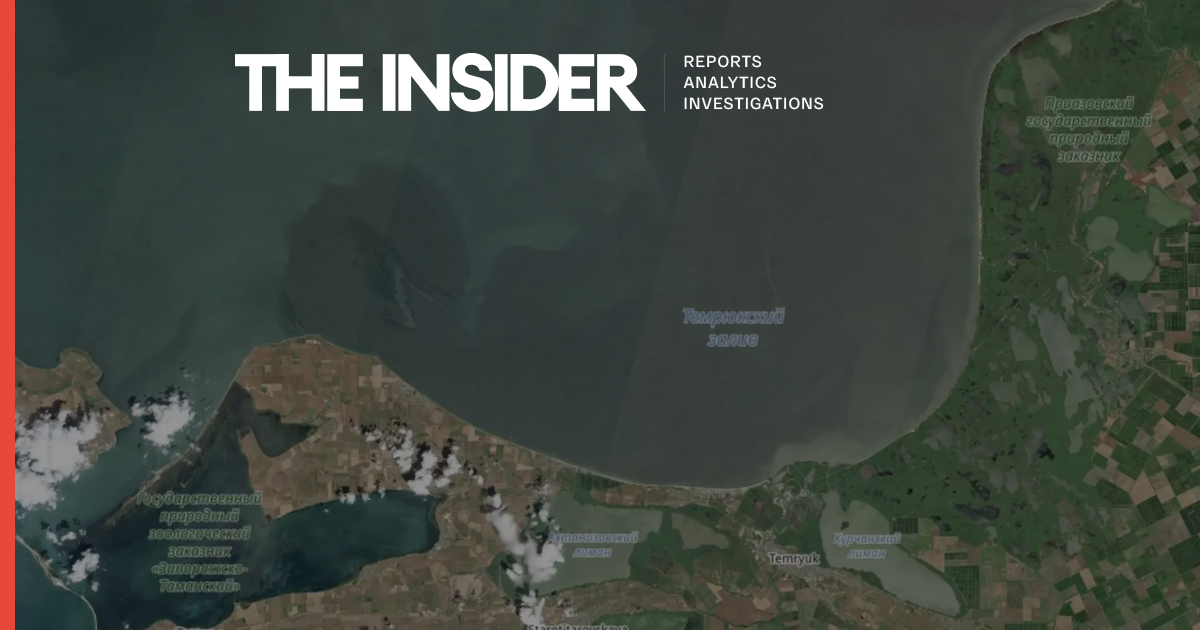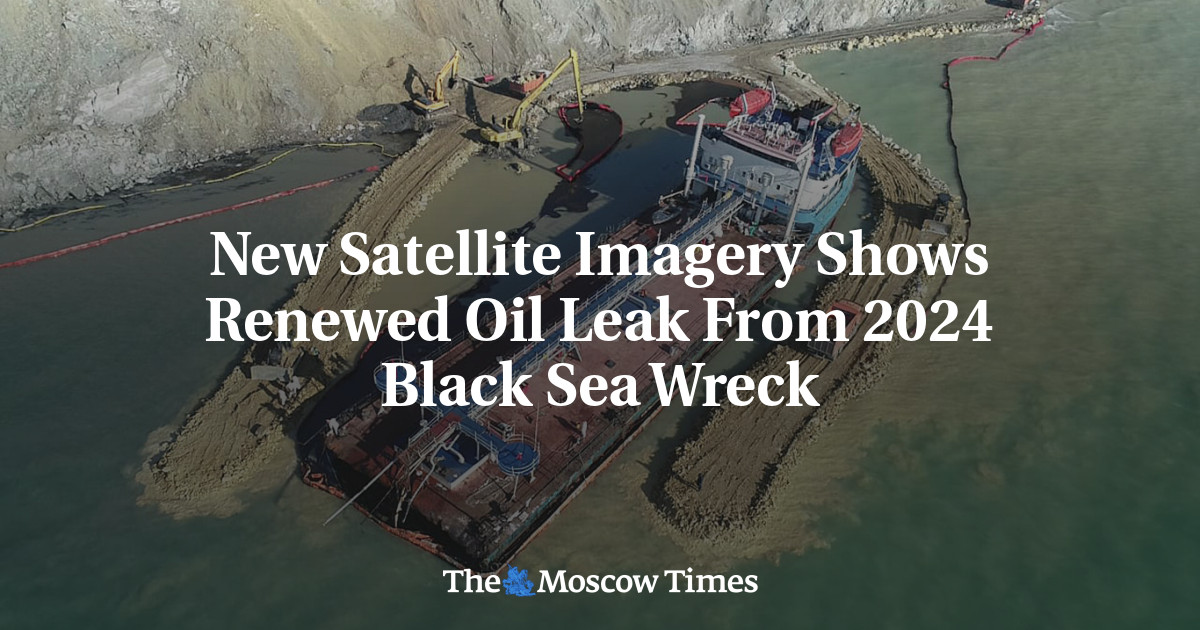
Satellite imagery published this week shows a new oil slick near the site of the December 2024 spill along Russia’s southern Black Sea coast, according to monitoring services.
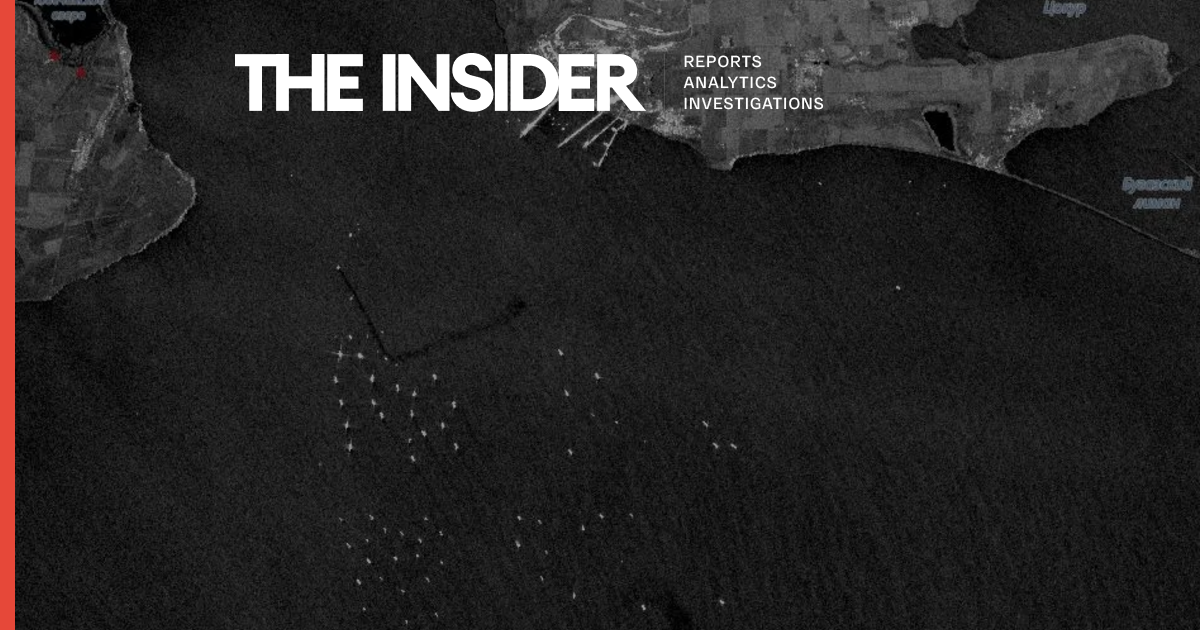
Slicks consistent with an oil film appeared near the sunken bow of one of the vessels in European radar and optical satellites on July 1 and July 6, Sky Eye, an open-source satellite monitoring service, said Thursday.
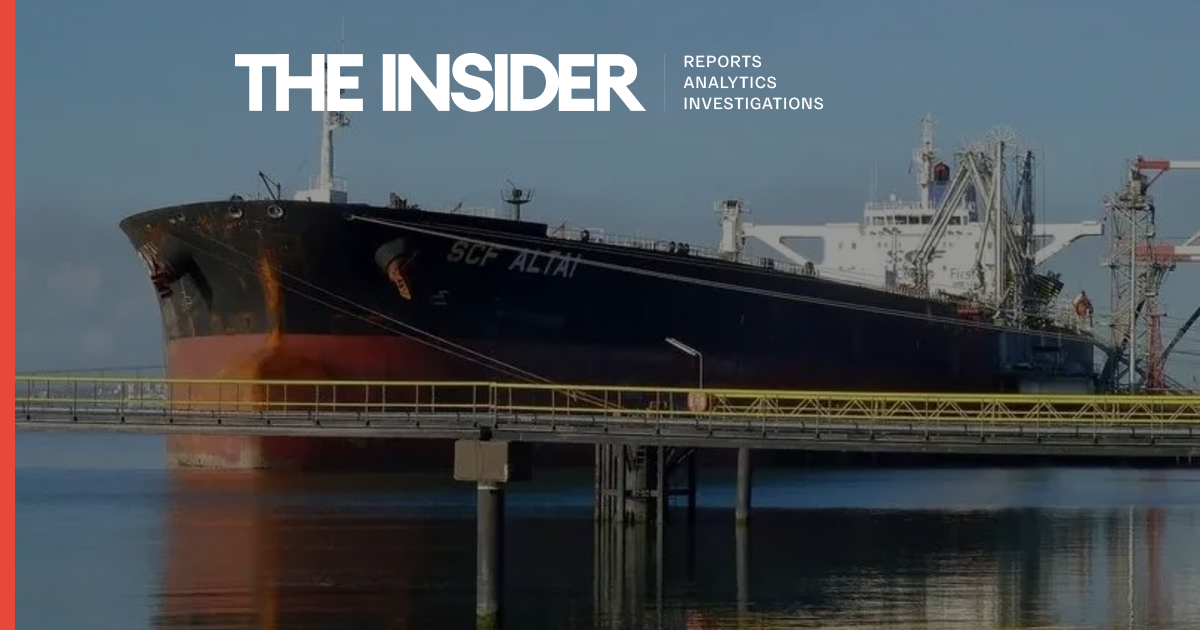
The original wreck released thousands of metric tons of heavy fuel, known as mazut, in what was described as the Black Sea region’s worst environmental disaster in decades. Authorities built metal sarcophagi over the tankers, roughly the size of a five-story building, to isolate and later pump out the remaining mazut.
Sky Eye experts suggested the renewed leak could be triggered by rising water temperatures that heat the trapped mazut, allowing lighter components to escape through structural gaps, or by ongoing operations to pump the remaining fuel out of the tankers.
Environmental experts told the exiled outlet Agentstvo that the leak likely began before this week, even as early as June. They noted that fuel oil expands five times as much as water and steel when heated, which can force the substance out of the containment structure.