in Art, History | July 16th, 2025 Leave a Comment
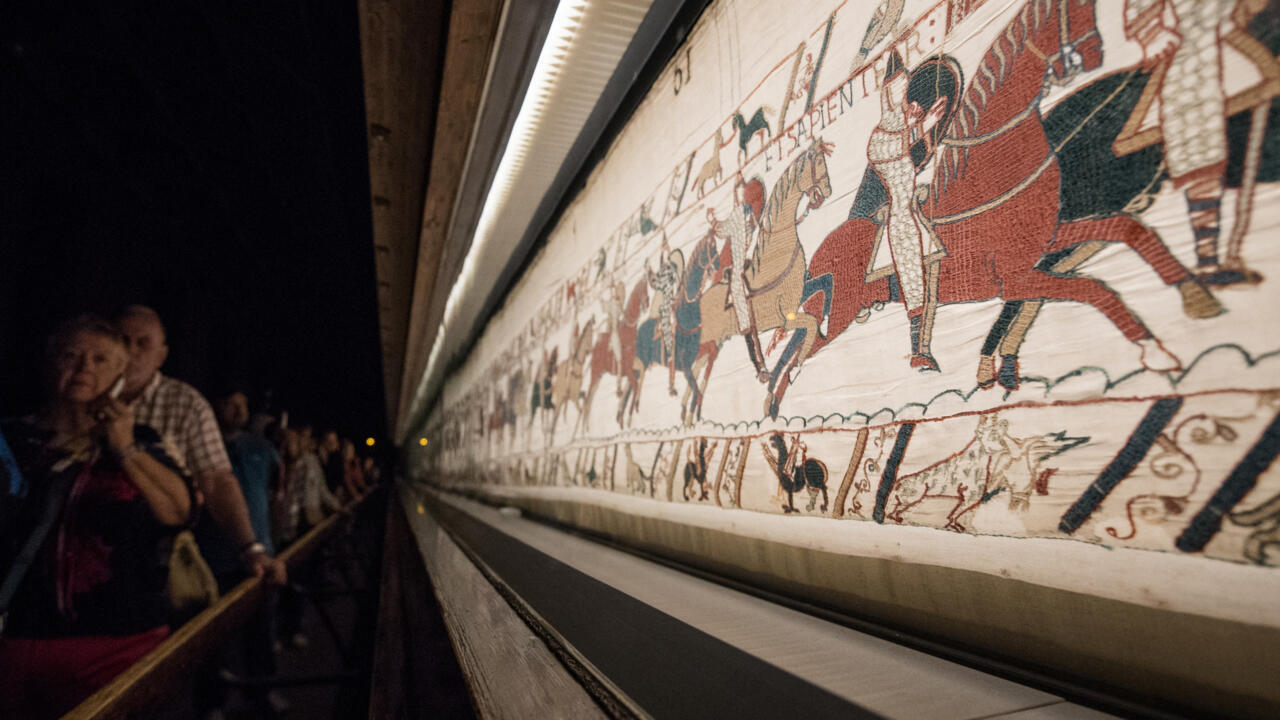
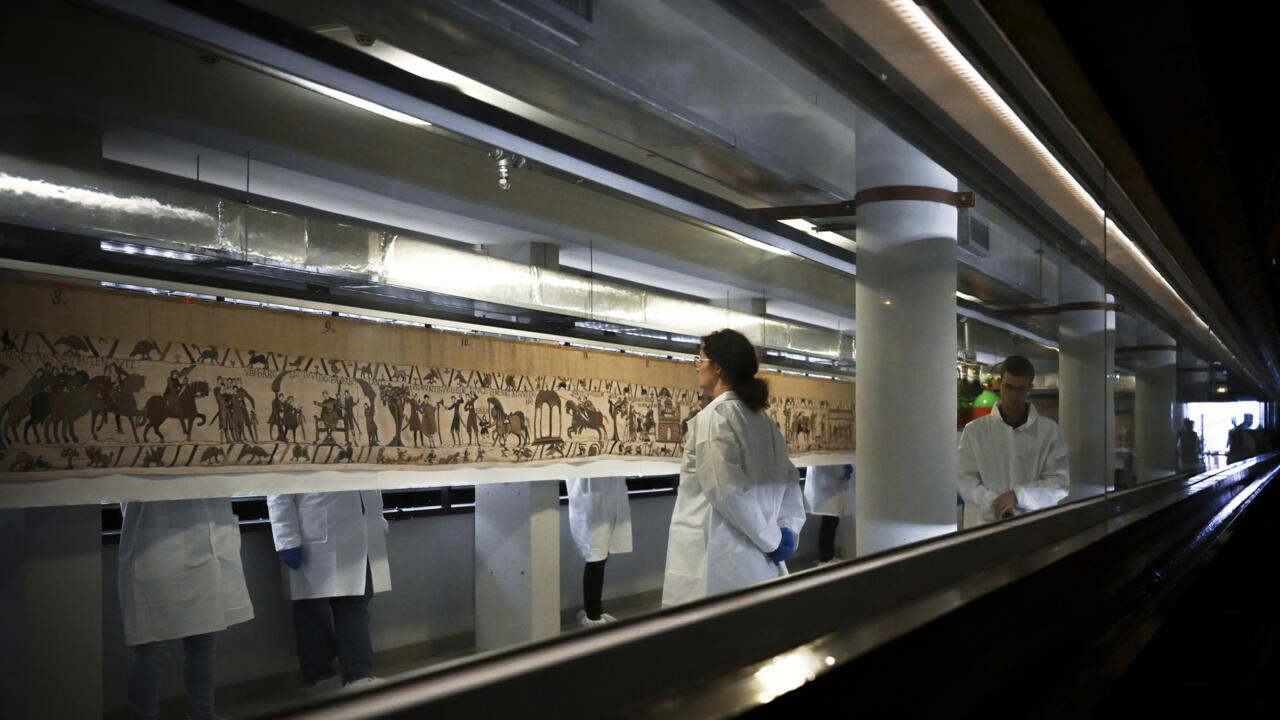
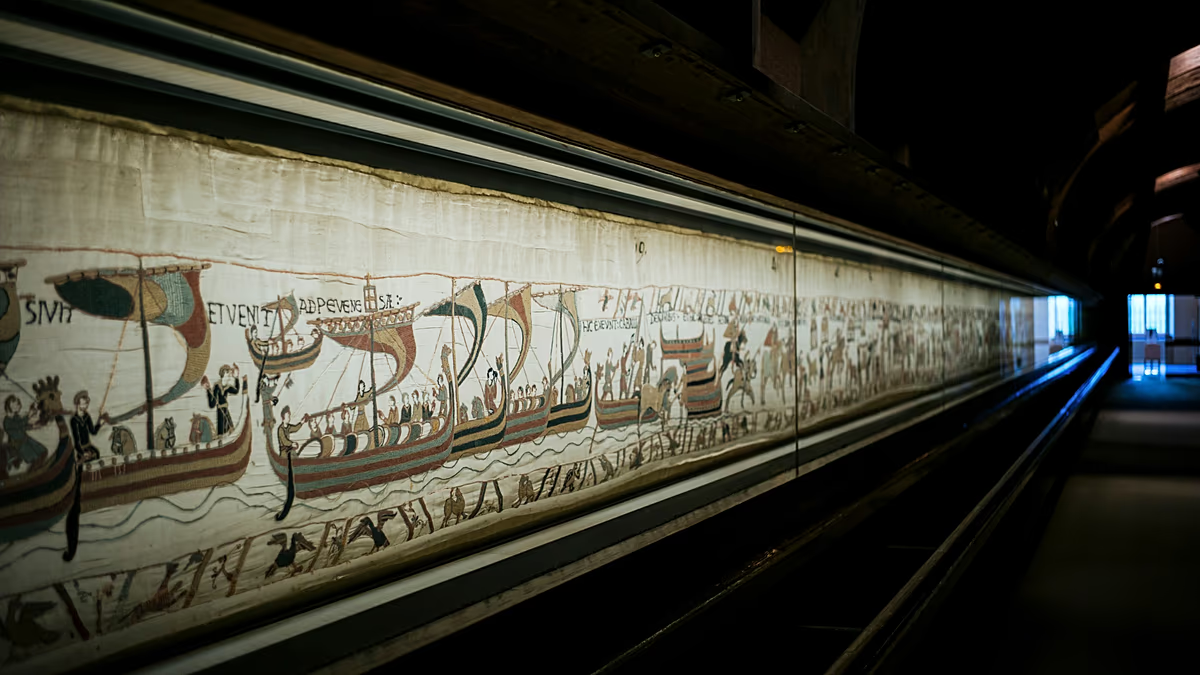
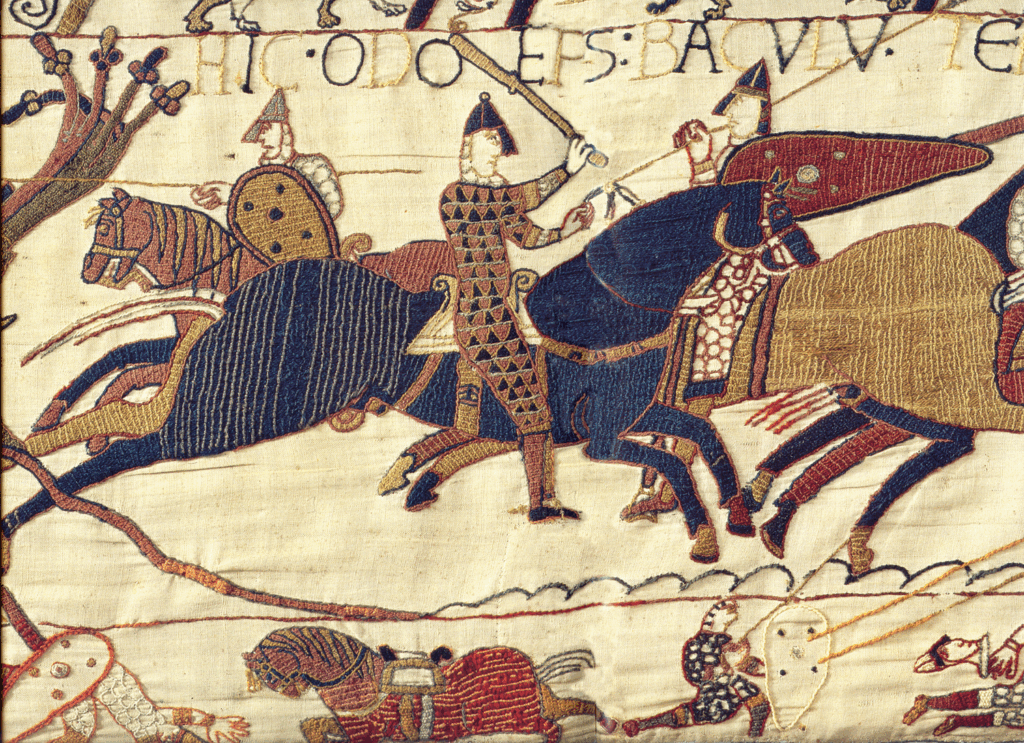
They say that history is written by the victors, but that isn’t always true: sometimes it’s embroidered by the victors. Such was the case with the Bayeux Tapestry, which commemorates the build-up to and successful execution of the Norman conquest of England in 1066. Created not long after the events it depicts in what we now call the United Kingdom, the nearly 230-foot-long cloth has been kept in France for most of its existence. But as reported by Hyperallergic’s Isa Farfan, the Bayeux Tapestry is now set for a yearlong sojourn back in its homeland, and at no less an august institution than the British Museum, after spending the better part of a millennium abroad.
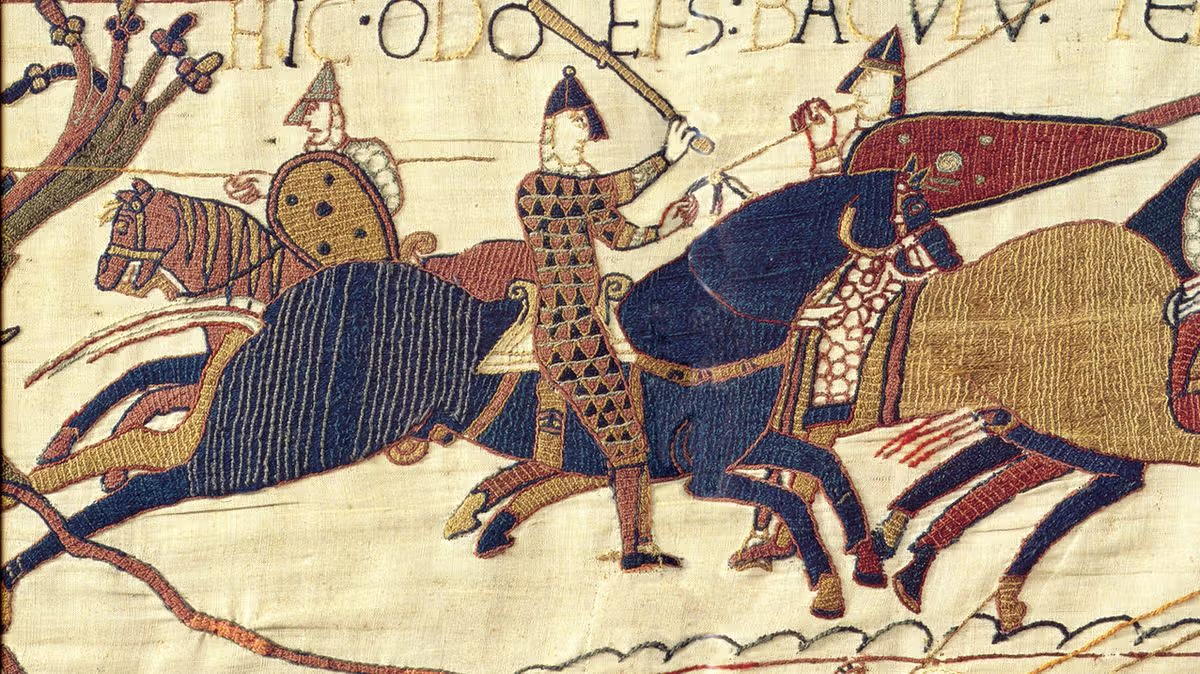
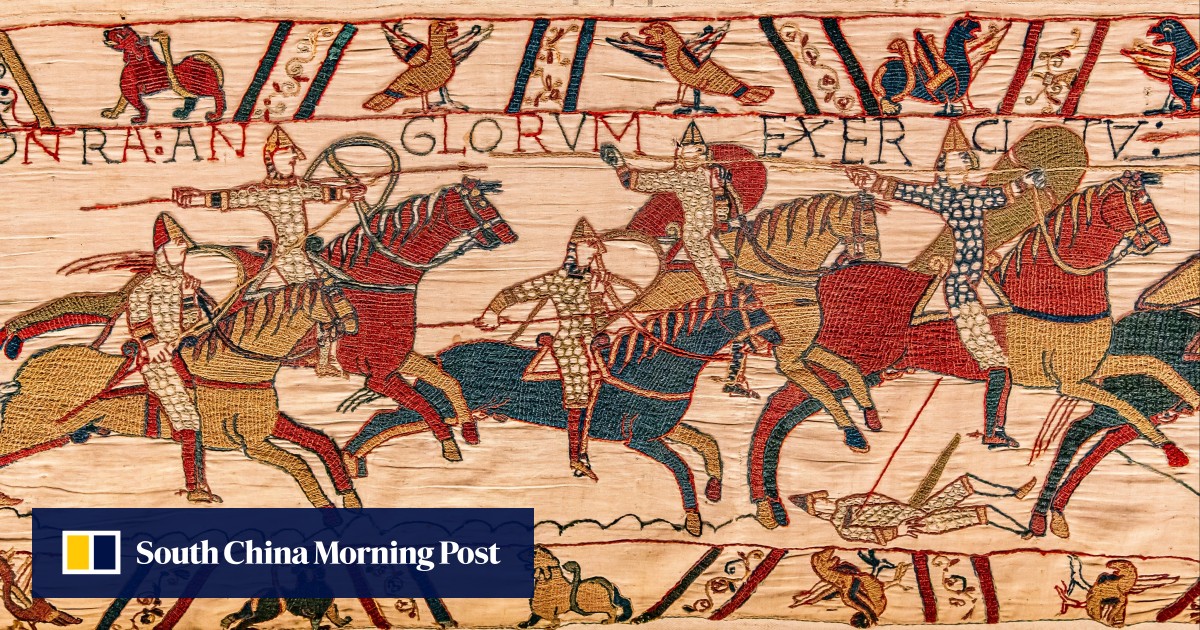
In a style that may strike twenty-first-century viewers as a predecessor to the graphic novel — or even to the straight-ahead comic book, with its grotesque exaggerations — the Bayeux Tapestry’s embroidery tells the story, writes Farfan, of “the victory of William the Conqueror, the Duke of Normandy, over England in the Battle of Hastings. William assembled a fleet of ships filled with thousands of men and horses to cross the English Channel and successfully claimed the throne from the last Anglo-Saxon king, Harold Godwinson.”