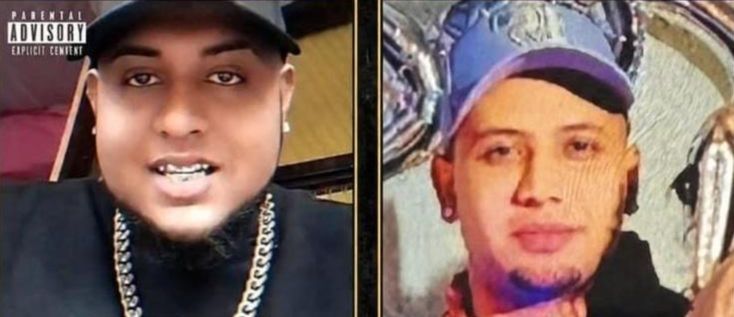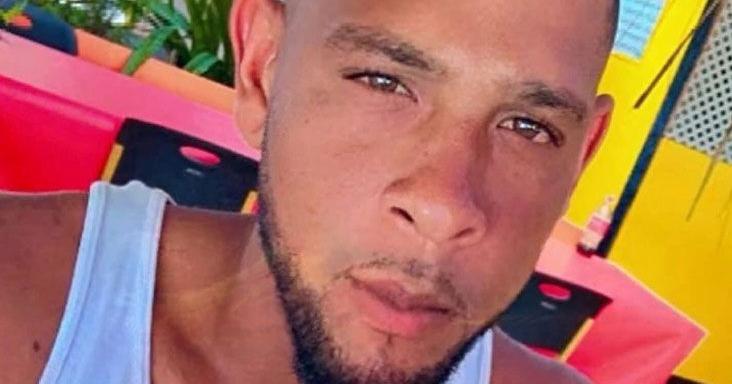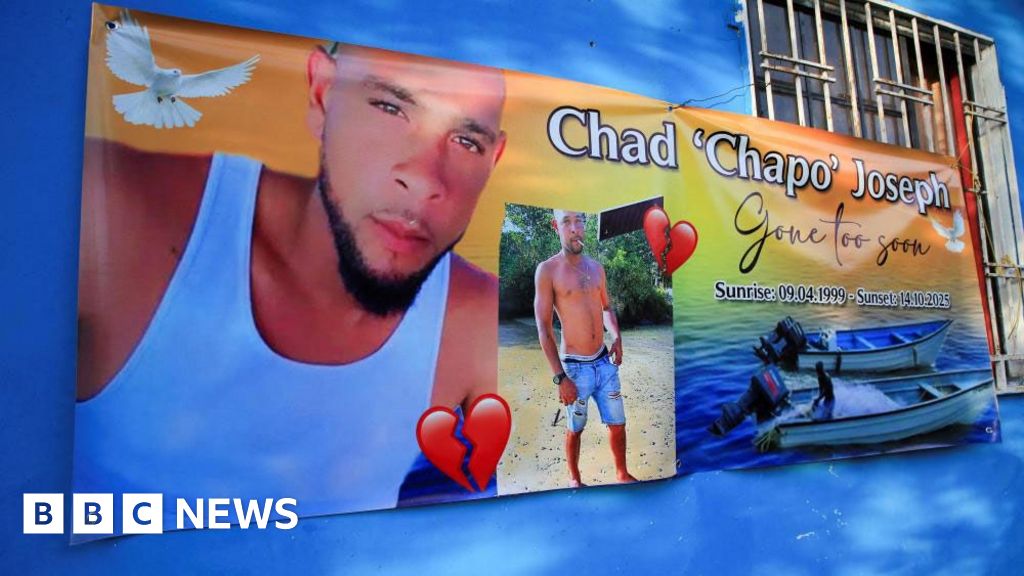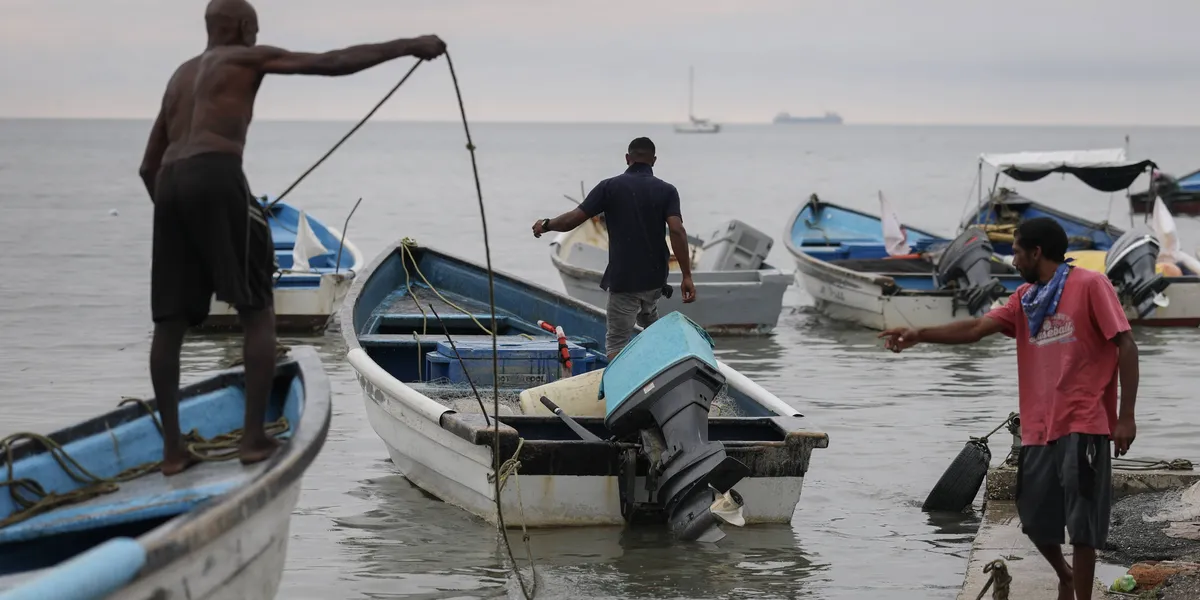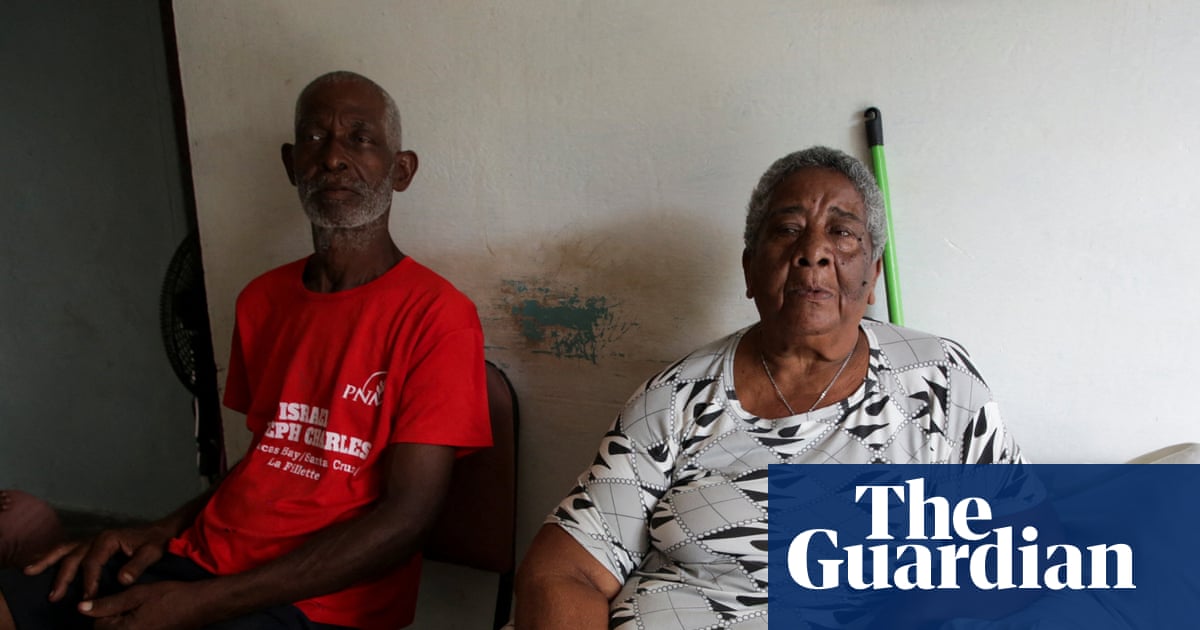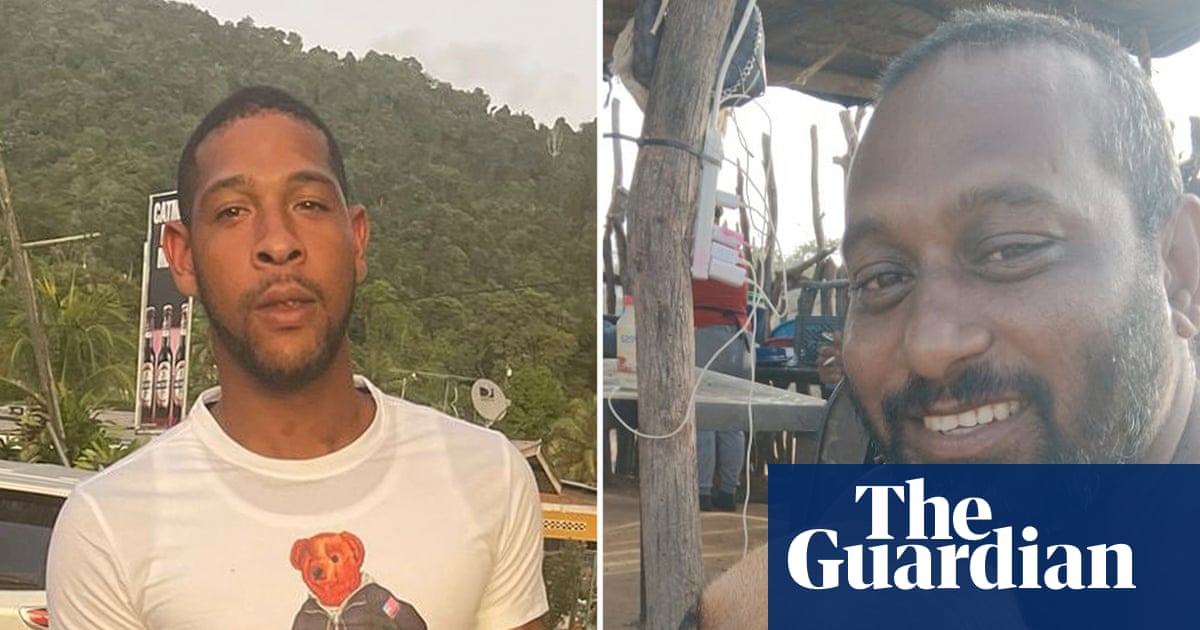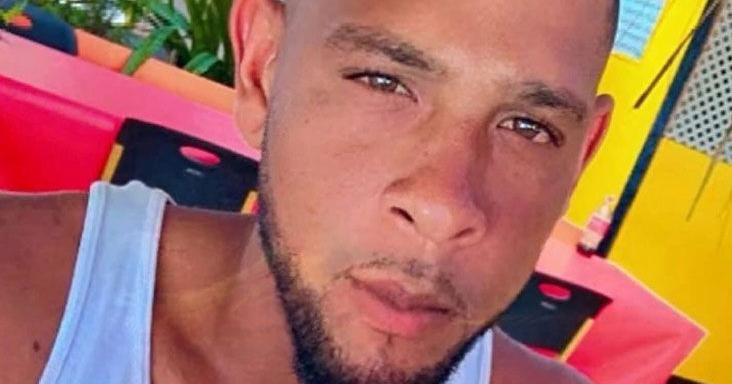
A day after Prime Minister Kamla Persad-Bissesssar asserted that there was no evidence of Trinidadians being killed during the United States military’s lethal kinetic boat strike campaign, the families of Chad Joseph and Rishi Samaroo are set to ask the High Court of Trinidad and Tobago to declare both men legally dead.Joseph’s mother, Lenore Burnley and Samaroo’s sister, Sallycar Korasingh will appear before the High Court next week, requesting an order declaring both men legally deceased, months after the October 14, 2025, strike in Caribbean waters that US officials say killed six.
DEAD: Rishi Samaroo
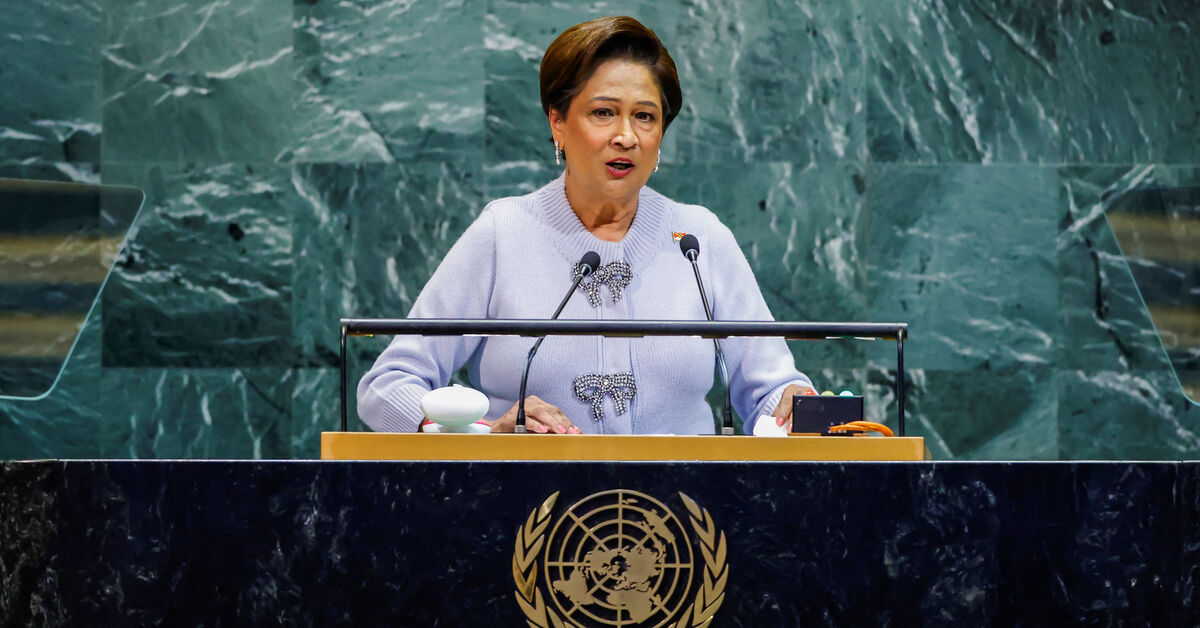
The families have moved ahead in their efforts to seek justice for Joseph and Samaroo, whom they contend lost their lives as a result of the strike.According to the first amended complaint filed by the American Civil Liberties Union (ACLU) and the Center for Constitutional Rights (CCR) last month as part of the landmark lawsuit titled Burnley v United States, both families had initially filed Freedom of Information Requests, seeking information from relevant protective services on investigations into their disappearances in the aftermath of the US strike.In February, Burnley and Korasingh had both applied to the High Court for an order declaring them deceased, the amended complaint states.The hearings, it said, were moved through May, and the cases were eventually transferred to a different judge who scheduled a hearing date of July 17.The Trinidad and Tobago Police Service (TTPS) and Coast Guard have been summoned to appear to provide updates on the family’s missing person’s report, it stated.It added that if the High Court grants the application and declares the men deceased, both Burnley and Korasingh will be issued limited grants of administration to represent their estates.PM’s statementOn Wednesday, while speaking at a closing news conference following the conclusion of the 51st Regular Meeting of the Conference of Heads of Government of Caricom in St Lucia, Persad-Bissessar, who has welcomed the US boat strikes that have thus far killed more than 200, appeared to soften her tone, stating “all life lost is one too many”.The Prime Minister last year called for “all drug traffickers” to be killed “violently”, shortly after the US announced that its first strike in the Caribbean Sea had killed 11.She has since then claimed the country had sought a legal opinion on the strikes, while noting none had occurred within its territory and denying complicity with the US’s actions.Asked about Trinidadians allegedly killed in the strike, Persad-Bissessar said no local investigations had determined such.“All our investigations, our local law enforcement, everything, nothing has given us any evidence of the alleged murders as you are calling them. We have been able to find nothing within our own investigative due diligence that they are T&T...”Addressing a journalist, she said, “It is your bosses’ view, whoever sent you, that they are murders. We were very careful. We got legal advice and we are not labelling them, whether it is St Lucia, T&T, wherever these boats where the gunfire is going on, our legal advice has not been that they are murders. I can only act within the rule of law and the legal advice that we have received.”According to the initial claim filed in January, days before the October 14 strike that reportedly killed six men on board, both Joseph and Samaroo had called home to tell their relatives they had procured a boat that would bring them home from the South American country.Both, it said, had found work together on a Venezuelan farm and were seeking to return home.They fell silent in the aftermath of the strike.On October 12, it states, Samaroo and Joseph told relatives they had found a boat that would take them home.In the hours before he seemed to vanish, going radio silent on relatives he had maintained daily communication in the months prior, Samaroo, a 41-year-old fisherman and farmer, sent a photo of himself wearing a life jacket to his sister.Eight months later, the first amended claim states, families have not been able to establish communication with either of the men.The claim argued that the military strike against them was a wrongful act that caused their deaths, beyond three nautical miles from US shores, outside of armed conflict and in circumstances in which they were not engaged in activities that presented a concrete, specific, imminent threat or death or serious injury. As such, it states, there were means other than lethal force that could have been employed to neutralise such threats.Alternatively, it states, even if the strike had occurred during an armed conflict, it was unlawful because it constituted an “intentional killing of civilians who were not members of an organised armed group engaged in an armed conflict with the United States and were not directly participating in military hostilities against the United States”.The complaint is seeking compensatory, pecuniary, and punitive damages which may be determined after a trial. It cites Joseph and Samaroo’s various dependents, including Joseph’s mother, his father, common-law wife and three children, as well as Samaroo’s elderly parents and three sons, whom it claims lost financial support, nurture, instruction and training they would have received from the men had they lived. It seeks compensation for families under claims of wrongful death and extra-judicial killings.