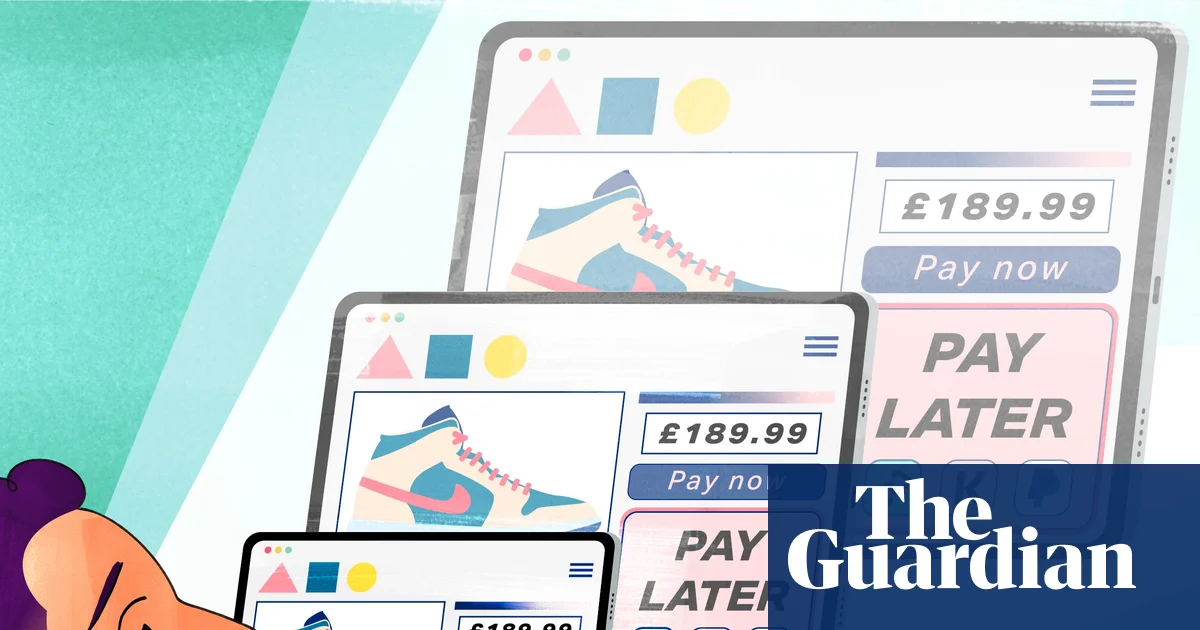
A major rule change for Buy Now, Pay Later (BNPL) services is set to take effect on 15 July 202609:43, 10 Jul 2026Millions of shoppers are set to turn to Buy Now, Pay Later (BNPL) services throughout the summer sales, with more payment options popping up at virtually every stage of the online checkout journey. However, a significant rule shake-up taking effect on July 15, 2026, could create a crucial distinction between transactions completed before and after that deadline.Citizens Advice states: "With BNPL it's easy to buy what you want and not realise how much you're spending. From 15 July, they'll be regulated by the FCA, so you'll have greater protection. They'll have to check you can afford to repay and point you to free debt advice if needed."From July 15, BNPL firms will require Financial Conduct Authority (FCA) authorisation, with fresh consumer safeguards applying to arrangements made on or after that date. This includes more transparent details on repayment timetables, the consequences of missed payments, and customer entitlements, reports the Express.The snag is that arrangements made before July 15 will typically not automatically benefit from those enhanced protections. Financial specialists warn that many consumers may mistakenly believe that all their current BNPL purchases fall under the revised regulations.The FCA states: "When you shop online or in store, some businesses offer customers a Buy Now Pay Later option for their items. There are currently 2 types of Buy Now Pay Later; one which we already regulate, and another known as Deferred Payment Credit (DPC).""DPC is an interest-free form of credit, repayable in 12 or fewer instalments, over 12 months or less. Right now, DPC agreements aren't regulated, which means lenders don't need to be authorised by us or follow our rules. But from 15 July 2026, this will change."Thomas Drury, money saving specialist at The Investors Centre, reckons the shift is positive news for consumers on the whole. Nevertheless, he cautions that grasping when an agreement was signed could become equally as crucial as knowing how much was borrowed.Why does the BNPL July 15 date matter?BNPL has exploded in popularity over recent years, enabling shoppers to split the cost of purchases across multiple instalments without incurring interest if payments are settled promptly. While its ease has made it increasingly attractive, worries have also mounted about how loosely regulated the sector has been in comparison with other types of lending.From July 15, fresh BNPL agreements will fall under FCA regulation. It will mean providers must supply customers with more transparent information before they commit to borrowing.Thomas commented: "This is one of the biggest changes we've seen for BNPL since these products became mainstream. The new rules should make it much easier for shoppers to understand exactly what they're agreeing to, when payments are due and what happens if they miss one."The important thing to remember, though, is that these protections aren't simply being applied to every existing agreement overnight. If you bought something using BNPL before July 15, you shouldn't automatically assume those new safeguards apply to that purchase. The date you entered into the agreement really matters."Why don't the new rules remove the risks?While the reforms bring in stronger oversight, Thomas cautions they shouldn't be viewed as rendering BNPL risk-free. He explained: "The new rules don't make BNPL risk-free. They make it more regulated. You're still borrowing money, and that means you still need to think carefully about whether you can comfortably afford every repayment."One of the reasons BNPL has become so popular is that the repayments often look small. Paying £25 every few weeks feels very different psychologically from paying £100 in one go, even though you're spending exactly the same amount. That can make it easier to underestimate how much you're actually committing to."He continued that the most serious financial troubles often emerge when folk have multiple agreements running simultaneously. He stated: "One purchase rarely causes difficulties on its own. It's when someone has five or six different repayment plans leaving their account throughout the month that things become much harder to keep track of. People can quickly lose sight of their total monthly commitments."Why existing purchases deserve another lookThe July rule change could also spark bewilderment for shoppers who frequently rely on BNPL. They might find themselves juggling agreements governed by different regulations depending on when they were arranged."Someone could have one purchase made on July 10 and another on July 20 through exactly the same provider. On the surface, they'll look very similar, but the regulatory protections behind those agreements may not be identical," Thomas said."That's why I'd encourage people to spend a few minutes reviewing what they already have outstanding before taking on any new borrowing. Knowing when your repayments leave your account, how much remains to be paid and which agreements were taken out before the rule change can help avoid surprises later."Summer spending can cause modest repayments to mount upThe timing of the reforms also aligns with one of the busiest retail periods of the year, as numerous households splash out more on getaways, property upgrades, kids' activities and summer bargains. Thomas reckons this makes it even more crucial for consumers to look beyond the amount of each separate instalment.Article continues belowHe explained: "Summer is one of those periods where spending naturally increases, and that's exactly when BNPL can become more tempting. A few small repayments might seem manageable individually, but together they can put real pressure on your budget if you've underestimated how much is leaving your account each month."The best approach is to treat BNPL exactly as you would any other form of borrowing. Before agreeing to it, ask yourself whether you'd still feel comfortable making every repayment if an unexpected bill arrived next month. The stronger regulation is good news for consumers, but it doesn't replace careful budgeting."The best protection you'll ever have is understanding exactly what you've signed up for before you click 'Pay Later'."
New 'affordability checks' for Buy Now Pay Later users from July 15
A major rule change for Buy Now, Pay Later (BNPL) services is set to take effect on 15 July 2026
986 words~4 min read