See more Daily Mail on Google - save us as a Preferred SourceBy OLIVIA ALLHUSEN, FOREIGN NEWS REPORTER Published: 09:34 BST, 10 July 2026 | Updated: 09:41 BST, 10 July 2026
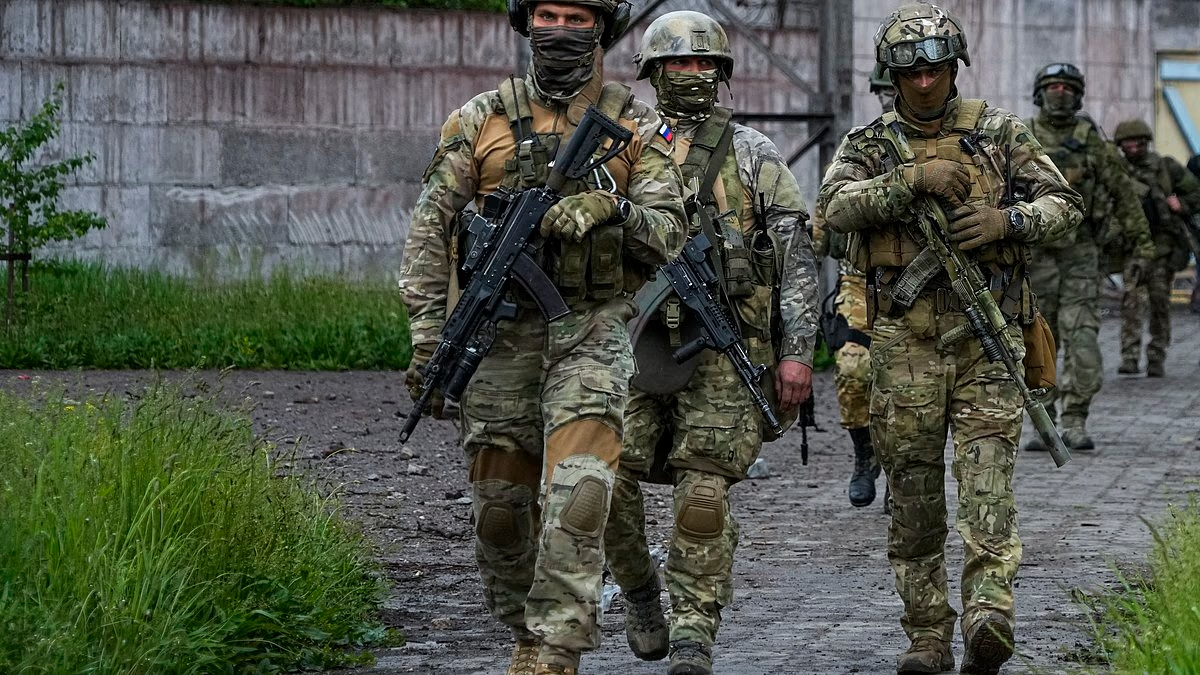
Ukraine has just two months to restart peace talks with Russia or risk Vladimir Putin dramatically escalating the war, the Czech president has warned.Petr Pavel said the Russian leader could order a general mobilisation after parliamentary elections on September 20, warning the window for negotiations would rapidly close once the vote was over.Such a move would likely prove deeply unpopular with Russian voters.Speaking to The Telegraph at the Nato summit in Ankara, the retired general and former chairman of Nato's military committee said: 'I believe that the window is there for us to keep pushing and giving Russia a clear message that we are willing to start negotiations.'He added: 'Russia will have parliamentary elections in September. President Putin will hardly declare mobilisation before, but once the elections are over, then the window will shrink.'Mr Pavel said Western allies should use the coming weeks to increase pressure on Moscow and force the Kremlin towards the negotiating table.He argued Russia was facing mounting internal challenges and said continued Ukrainian strikes deep inside Russian territory, combined with sustained Western support for Kyiv, could create conditions that made the Kremlin more willing to negotiate. His comments come after a series of increasingly ambitious Ukrainian drone attacks inside Russia, with strikes targeting Moscow, oil infrastructure in western Siberia and fuel supplies destined for occupied Crimea. Ukraine has just two months to restart peace talks with Russia or risk Vladimir Putin dramatically escalating the war, the Czech president has warned Russian troops walk at a destroyed part of the Illich Iron & Steel Works Metallurgical Plant in Mariupol, in territory under the government of the Donetsk People's Republic, eastern Ukraine, Wednesday, May 18, 2022Mr Pavel said Nato must continue supplying Ukraine with the military support it needs while maintaining diplomatic pressure on Moscow, arguing Russia could achieve more through negotiations than by prolonging the war.The Czech leader also said Russia was coming under growing strain at home, with Ukraine's long-range strikes disrupting fuel supplies in parts of the country and exposing weaknesses behind the front line.Speaking after the annual Nato summit in the Turkish capital, Mr Pavel dismissed fears that Donald Trump would derail the gathering despite the US president's public criticism of allies beforehand. He said the meeting had achieved its three main aims: demonstrating increased defence spending, presenting a united front and reaffirming support for Ukraine. He said there had been no discussion of Mr Trump's repeated remarks about Greenland during the closed-door meeting, describing the summit as smoother than many had expected. Mr Pavel also revealed that Mr Trump thanked fellow leaders behind closed doors before the meeting concluded. He said: 'President Trump thanked everyone after the meeting. And he said, if I can quote, that he was highly impressed by the spirit shown in the room.' Petr Pavel (pictured) said the Russian leader could order a general mobilisation after parliamentary elections on September 20, warning the window for negotiations would rapidly close once the vote was overMr Pavel said allies had also discussed concrete proposals to strengthen Ukraine's air defences, including a Norwegian plan to procure more surface-to-air missiles for Kyiv. He warned Nato must rapidly expand weapons production, saying demand for air defence missiles and other advanced weapons was now outstripping manufacturing capacity. The retired general also outlined what he described as a 'defence strategy 3.0', arguing the alliance should maintain 30-day stockpiles of cheaper weapons while ensuring industry was ready to rapidly increase production of more advanced systems, including long-range missiles and air defence interceptors.But he cautioned about the progress of the discussions and what it meant for the alliance's overall protection. Mr Pavel said Nato's nuclear deterrence policy remained unchanged despite discussions among some European countries over future defence arrangements.