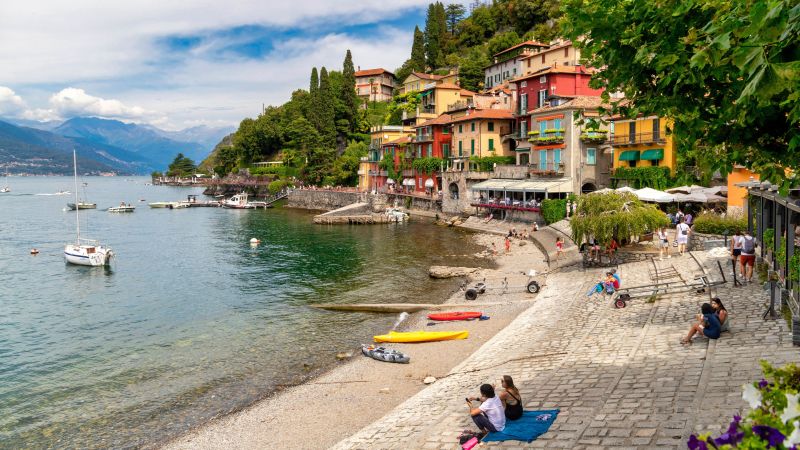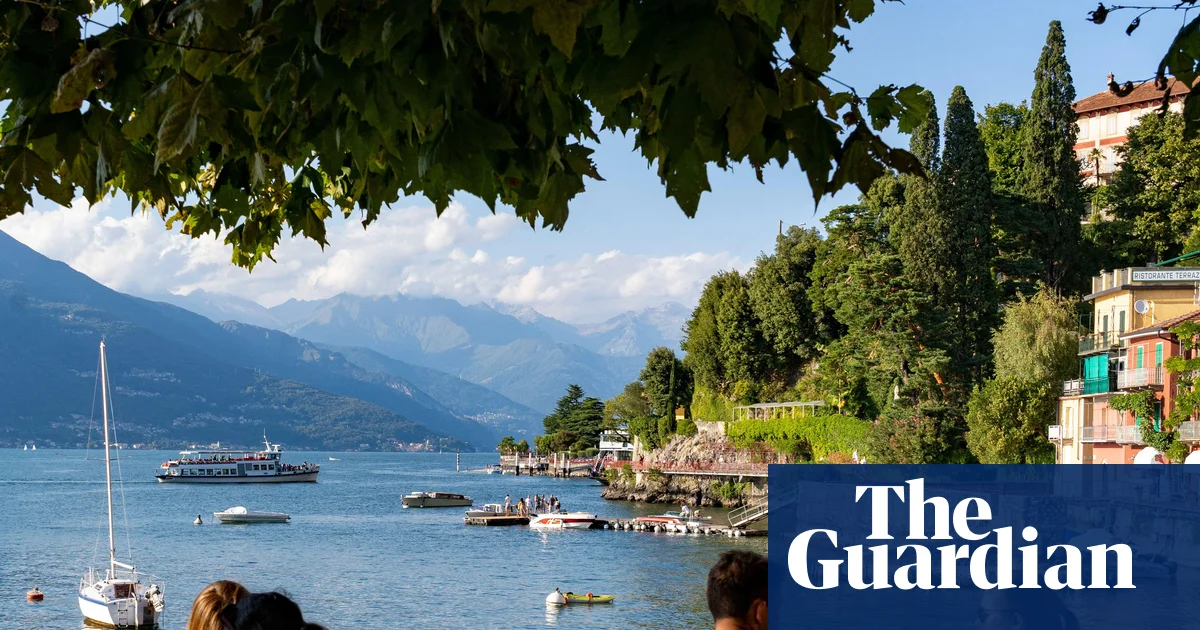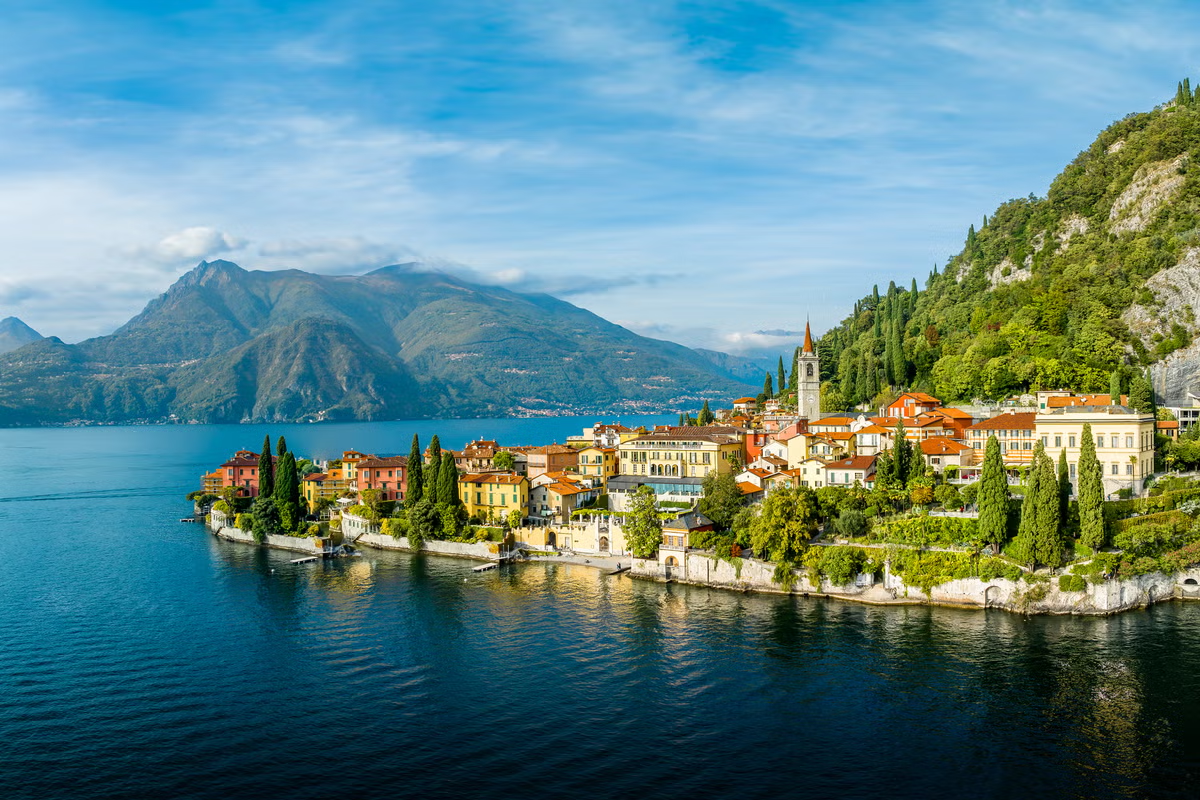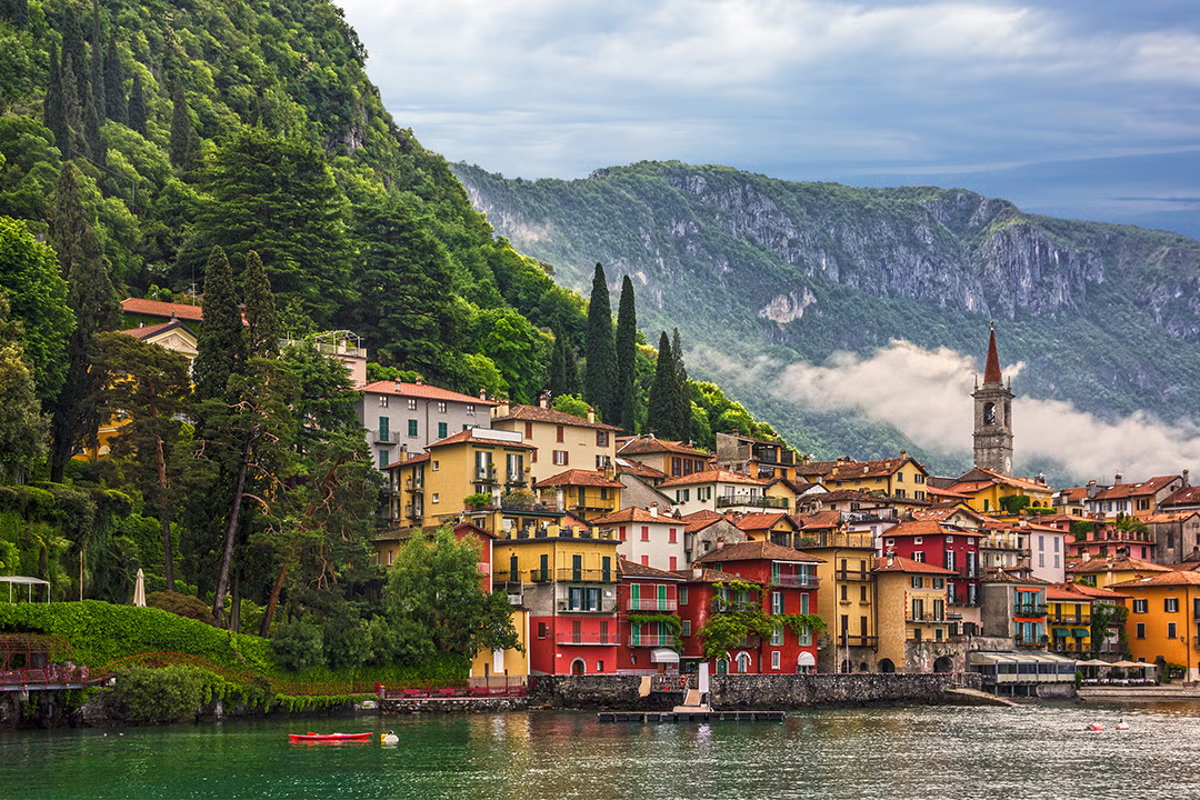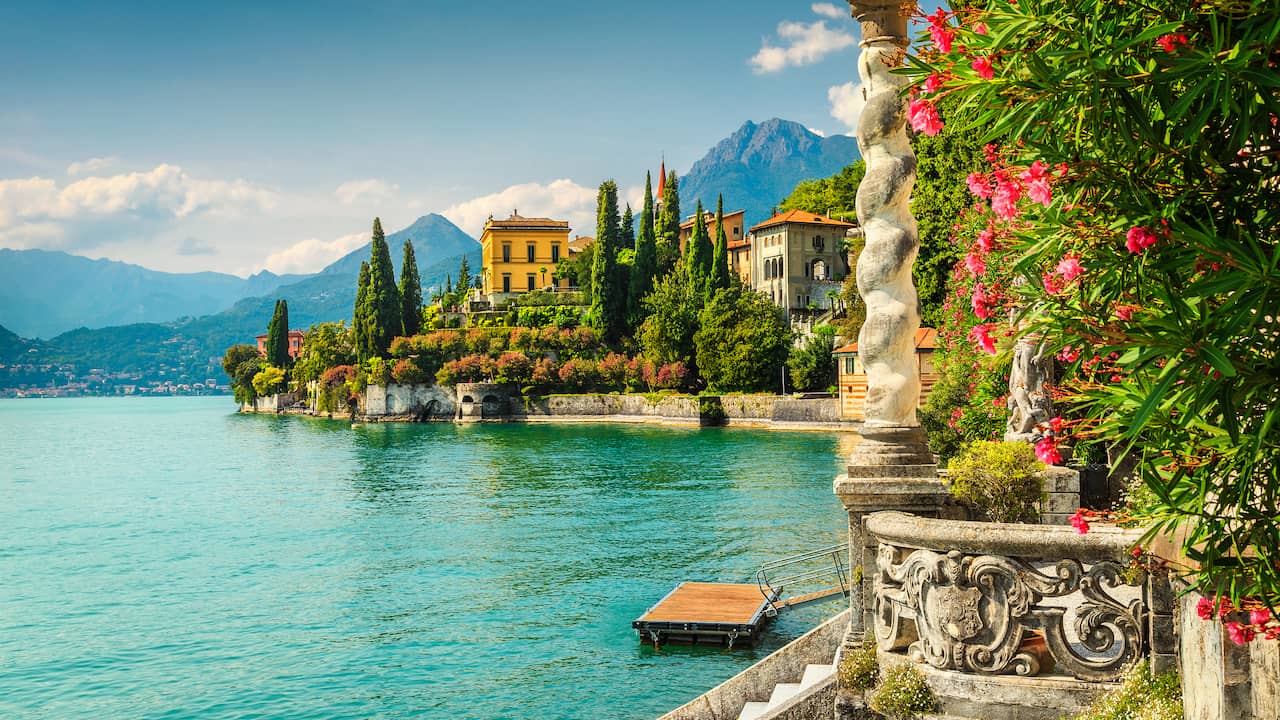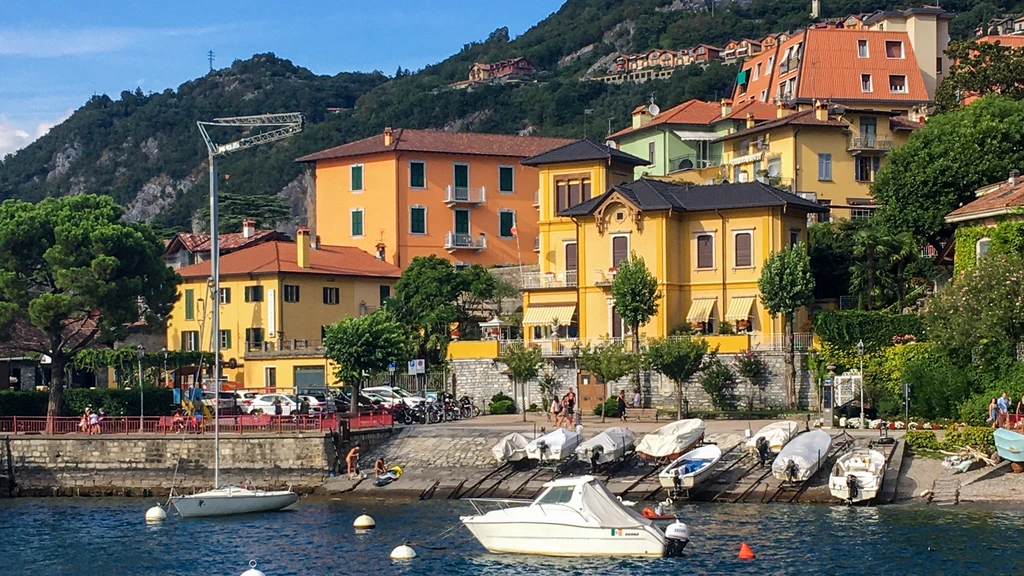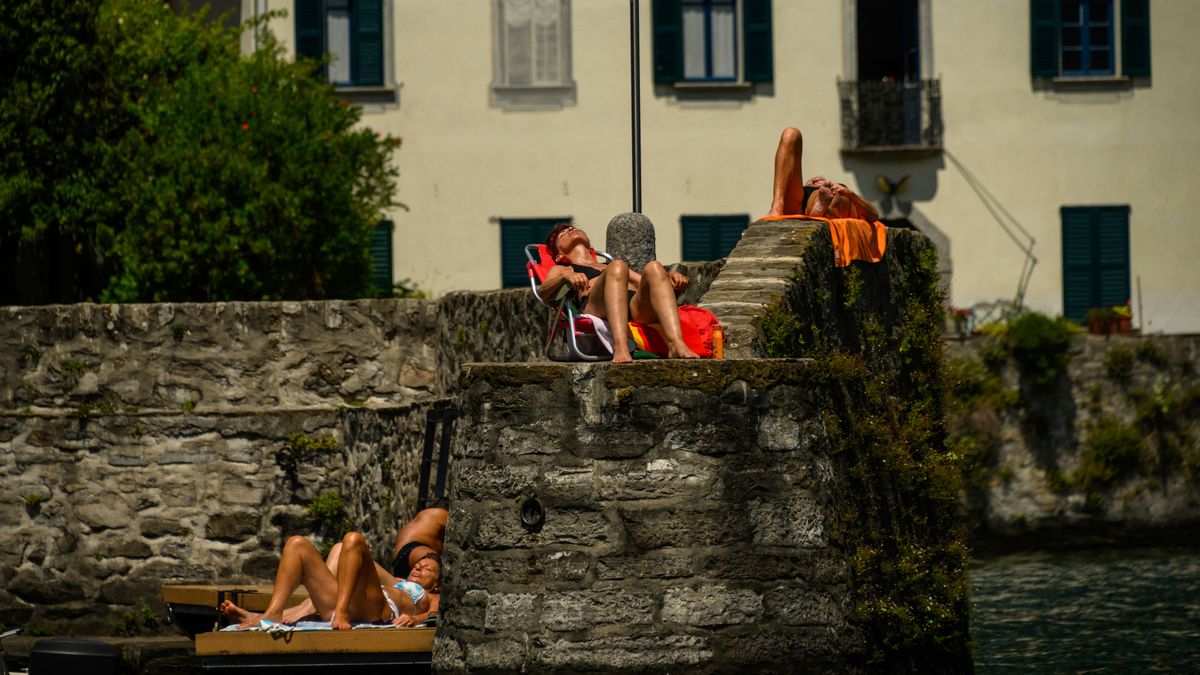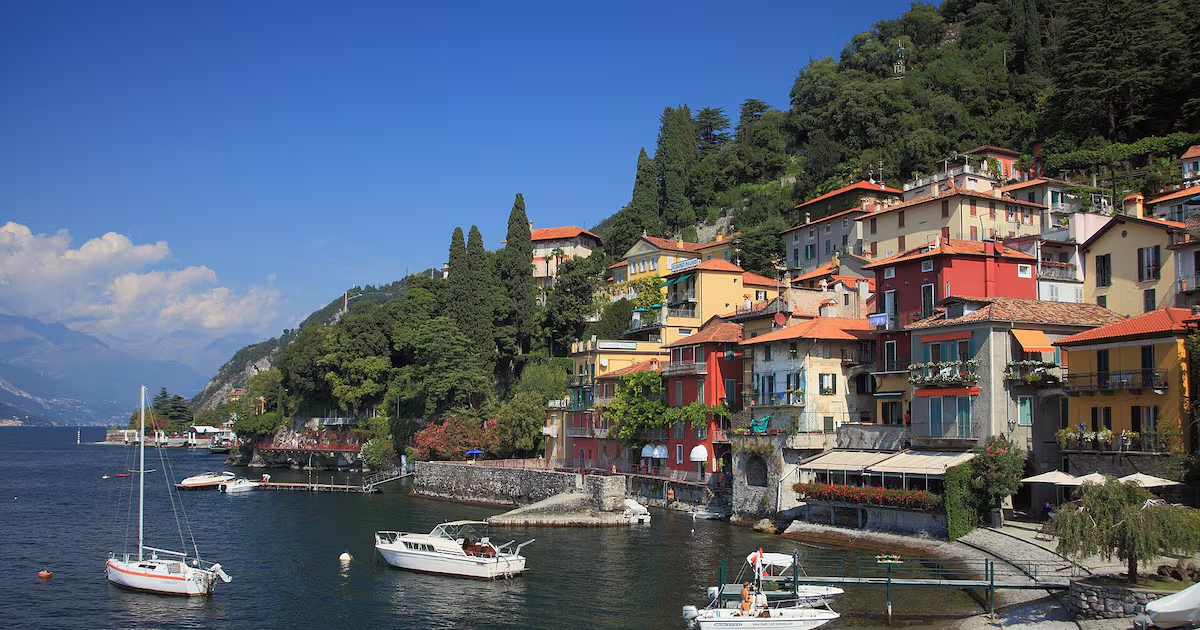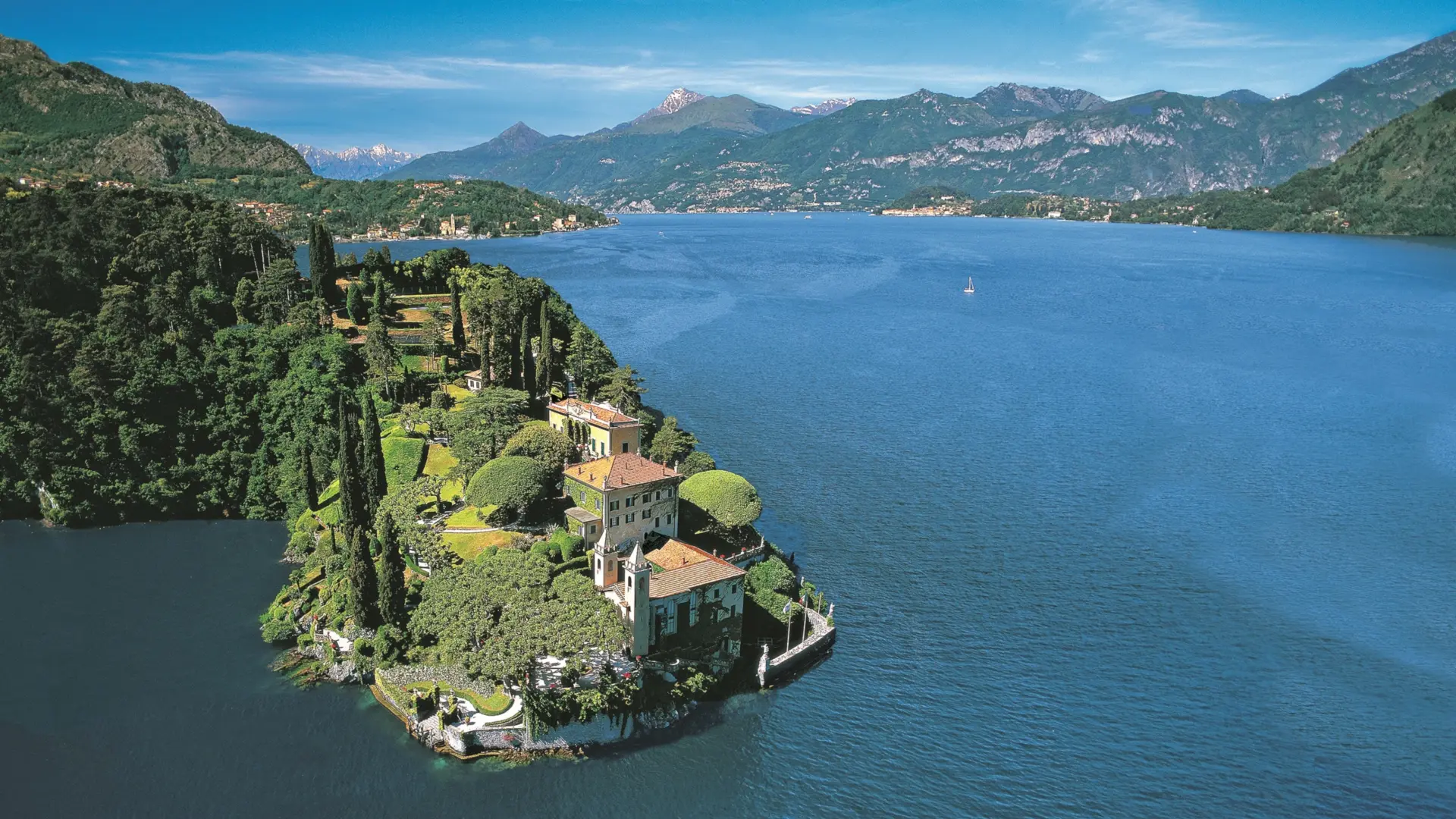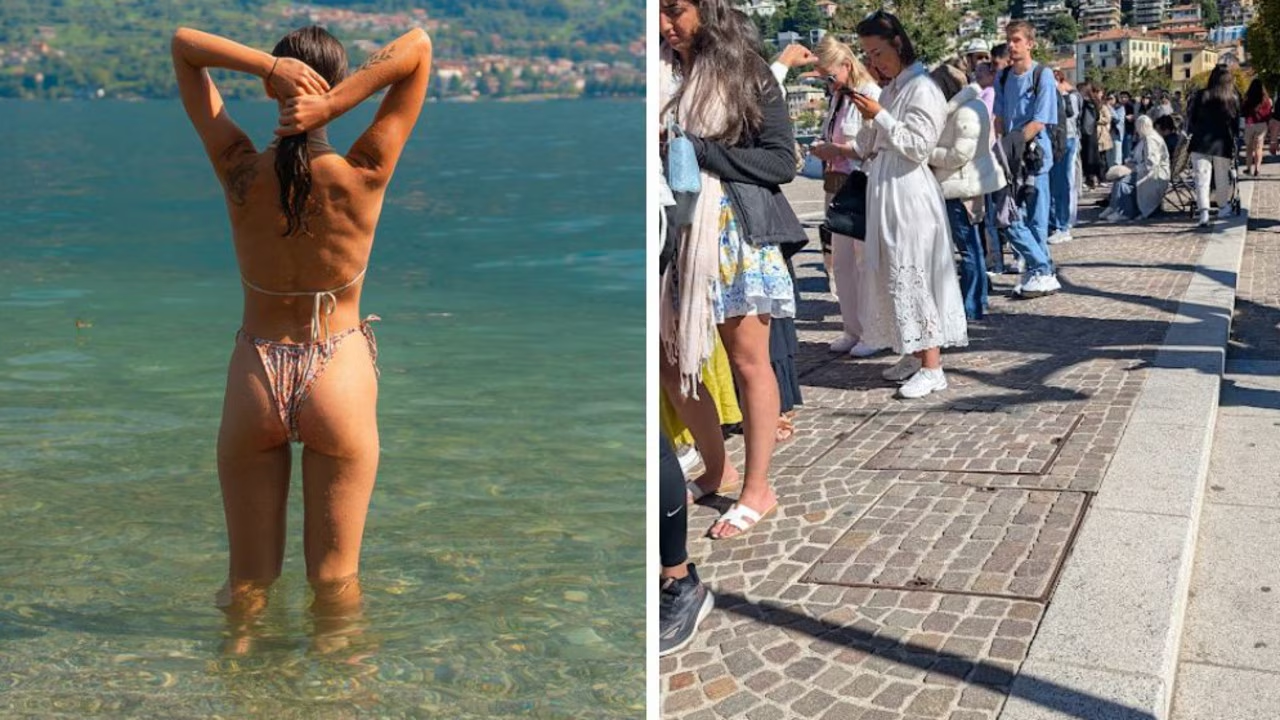
Varenna, a small village on Italy’s Lake Como, says visitors can still wear swimwear on beaches and near boats, but not in its streets, shops or restaurants, as locals push back against overtourism and disruptive behaviorThe town of Varenna, on the shores of Italy’s Lake Como, has decided to remind tourists of a simple rule: what is appropriate for the beach is not necessarily appropriate for alleys, churches, shops and restaurants.The small town, considered one of Lake Como’s best-known and most picturesque gems, recently approved new regulations aimed at dealing with mass tourism and what locals describe as behavior that harms quality of life.GalleryItaly’s Lake Como (Photo: Ceri Breeze / Shutterstock)Under the new rules, anyone walking around town shirtless or in a swimsuit could face a fine of 50 to 200 euros, about $55 to $220.Swimsuits are still allowed on beaches, docks and around boats, but not in the streets or public spaces of the town.The move may sound at first like another local Italian quirk, but officials in Varenna insist it addresses a real problem.The town has only about 650 residents, but hundreds of thousands of visitors arrive every year to enjoy its views, colorful houses, narrow alleys and proximity to one of the most famous lakes in the world.Along with the tourists come crowds, noise, congestion and, at times, a feeling that the town’s beautiful scenery has become a playground for visitors who do not always remember that people actually live there.Mayor Mauro Manzoni said Varenna is proud to welcome tourists from around the world, but that the quality of life of residents cannot be sacrificed for mass tourism.His message is simple: tourism is important to the local economy, but it must be more respectful and better organized.The magical town threatening tourists with heavy fines(Photo: BLACKDAY / Shutterstock)The new rules do not deal only with clothing.The town council has also decided to limit tourist groups to no more than 25 people, ban tour guides from using loudspeakers or megaphones, and prevent groups from lingering for long periods at especially sensitive and crowded spots in the historic center.The aim is to prevent narrow alleys from being blocked, reduce noise and allow residents and other visitors to move through the town without getting stuck behind large groups.According to local reports, guides who violate the rules could face fines of 100 to 400 euros, about $110 to $440. In repeat cases, they could even be banned from guiding tours in the town for several months to a year.In other words, Varenna is no longer relying on polite signs or general requests for visitors to behave properly. It is moving to enforcement.Lake Como (Photo: Shutterstock)The reason, at least according to descriptions in the local press, is an accumulation of problems that have made daily life in the town increasingly difficult: tourists standing in the middle of streets and blocking passage, visitors sitting on steps and eating, people walking around in swimsuits near churches, and large groups filling the village’s narrow alleys.In other words, the fight is not against the bikini itself, but against the feeling that the historic town has become just another quick stop on an Instagram itinerary.Officials in Varenna stress that they are not trying to drive tourists away, but to restore balance.That is an important point: the town is not telling visitors not to come, but asking them to understand where they have arrived.Lake Como is not just a backdrop for photos, and Varenna is not just a beach with pretty houses behind it. It is also a small community, with residents trying to live, work and move around in the same place that others visit for a few hours.Varenna’s story is part of a broader trend playing out in popular European tourist destinations in recent years.After years in which cities and towns encouraged almost every kind of tourism, more and more places are trying to set clear boundaries: where visitors can walk around in swimsuits, how many people can arrive in a group, when loudspeakers are banned and even where tourists are allowed to stop for photos.Italy itself already has several prominent examples.In Sorrento, the famous resort town near Naples, high fines have previously been imposed on people walking through the streets in swimsuits or shirtless.Tourist crowds in Barcelona (Photo: Shutterstock)In Portofino, one of the most exclusive destinations on the Italian Riviera, authorities marked areas where tourists are not allowed to linger too long for photos, in an effort to prevent human traffic jams of visitors trying to get the perfect selfie.In Barcelona, one of the European cities most closely associated with the fight against overtourism, walking around in swimwear away from the beach has been banned for years.In Croatia, on the island of Hvar, tourists have also been warned in the past that they could face fines for walking around town in swimsuits, shirtless or visibly drunk.In Portugal, the resort town of Albufeira in the Algarve has introduced especially strict behavior rules in recent years targeting partial nudity, drinking and rowdy conduct in public spaces.What all these places have in common is not just clothing. It is a deeper shift in attitudes toward tourism.Locals are no longer willing to accept any kind of behavior in the name of tourist revenue, and authorities understand that tourism success can quickly become a problem: overcrowded streets, residents pushed out, constant noise and a feeling that historic city centers have become open-air amusement parks.
Bikini or shirtless? New fines at one of Europe’s dream destinations
Varenna, a small village on Italy’s Lake Como, says visitors can still wear swimwear on beaches and near boats, but not in its streets, shops or restaurants, as locals push back against overtourism and disruptive behavior
903 words~4 min read