NEW YORK — A couple of years ago, a reporter approached the Boys’ Club of New York looking to interview some of its middle-schoolers for a story about the mental health crisis in boys.
It’s easy to see why. Many of the about 2,500 boys who participate in the 150-year-old organization’s after-school and weekend activities come from disadvantaged socioeconomic backgrounds, often living in single-parent households or facing the threat of immigration enforcement. With limited access to academic and developmental support, the risk factors are plentiful.
“I said, ‘I’m not sure that you’ll find what you’re looking for’, but she insisted,” Avita Bansee, the managing director of communications at BCNY, said about her interaction with the reporter. “She came and interviewed a few of our middle-schoolers. Then she kind of gave up, because it wasn’t echoing what she had thought she would find.”
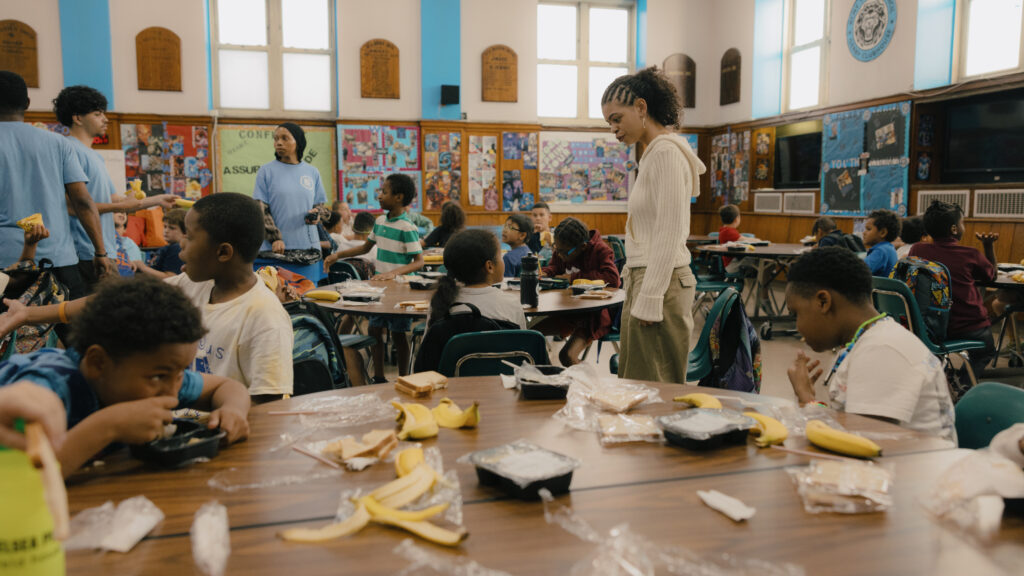
What visitors do find at the three clubhouses the organization runs is a vibe distinctly like a cross between a well-funded public school and a YMCA: wholesome, optimistic, earnest — the opposite of a crisis. It’s just a lot of boys and young men doing homework, swimming, playing sports, learning music, hanging out, teasing one another, getting annoyed, getting bored, having fun. Being kids, together.