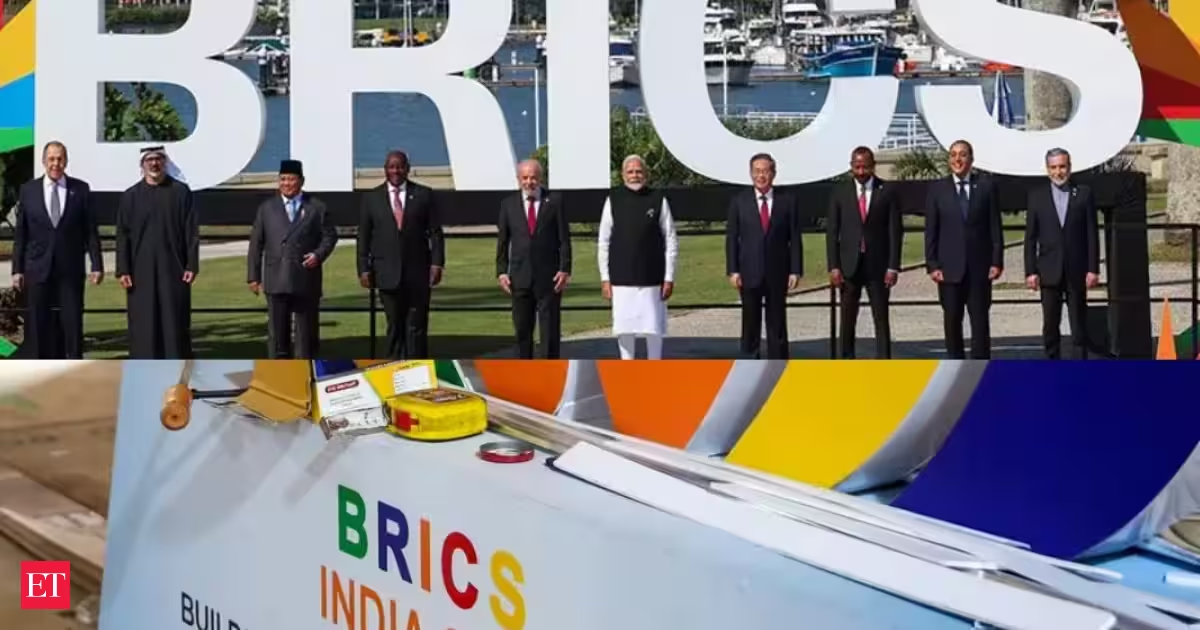
BRICS Pay, the decentralised cross-border payment architecture designed to link national settlement systems such as India's UPI, China's CIPS, and Russia's SPFS, is now targeted for operational deployment when leaders gather in September.
With just over two months to go before India hosts the 18th BRICS Summit in New Delhi, the bloc's most closely watched financial initiative is entering its final testing phase. BRICS Pay, the decentralised cross-border payment architecture designed to link national settlement systems such as India's UPI, China's CIPS, and Russia's SPFS, is now targeted for operational deployment when leaders gather in September. If it works as advertised, it would mark the most concrete step yet toward a long-discussed goal: giving BRICS+ economies a way to settle trade without routing transactions through Western-controlled payment rails.
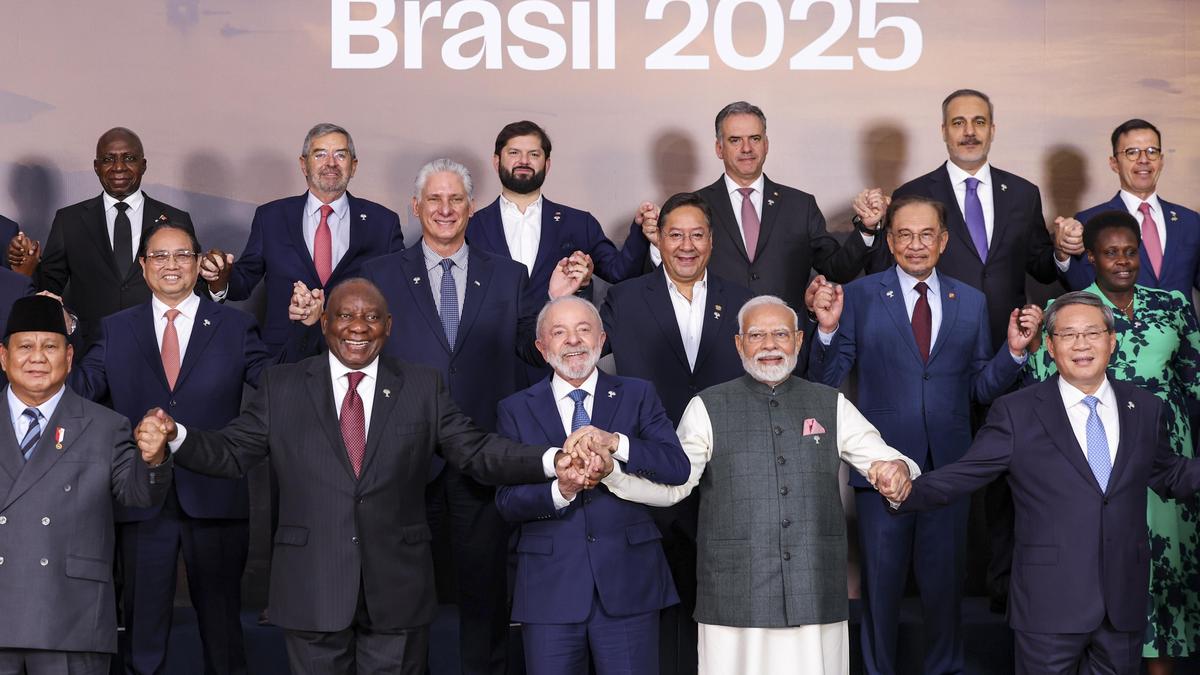
For years, "de-dollarisation" was more rhetoric and idea than a roadmap. The 2025 Rio Declaration, issued at the close of Brazil's presidency, notably stopped short of naming de-dollarisation as a formal bloc objective, focusing instead on the more modest language of "expanded local-currency trade." That caution reflected real divisions within the group, Brazil and India have historically been warier than Russia or China of moves that could be read as openly confrontational toward the US dollar.