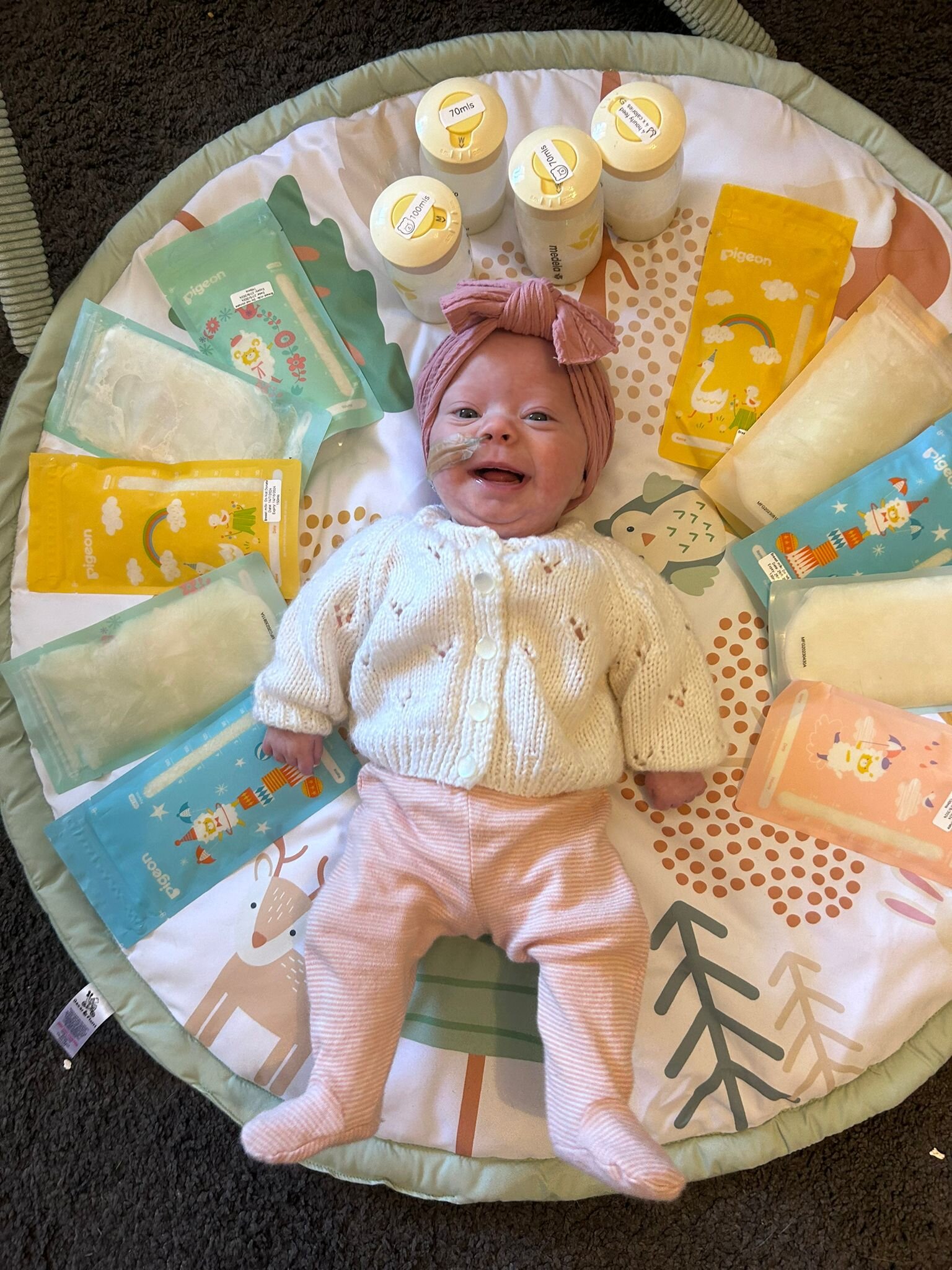
Baby Sarah Oliver, milk recipient. Credit: Australian Red Cross Lifeblood
The rate of a life-threatening gut disease called necrotizing enterocolitis (NEC) has decreased by 38% in very premature babies who received donated breast milk from Australian Red Cross Lifeblood, according to research published in the Journal of Paediatrics and Child Health. The study is the first in Australia to look at the benefits and risks of donated breast milk for very preterm babies born less than 32 weeks.
Necrotizing enterocolitis (NEC) is the most common cause of death in the 26,000 Australian babies born prematurely each year. It causes intestinal inflammation and tissue damage. These effects can lead to blood infection, or sepsis, and organ failure.
While a mother's own milk is best, premature babies often need extra nutrition in the early weeks of life while the mother's own supply is established. In these cases, donated breast milk is recommended by the World Health Organization for premature, very sick or small babies.
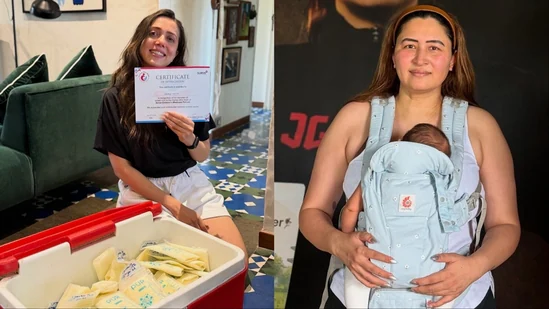
Australian Red Cross Lifeblood's milk donation service was established in 2018. At the time, around three-quarters of premature babies didn't have access to donated breast milk. The service now supplies more than 4,800 liters (1,268 gallons) to 45 hospitals across the country from dedicated milk facilities in Sydney and Brisbane. Demand continues to grow.