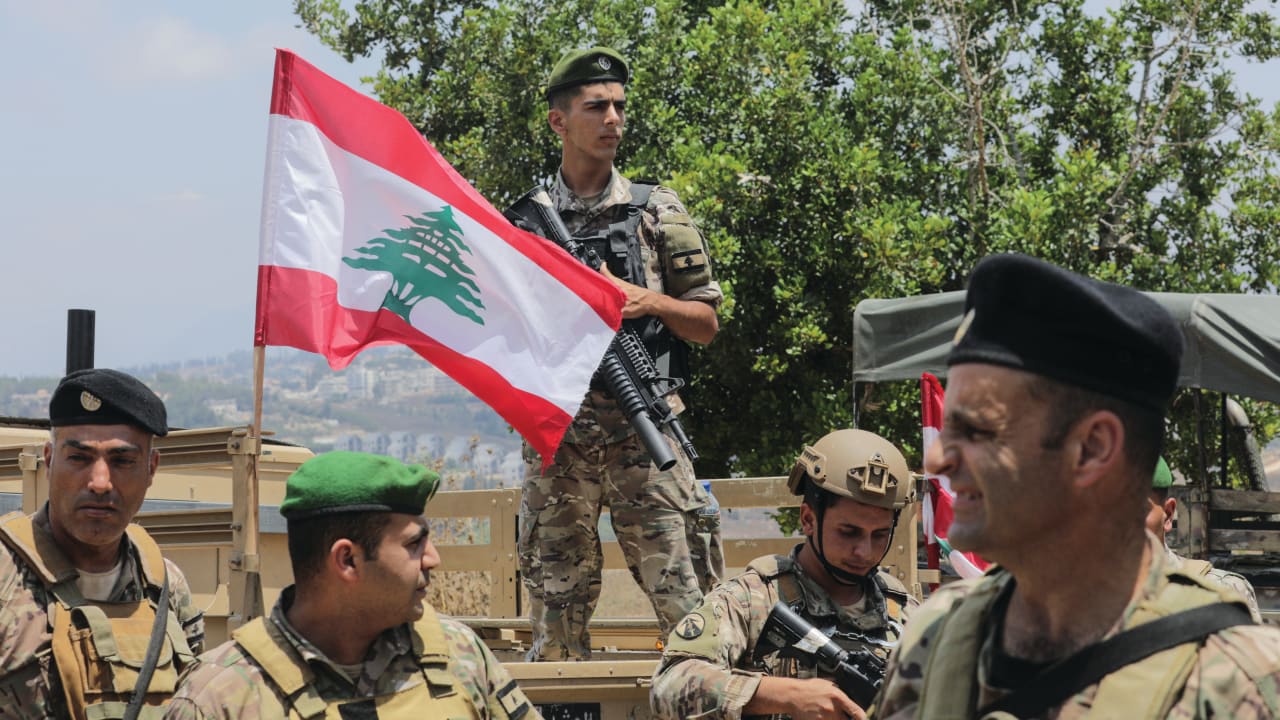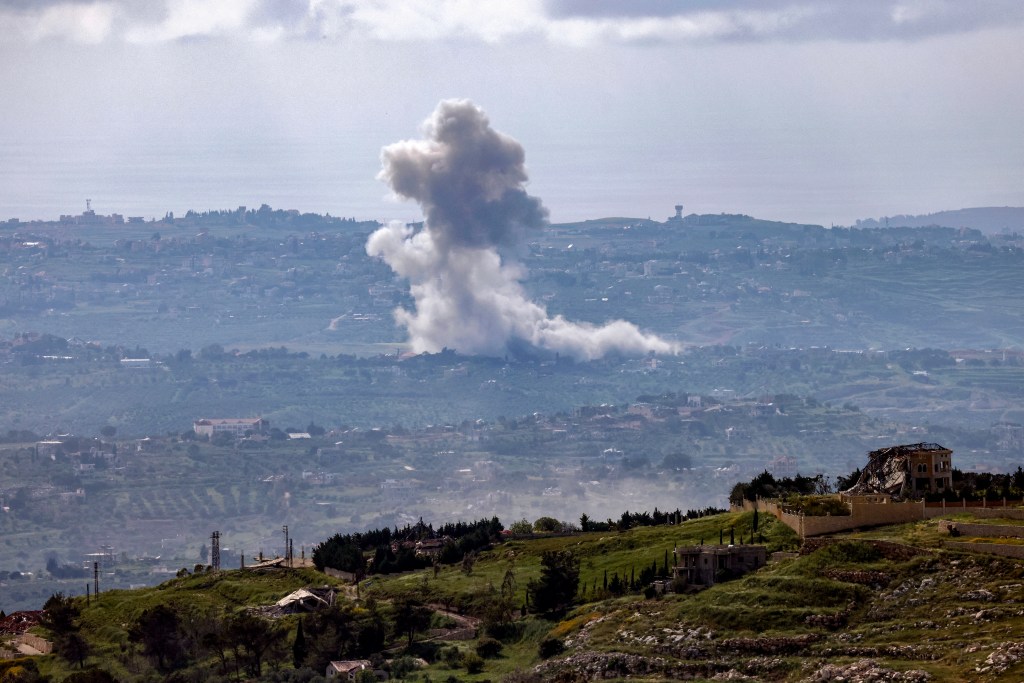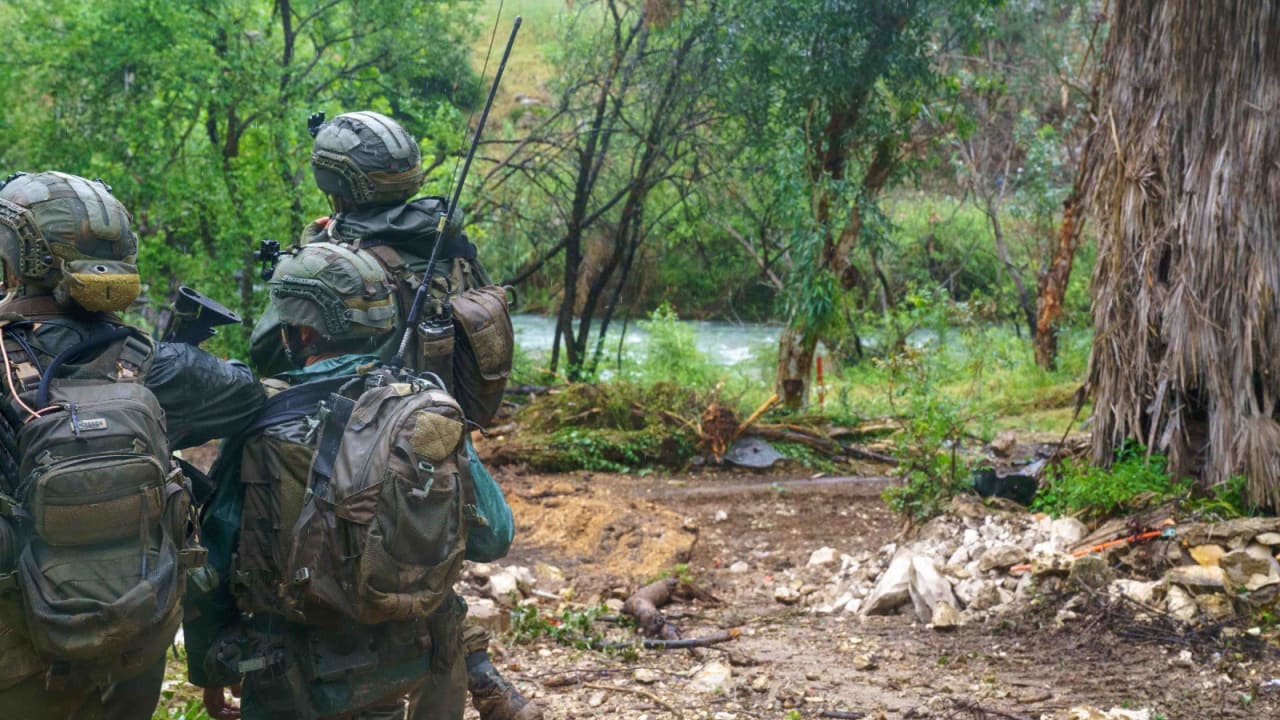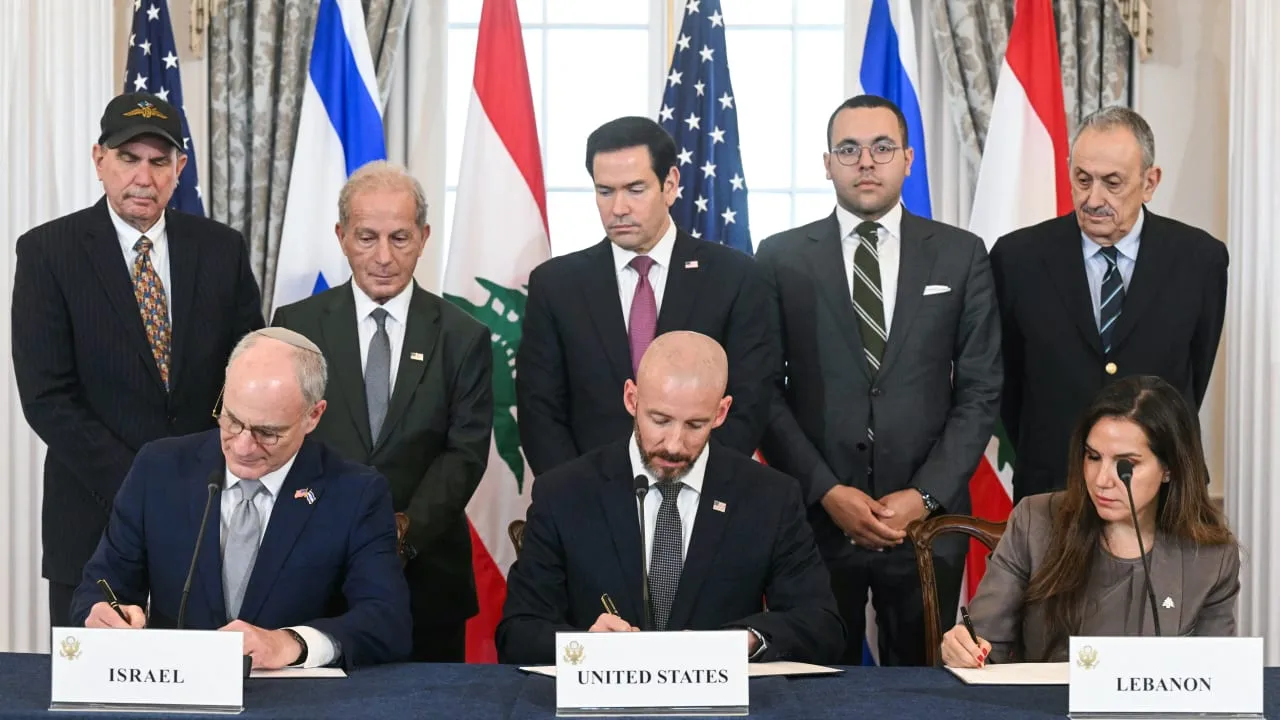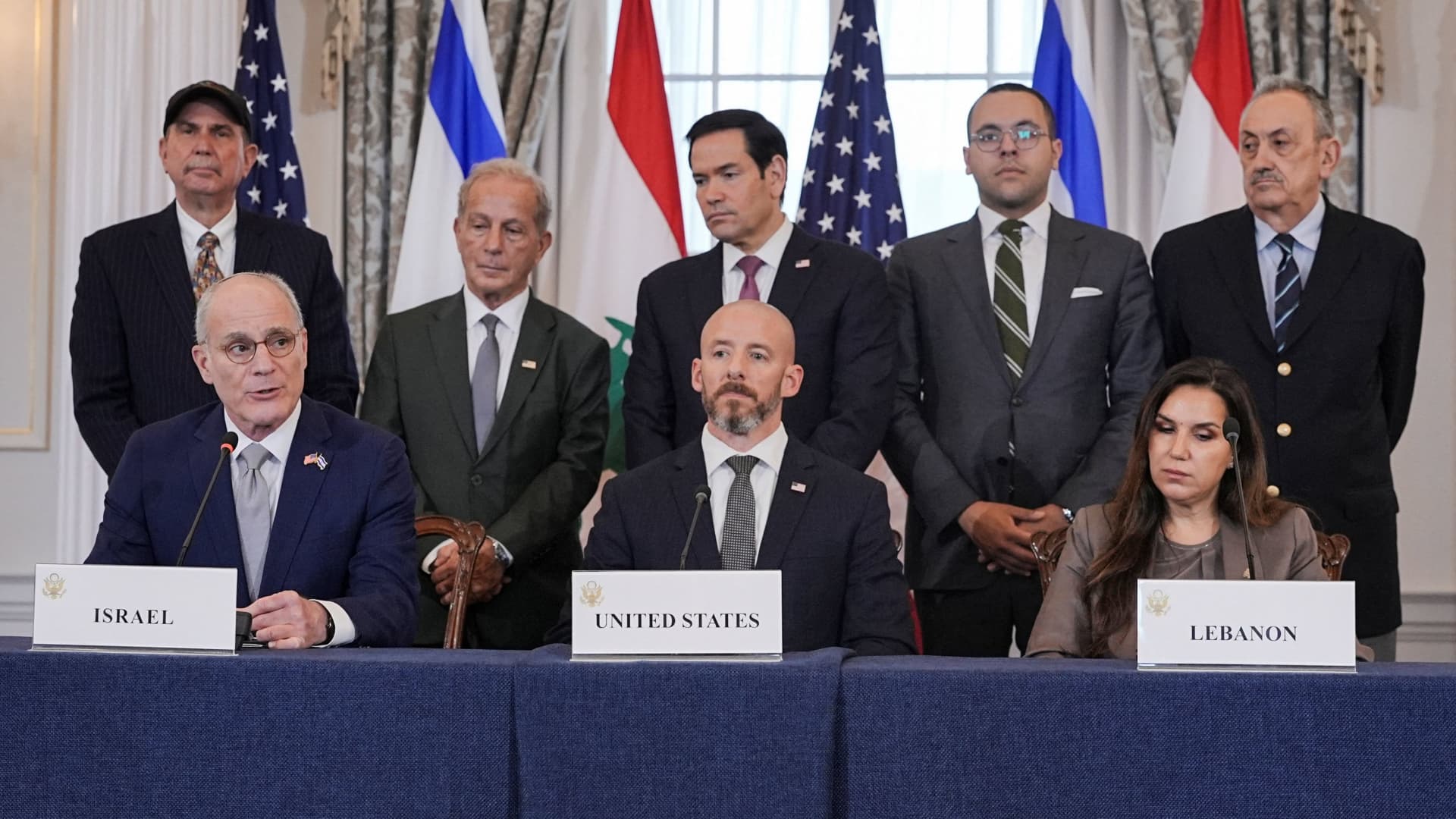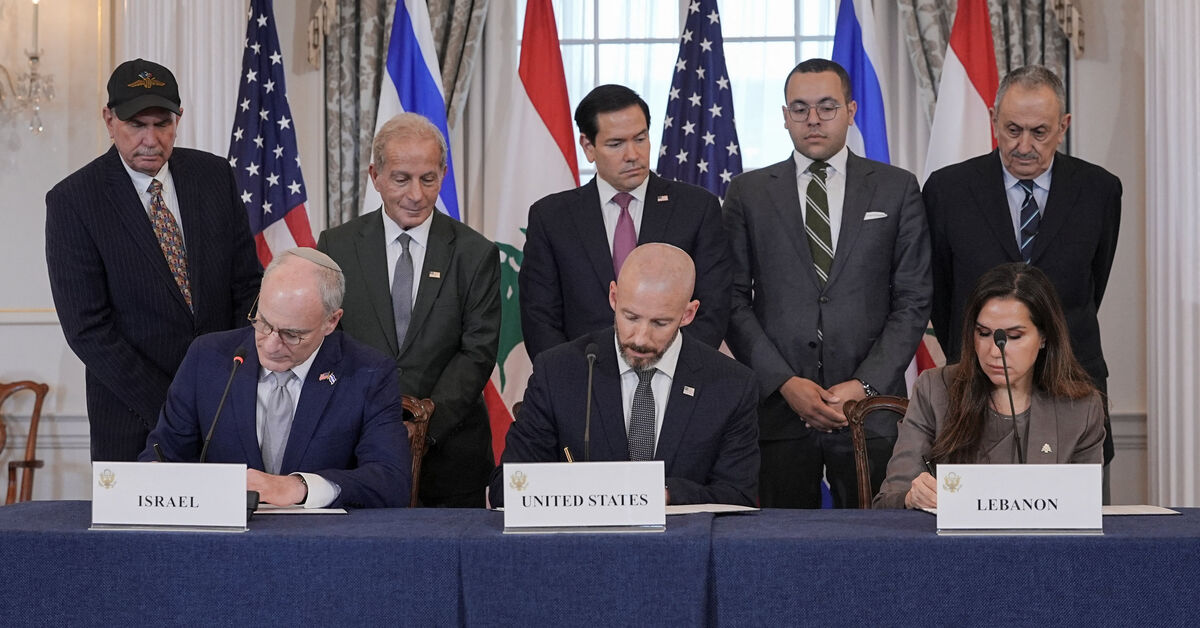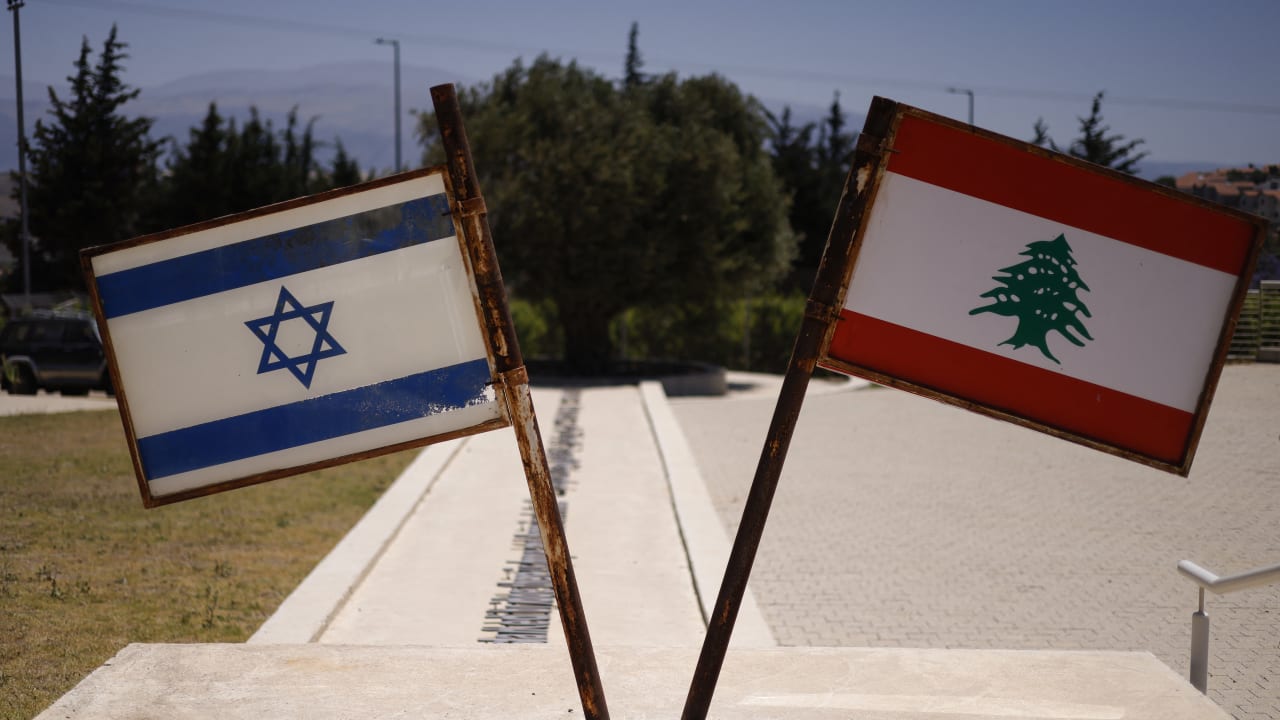
A new Israel-Lebanon framework offers hope for lasting security, but its success hinges on whether Hezbollah can truly be containedByANDREW FOX JULY 10, 2026 09:31For the first time in 44 years, Israel and Lebanon have signed a framework agreement. In a region where diplomatic language often masks paralysis, even a structured process has value.US Secretary of State Marco Rubio’s announcement gives both sides a mechanism to test whether the conflict can be moved from the battlefield to something more durable and secure.Read MoreThe framework rests on two immediate principles. The Israel Defense Forces will remain in Lebanese territory for as long as Hezbollah continues to pose a threat, and a pilot scheme will begin in two areas where the Lebanese Armed Forces (LAF) will deploy.In theory, this offers Israel an answer to the northern security question while providing Lebanon with a route back toward state sovereignty.In practice, it places the burden of success on implementation.Reasons for cautionThe Israeli interest is clear. Residents of the North will return only when Hezbollah’s capacity near the border has been visibly reduced and another evacuation no longer seems inevitable.For communities that have lived with rockets, anti-tank missiles, drones, and fears of infiltration, security means the absence of Hezbollah observation posts, infrastructure, and launch teams close enough to turn daily life into a countdown.Lebanon’s interest is also clear, at least on paper. The Lebanese state needs to reassert authority over its territory and escape the logic under which Hezbollah decides when Lebanon is at war.The LAF’s entry into pilot zones could be a meaningful first test of that principle. Yet raising a flag, deploying a unit, and assuming real control are not the same thing. Hezbollah has spent decades making itself difficult to dislodge by formal state instruments alone.That is the first reason for caution. Hezbollah is one of Iran’s most valuable forward assets, a deterrent against Israel, a source of leverage, and a core element of Tehran’s regional architecture.Iran will not watch quietly as a framework agreement strips it of a tool built over decades. A serious attempt to dismantle Hezbollah’s military infrastructure will therefore meet with resistance not only from Beirut’s southern suburbs but also from the Iranian system itself.The second reason is money. Hezbollah has developed independent funding streams through smuggling, illicit trade, criminal facilitation, and diaspora networks. It is not purely reliant on Iranian funds. That resilience gives the organization room to absorb pressure, rearm, pay its cadres, and wait out political cycles.A man walks past an Israeli flag covering part of a destroyed building in the southern Lebanese village of Taybeh, near the border, on June 18. (credit: Amir Levy/Getty Images)Any agreement that assumes Hezbollah can be disabled by narrowing the Iranian pipeline is likely to underestimate the group.The third issue is force. Hezbollah outmatches the Lebanese Armed Forces in firepower, coercive capacity and local entrenchment. The LAF may have legitimacy, increased professionalism, and international support, but it operates within a fractured state with limited resources and deep sectarian constraints.The pilot areas will show whether the Lebanese army can do more than enter territory after an Israeli withdrawal. It must prevent Hezbollah from returning through intimidation, social pressure, covert storage sites, and local proxies.Agreement ambiguityHere, the details become decisive. If Israel withdraws from an area and the LAF fails to halt Hezbollah’s resurgence, who acts?If Israel retains the freedom to strike, the framework may preserve an enforcement mechanism but invite accusations that Lebanese sovereignty remains conditional.If Israel is restrained while the LAF is unable to act, Hezbollah can wait, rebuild, and present survival as victory.That ambiguity is at the heart of the agreement.The same applies to Hezbollah’s depth areas. The Bekaa Valley, weapons routes, command nodes, and rear infrastructure are central to Hezbollah’s military endurance. A deal that alters the surface pattern in southern Lebanon while leaving the strategic rear intact will lower the temperature, but it will not shift the military balance.Israel will want the ability to strike those networks if they are rebuilt. Lebanon will struggle to sell that to its public as sovereignty.There is also the political reality inside Lebanon. Hezbollah’s power rests on welfare, patronage, identity and status within its constituency, fear, and the long failure of the Lebanese state to provide security or services to Shi’ite communities.Disarmament cannot be treated as a technical exercise for generals and diplomats. Lebanon has to offer a better alternative: protection without humiliation, services without sectarian dependency, and political inclusion without Hezbollah’s veto. Without that, Hezbollah retains its most powerful argument, that only it can defend its people.Good first stepThe agreement is therefore a good first step, but only a first step. Its success depends on verification, enforcement, Israeli rules of engagement, LAF capacity, Iran’s response, Hezbollah’s coercion, and Lebanon’s ability to compete politically where Hezbollah is strongest.A historic signature deserves acknowledgment. It should not be mistaken for a settlement. The real test starts now.■The writer is a former British Army officer, senior fellow at the Henry Jackson Society, and cohost of The Brink podcast.
Can Israel and Lebanon finally contain Hezbollah? | The Jerusalem Post
A new Israel-Lebanon framework offers hope for lasting security, but its success hinges on whether Hezbollah can truly be contained
835 words~4 min read