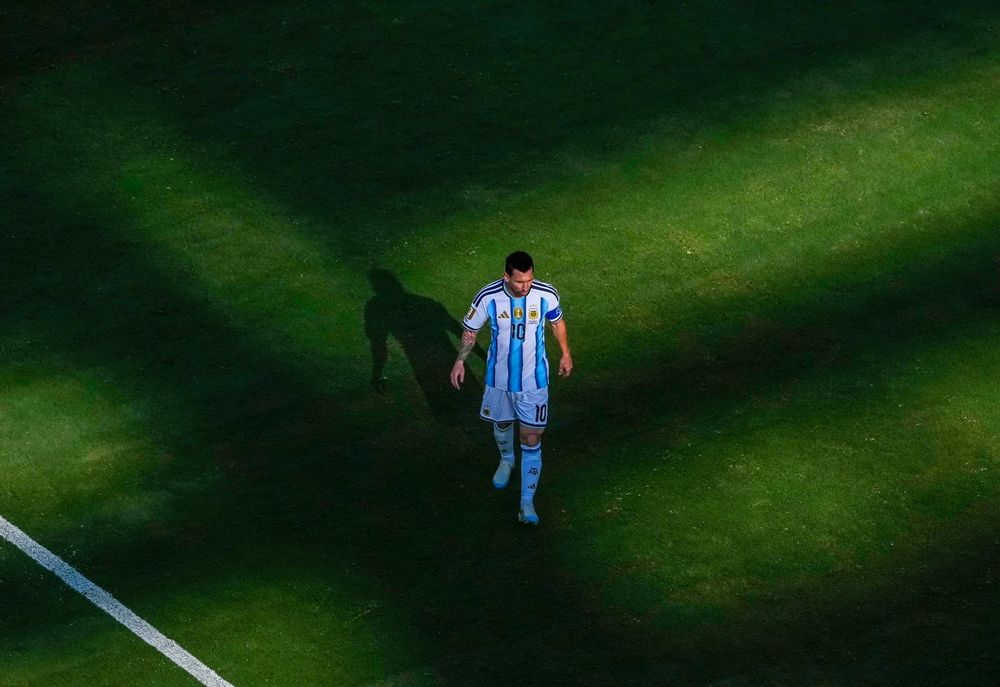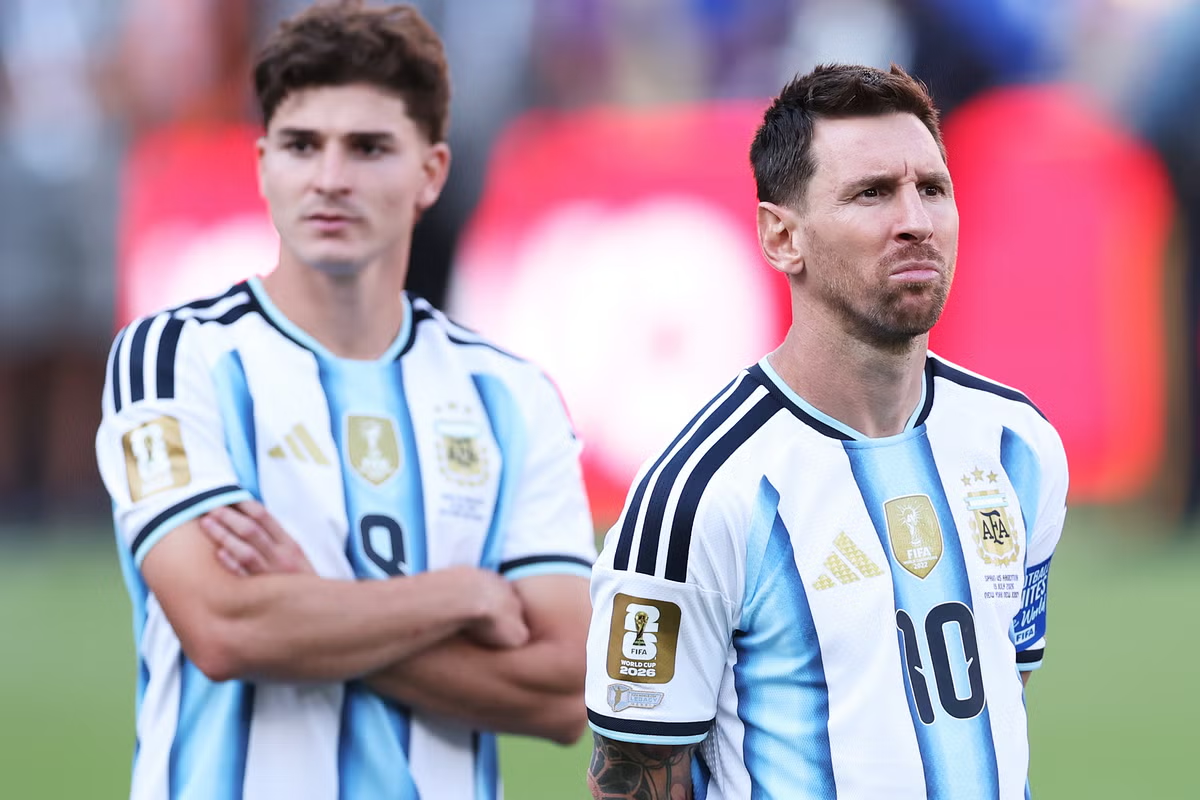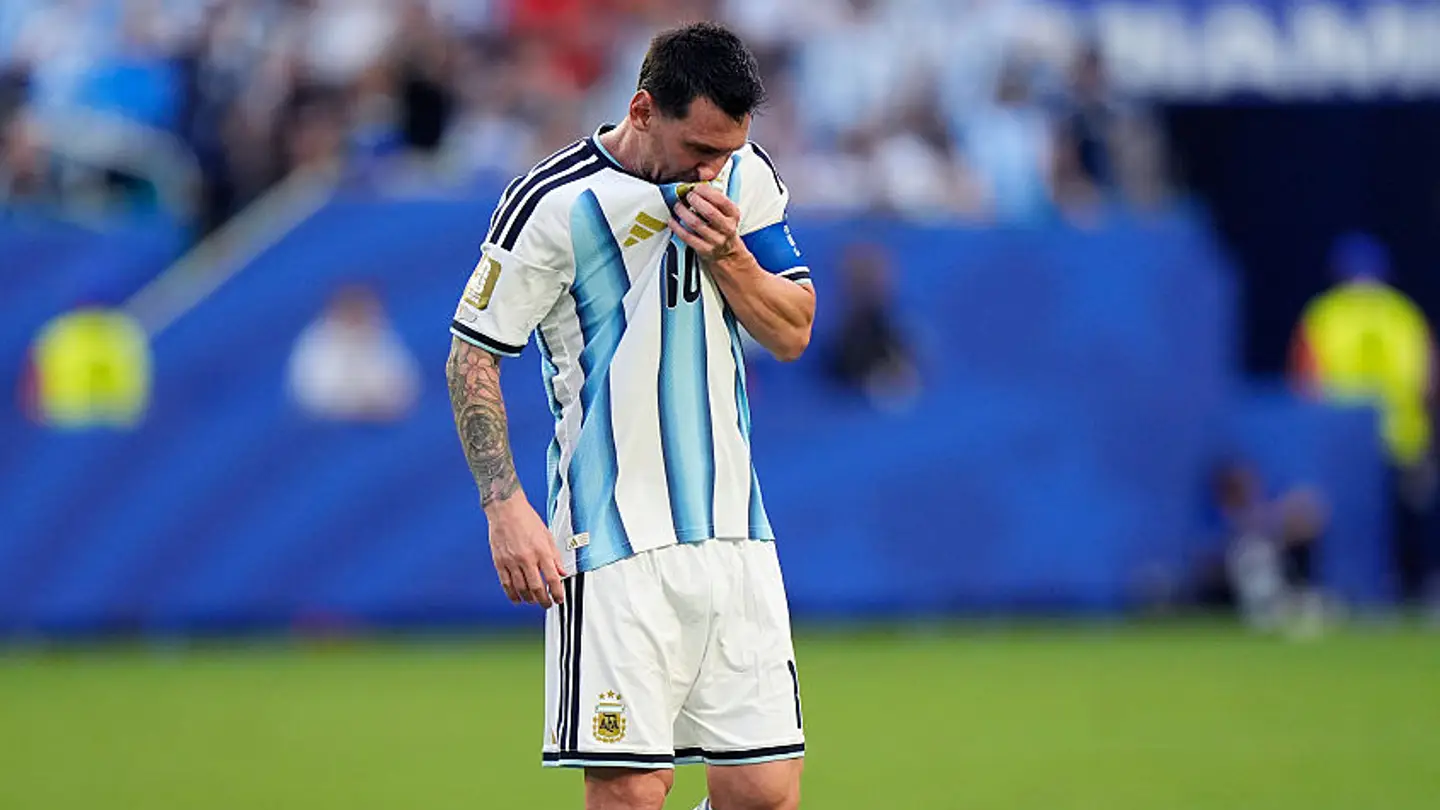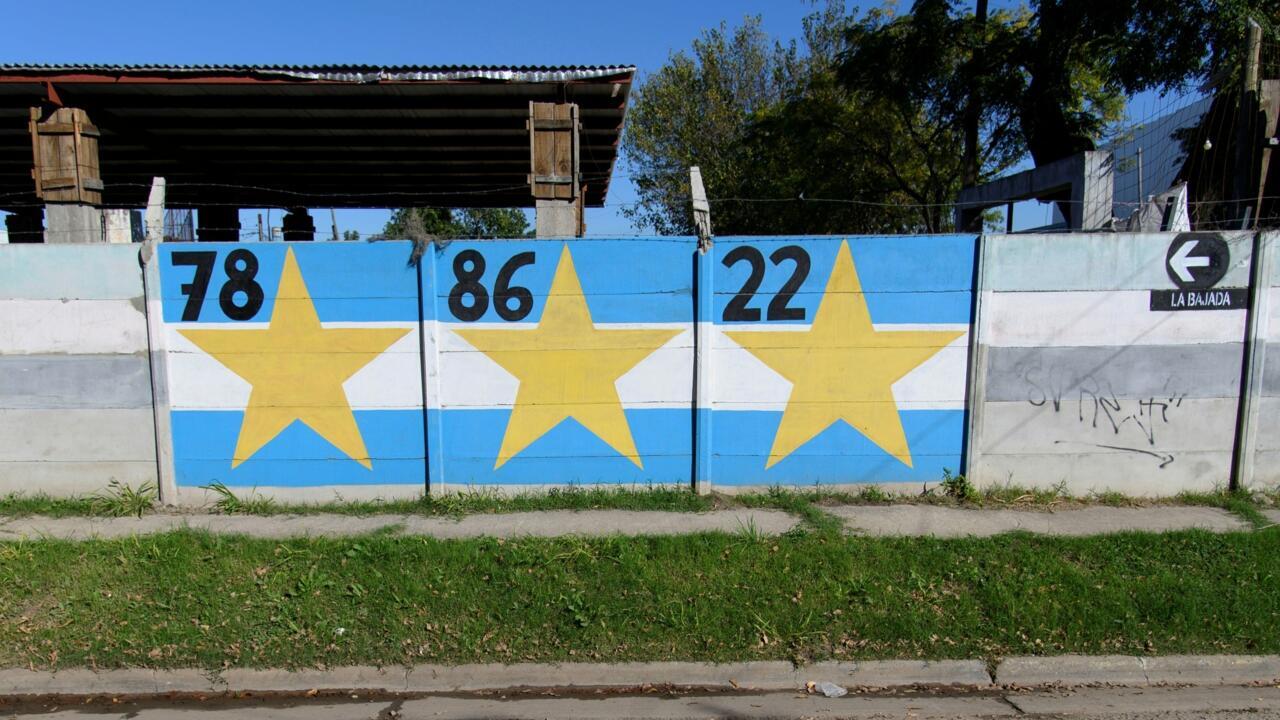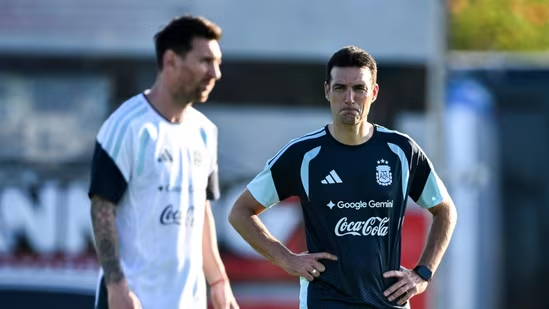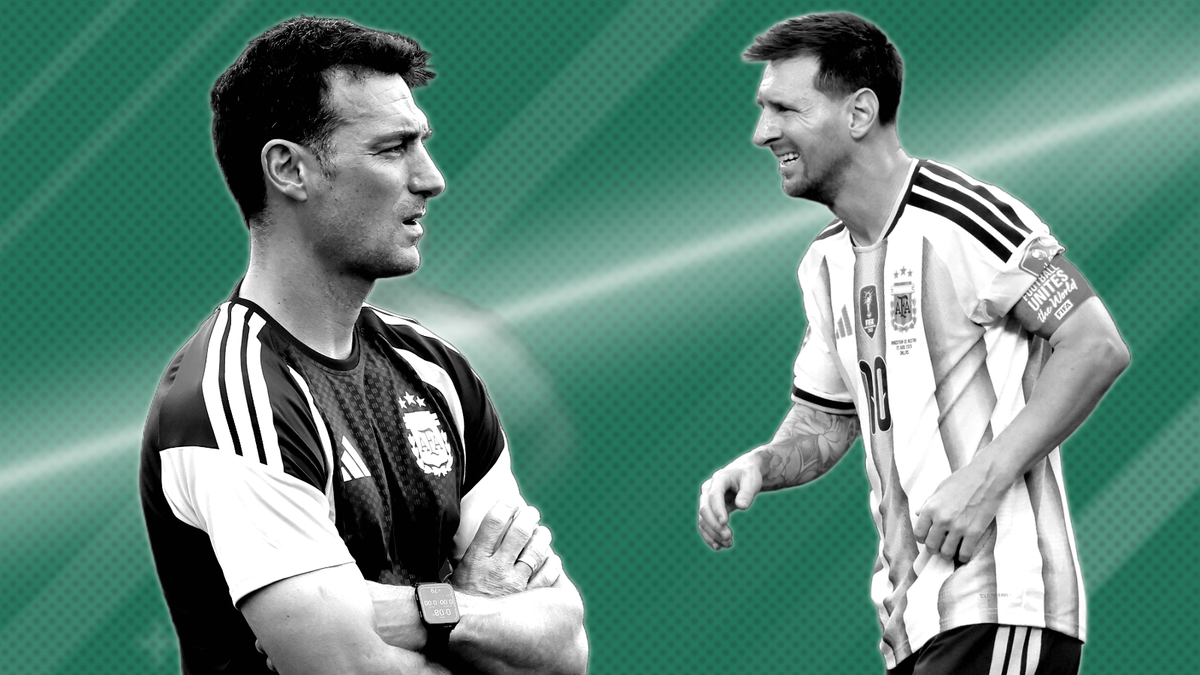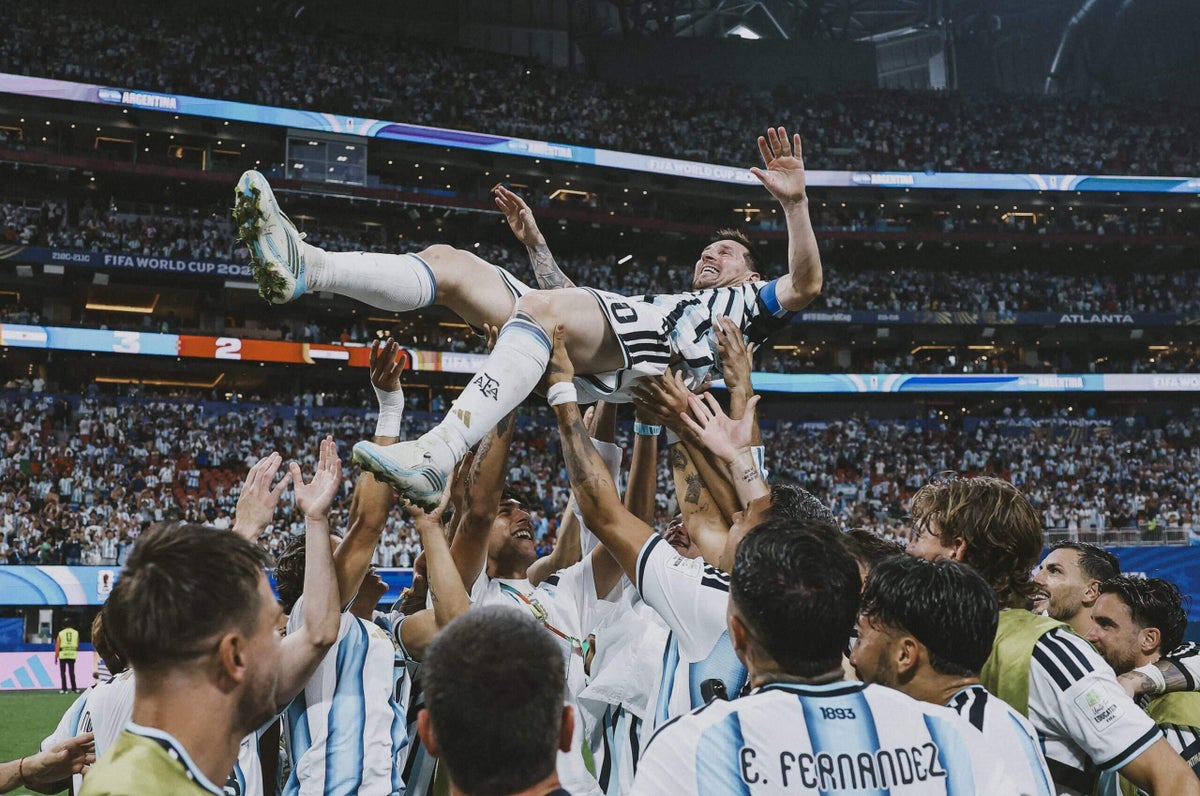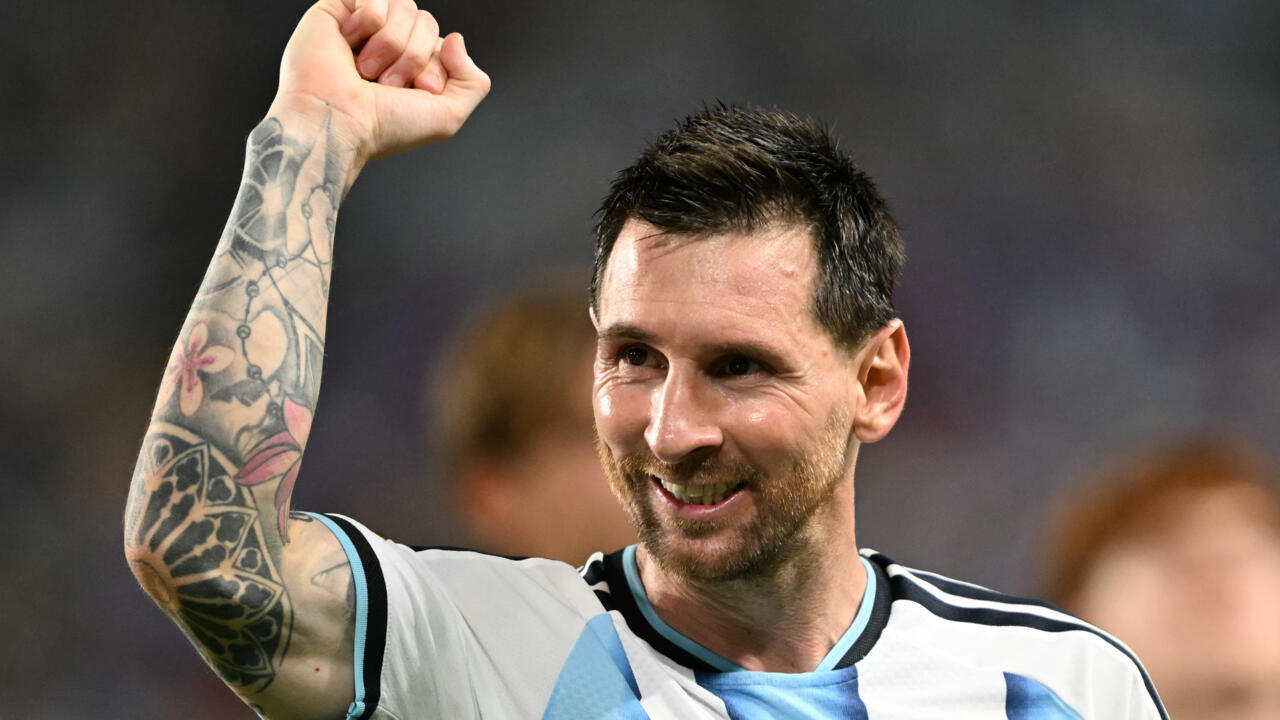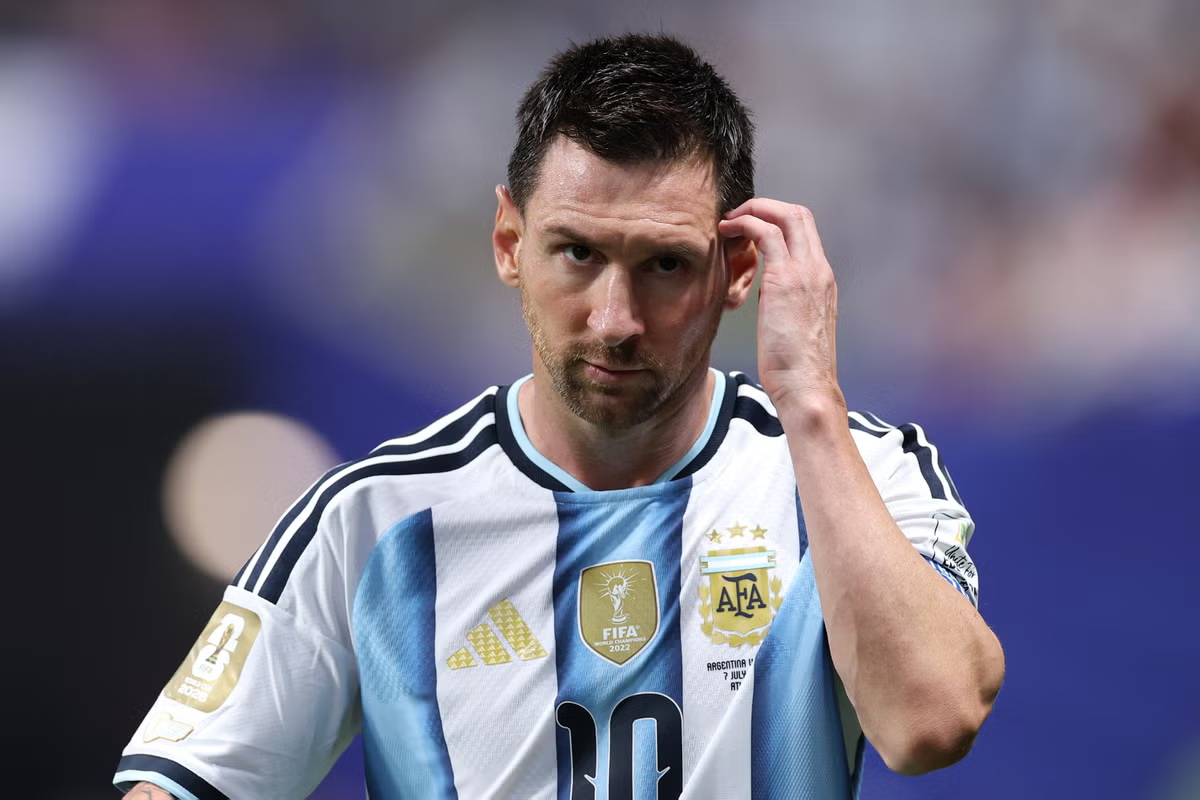
To think the phrase was coined about a Barcelona side blessed with a range of talents. Messidependencia, an over-reliance on Lionel Messi, has been a supposed thing for years now. And yet, as the man himself is in his 40th year, perhaps never as much of a thing.As Argentina seek to retain the World Cup 2026, the questions surrounding their candidature are no longer if Messi is too old, but if his supporting cast can provide enough support. The burden of proof is on the other 10; or, in these days of supersized squads, the other 25.A quarter-final that had seemed to offer the potential of a final meeting between Messi and Cristiano Ronaldo instead features Switzerland And yet a comparison of old rivals shows a dynamic in inverse: Portugal’s other 10 might have been good enough to win the World Cup, but Ronaldo was not. A policy of building a team around an ageing star and compensating for his lack of running backfired.Lionel Messi has been talismanic for Argentina (Reuters)For Argentina, however, the damning statistics are not the relatively few miles Messi has covered. Thus far, he has scored eight of their 14 goals, and two of the others came before he entered the pitch in a dead rubber against Jordan.Messi has assisted one of the other four goals when he was on the pitch; Cristian Romero’s header to begin the comeback against Egypt. In a sense, though, he has made another: the winner against Cape Verde was initially credited to Romero, then deemed a Diney Borges own goal. It stemmed from Messi’s corner.As it was not (officially) a Romero goal, only one Argentina player has struck more than once this World Cup. “It’s not something that worries us,” manager Lionel Scaloni said last week. “I would like the goals to be shared around.”Argentina boss Lionel Scaloni says he isn’t worried about over-reliance on Messi (AP)But the 39-year-old has had to shoulder a huge burden at this World Cup (Getty)But they are not. There is also a more intangible element to Argentina’s dependence on Messi: inspiration, which perhaps cannot be quantified in numbers. But Messi drove the fightback against Egypt. He had a rest against Jordan but Argentina’s reliance on their veteran captain meant he played 120 minutes against Cape Verde and what was, in effect, 100 against Egypt.All of which indicates that he remains indispensable. There are obvious parallels with another who has been a constant comparison in his career. Messi contributed directly to 10 goals in the 2022 World Cup, scoring seven and assisting three. He could reach double figures for the 2026 tournament again in Kansas City against the Swiss.And four decades ago, in perhaps the closest anyone has come to winning a World Cup single-handedly, Diego Maradona scored five and made five more; in a smaller tournament, too, meaning the 1980s equivalents of Jordan and Algeria were not there.The other 10 would not have come close to winning the World Cup without Maradona; yet alongside him, they were enough. Indeed, the goals in the final came from Jose Luis Brown, Jorge Valdano and, supplied by Maradona, Jorge Burruchaga.Diego Maradona inspired Argentina to glory in 1986 (Getty)There is an instant retort to the question if the rest of the Argentina side now are good enough: they were in 2022 and there is such continuity that 16 of the squad remain the same and it is possible that the starting 11 can contain eight or nine common denominators.But part of the difference lies in the most significant absentee: Angel Di Maria, the other scorer in the 2022 final, and a man who has not been replaced. Arguably, Argentina have been involved in games of brinkmanship in the last two tournaments; they required penalties to see off the Netherlands and France in Qatar. Yet there is a difference now: they have been run close by Cape Verde and Egypt, sides with less pedigree.In the process, frailties have become exposed. Physically, Argentina look slower than opponents, more liable to be overpowered. A concentration of players in the middle of the pitch, surrounding Messi, leaves room on the flanks. They have felt more open to the counter-attack.Then there is the question of individuals. Centre-backs Romero and Lisandro Martinez have both scored crucial goals in the knockout stages, while the Manchester United man also got a wonderful assist against Cape Verde. But defensively they have been suspect: arguably Martinez could have done better for both Egypt goals. Either side of them, Argentina lack elite full-backs.Cristian Romero has been a threat going forward but is a part of Argentina’s suspect defence (PA)Yet for a country who tend to be remarkably consistent in their ability to produce a disproportionate number of outstanding footballers, Messi’s brilliance may camouflage a sense this could be a relatively fallow period. Not in terms of trophies: Scaloni’s Argentina may add a second World Cup to twin Copa America titles. But, Messi apart, are any near the world’s best in their position?Julian Alvarez and Lautaro Martinez, probably, though neither is the equal of Harry Kane, Erling Haaland or Kylian Mbappe, but not too many others. There was arguably a greater all-round strength to the 2006 squad that featured a teenaged Messi or the 2002 party who tumbled out in the group stages.This has been a far more successful team; propelled by Messi. But with every game, he seems to shoulder a greater responsibility. If Argentina are to prevail, his teammates could do with relieving some of the burden on him. Perhaps, after his misadventures from the spot, they could start by taking the penalties away from him.
Why Lionel Messi can’t lead Argentina to win this World Cup (on his own)
Argentina’s frailties have been exposed and they’re not as good as the 2022 World Cup-winning vintage despite Messi’s heroics. Something has to change
938 words~4 min read