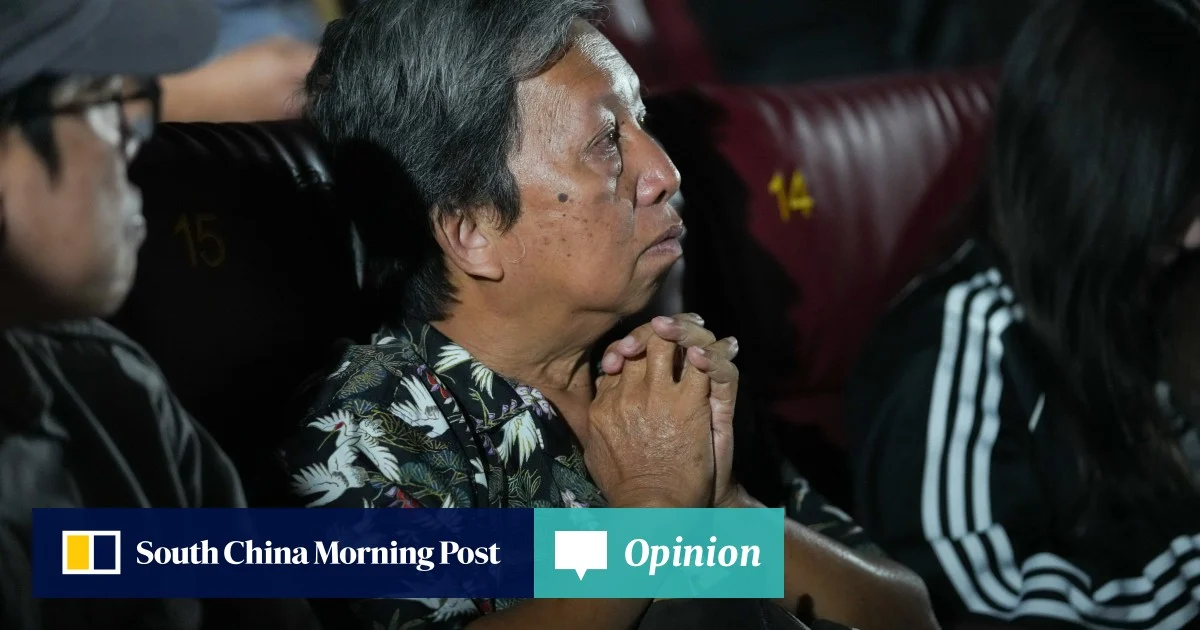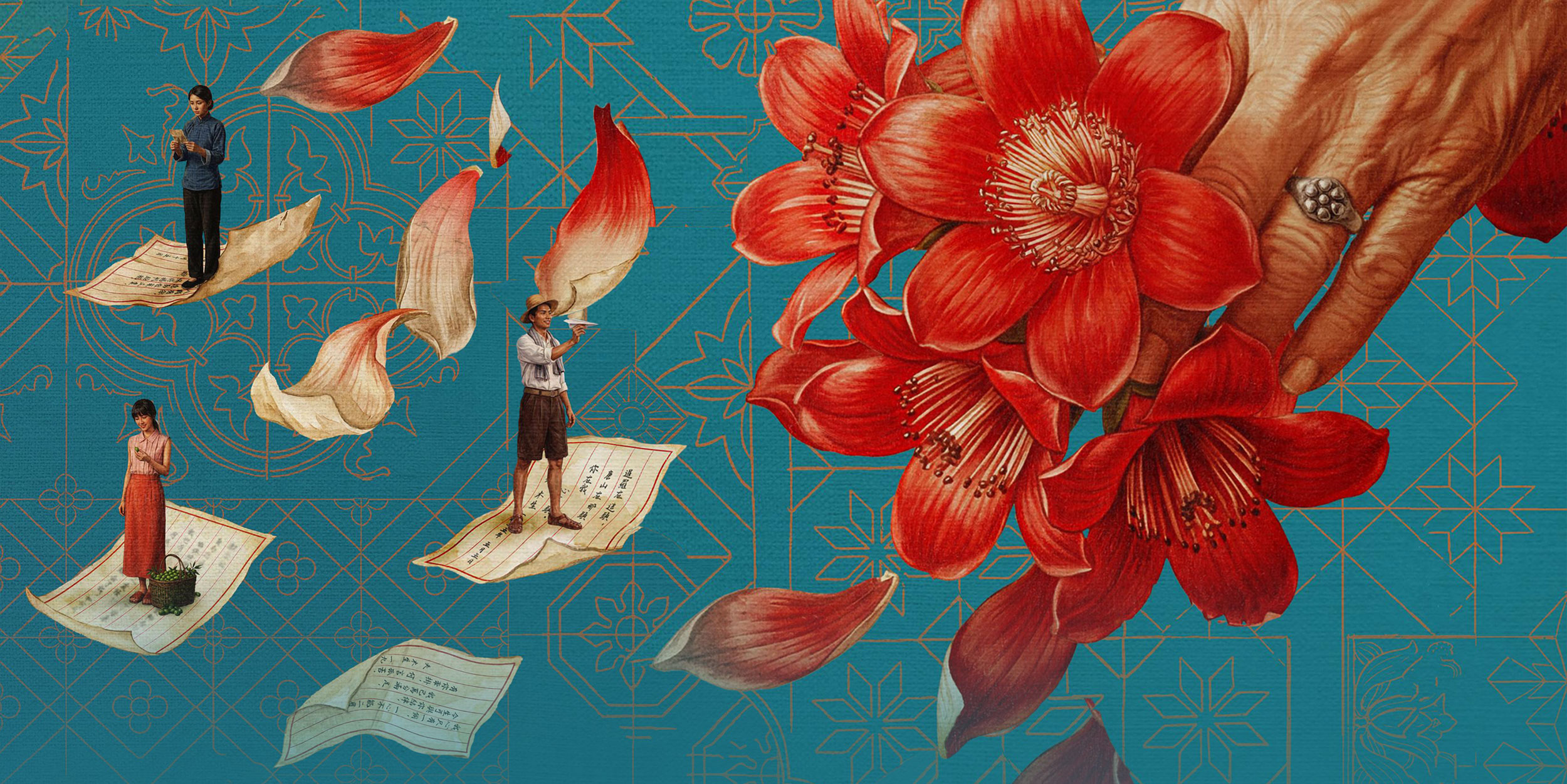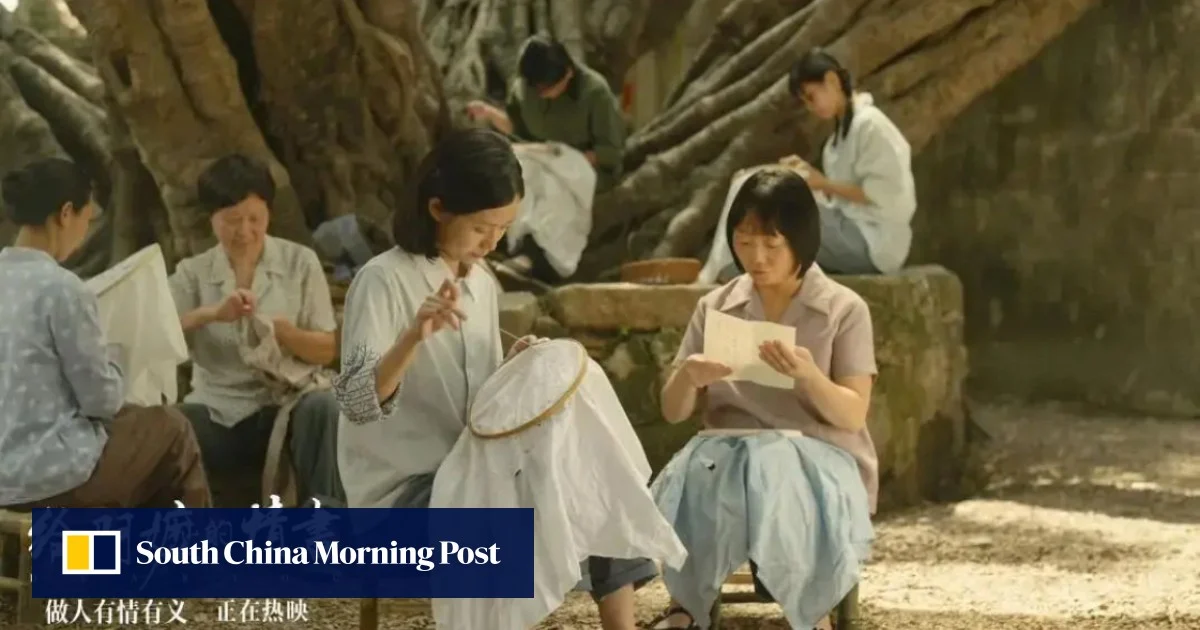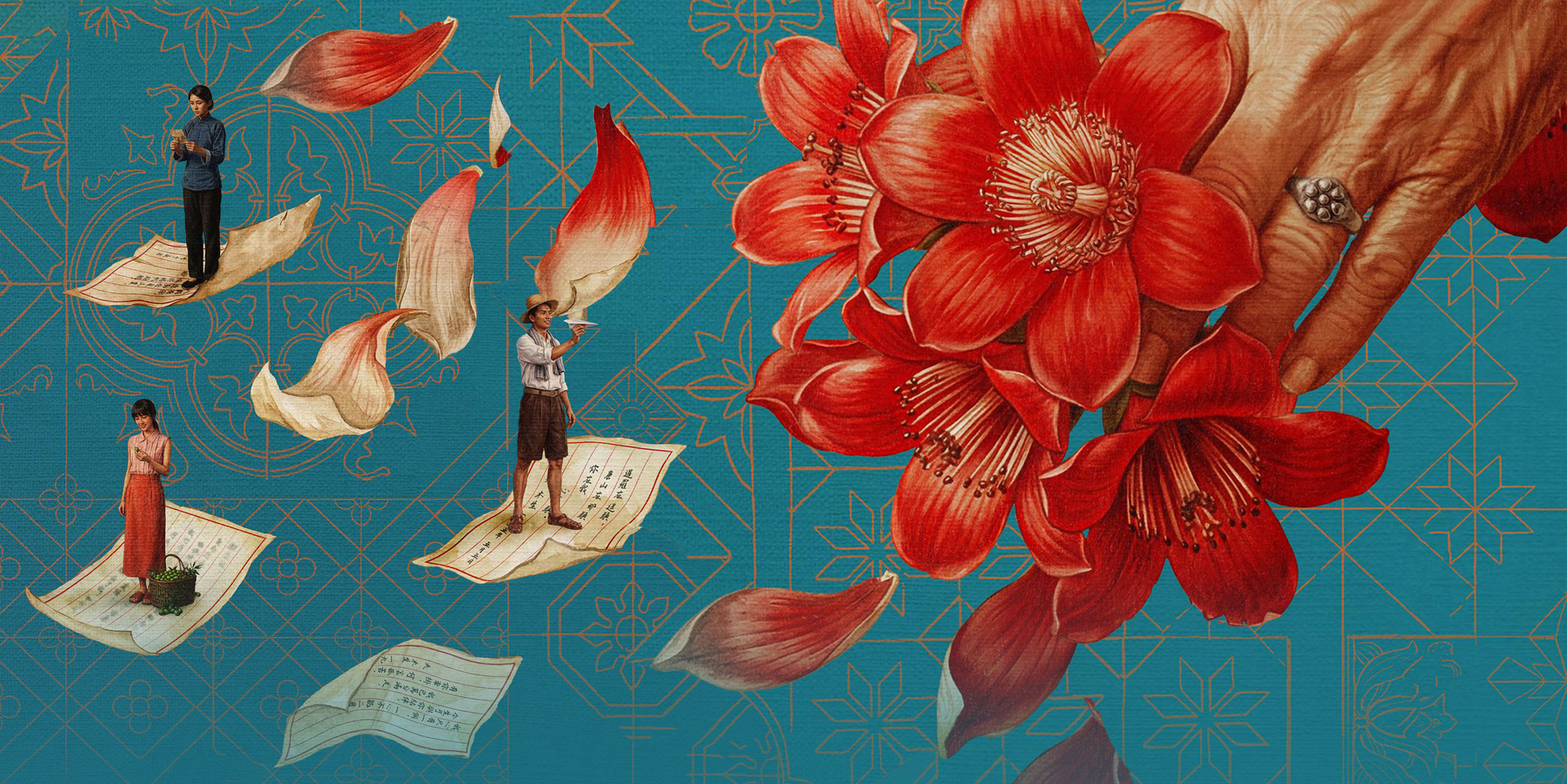
If you find yourself with anyone in China these days and you’re stuck for something to talk about, it’s worth asking them if they cried when they saw Dear You. Almost everybody did.The enormous success in China of this low-budget film has been a surprise, not least because almost all the dialogue is in the Teochew dialect that is impenetrable to anyone outside the Chaoshan region of the southern province of Guangdong. Produced with a budget of just RMB14 million (€1.8 million) and featuring a mostly non-professional cast, it grossed RMB1.9 billion (€244 million) by the end of June, two months after its release.Lan Hongchun’s film (which is showing in Dublin and Cork this weekend) follows the quest of an indebted young Teochew man as he tries to find his estranged grandfather in Thailand in the hope of securing a fortune. His grandfather, Zheng Musheng, fled to Thailand in the 1940s to avoid being drafted into the nationalist Kuomintang in their fight against the communists, leaving his wife Ye Shurou and their three children at home.After he arrives in Thailand, Musheng meets a Chinese woman called Xie Nanzhi with whom he forms a deep, platonic relationship. Musheng sends qiaopi, a letter that included money to support the family along with an update on his progress and some words of affection and longing.When Musheng gets into a fight with bandits while working on a ship and drowns, Nanzhi organises his funeral and decides to continue sending the qiaopi home to his wife. She writes the letters as if they are from the deceased husband, including the remittances and adding extra payments or presents at important moments in the children’s lives.Nanzhi sustains Musheng’s family for almost 20 years and when she finally meets the woman she has been writing to for all those years, Musheng’s wife is already suffering from dementia. The film celebrates the unconventional bond between these two women, both driven by a sense of loyalty, sacrifice and duty.For audiences in China, Dear You was a connection to the Chinese diaspora in southeast Asia, but when the film was released in neighbouring countries, the reaction was complicated. In Singapore, a columnist in the Chinese-language Lianhe Zaobao newspaper suggested the film was a successful piece of propaganda on behalf of the United Front Work Department, a Communist Party agency that seeks to expand Beijing’s influence in the Chinese diaspora.“The highest form of United Front Work is to reach the softest part of people’s hearts and use emotion to win them over,” the columnist wrote.Global Times, China’s outward-facing nationalistic newspaper, demanded to know what the Singaporean columnist was so upset about when the film did nothing more than highlight the warm connection between two families, one Chinese and one Thai.“How can a dialect film with a modest budget and an entirely non-professional cast be seen by some as a ‘powerful instrument’ capable of shaking national identity? Does this overestimate the power of cinema, or underestimate the independent thinking of Singaporeans?” the paper said in an editorial. “At its core, the issue is that some people and media outlets have guilty consciences, so they see ‘ghosts’ in everything. As an old Chinese saying goes, ‘Our mindset frames how we view the world’. Those with cultural confidence see warmth and resonance; those preoccupied with political calculations see only threats and conspiracies. In the end, it’s just an over-interpretation by the certain Singaporean media outlet.”Ethnic Chinese make up almost three-quarters of Singapore’s population, alongside Malay, Indians and other communities. But the city-state has long emphasised civic identity, ethnic balance and social cohesion as its national definitionDuring an official visit to Shanghai, Singaporean minister Lee Hsien Loong made a blunt statement about his country’s identity and its relationship with China.“We are a Chinese-majority country, but we are a multiracial society,” he said. “We are a separate country with separate sovereignty from China. We co-operate as friends and in order to have mutual benefit.”China’s foreign ministry this week invited foreign diplomats and their families to a screening of Dear You in Beijing to help them “to better understand China”. But Chinese people understand Dear You in different ways, as I found out when I asked some of my friends why they cried when they watched the film.“I think it’s because it reminded me how much we miss the Motherland,” she said.When I pointed out, gently I thought, that she lived in the Motherland and had never left it for more than a couple of weeks at a time, she gave me a long look and said nothing. But when I put the same question to another friend the following day, he gave a very different answer.“I cried because it was someone doing something for someone else for no return and no benefit. There was no transaction. And you don’t see that, especially here now,” he said.
China’s neighbours display complicated reaction to weepy diaspora film Dear You
But for the Chinese this low-budget tearjerker stirs up emotions and memories of those who left for southeast Asia
809 words~4 min read