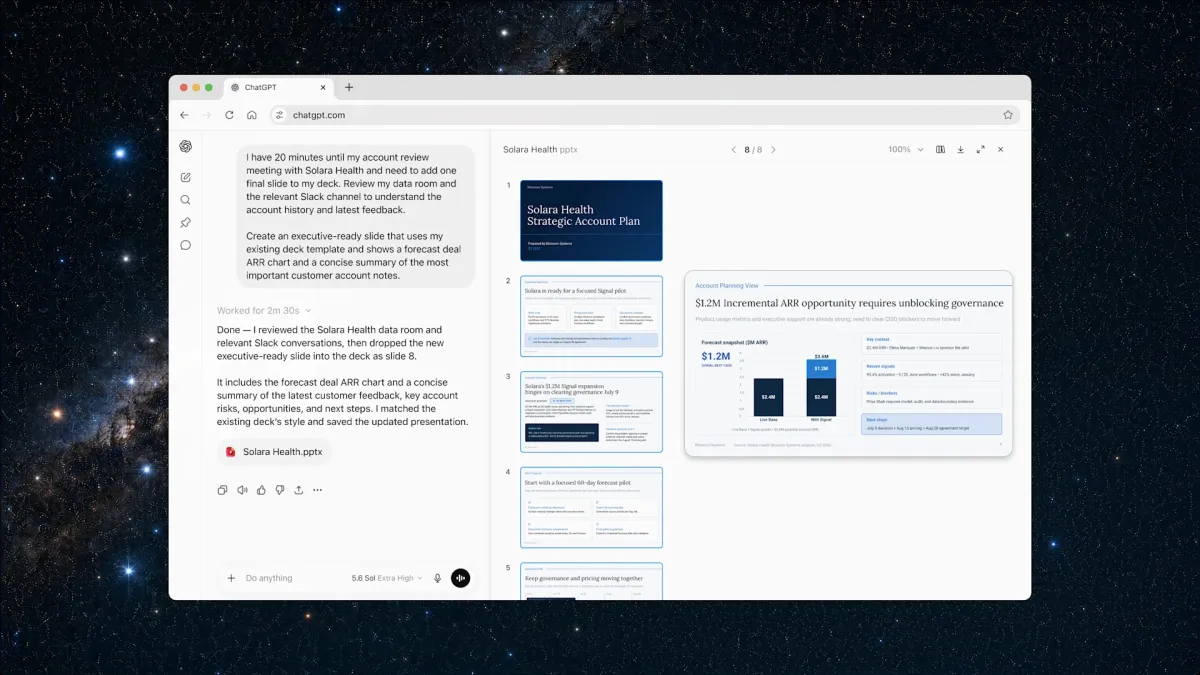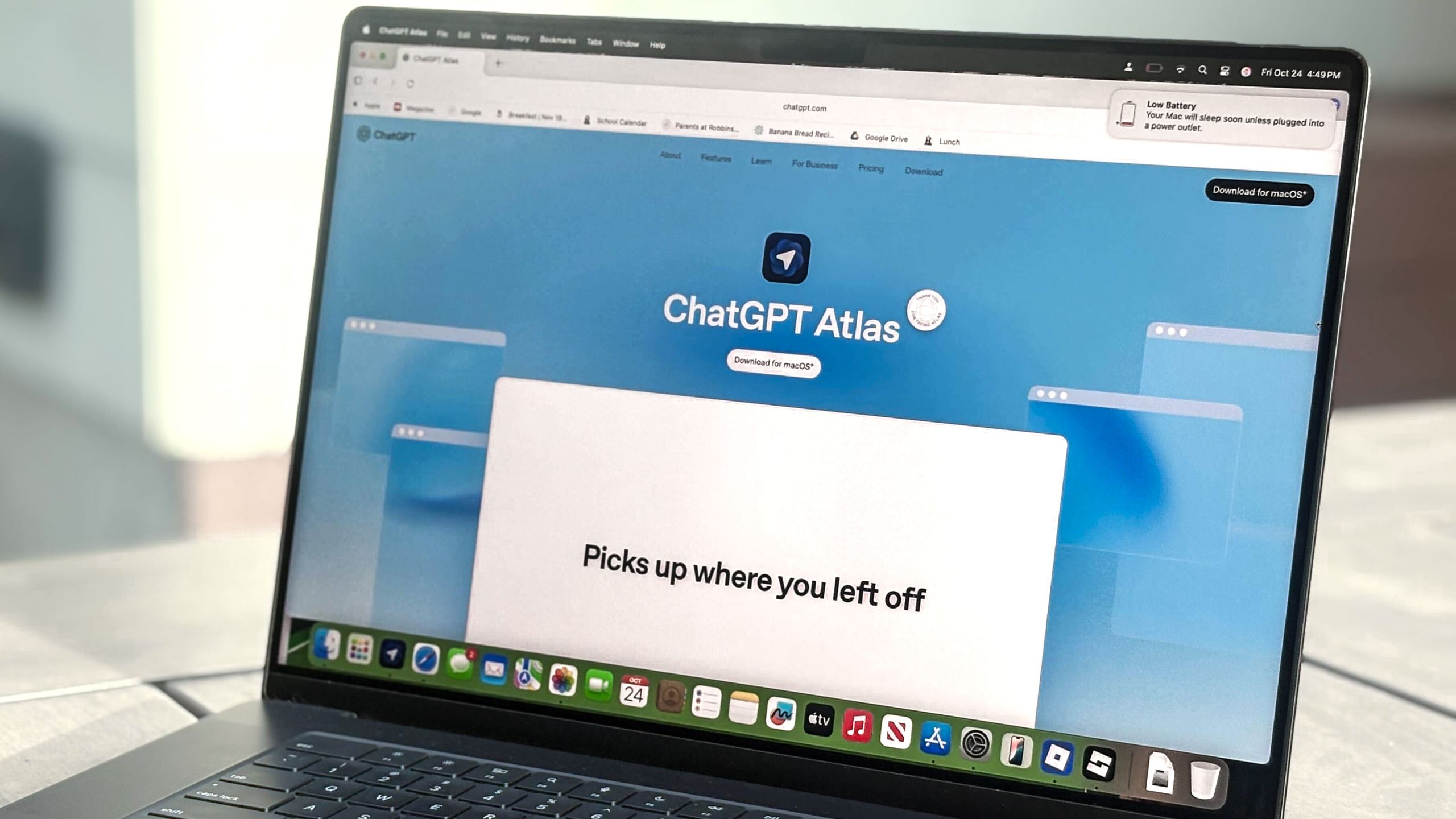
While the attention was undoubtedly on artificial intelligence (AI) company OpenAI releasing the GPT-5.6 frontier model family and a new ChatGPT Work agent, almost hidden somewhere in the footnotes is the news that it is now the end of the road for the Atlas web browser. This was launched in October last year, at a time when there was palpable excitement for ‘AI browsers’.Representational image. (AP)“We are going to be sunsetting Atlas. All these capabilities were built on what we learned from Atlas users who took a leap of faith on a new browser. You taught us how agents can help make browsing and doing work on the open web better, and we are applying these learnings to these new products,” wrote OpenAI’s James Sun, in a post on X. The expected date of shutting down Atlas is August 9.The plan is to integrate some of the browsing, and indeed agentic browsing features, into the ChatGPT app. And there his also a new ChatGPT extension for Google Chrome browsers, which would give it access to the content on the web page a user would be viewing at the time, and provide context, summarisations and start longer automated tasks.However, Sun has a word of caution for those who expect a direct replication across these modules. “ We’ll bring some of these features over, but they won’t be 1-1 replacements as the focus is more now on work & productivity. Most of the people working on the new products are the same people who worked on Atlas,” he writes.Is this OpenAI’s way of admitting that the company can’t catch up with Google? According to the latest numbers from research firm Statcounter’s browser market share report, Google Chrome is the undisputed leader among web browsers, with a 69.65% share at the end of June. The trajectory is clear too—up from 66.7% in March. Apple’s Safari is second at 15.31% while Microsoft Edge, also helped by the default push in millions of Windows computing devices, follows with 5.21% share.The lowest reported share among web browsers is Opera, at 1.74% while the likes of Atlas and indeed Perplexity’s Comet as well as The Browser Company’s Dia, are categorised in the ‘other’ bundle.OpenAI seemed to be building up to this, whilst trying to limit perception damage. In March, OpenAI CEO Fidji Simo had mandated that teams cut back on “side projects” to focus on the core business. That also preceded the shutting down of AI video generation tool Sora.Google has, in steps, converted the popular Chrome browser into the ‘AI browser’ vision that companies such as OpenAI and Perplexity could only aspire for. In May last year, Google first talked about integrating Gemini into Chrome, and in October, marked an important moment when the AI browsing assistant began to roll out for Workspace users.This was followed by two significant steps earlier this year. In March, Gemini in Chrome rolled out to more markets including India, followed by the expected agentic feature push earlier this summer, adding auto-browse as well. The integration of AI Overviews and AI Mode in Google Search has further served the AI browsing narrative, without the need for switching to a new browser application.OpenAI’s decision serves to underline the reluctance some users may have in shifting lock, stock and barrel with their data from a reliable Google Chrome experience to a newer web browser. Longevity and trust remain unanswered questions.
OpenAI pulls the plug on Atlas, as Google extends lead in the AI browser race
Less than a year after betting on a dedicated AI browser, this is the closest to corporate admittance that Google’s strategy and Chrome’s utilitarian dominance cannot be defeated. | Business News
567 words~3 min read