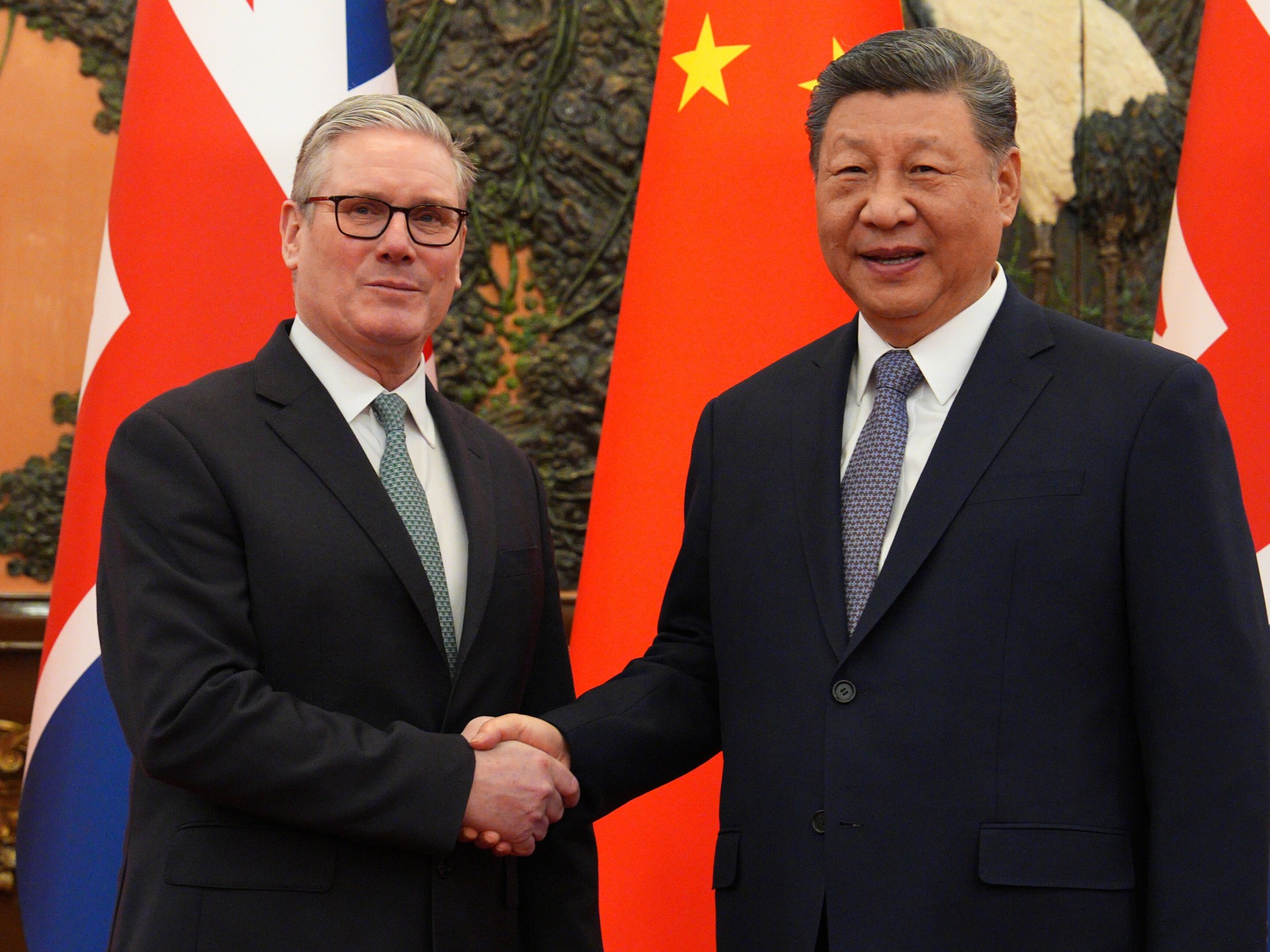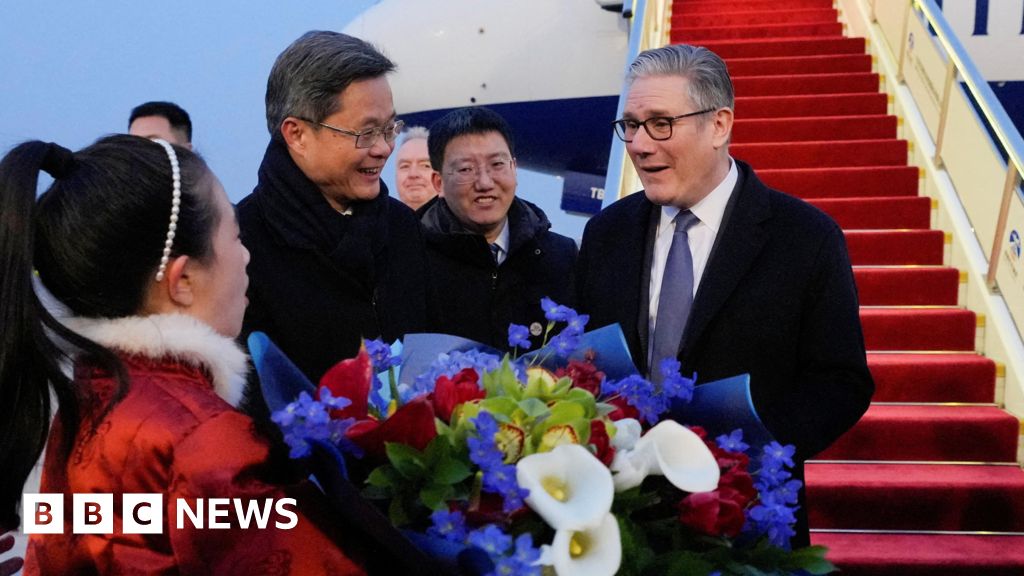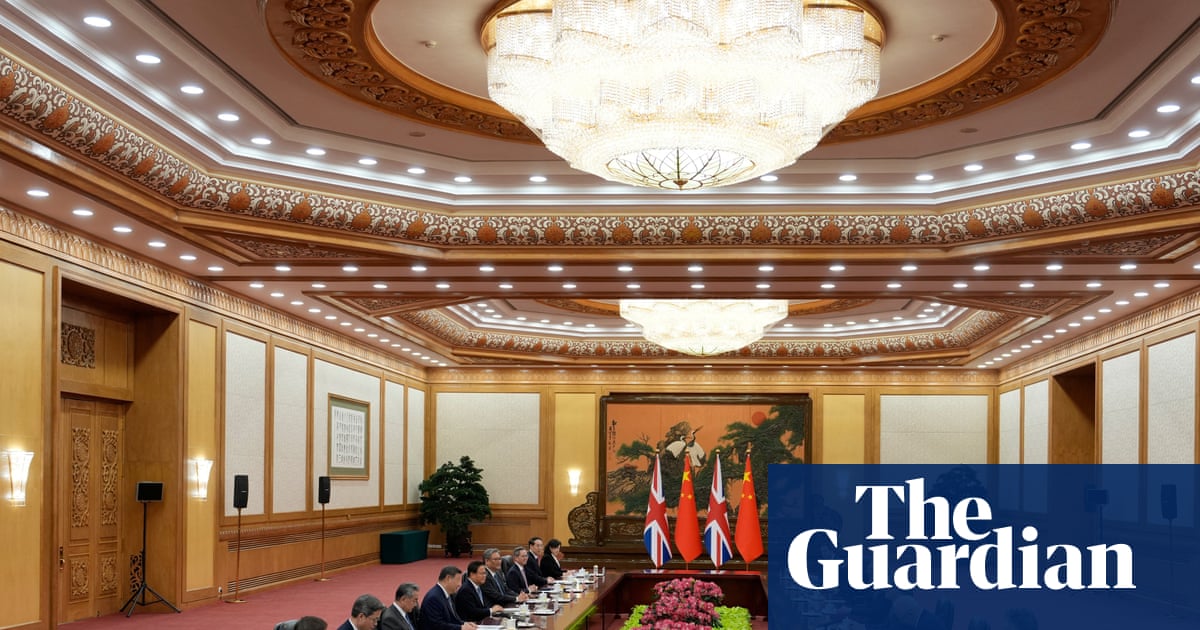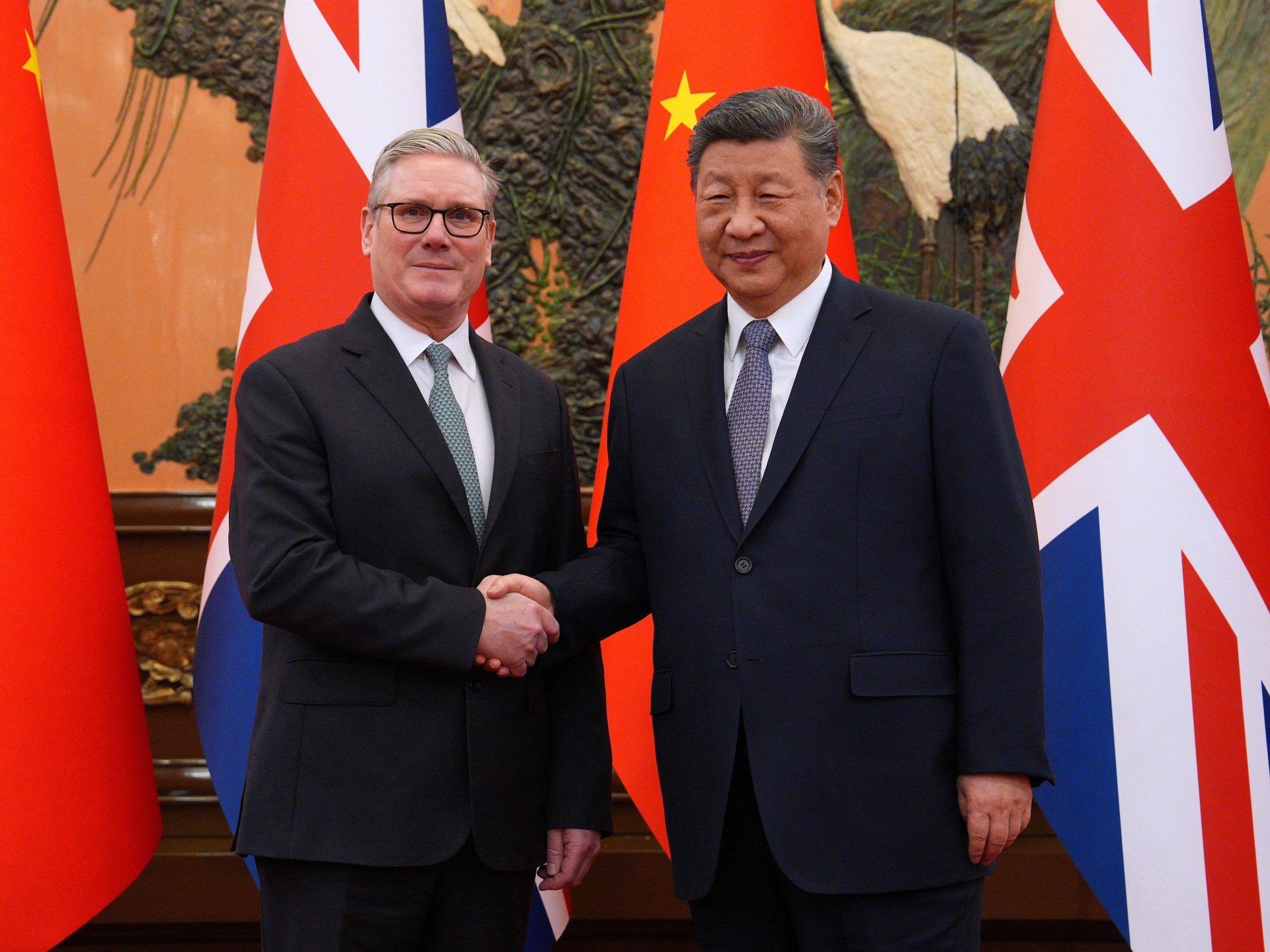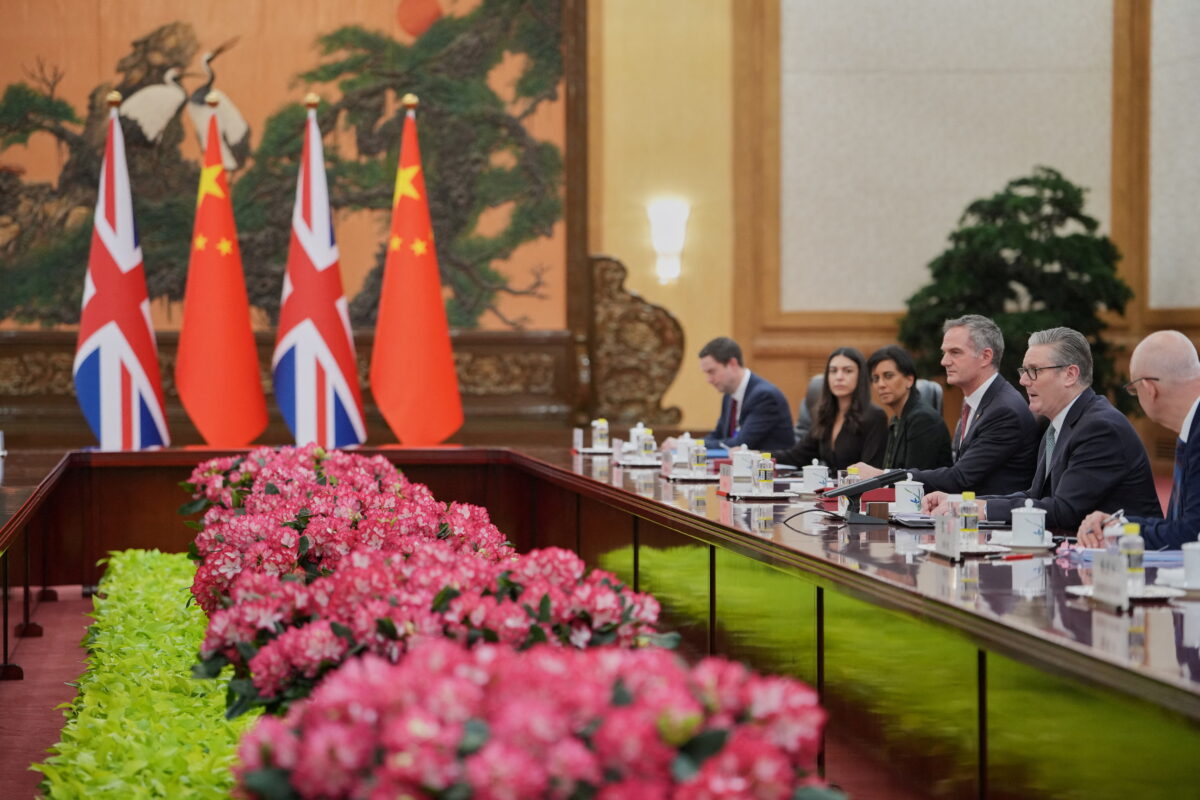
UK Prime Minister Keir Starmer’s decision to visit China in January 2026 — the first trip to Beijing by a UK leader in eight years — generated considerable discussion in London and other Western capitals. The trip was presented by the media as the end of a diplomatic chill between the two countries, delivering limited economic concessions while reigniting controversy over national security, human rights and China’s sanctions on UK parliamentarians.
China remains a politicised subject in the United Kingdom, even compared to other Western countries. This may partly derive from the United Kingdom’s historical relationship with Hong Kong, but also from the broader logic of the US–UK special relationship amid strategic competition between the United States and China.
Washington remains a significant source of external pressure constraining UK policy towards China. This has been visible repeatedly over the past decade — from the Huawei controversy to disputes surrounding the proposed Chinese embassy in London. The United Kingdom’s room for manoeuvre remains restricted by its dependence on the United States through NATO, Five Eyes intelligence cooperation and AUKUS. UK governments may seek a more pragmatic relationship with Beijing. But they cannot diverge too far from US strategic priorities without creating tensions within the transatlantic alliance.